


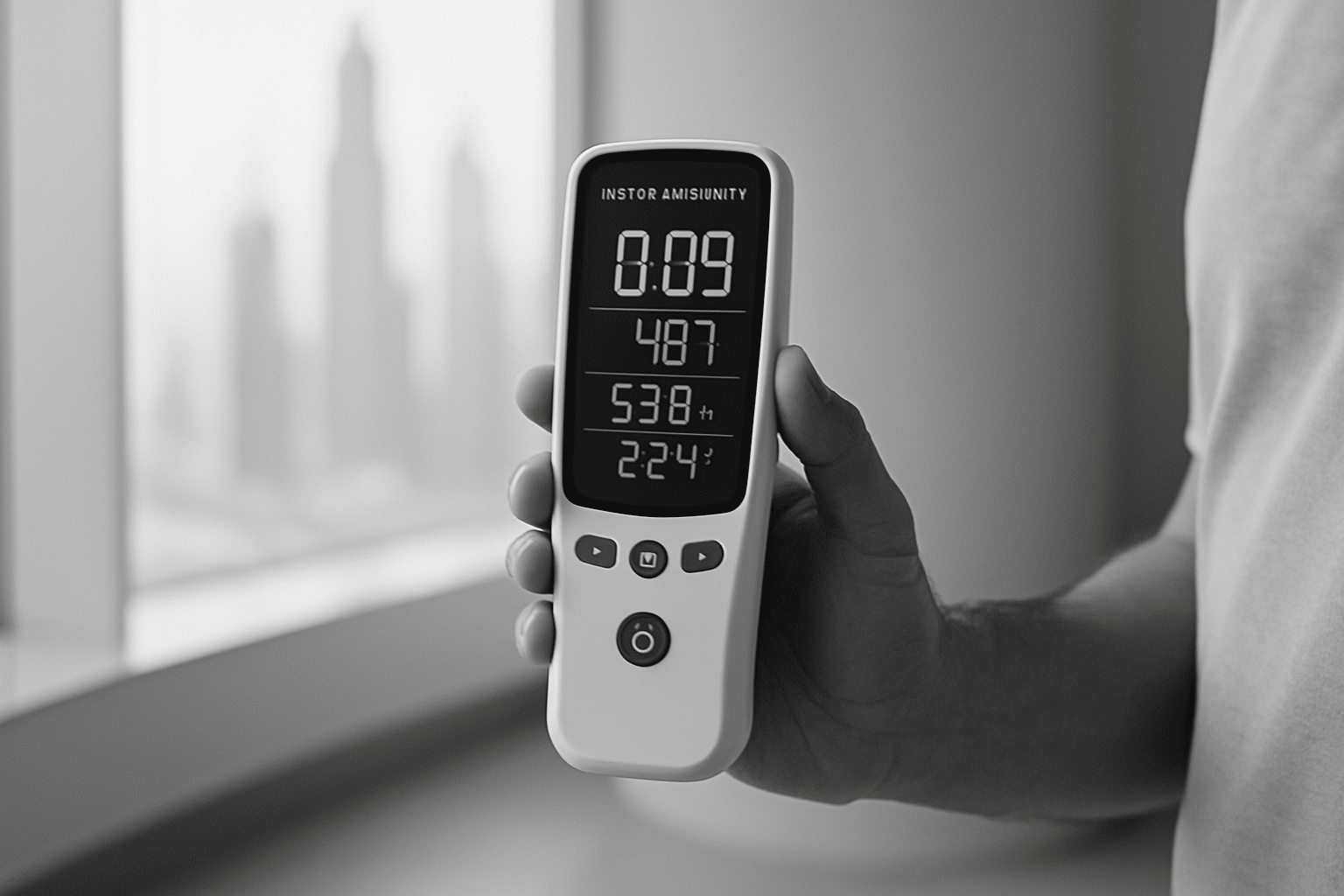
9 Key Insights About Indoor Air Quality Testing Dubai You Need to Know
Table of Contents
Comprehensive Insights into Indoor Air Quality Testing Dubai
Ensuring healthy indoor environments is a critical priority for residents and businesses across Dubai. As urbanization accelerates and indoor activities increase, the quality of the air we breathe inside homes, offices, schools, and commercial facilities becomes increasingly vital to health and productivity. This is where indoor air quality testing Dubai plays a fundamental role. Whether it’s a high-rise office in Business Bay, a villa in Arabian Ranches, or a retail outlet in Downtown Dubai, understanding and managing air quality safeguards occupants from potential health risks posed by pollutants, allergens, and harmful gases. Regular indoor air quality testing Dubai services are crucial for maintaining these high standards and ensuring occupant well-being.
Indoor air quality (IAQ) testing is a scientific process of assessing levels of contaminants in an enclosed space to ensure compliance with health standards and to identify sources of pollution. In Dubai, this type of testing is guided by stringent regulations enforced by the Dubai Municipality and the Dubai Health Authority (DHA), aligned with the UAE’s national framework for environmental safety and public health. Proper IAQ testing helps organizations not only comply with legal standards, such as the Dubai Green Building Regulations and the UAE Fire & Life Safety Code, but also supports the wellbeing and comfort of building occupants. This makes indoor air quality testing Dubai an essential service for all establishments.
Why Is Indoor Air Quality Testing Essential in Dubai?
Dubai’s unique climate and rapid urban development create specific challenges for maintaining indoor air quality. High temperatures, increased air conditioning use, and desert dust lead to indoor environments that can trap pollutants more easily than in other regions. Additionally, the density of new construction projects and expanding commercial activities raise the risk of exposure to volatile organic compounds (VOCs), particulate matter, biological pollutants, and chemical contaminants. Effective indoor air quality testing Dubai addresses these specific environmental factors, providing tailored solutions.
Conducting indoor air quality testing in Dubai enables building managers and homeowners to:
- Identify Hazardous Pollutants: Detect levels of carbon monoxide, radon, formaldehyde, mold spores, and fine particulate matter (PM2.5 and PM10) that negatively impact respiratory and cardiovascular health.
- Support Regulatory Compliance: Meet Dubai Municipality standards related to ventilation, air filtration, and occupational safety, helping avoid fines and legal liabilities.
- Improve HVAC System Performance: Pinpoint issues such as inefficient ventilation, duct contamination, or filter blockages that reduce air circulation and increase pollutant buildup.
- Enhance Occupant Health and Productivity: Reduce symptoms related to allergies, asthma, headaches, and fatigue by improving air freshness and removing allergens and toxins.
- Inform Remedial Actions: Provide clear data to implement appropriate air purification, deep cleaning, or building modifications.
Core Components of Indoor Air Quality Testing Services
A thorough indoor air quality testing Dubai approach typically involves several key components, each designed to deliver a comprehensive understanding of the indoor environment:
- Air Sampling and Analysis: Using advanced, calibrated instruments, air samples are collected from multiple locations across the building. This includes living spaces, ventilation returns, and high-occupancy areas in Dubai properties such as offices in DIFC or residences in Jumeirah. Understanding these results is key to effective indoor air quality testing Dubai.
- Particulate Matter Measurement: Assessment of dust, pollen, soot, and other particulate matter concentrations, which can be especially prevalent given Dubai’s desert surroundings.
- Gaseous Pollutant Testing: Detection of gases like carbon monoxide (CO), carbon dioxide (CO₂), nitrogen dioxide (NO₂), and VOCs, which often originate from building materials, furnishings, or combustion appliances.
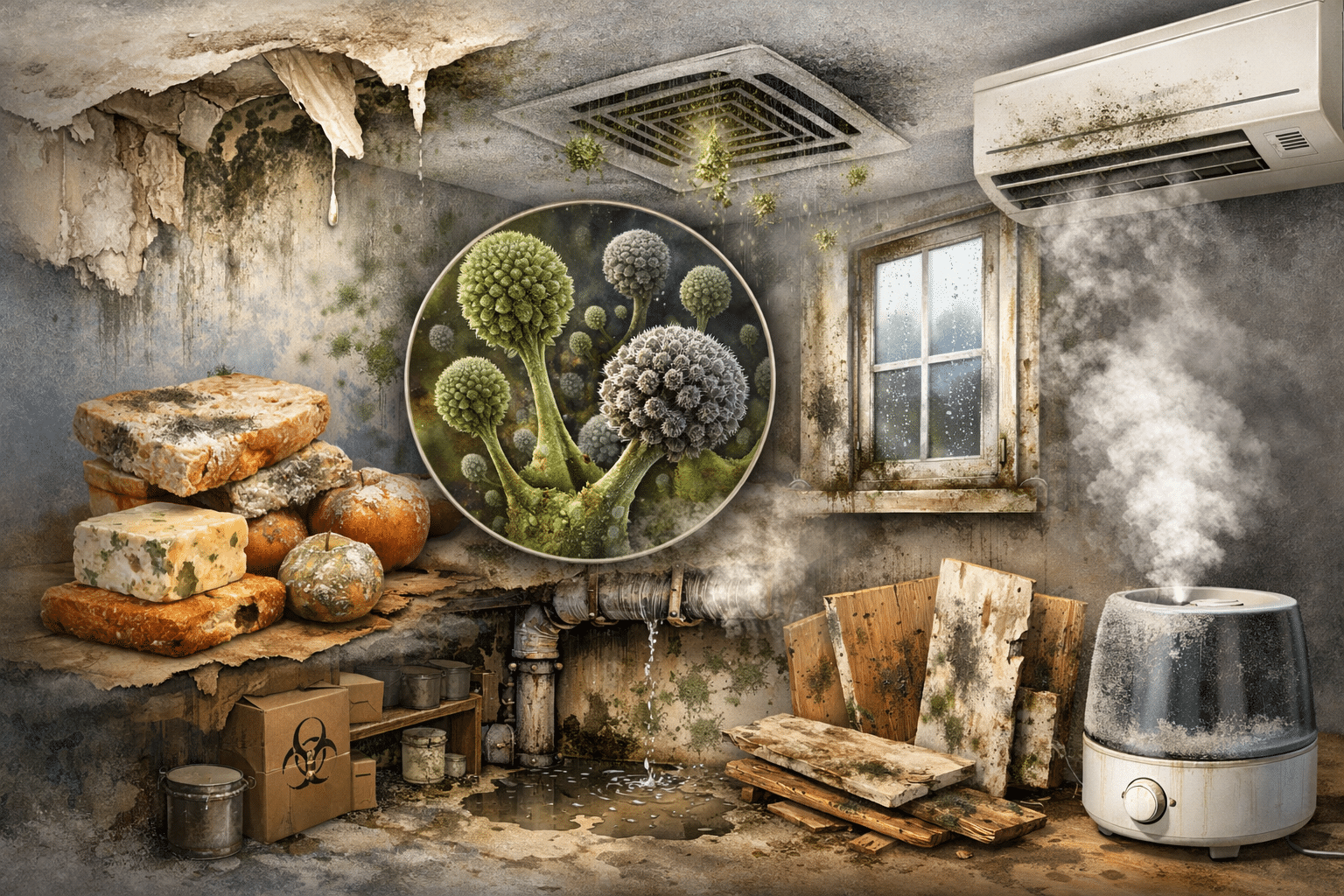
- Microbial Testing: Identification of bacteria, viruses, mold, and fungi that thrive in humid or neglected areas such as air ducts or water systems, posing significant health risks.
- Ventilation Assessment: Evaluation of airflow rates, system functionality, and compliance with Dubai Health Authority standards assures adequate fresh air delivery and circulation.
- Reporting and Recommendations: Detailed documentation with actionable insights allows property owners and managers to prioritize remediation efforts effectively.
These components are integral to fulfilling Dubai-specific regulatory requirements and meeting the standards promoted by the Dubai Municipality and DHA, which emphasize both occupant wellbeing and environmental responsibility. Reliable indoor air quality testing Dubai ensures these standards are met.
Practical Steps After Receiving Indoor Air Quality Test Results
After professional indoor air quality testing Dubai is completed and results are delivered, it is crucial to take informed steps to mitigate identified issues. The following approach outlines best practices tailored to conditions common in Dubai’s built environment:
- Consult with Certified Experts: Engage with IAQ specialists and certified industrial hygienists familiar with Dubai’s climate and regulatory landscape to interpret findings accurately. Their expertise in indoor air quality testing Dubai is invaluable.
- Remediate Mold and Biological Contaminants: Deploy moisture control measures, use approved cleaning agents compliant with local regulations, and repair leaks or water damage as recommended by Dubai Municipality guidelines.
- Upgrade HVAC Systems: Improve filtration with HEPA filters or electrostatic options, service air conditioning units regularly, and optimize ventilation rates to meet DHA standards.
- Eliminate or Reduce Sources of VOCs: Replace or seal off materials emitting formaldehyde or other toxic gases, and use low-emission paints and furnishings tailored to comply with UAE green building codes.
- Implement Continuous Monitoring: Use built-in sensors and IoT-enabled devices in commercial buildings, particularly in high-density areas like Dubai Marina or Metro stations, to track air quality in real-time.
- Educate Occupants: Promote awareness of indoor pollution sources, encourage regular maintenance, and suggest behavior changes such as reducing indoor smoking or proper use of chemical cleaners.
Regular follow-up testing is encouraged after remediation to verify the effectiveness of interventions and ensure sustained compliance with health standards. This ongoing commitment complements initial indoor air quality testing Dubai efforts.
Legislative and Health Considerations in Dubai
Setting standards around indoor air quality in Dubai falls under the purview of multiple authorities working together to protect public health. The Dubai Municipality enforces regulations that cover building construction and maintenance, including indoor environments. Meanwhile, the Dubai Health Authority prescribes worker health and safety protocols that encompass exposure limits to indoor pollutants. For a deeper understanding of these requirements and to ensure your property adheres to local laws, explore the indoor air quality testing Dubai regulations.
The UAE’s Environment Agency and the Emirates Authority for Standardization and Metrology (ESMA) also contribute to developing national guidelines, but Dubai specifically ensures tighter implementation through local monitoring and enforcement. For instance, the Dubai Green Building Regulations emphasize sustainable design elements that reduce pollutant accumulation and promote natural ventilation where possible. Such regulations highlight the importance of thorough indoor air quality testing Dubai.
Moreover, the Dubai Civil Defence and the Dubai Electricity and Water Authority (DEWA) provide additional oversight relating to fire safety and efficient HVAC system operation, ensuring that indoor air quality is maintained without compromising energy sustainability.
Importantly, in light of the COVID-19 pandemic, heightened attention to indoor air quality has been mandated by governmental health advisories. This has propelled many Dubai businesses and residential communities to invest in advanced IAQ solutions, including frequent testing and upgrading of filtration systems in compliance with the Dubai Health & Safety requirements.
Choosing a Reliable Provider for Indoor Air Quality Testing Dubai
When selecting a service provider for indoor air quality testing Dubai, consider the following criteria to ensure high-quality outcomes aligned with Dubai’s regulations and local conditions:
- Certification and Accreditation: The company should have accreditation under Dubai Municipality, DHA, or relevant UAE bodies ensuring methodological accuracy and compliance.
- Local Expertise: Familiarity with Dubai’s climate specifics, construction styles, and regulatory environment is essential for precise diagnostics and recommendations. A provider with proven experience in indoor air quality testing Dubai can offer invaluable insights.
- Technology and Tools: Use of the latest air quality testing instruments capable of detecting multiple pollutant types with real-time data feedback is highly beneficial.
- Comprehensive Reporting: Clear, actionable reports that not only outline pollutant levels but also explain health impacts and remediation steps stand out.
- Aftercare and Support: Providers offering ongoing monitoring services, consultation, and follow-up testing ensure that your indoor environment remains safe over time.
In Dubai’s fast-evolving real estate and business sectors, proactive indoor air quality management establishes a competitive advantage by promoting wellness, reducing absenteeism, and enhancing tenant satisfaction.
With growing awareness and regulatory attention, investing in indoor air quality testing is no longer optional but a necessary step for all property owners in Dubai.



Leave a Reply