


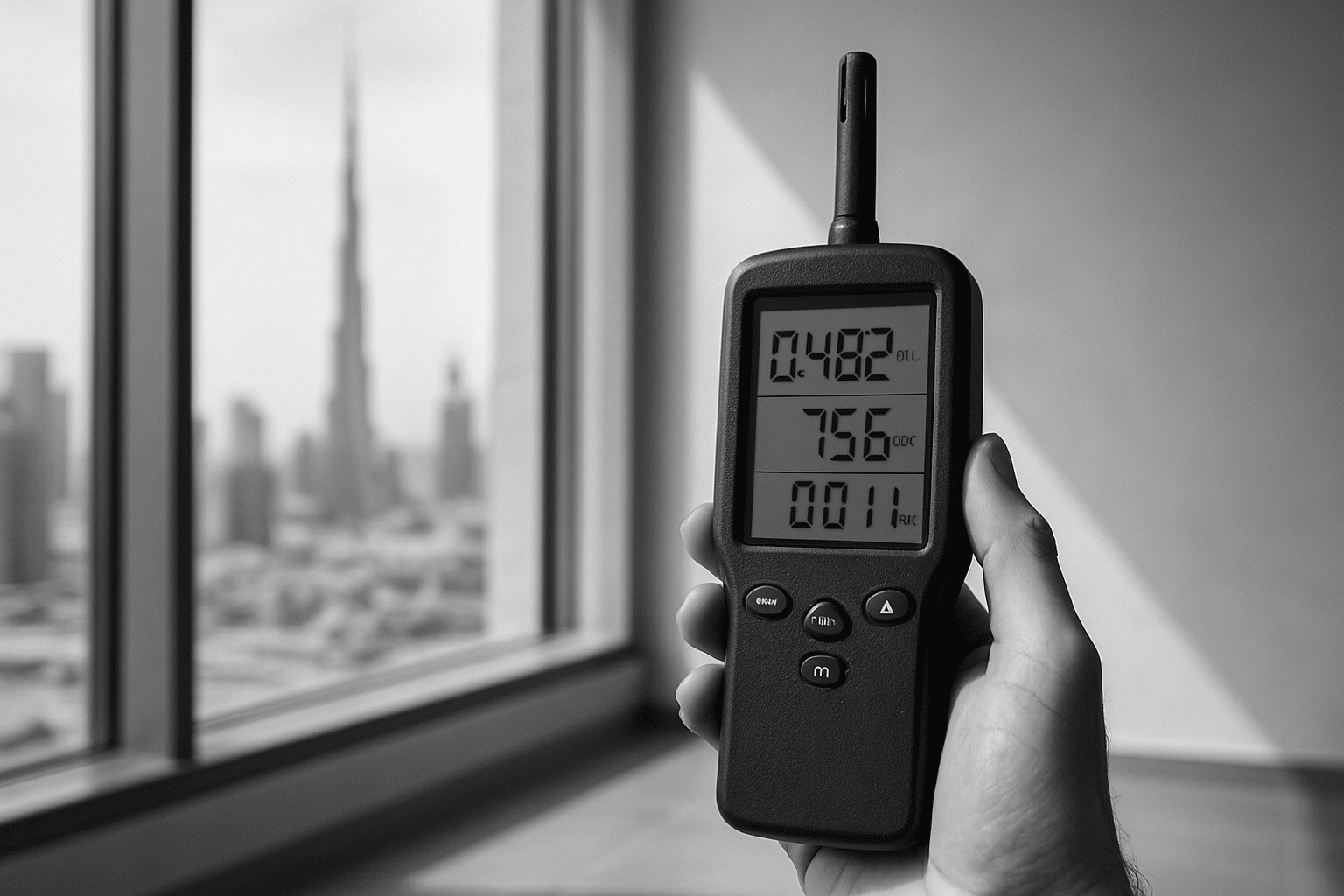
10 Must-Know Insights About Indoor Air Quality Testing Dubai
Table of Contents
Understanding the Importance of Indoor Air Quality Testing Dubai
Indoor air quality (IAQ) has become a critical concern in Dubai’s fast-growing urban environment. With rising pollution levels outside and a proliferation of energy-efficient yet tightly sealed buildings, maintaining healthy indoor air in homes, offices, and commercial spaces is more important than ever. Indoor air quality testing Dubai plays a pivotal role in identifying hidden pollutants and ensuring spaces comply with Dubai Municipality and Dubai Health Authority (DHA) guidelines to protect occupant health and wellbeing.
Many residents and business owners in areas such as Business Bay, Downtown Dubai, and Dubai Marina are often unaware that the air inside their buildings may contain contaminants far worse than those found outside. Pollutants like volatile organic compounds (VOCs), mold spores, carbon monoxide, and airborne particulates accumulate within indoor environments, creating health risks ranging from mild allergies to severe respiratory issues. Accurate Indoor air quality testing Dubai helps detect these harmful agents early, giving occupants a chance to address concerns before serious problems develop.
Why Indoor Air Quality Matters in Dubai’s Climate
Dubai’s desert climate means that for much of the year, people rely heavily on air conditioning systems to maintain comfort indoors. While this offers relief from extreme heat, it can also exacerbate IAQ problems if HVAC units are not regularly maintained or if ventilation is inadequate. Systems that recirculate stagnant air without proper filtration contribute to the build-up of indoor pollutants and reduce oxygen levels inside buildings.
Additionally, many modern buildings in Dubai are constructed to be highly airtight to improve energy efficiency. Though this design reduces the infiltration of dust and external pollutants, it also restricts fresh air exchange, increasing the concentration of internal contaminants. This makes reliable Indoor air quality testing Dubai essential for confirming that indoor environments meet health and safety benchmarks set by local authorities like Dubai Municipality and the DHA.
Key Pollutants and Risks Assessed During Testing
Effective Indoor air quality testing Dubai involves a comprehensive analysis of various pollutants that commonly affect residential, commercial, and industrial environments. The main categories include:
- Particulate Matter (PM) – Fine particles such as PM2.5 and PM10 generated from dust, construction activities, or indoor sources like cooking and smoking.
- Volatile Organic Compounds (VOCs) – Chemicals emitted from paints, adhesives, cleaning products, furnishings, and building materials that can cause headaches, dizziness, and long-term health effects.
- Carbon Dioxide (CO2) and Carbon Monoxide (CO) – Elevated CO2 levels indicate poor ventilation, while CO is a toxic gas produced by incomplete combustion from heaters or faulty appliances.
- Biological Contaminants – Mold, mildew, bacteria, and dust mite allergens that thrive in humid conditions, common in areas with water leaks or poor ventilation.
- Formaldehyde – A specific VOC found in composite wood products and textiles, regulated by UAE indoor air quality standards.
By quantifying these pollutants, Indoor air quality testing Dubai helps identify the precise causes of discomfort or illness reported by occupants and guides remediation efforts tailored to local conditions.
Testing Methods and Technologies Used in Dubai
Indoor air quality testing in Dubai employs a combination of state-of-the-art equipment and scientific protocols to ensure accuracy and compliance with regulatory frameworks such as those established by Dubai Municipality and the DHA. Some widely used methods include:
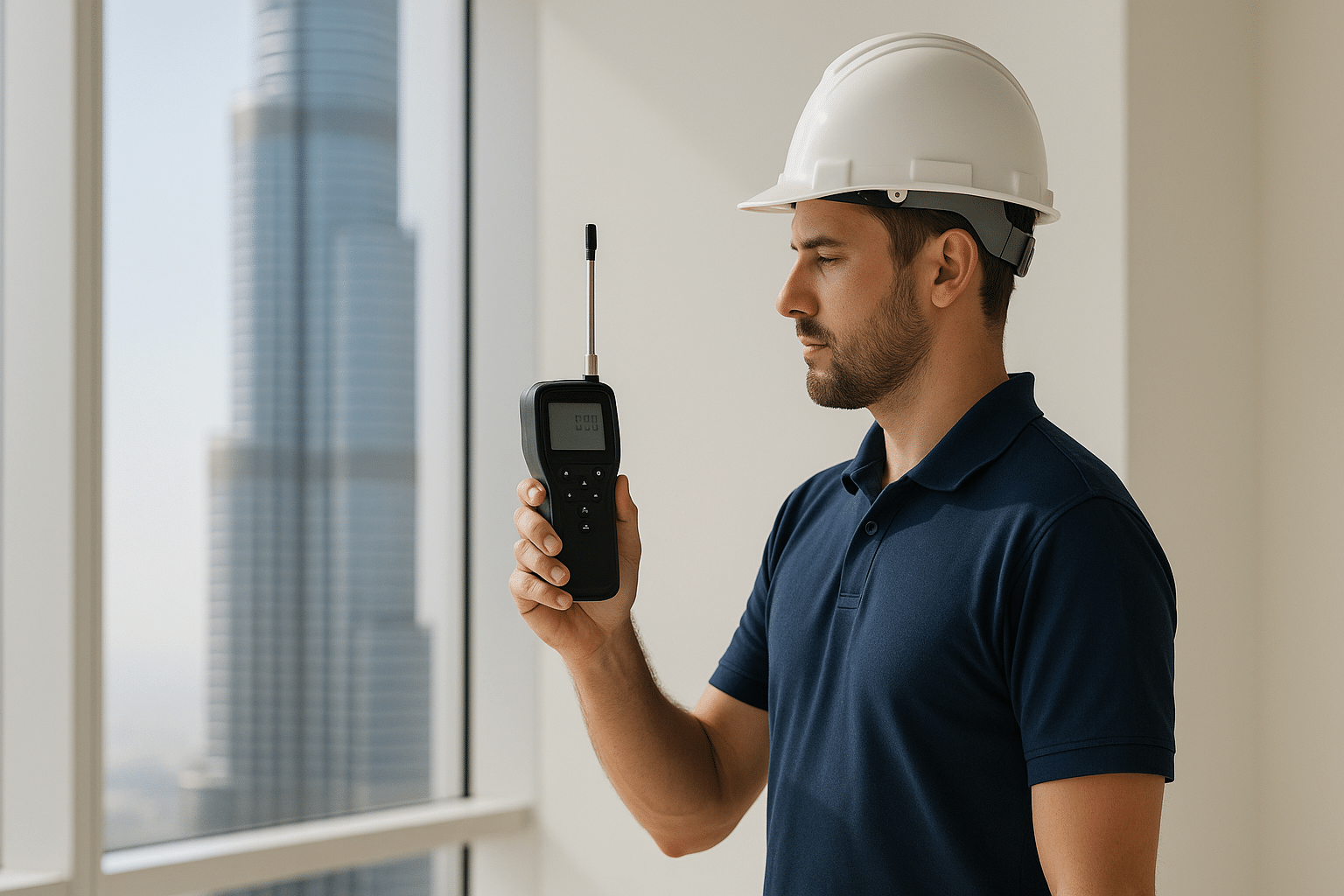
- Real-time Air Monitoring: Portable devices continuously measure PM, CO2, and VOC concentrations, providing instant data on air quality fluctuations for spaces such as offices in DIFC or retail outlets in Dubai Mall.
- Air Sampling and Laboratory Analysis: Specific air samples are collected over a period using calibrated samplers and sent to accredited laboratories for detailed chemical and biological analysis, confirming the presence of mold species or formaldehyde levels.
- HVAC System Inspection: Examination of ventilation and filtration equipment to check for faults or inefficiencies that may be contributing to poor indoor air quality.
The results from these methods are benchmarked against thresholds set by the UAE’s environmental health standards and the Dubai Municipality’s guidelines, which are among the strictest in the region. This localized approach ensures residents and businesses receive assessments that reflect Dubai’s unique environmental and urban landscape.
Practical Steps Following Indoor Air Quality Testing
Once testing is completed, the focus shifts to improving air quality based on the findings. Common recommended measures include:
- Improving Ventilation: Enhancing fresh air circulation through mechanical or natural means reduces pollutant buildup and balances CO2 levels.
- Upgrading Filtration Systems: Installing HEPA filters or activated carbon filters in HVAC units helps trap fine particles and VOCs effectively.
- Source Control: Replacing materials or products that emit harmful compounds, fixing water leaks to prevent mold growth, and reducing indoor smoking or use of chemical cleaners.
- Routine Maintenance: Regular HVAC servicing, duct cleaning, and monitoring prevent future deterioration of indoor air quality.
Dubai residents and facility managers can also leverage indoor air quality tests as part of compliance checks with DHA and Dubai Municipality mandates, especially in schools, healthcare facilities, and food establishments where air quality standards are legally enforced. By addressing IAQ risks swiftly, these stakeholders contribute to creating safer, healthier indoor environments across the city.
In summary, Indoor air quality testing Dubai is more than a regulatory necessity—it is a proactive investment in health and productivity in a dynamic urban setting. As awareness of indoor pollution grows, so does the importance of timely, accurate testing to keep Dubai’s indoor environments among the healthiest in the UAE.
How Indoor Air Quality Testing Works in Dubai
Indoor air quality testing Dubai usually involves a series of steps beginning with a thorough inspection of the indoor environment to assess air sources and potential contamination factors. Technicians then use specialized equipment to monitor a range of key air quality parameters such as particulate matter (PM2.5 and PM10), carbon dioxide (CO2), volatile organic compounds (VOCs), humidity, and temperature.
Once data collection is complete, the service provider analyses the results against Dubai Municipality standards. This analysis reveals the status of indoor air quality and pinpoints areas requiring remediation. The process is non-invasive, quick, and reliable, offering valuable insights for property owners and facility managers in locations like Nad Al Sheba and Arabian Ranches.
Key Services Offered by Indoor Air Quality Testing Providers
Prominent Indoor air quality testing Dubai services typically include:
- Comprehensive air sampling and monitoring
- Identification of specific indoor pollutants and allergens
- Humidity and temperature measurement for environmental balance
- Detailed reporting with actionable recommendations
- Post-testing consultancy to improve air quality through ventilation or filtration upgrades
- Follow-up testing to ensure effectiveness of interventions
Providers like Saniservice, a Dubai-focused leader, ensure services are tailored specifically to local climatic and regulatory conditions, enhancing their clients’ indoor comfort and safety.
Frequently Asked Questions About Indoor Air Quality Testing Dubai
What is indoor air quality testing?
Indoor air quality testing involves measuring airborne substances within indoor spaces to assess pollution levels and identify contaminants that may affect health and comfort.
How often should I test my indoor air in Dubai?
Testing frequency depends on property use and vulnerability. For homes and offices in Dubai, annual or biannual testing is recommended, especially in areas with new constructions or HVAC modifications.
Are there local standards for indoor air quality in Dubai?
Yes, Dubai Municipality and Dubai Health Authority provide guidelines that set allowable limits for indoor pollutants, ensuring safety and compliance across buildings in the city.
Can I improve indoor air quality myself?
While simple steps like maintaining ventilation, using air purifiers, and avoiding indoor smoking help, professional testing identifies hidden risks and ensures comprehensive improvement.
Local Regulations and Standards in Dubai
Dubai has established strict environmental and health regulations to maintain indoor air quality in residential and commercial spaces. The Dubai Municipality enforces these standards alongside Dubai Health Authority guidelines, specifically targeting common pollutants found in indoor environments. Businesses and building managers in Dubai Marina, Medos, and other localities must adhere to these to avoid penalties and protect occupants.
Indoor air quality testing Dubai services often incorporate these regulations into their testing protocols and reports, ensuring clients meet or exceed standards. This local regulation alignment differs from broader regional approaches, emphasizing the city’s commitment to healthy indoor environments.
Benefits of Indoor Air Quality Testing for Dubai Residents
The advantages of investing in Indoor air quality testing Dubai are manifold. Key benefits include:
- Enhanced health and wellbeing: Identifies allergens, molds, and irritants that may cause asthma and allergies.
- Improved productivity: Cleaner air contributes to better concentration and energy, especially important in offices in Business Bay and Downtown Dubai.
- Increased property value: Demonstrating good air quality can be a selling point for residential and commercial properties.
- Early problem detection: Detects hidden issues like mold infestations or VOC build-up before they worsen.
- Regulatory compliance: Ensures alignment with Dubai health and safety laws, avoiding fines and legal risks.
How to Choose the Right Indoor Air Quality Testing Service in Dubai
Selecting a reputable Indoor air quality testing Dubai provider requires careful consideration. Important factors include:
- Local specialization: Choose providers like Saniservice that focus solely on Dubai to guarantee knowledge of city-specific conditions and standards.
- Accredited and certified technicians: Ensure testers have proper qualifications and use calibrated, reliable equipment.
- Comprehensive service offerings: Look for companies that offer end-to-end solutions from testing to actionable recommendations.
- Transparent reporting: Providers should supply clear reports supported by data and explanations suitable for both technical and lay audiences.
- Responsive customer support: Good communication and follow-up services make the process smoother and more effective.
For more detailed guidance, you can explore our indoor air quality services page to find Dubai-specialized experts.
Common Pollutants Detected by Indoor Air Quality Testing
Indoor air quality testing Dubai typically detects pollutants impacting health and comfort, including:
- Volatile Organic Compounds (VOCs): Emitted from paints, cleaning agents, and furnishings, VOCs can cause headaches and irritation.
- Particulate Matter (PM2.5/PM10): Fine dust and particles that can penetrate lungs and cause respiratory issues.
- Carbon Dioxide (CO2): Elevated levels from poor ventilation leading to fatigue and decreased mental performance.
- Mold Spores: Resulting from humidity issues, molds contribute to allergies and infections.
- Carbon Monoxide (CO): A dangerous gas from combustion appliances that requires urgent detection.
By identifying these contaminants early, property owners can take smart steps to improve indoor air quality and safeguard occupants.
Impact of Indoor Air Quality on Health and Productivity
Indoor air quality testing Dubai plays a pivotal role in safeguarding health and enhancing productivity. Poor air quality indoors is linked to ailments such as asthma, allergies, headaches, and chronic respiratory diseases. In a bustling metropolis like Dubai, where air conditioning is essential, stale and contaminated air can worsen these effects.
Workplaces in Dubai Marina and Business Bay have reported that improved air quality via testing and remediation boosts employee alertness, reduces sick days, and supports overall morale. This directly contributes to economic benefits for businesses and healthier residents. Ultimately, regular Indoor air quality testing Dubai helps foster a sustainable and thriving urban environment.
Conclusion and Call to Action
In summary, Indoor air quality testing Dubai is an essential service for anyone aiming to maintain healthy, comfortable indoor environments in Dubai’s unique climate. From identifying invisible pollutants to ensuring compliance with local regulations, this service protects well-being and property value. The comprehensive offerings by Dubai-specialized providers like Saniservice simplify the process and ensure actionable results.
If you are concerned about the air you breathe indoors, don’t wait. Contact a trusted Indoor air quality testing Dubai expert today and take the first step toward a cleaner, safer indoor environment in your Dubai home or office.
Meta description: Explore the must-know insights on indoor air quality testing dubai, covering services, FAQs, and benefits to improve your indoor environment effectively.
For more expert information on maintaining healthy indoor environments, visit Dubai Municipality.



Leave a Reply