


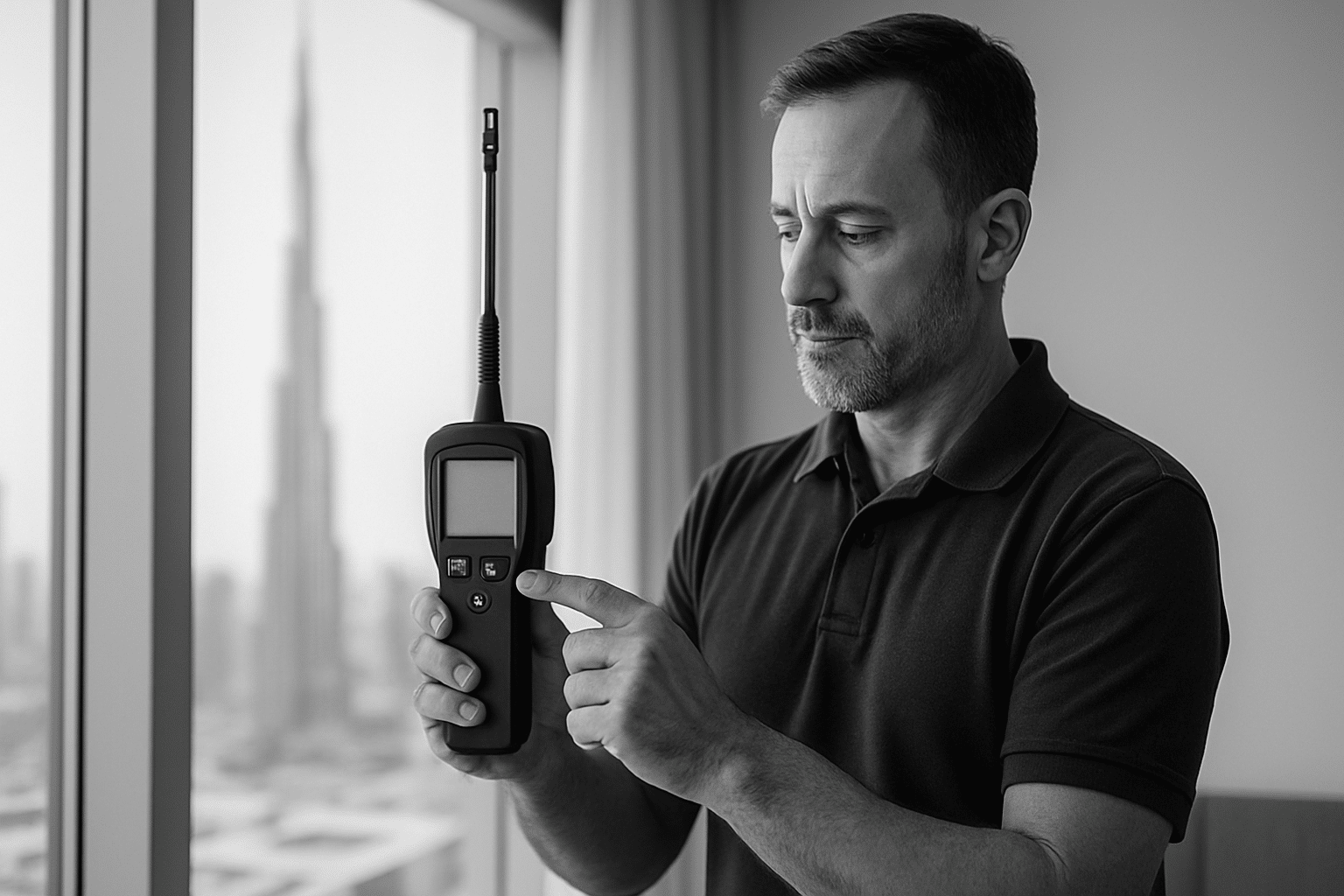
9 Critical Insights on Professional Indoor Air Quality Testing Dubai: Sources and Control Methods
Table of Contents
Why Choose Professional Indoor Air Quality Testing Dubai?
Indoor air quality (IAQ) significantly influences health, comfort, and productivity, making professional indoor air quality testing dubai an essential service for residences, commercial buildings, and industrial spaces. In a city like Dubai, where rapid urban development and environmental factors such as desert dust storms impact air conditions, ensuring clean and safe indoor air is critical. Professional testing not only identifies pollutants but also supports compliance with local regulations, helping to maintain healthier indoor environments.
Understanding the Importance of Indoor Air Quality in Dubai
Dubai’s unique climate and urban landscape create distinct challenges for indoor air quality management. The dry desert air often carries fine particulate matter and dust, which can infiltrate indoor spaces and aggravate respiratory problems. Additionally, the widespread use of air conditioning systems, while necessary for comfort, can become a source of contaminants such as mold, bacteria, and volatile organic compounds (VOCs) if not properly maintained.
Professional indoor air quality testing dubai helps identify these hidden dangers before they escalate into health risks. For example, prolonged exposure to elevated levels of VOCs — emitted from paints, furnishings, and cleaning products commonly used in Dubai’s modern interiors — can cause headaches, fatigue, and other symptoms that degrade occupants’ well-being. Similarly, detecting allergens and microbial pollutants early prevents chronic respiratory conditions, which are especially critical in workplaces regulated under Dubai Municipality and Dubai Health Authority (DHA) standards.
The rising awareness about health and environmental concerns in Dubai has spotlighted the need for professional indoor air quality testing dubai. Indoor air can harbor pollutants that negatively impact comfort, wellbeing, and productivity in homes, offices, and public spaces within the city’s unique climatic and urban environment.
Unlike outdoor air, indoor air quality (IAQ) requires diligent monitoring due to the concentration of pollutants generated indoors by daily activities, building materials, and urban contaminants that drift indoors. Professional testing identifies and quantifies harmful substances, enabling targeted remediation efforts essential for residents and businesses in areas like Business Bay, Dubai Marina, and Downtown Dubai.
Key Components of Professional Indoor Air Quality Testing Dubai
Professional indoor air quality testing dubai involves a comprehensive assessment using advanced equipment and expertise tailored to local environmental conditions. The testing process typically includes the following components:
- Particulate Matter (PM) Analysis: Measuring fine particles (PM2.5 and PM10) which often originate from outdoor dust and indoor sources such as cooking or office equipment.
- Volatile Organic Compounds (VOC) Monitoring: Detecting hazardous gases released by household products, paints, adhesives, and building materials.
- Carbon Dioxide and Carbon Monoxide Levels: Assessing ventilation efficiency and detecting potential combustion-related risks.
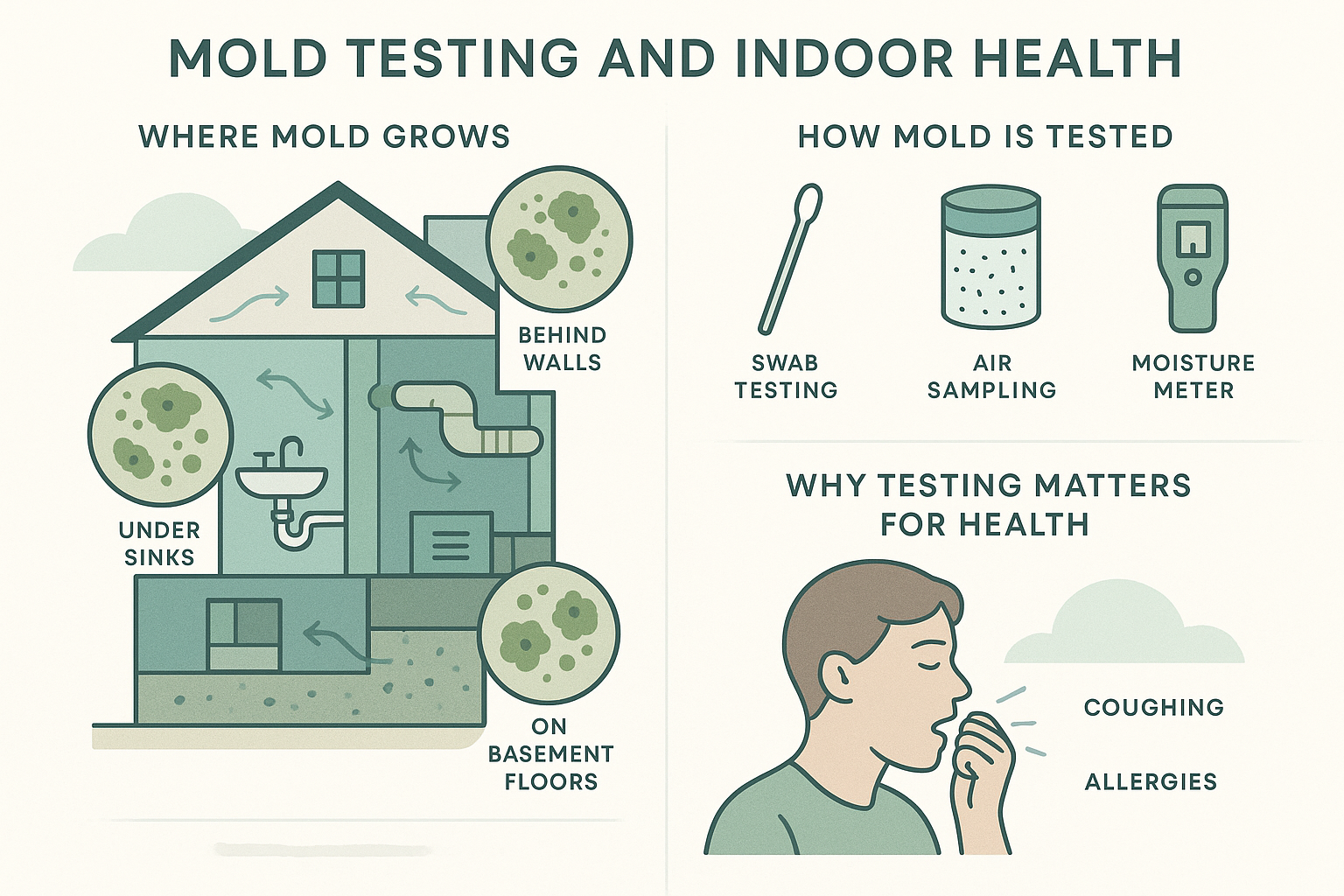
- Biological Contaminant Testing: Identifying mold, bacteria, viruses, and allergens which can cause respiratory issues and allergic reactions.
- Humidity and Temperature Evaluation: Ensuring optimal indoor conditions to minimize the growth of biological pollutants and maintain occupant comfort.
Each of these factors is rigorously tested using equipment compliant with Dubai Municipality’s environmental guidelines, ensuring results that accurately reflect the indoor air quality status. The data collected serves as the basis for tailored recommendations that improve air quality and comply with Dubai’s environmental safety standards.
The Role of Professional Testing in Regulatory Compliance and Health Assurance
Dubai has established comprehensive guidelines through entities like the Dubai Municipality, Dubai Health Authority, and the Dubai Electricity and Water Authority (DEWA) to ensure safe indoor environments. Buildings, especially commercial and public facilities in areas such as Downtown Dubai, Business Bay, and Dubai Marina, must undergo regular air quality assessments to meet the Dubai Green Building Regulations and enhance occupant safety.
Professional indoor air quality testing dubai is a critical step in this regulatory framework. It supports building owners, facility managers, and developers in adhering to standards that protect public health and promote sustainable building practices. These standards often require documented proof of air quality assessments and corrective actions to mitigate any harmful pollutants detected.
Moreover, regular IAQ testing helps employers comply with occupational health and safety regulations enforced by the Dubai Health & Safety Department. Maintaining a healthy indoor environment boosts employee productivity and reduces absenteeism associated with poor air quality.
Benefits of Hiring a Dubai-Based Expert for Indoor Air Quality Testing
Choosing a local specialist for professional indoor air quality testing dubai offers several advantages:
- Localized Expertise: Professionals understand Dubai’s unique environmental challenges, including the effects of desert dust and high humidity in coastal areas.
- Regulatory Insight: Compliance with Dubai Municipality, DHA, and local authority requirements is expertly navigated, ensuring accurate reporting and certification.
- Advanced Testing Equipment: Utilization of industry-leading, calibrated tools suited for Dubai’s specific indoor pollution sources.
- Custom Recommendations: Solutions are tailored to address air quality problems based on the building’s location, use, and occupant needs.
- Prompt Reporting and Follow-up: Efficient service includes detailed reports and follow-up actions to maintain or improve air quality.
In Dubai’s fast-paced real estate and commercial markets, professionally tested indoor air quality can also enhance property value and marketability by demonstrating commitment to occupant health and environmental responsibility. For example, many premium residential communities like Arabian Ranches and Nad Al Sheba prioritize IAQ alongside sustainable building certifications.
Maintaining Healthy Indoor Air Post-Testing
Testing is only the first step toward better indoor air. Following professional indoor air quality testing in Dubai, building managers and homeowners should implement ongoing practices such as:
- Routine HVAC system inspections and filter replacements to prevent buildup of contaminants.
- Proper ventilation strategies that balance energy efficiency with fresh air intake, aligned with Dubai Municipality’s green building requirements.
- Use of low-VOC paints and sustainable materials in renovations and new construction.
- Regular cleaning with non-toxic, environmentally friendly products to reduce chemical and allergen residues.
- Prompt remediation of moisture issues that could lead to mold growth.
By combining professional testing with proactive maintenance, Dubai residents and businesses can safeguard their indoor environments against pollutants and allergens, promoting healthier living and working spaces.
In summary, professional indoor air quality testing dubai is a vital service that addresses the city’s unique climatic and urban challenges. It helps ensure compliance with local regulations, promotes occupant health, and supports sustainable urban living. Engaging with a Dubai-based expert ensures precise diagnostics, practical recommendations, and peace of mind knowing that the air you breathe indoors meets the highest standards of safety and comfort.
Common Indoor Pollution Sources in Dubai
Understanding pollution sources is key to effective indoor air quality management. In Dubai, several prevalent sources contribute to indoor pollution:
- Volatile Organic Compounds (VOCs): Off-gassing from paints, adhesives, varnishes, and cleaning products release VOCs. Many modern buildings and renovations in Dubai use materials that emit chemicals disrupting indoor air.
- Dust and Particulate Matter: Desert dust frequently infiltrates buildings despite air conditioning and filtration, especially in residential zones like Arabian Ranches.
- Biological Contaminants: Mould, mildew, dust mites, and pet dander are common in humid areas or poorly ventilated spaces such as basements or bathrooms in Dubai apartments.
- Combustion Pollutants: Gas stoves, water heaters, and malfunctioning HVAC systems can increase indoor carbon monoxide (CO) and nitrogen dioxide (NO2).
- Outdoor Pollutants Entering Indoors: Vehicle emissions from Dubai’s busy road networks like Sheikh Zayed Road can penetrate indoor environments, affecting IAQ.
- Radon Gas: Although less common, radon can accumulate in enclosed spaces and requires monitoring via professional testing.
The variation of sources depends on building type, maintenance, and occupant activities, emphasizing the need for customized professional evaluation.
Health Effects of Indoor Air Pollution
Exposure to substandard indoor air quality in Dubai can lead to various health concerns. Immediate symptoms include headaches, dizziness, irritation of eyes and throat, and fatigue, all of which reduce comfort and efficiency in workplaces and homes.
Long-term exposure is linked to respiratory conditions like asthma, chronic bronchitis, and allergic reactions. Vulnerable groups such as children, elderly, and those with preexisting conditions are at higher risk. Employment settings must prioritize air quality to comply with Dubai Health Authority (DHA) guidelines and protect workers’ wellbeing.
Methods for Detecting Indoor Air Pollution
Accurate detection relies on technological methods applied by experts. Common techniques used in professional indoor air quality testing dubai include:
- Air Sampling: Collection of air samples using devices that trap particles and gases for laboratory analysis.
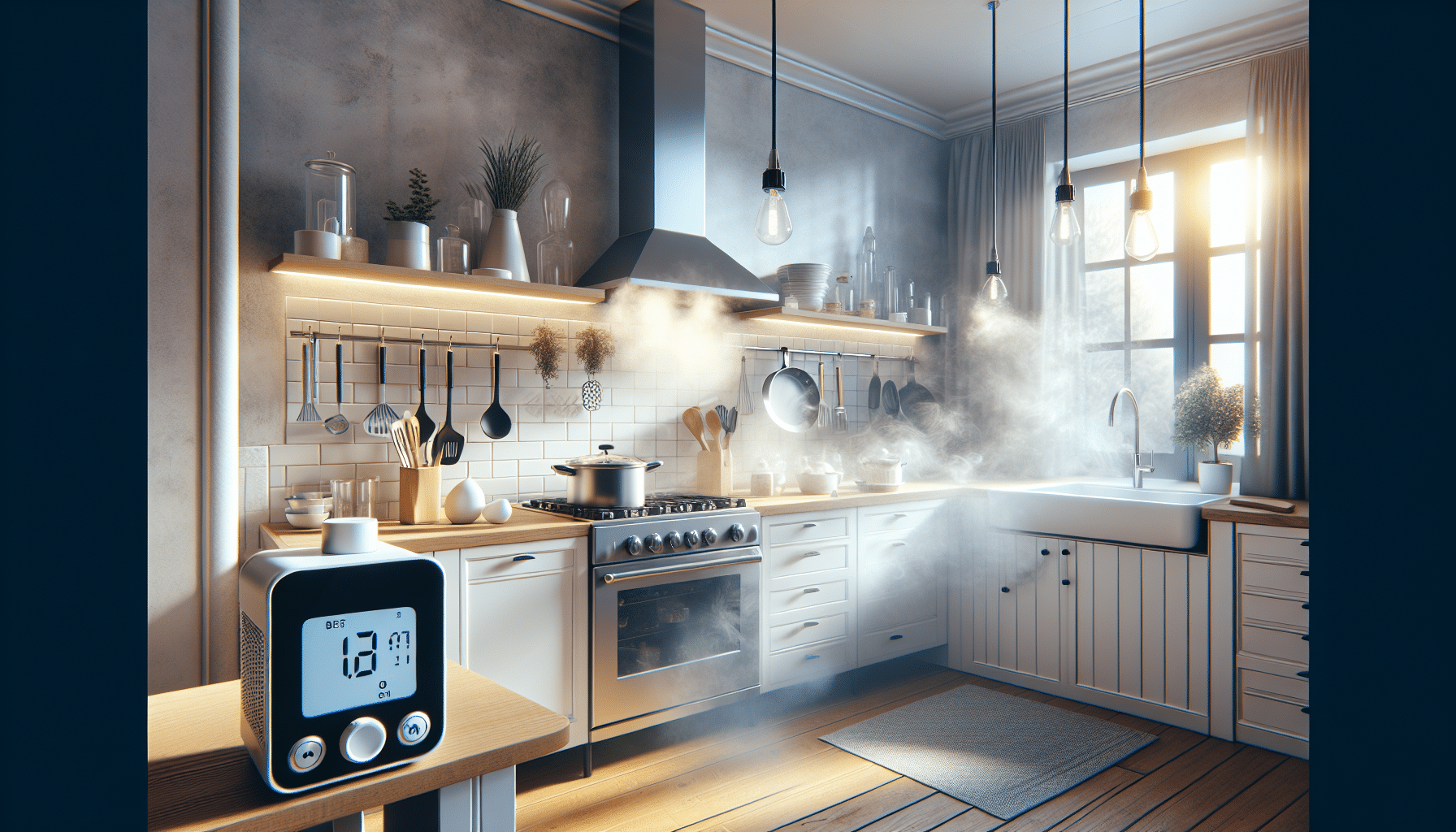
- Real-Time Air Monitoring: Use of portable monitors to measure particulate matter (PM2.5, PM10), CO, CO2, VOCs, and humidity levels instantly on site.
- Surface and Dust Testing: Swab or vacuum sampling to identify allergens and mould spores settled on surfaces.
- Gas Detection Sensors: Devices targeting specific harmful gases like radon and formaldehyde.
Professional services often combine these methods to provide comprehensive IAQ reports tailored to building type and occupancy.
Effective Control Methods to Improve Air Quality
Addressing indoor pollution involves multi-layered approaches. Key control methods include:
- Source Control: Minimizing use of VOC-emitting materials, ensuring proper storage of chemicals, and adopting green cleaning products suitable for Dubai’s climate.
- Improved Ventilation: Incorporating mechanical ventilation with filtration systems helps dilute indoor pollutants. Use of energy recovery ventilators (ERVs) balances fresh air intake with climate control, essential for Dubai buildings.
- Air Purification Systems: High-efficiency particulate air (HEPA) filters and activated carbon filters capture particles and gaseous irritants respectively.
- Maintenance and Cleaning: Regular HVAC cleaning, addressing moisture issues to prevent mould, and periodic dust removal are critical.
- Humidity Control: Maintaining indoor relative humidity between 30-50% reduces mould growth and dust mite populations.
Implementation of these methods according to professional IAQ testing recommendations ensures optimal indoor environments across Dubai’s homes and offices.
Regulatory Framework and Standards in Dubai
Dubai Municipality and Dubai Health Authority set guidelines and regulations to safeguard indoor air quality. Dubai’s building codes increasingly mandate HVAC standards, ventilation requirements, and pollutant limits inspired by global best practices adapted locally.
The Emirates Authority for Standardization and Metrology (ESMA) regulates materials and products influencing IAQ. Compliance with such standards benefits property owners by enhancing occupant satisfaction and aligning with Dubai’s sustainability objectives.
Professional indoor air quality testing dubai services must adhere to these authoritative frameworks, delivering reliable reports and solutions recognized by Dubai authorities.
Choosing a Professional Indoor Air Quality Testing Service Dubai
Selecting the right expert is crucial for accurate diagnostics and actionable outcomes. Considerations when choosing a testing service include:
- Certification and Accreditation: Verify that the company has credentials from UAE regulatory bodies and uses calibrated, internationally recognized equipment.
- Experience in Dubai Environment: Expertise in local building types, climate effects, and pollution sources ensures relevant testing and solutions.
- Range of Services: Comprehensive testing options including chemical, biological, and particulate analyses with clear reporting.
- Customer Reviews and Case Studies: Positive feedback from Dubai clients and demonstrated success in improving indoor air quality.
- Adherence to Regulations: Compliance with Dubai Municipality and DHA requirements for legal and safety standards.
Integrating professional testing and remediation strengthens health, productivity, and regulatory compliance in Dubai buildings. For more specialized services, explore detailed offerings via the Saniservice Dubai site for professional indoor air quality testing dubai known for comprehensive indoor air quality solutions.
FAQ: Frequent Questions on Professional Indoor Air Quality Testing Dubai
What factors influence professional indoor air quality testing in Dubai?
Factors influencing professional indoor air quality testing in Dubai include building size, the scope of testing required, and the complexity of the environment. Many providers offer customized quotes after preliminary assessments.
How often should indoor air quality be tested in Dubai?
Routine testing every 1-3 years is ideal for most settings. However, any changes in symptoms, renovations, or new pollution sources warrant immediate testing.
Can indoor plants improve indoor air quality?
While plants provide minor air purification, their impact is limited. Professional testing and proper ventilation remain the primary control methods in Dubai’s indoor environments.
Are there legal requirements for indoor air quality testing in Dubai?
Dubai mandates air quality compliance in commercial and public buildings, with increasing emphasis on residential sectors. Professional IAQ testing helps meet these legal standards.
How long does testing take?
Testing durations depend on the methodologies used; typical visits last from a few hours to a full day, followed by detailed reporting.
For further insights, detailed protocols and solutions on professional indoor air quality testing dubai can be found at the Dubai Municipality official site.
Conclusion: Actionable Steps for Cleaner Indoor Air in Dubai
Maintaining excellent indoor air quality in Dubai requires informed selection of professional services, regular monitoring, and proactive control of pollution sources. Professional indoor air quality testing dubai unlocks the actionable insights necessary to safeguard health, ensure regulatory compliance, and enhance indoor comfort.
Start by scheduling a comprehensive IAQ assessment with certified providers, implement recommended ventilation and filtration solutions, and maintain consistent upkeep. For Dubai residents and businesses committed to healthy spaces, expert testing is the cornerstone of lasting indoor air wellness.
Take action today to breathe easier tomorrow in Dubai’s vibrant indoor environments.


Leave a Reply