


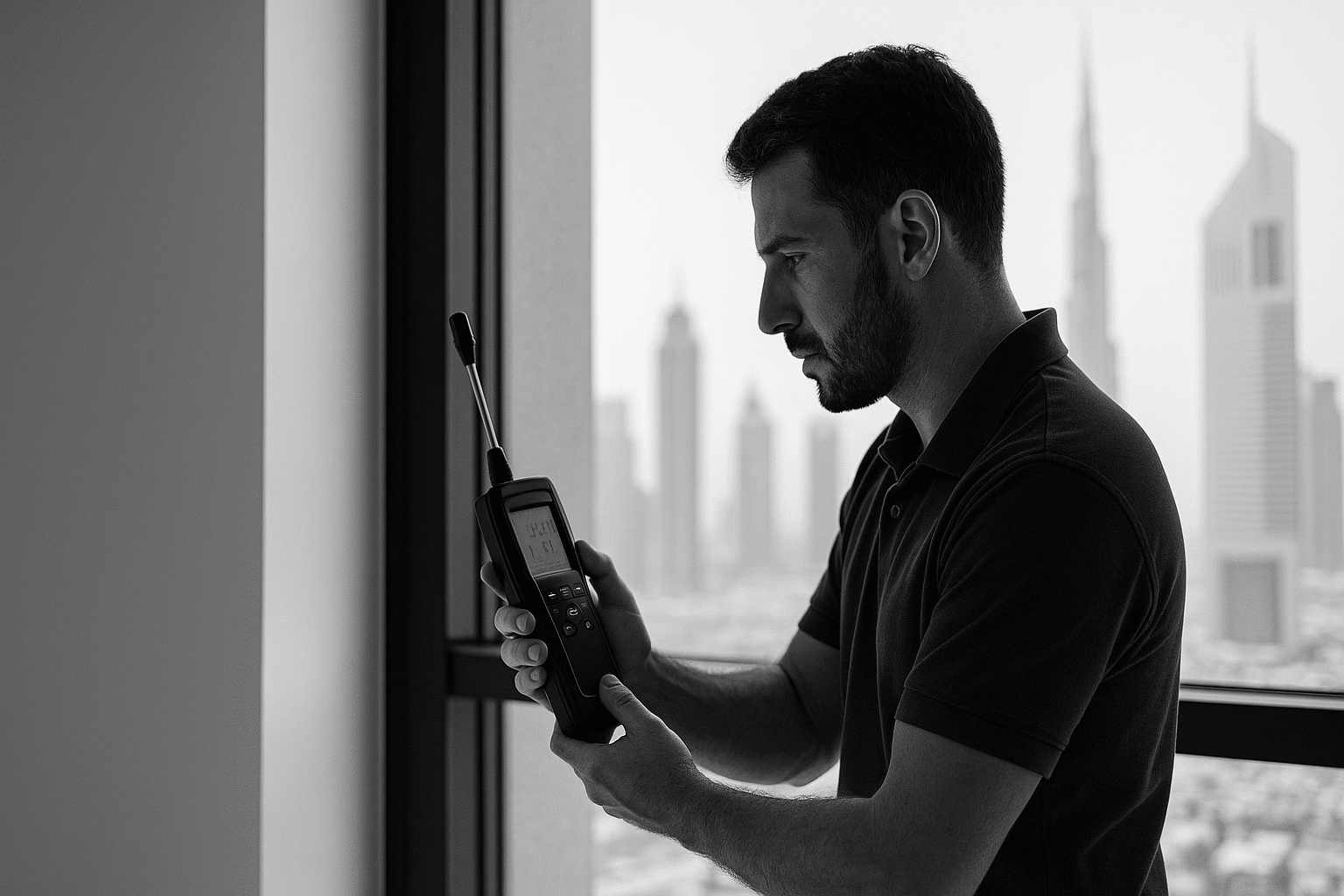
10 Critical Steps for Professional Indoor Air Quality Testing Dubai
Table of Contents
Why Indoor Air Quality Matters in Dubai
Professional indoor air quality testing Dubai is vital due to the unique environmental and urban factors affecting air quality within Dubai’s indoor spaces. With the city’s rapid development, frequent dust storms, high temperatures, and widespread use of air conditioning systems, indoor air quality can suffer significantly without proper monitoring and control.
Residents and commercial property owners in areas such as Downtown Dubai, Dubai Marina, and Business Bay often face challenges linked to air pollutants, including dust, volatile organic compounds (VOCs), and biological contaminants. These pollutants can impact health and comfort, making professional indoor air quality testing Dubai an essential service to ensure safe living and working environments.
Understanding Professional Indoor Air Quality Testing Dubai
The term professional indoor air quality testing Dubai refers specifically to expert services that assess and analyze the quality of air inside buildings in Dubai. These services use advanced equipment and methodologies aligned with Dubai Municipality guidelines and Dubai Health Authority (DHA) standards.
Unlike basic air quality checks, professional testing involves comprehensive evaluation covering particulate matter, gaseous pollutants, humidity, temperature, and microbial presence. This approach helps pinpoint sources of contamination and aids in crafting actionable strategies for improving indoor environments.
Key Factors Affecting Indoor Air Quality in Dubai
Several unique factors influence indoor air quality in Dubai premises, making understanding them crucial during any professional indoor air quality testing Dubai:
- Climate and Dust: Frequent desert dust intrusion elevates particulate concentrations indoors.
- Air Conditioning Systems: Poorly maintained HVAC systems can circulate contaminants or foster mold growth.
- Building Materials: Some construction and furnishing materials emit VOCs over time.
- Occupant Activities: Cooking, smoking, and cleaning products contribute to indoor pollutants.
- Urban Pollution: Traffic and industrial emissions in areas like Nad Al Sheba influence outdoor and subsequently indoor air.
Step-by-Step Guide to Professional Indoor Air Quality Testing Dubai
Carrying out a professional indoor air quality testing Dubai involves several carefully planned stages to deliver accurate and actionable results. Below is a detailed walkthrough:
1. Preparation and Scheduling
The first step is consultation to understand the property type, usage, and any specific concerns. Scheduling the testing during typical occupancy ensures representative air samples.
2. Initial Site Assessment
Experts visit the site for a visual inspection to identify visible sources of pollution, ventilation systems, and potential problem areas.
3. Air Sampling
Specialized equipment collects samples from multiple indoor locations—living rooms, bedrooms, kitchens, offices, etc. This phase captures airborne particulates, gases, humidity, and temperature data.
4. Laboratory Analysis
Collected samples undergo comprehensive laboratory testing for toxic chemicals, allergens, mold spores, and particulate matter composition based on UAE-relevant standards.
5. Reporting and Recommendations
Experts compile a detailed report explaining findings, health risks, and tailored recommendations for mitigation and improvements.
6. Follow-Up Testing
To verify effectiveness of corrective actions, follow-up professional indoor air quality testing Dubai can be scheduled to monitor progress.
How Pros Choose Testing Methods
Professional indoor air quality testing Dubai companies select testing methods based on property type, usage, and suspected pollution sources. Common testing methods include:
- Particulate Matter Counters: Measure PM2.5 and PM10 sizes, important for respiratory health.
- Gas Detectors: Identify harmful gases like carbon monoxide, formaldehyde, and VOCs.
- Mold and Bacteria Sampling: Use air or surface swabs to detect biological growths.
- Continuous Monitoring: Devices that record air quality data over extended periods for dynamic insights.
Common Pollutants Detected in Dubai Homes
Professional indoor air quality testing Dubai routinely uncovers several indoor pollutants typical in Dubai’s climate and urban environment, such as:
| Pollutant | Sources | Health Effects |
|---|---|---|
| Particulate Matter (PM2.5, PM10) | Dust storms, construction, HVAC systems | Respiratory irritation, asthma aggravation |
| Volatile Organic Compounds (VOCs) | Paints, cleaning agents, adhesives | Headaches, nausea, long-term toxicity |
| Mold Spores | Humidity, water leaks, air conditioners | Allergic reactions, respiratory issues |
| Carbon Monoxide (CO) | Faulty gas appliances, vehicle emissions | Headaches, dizziness, severe poisoning |
Importance of Certified Service Providers
Choosing certified professionals for professional indoor air quality testing Dubai ensures compliance with local regulations and high service standards. Certified experts adhere to standards from Dubai Municipality, DHA, and Dubai Health & Safety authorities, guaranteeing reliable diagnostics and appropriate mitigation guidance.
Such providers typically use calibrated equipment, maintain confidentiality, and provide detailed reports structured to help clients comply with Dubai’s indoor air quality requirements.
Benefits of Regular Air Quality Testing
Engaging in regular professional indoor air quality testing Dubai brings numerous benefits, including:
- Health Protection: Early detection helps prevent chronic respiratory diseases and allergic reactions.
- Improved Comfort: Balanced humidity and clean air improve occupant wellbeing.
- Property Value: Well-maintained indoor environments boost real estate appeal.
- Regulatory Compliance: Helps Dubai properties meet Dubai Municipality indoor air quality norms.
How to Maintain Healthy Indoor Air Post-Testing
After receiving a professional indoor air quality testing Dubai report, acting on the recommendations optimizes indoor air quality continually. Key maintenance tips include:
- Routine HVAC Maintenance: Regular cleaning and filter changes prevent contaminant buildup.
- Use Low-VOC Products: Select paints and cleaning agents certified for low emissions.
- Control Humidity: Keep indoor humidity between 40-60% to inhibit mold growth.
- Increase Ventilation: Use air purifiers and natural ventilation wisely to refresh indoor air.
- Regular Testing: Schedule periodic professional indoor air quality testing Dubai to monitor changes.
Conclusion and Call to Action
Ensuring clean and safe air in your living or working space is crucial, especially in Dubai’s unique environment. Professional indoor air quality testing Dubai offers a smart, actionable path to detect pollutants, comply with local regulations, and protect health.
If you value indoor air health, schedule a professional indoor air quality testing Dubai service with a certified provider today. Regular testing and maintenance pave the way for healthier, comfortable indoor environments throughout Dubai’s diverse neighborhoods including Arabian Ranches, Medos, and Nad Al Sheba.
Comprehensive Insights on Professional Indoor Air Quality Testing Dubai
Ensuring a safe, healthy indoor environment is becoming increasingly vital in Dubai’s fast-paced urban landscape. With rapid commercial growth and high-density residential developments, concerns over indoor air pollutants have heightened, making professional indoor air quality testing Dubai an essential service for property owners, businesses, and health-conscious residents. In this section, we explore why professional testing matters, key indoor pollutants to watch for, and the regulatory framework guiding air quality standards in Dubai.
Why Professional Indoor Air Quality Testing in Dubai Is Crucial
Dubai’s distinctive climate combined with extensive indoor living and working spaces creates unique challenges for maintaining healthy air quality. The city’s residents often spend up to 90% of their time indoors—whether in homes, offices in Downtown Dubai or Business Bay, or commercial venues in Dubai Marina—where pollutants can accumulate unnoticed without efficient ventilation.
Amateur or DIY air quality checks often miss critical pollutants or fail to measure them precisely. Professional indoor air quality testing involves the use of advanced detection instruments and expertise to accurately quantify contaminants such as volatile organic compounds (VOCs), particulate matter (PM2.5 and PM10), carbon monoxide (CO), formaldehyde, radon, and microbial pathogens. This is precisely why engaging in professional indoor air quality testing Dubai is paramount for accurate assessments and health protection.
Key Pollutants Assessed During Indoor Air Quality Testing
Professional testing in Dubai commonly focuses on the following pollutants, which directly impact occupant health and comfort:
- Volatile Organic Compounds (VOCs): Emitted from paints, varnishes, cleaning agents, and furniture, VOCs can cause headaches, respiratory irritation, and long-term health effects.
- Particulate Matter (PM2.5 & PM10): Fine particles from outdoor dust infiltration or indoor sources like cooking and smoking can penetrate deep into the lungs, posing serious respiratory risks.
- Carbon Monoxide (CO): A colorless, odorless gas, CO arises from incomplete combustion and can be life-threatening in poor ventilation scenarios often encountered in older buildings around areas like Nad Al Sheba.
- Formaldehyde: Common in pressed wood products and building materials, this chemical irritates the eyes and respiratory tract and is recognized as a carcinogen.
- Mold and Microbial Contaminants: In Dubai’s humid indoor spaces, mold growth is a prevalent concern, especially in water-damaged or poorly ventilated areas, contributing to allergies and asthma exacerbation.
Performing a detailed assessment of these pollutants helps property owners and facility managers in Dubai comply with the Dubai Municipality’s Indoor Air Quality Guidelines and ensures the indoor environment supports occupant wellbeing.
Regulatory Standards and Guidelines in Dubai
Dubai stands at the forefront among regions in the UAE for regulating indoor environmental quality. The Dubai Municipality and the Dubai Health Authority (DHA) provide comprehensive regulations and standards addressing indoor air quality to protect public health in both residential and commercial settings.
Some notable frameworks guiding indoor air quality management include:
- Dubai Municipality’s Clean Air Strategy: Incorporates indoor air quality as an integral component, mandating monitoring in public and commercial buildings.
- Dubai Health & Safety Codes: These codes emphasize ventilation standards, pollutant exposure limits, and remediation procedures to control sources of contamination indoors.
- Dubai Electricity and Water Authority (DEWA) Guidelines: While DEWA primarily focuses on energy and water management, their initiatives towards sustainable building designs indirectly support better indoor air quality by promoting green building practices.
Compliance with these regulations is not only mandatory for Dubai’s hospitality, real estate, and commercial sectors but also highly recommended for residential communities across areas such as Arabian Ranches and Medos. Failure to adhere can result in fines and increased health risks among occupants.
Technology and Techniques in Professional Indoor Air Quality Testing
Advancements in air quality monitoring technology have revolutionized how professional assessments are conducted in Dubai. Leading providers use a combination of real-time air sensors, laboratory analysis, and data logging devices calibrated to Dubai’s climatic conditions and pollution sources.
Real-Time Monitoring Devices
Portable air quality monitors measure particulates, gases, temperature, and humidity continuously, allowing for detailed temporal analysis of pollutant fluctuations in areas like Business Bay offices or residential apartments in Dubai Marina. These devices help identify peak contamination periods and potential ventilation failures.
Laboratory Sample Analysis
Where necessary, air and surface samples are sent to certified Dubai-based laboratories for detailed analysis of microbial presence, chemical contaminants, and allergens. This ensures an airtight understanding of hidden or complex pollution issues beyond what on-site sensors detect.
Data Interpretation and Reporting
Professional testers interpret collected data within the context of Dubai’s unique environmental conditions and regulatory standards, delivering comprehensive reports with actionable recommendations. Reports often include:
- Pollutant concentration levels vs. permissible limits
- Potential health impacts specific to the tested environment
- Customized solutions to improve ventilation, filtration, or source control
Benefits of Engaging Professional Indoor Air Quality Testing Services in Dubai
Choosing expert services for indoor air quality assessment in Dubai offers multiple advantages beyond mere compliance. Some of the key benefits include:
- Health Protection: Identifies harmful pollutants early to prevent respiratory illnesses, allergies, and long-term chronic conditions among occupants.
- Regulatory Compliance: Helps businesses and building managers ensure adherence to Dubai Municipality and DHA standards, avoiding penalties and promoting occupant trust.
- Improved Comfort and Productivity: Cleaner air enhances cognitive function and overall comfort, particularly in corporate offices and schools in areas like Dubai Silicon Oasis.
- Energy Efficiency: Testing may reveal ventilation inefficiencies, enabling optimized HVAC operation that balances air quality with energy consumption.
- Property Value Preservation: Maintaining high indoor air quality protects building materials and infrastructure from damage caused by mold, humidity, and pollutants, preserving real estate value in competitive markets like Downtown Dubai.
Choosing the Right Professional Indoor Air Quality Testing Provider in Dubai
Given the importance of accurate measurements and sound recommendations, selecting a reputable and accredited testing provider is critical. Key factors to consider include:
- Certification and Accreditation: Ensure the provider complies with Dubai Municipality’s quality standards and holds relevant certification such as ISO/IEC 17025 for laboratory testing.
- Local Expertise: Prefer companies familiar with Dubai’s climate, building types, and regulatory landscape, who can provide context-sensitive advice.
- Advanced Equipment: Providers should employ state-of-the-art monitoring technology customized for indoor environments common in Dubai.
- Comprehensive Reporting: Look for detailed, clear reports with actionable recommendations and follow-up support.
Providers with demonstrated experience across key Dubai neighborhoods—such as Arabian Ranches, Dubai Marina, Medos, and Business Bay—are often better equipped to understand localized indoor pollution challenges and propose effective strategies.
Conclusion: Safeguarding Health Through Professional Indoor Air Quality Testing Dubai
In conclusion, professional indoor air quality testing Dubai plays a pivotal role in maintaining the wellbeing of occupants in homes, offices, and public spaces throughout the city. By accurately identifying harmful pollutants, adhering to Dubai’s regulatory standards, and leveraging modern testing techniques, building managers and residents can create healthier indoor environments that enhance comfort, safety, and productivity.
Whether for regulatory compliance, health concerns, or preventive maintenance, planning regular indoor air quality assessments with qualified Dubai-based experts is a proactive step towards sustainable urban living in one of the world’s most dynamic cities.



Leave a Reply