


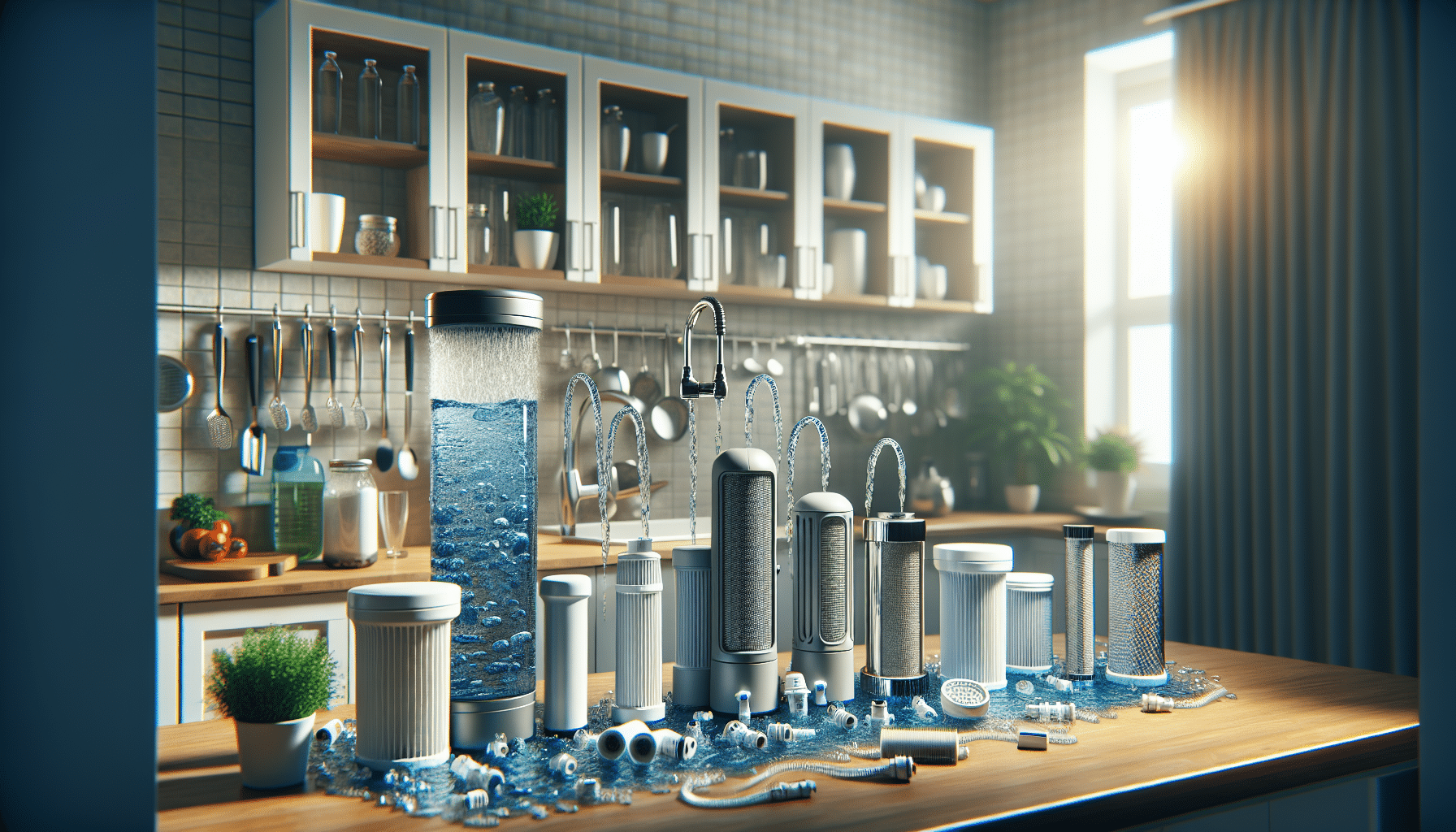
6 Expert Insights on Cost Analysis and Lifespan of Popular Water Filtration Systems for Homes
Selecting the right water filtration system for your home involves understanding not only the filtration technology but also the associated costs and lifespan. In the context of Dubai and the surrounding UAE region, where water quality challenges such as high mineral content and microbial contamination are common, a thorough Cost Analysis and lifespan of popular water filtration systems for homes is essential.
This article dives deep into the pricing structures, lifecycle expectations, and key factors influencing costs for various residential water filtration options. From point-of-use units to whole-house systems, we will explore what homeowners should anticipate both upfront and ongoing to make an informed decision.
Understanding these considerations ensures you choose a water filtration system that balances performance, affordability, and durability, optimised for domestic water conditions prevalent in the UAE and Saudi Arabia.
Understanding Cost Analysis and Lifespan of Popular Water Filtration Systems for Homes
Water filtration systems vary significantly in both initial investment and ongoing expenses. This variation stems from the diverse technologies, capacities, and applications designed to target specific water quality issues. In Dubai and similar GCC climates, water treatment must address high salinity, microbial contamination, and intermittent water supply issues.
A comprehensive cost analysis and lifespan of popular water filtration systems for homes requires considering:
- Upfront purchase price and installation costs
- Replacement filter or media costs and frequency
- System durability and projected lifespan
- Operating expenses such as electricity (for powered systems)
- Maintenance requirements and professional servicing fees
These elements cumulatively define the total cost of ownership (TCO) for each filtration solution over its lifecycle. Understanding how these costs interrelate helps consumers avoid short-term savings that lead to long-term expenses.
Common Types of Home Water Filtration Systems and Their Costs
There are multiple water filtration technologies serving different points of application in the home:
Point-of-Use Systems
Installed at a single outlet such as kitchen faucets or under the sink. These systems typically use activated carbon, sediment filters, or reverse osmosis membranes.
Whole-House Water Filtration Systems
Installed at the main water entry, these systems treat water for the entire home and usually combine multiple filtration stages to address wide-ranging contaminants.
Popular Filtration Technologies
- Activated Carbon Filters: Effective at removing chlorine, organic compounds, and improving taste.
- Reverse Osmosis (RO): Uses semipermeable membranes to remove dissolved solids and microbes.
- Ultraviolet (UV) Disinfection: Uses UV light to deactivate bacteria and viruses.
- Ion Exchange Systems: Often used for water softening to reduce hardness minerals.
Each system differs notably in upfront cost and lifespan, making this knowledge vital for budgeting.
Factors Impacting the Cost and Lifespan of Water Filtration Systems
Several key factors affect both pricing and the effective service life of water filtration units:
Water Quality and Contaminant Levels
High levels of sediment, salinity, or microbial contamination necessitate advanced filtration stages or more frequent media replacement, increasing both costs and reducing filter lifespans.
System Capacity and Flow Rate
Higher capacity systems that serve larger homes or multiple bathrooms naturally cost more and may have longer service lives due to robust construction.
Filter Media and Technology Quality
Premium-grade filters certified to NSF or ANSI standards often command higher prices but provide longer life and better contaminant removal.
Installation Complexity
Homes with complex plumbing layouts or with well water systems may require additional components and labour, adding to installation costs.
Maintenance and Replacement Schedule
The interval between filter replacements and system servicing directly affects the total ongoing cost and determines operating longevity.
Detailed Cost Breakdown of Popular Water Filtration Systems
| Filtration System Type | Initial Unit Cost (AED) | Installation Cost (AED) | Annual Maintenance & Filter Replacements (AED) | Typical Lifespan |
|---|---|---|---|---|
| Basic Point-of-Use (Activated Carbon/Faucet Filters) | 150 – 550 | 200 – 400 | 100 – 200 | 1 – 3 years |
| Under-Sink Reverse Osmosis Systems | 1,200 – 3,500 | 500 – 1,200 | 400 – 700 | 5 – 10 years |
| Whole-House Filtration Systems (Multi-stage) | 3,000 – 10,000+ | 1,000 – 2,500 | 400 – 1,000 | 8 – 15 years |
| UV Disinfection Units (Point-of-Use or Whole-House) | 1,800 – 3,500 | 700 – 1,500 | 300 – 600 | 4 – 8 years (bulb replacement 1-2 years) |
| Water Softeners (Ion Exchange) | 2,500 – 7,000 | 1,000 – 2,500 | 300 – 600 | 10 – 15 years |
Table data are based on market surveys for the UAE and Saudi Arabia region and reflect typical unit prices and installation fees in AED. Annual maintenance includes filter replacements, media recharge, bulb replacements for UV units, and occasional professional servicing.
Expected Lifespan and Maintenance Requirements
The cost analysis and lifespan of popular water filtration systems for homes cannot be complete without understanding maintenance impact:
- Filter Replacement Frequency: Activated carbon filters often require 3–6 monthly changes, whereas RO membranes last 2–3 years.
- System Cleaning: Regular sanitisation prevents microbial buildup, critical in humid climates like Dubai.
- Replacement Parts: UV lamps generally need replacement every 12 to 24 months to maintain efficacy.
- Professional Servicing: Annual or biannual checks by certified technicians ensure system longevity and performance, especially for complex setups.
Neglecting maintenance significantly shortens system lifespan and compromises water quality, increasing long-term costs beyond initial estimates.
Choosing the Best Water Filtration System for Your Home in Dubai
Dubai’s water quality challenges—high salinity, residual chlorine, and potential microbial risks—require careful selection based on:
- Water Source: City water versus well water influences system choice.
- Contaminant Profile: Testing to identify specific pollutants guides filtration type.
- Usage Requirements: Single tap filtration may suffice for minimal use; whole-house filtration suits larger homes or sensitive occupants.
- Budget and Maintenance Commitment: Balancing upfront costs with ongoing expenses.
Through expert water testing and consultation, homeowners can match filtration technologies to their specific needs, optimising cost-effectiveness and health outcomes.
Expert Tips for Cost-Effective Water Filtration
- Invest in Quality Certified Systems: Look for NSF/ANSI certifications to ensure efficacy and durability.
- Understand Replacement Intervals: A cheaper system with frequent filter changes might cost more long-term.
- Schedule Regular Maintenance: Professional servicing prevents premature system failure and contamination risk.
- Consider Pre-Filtration: Installing sediment pre-filters can extend the life of advanced filters.
- Plan for Total Cost of Ownership: Include installation, parts, electricity (if powered), and service fees.
- Leverage Local Expertise: Water quality varies widely in GCC; work with trusted local professionals familiar with regional challenges.
Conclusion: Cost Analysis and Lifespan of Popular Water Filtration Systems for Homes
In summary, a detailed cost analysis and lifespan of popular water filtration systems for homes reveals that upfront price is only part of the picture. Understanding ongoing maintenance, replacement frequency, and system durability is critical to a smart investment.
For residents in Dubai, Abu Dhabi, and wider Gulf regions, the unique water quality challenges emphasise the need for carefully tailored solutions that balance cost, performance, and longevity. Choosing certified systems, adhering to maintenance schedules, and factoring in total ownership costs can safeguard both health and budget.
With informed decisions grounded in comprehensive cost and lifespan analysis, homeowners can enjoy safe, clean water reliably for many years to come.

JV de Castro, IAC2
JV de Castro is the Chief Technology Officer at Saniservice, where he leads innovation in indoor environmental sciences, IT infrastructure, and digital transformation. With over 20 years of experience spanning architecture, building science, technology management, digital media architecture, and consultancy, he has helped organizations optimize operations through smart solutions and forward-thinking strategies. JV holds a Degree in Architecture, a Masters of Research in Anthropology, an MBA in Digital Communication & Media, along with certifications in mold, building sciences and advanced networking. Passionate about combining technology, health, and sustainability, he continues to drive initiatives that bridge science, IT, and business impact.



Leave a Reply