


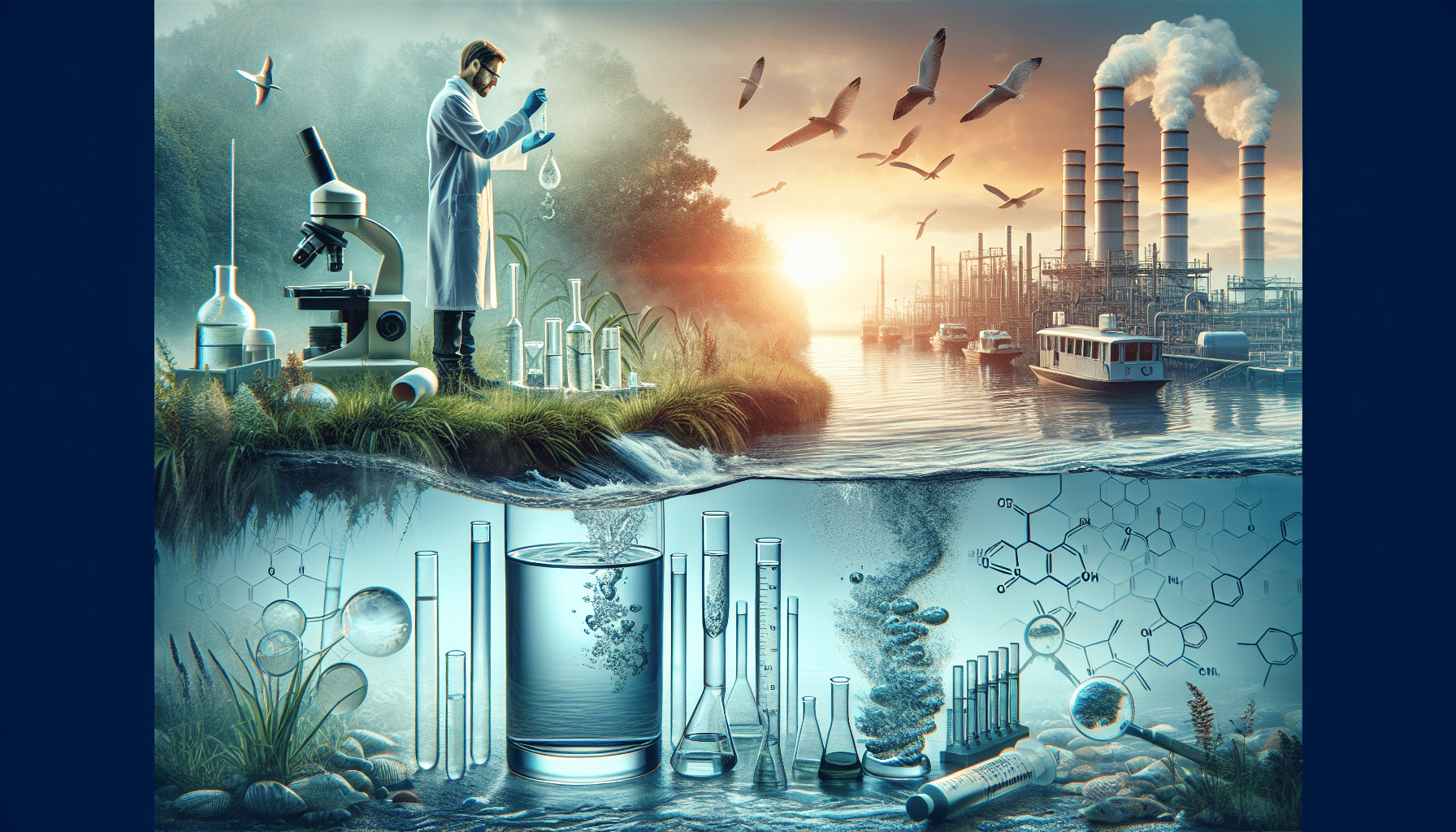
Dangerous Significance of Water Quality in Environmental Health Risk Assessments: 6 Critical Steps You Need to Follow
Ensuring the safety and cleanliness of water in our buildings and communities is not merely a matter of regulatory compliance—it’s a fundamental component of public health. The Significance of Water quality in environmental health risk assessments cannot be overstated, as waterborne contaminants can lead to serious health issues, including gastrointestinal infections, reproductive problems, and neurological disorders. In regions like Dubai, Abu Dhabi, and Riyadh, where water quality faces unique challenges due to climate and infrastructural factors, understanding and managing these risks is all the more critical.
Understanding the Significance of Water Quality in Environmental Health Risk Assessments
Water quality plays a pivotal role in environmental health, acting as both a source of nourishment and a potential vehicle for disease. Contaminants such as bacteria, heavy metals, and chemical pollutants can not only cause immediate health issues but also have long-term developmental and reproductive impacts. In fast-developing regions like the United Arab Emirates and Saudi Arabia, the intersection of rapid urbanization, desalination practices, and water storage methods add layers of complexity to water quality management.
6 Critical Steps for Water Quality Assessment
Step 1: Identify Potential Sources of Contamination
Begin by mapping out all potential sources of water contamination, including plumbing systems, storage tanks, and external water supply sources. Pay special attention to biofilm formation in water tanks, a common issue in warmer climates.
Step 2: Conduct Comprehensive Testing
Utilize a range of tests to assess the water for bacteria (such as E. coli and Legionella), metals (like lead and arsenic), and chemical contaminants (including VOCs). Regularly scheduled testing helps in early detection and management of potential risks.
Step 3: Evaluate Water Treatment Systems
Review the effectiveness of existing water treatment systems. For regions reliant on desalinated water, ensuring the removal of salts and other contaminants is crucial for health.
Step 4: Implement Corrective Measures
If water quality issues are identified, promptly implement corrective measures. This may involve repairing leaks, cleaning and disinfecting water storage tanks, or upgrading filtration systems.
Step 5: Educate Stakeholders
Engage with homeowners, property managers, and the community about the importance of water quality and the measures taken to ensure safe water supply. This fosters a collective approach to water safety.
Step 6: Develop a Water Quality Management Plan
Create a comprehensive plan that includes regular monitoring, maintenance schedules for water storage and piping, and protocols for responding to water quality issues. This plan should be regularly reviewed and updated.
Practical Tips for Enhancing Water Quality
- Regularly clean and inspect water storage tanks.
- Consider installing UV purification units for additional safety.
- Use water filters at point-of-use locations, especially in areas with known contamination risks.
Case Studies and Examples
Referencing local case studies, such as the successful implementation of advanced filtration systems in Dubai schools, can provide practical insights into effective water quality management strategies.
Understanding the Local Context: Importance for the Middle East Region
In the Middle East, factors such as reliance on desalinated water, high ambient temperatures affecting water storage, and rapid urbanization emphasize the need for localized water quality management practices. Tailoring strategies to fit these unique conditions is key to effective environmental health risk assessments.
Conclusion
Assessing and managing water quality is a fundamental aspect of environmental health risk assessments. By following the outlined steps and adapting strategies to local contexts, we can significantly mitigate health risks associated with waterborne contaminants. Ensuring the safety of our water supplies is not only a matter of compliance but a crucial responsibility towards public health.

JV de Castro, IAC2
JV de Castro is the Chief Technology Officer at Saniservice, where he leads innovation in indoor environmental sciences, IT infrastructure, and digital transformation. With over 20 years of experience spanning architecture, building science, technology management, digital media architecture, and consultancy, he has helped organizations optimize operations through smart solutions and forward-thinking strategies. JV holds a Degree in Architecture, a Masters of Research in Anthropology, an MBA in Digital Communication & Media, along with certifications in mold, building sciences and advanced networking. Passionate about combining technology, health, and sustainability, he continues to drive initiatives that bridge science, IT, and business impact.




Leave a Reply