



Key Building Design’s Role in Minimizing Indoor Environmental Risks: 11 Essential Insights
An intelligent approach to building design is crucial for creating indoor environments that support health and wellbeing. Given the significant amount of time people spend indoors, especially in urban centers like Dubai and Abu Dhabi, understanding Building Design’s Role in Minimizing Indoor Environmental Risks has never been more critical. This article delves into 11 key ways through which architecture and design can mitigate risks associated with indoor air quality, mold growth, and other environmental health hazards.
Why Building Design Matters
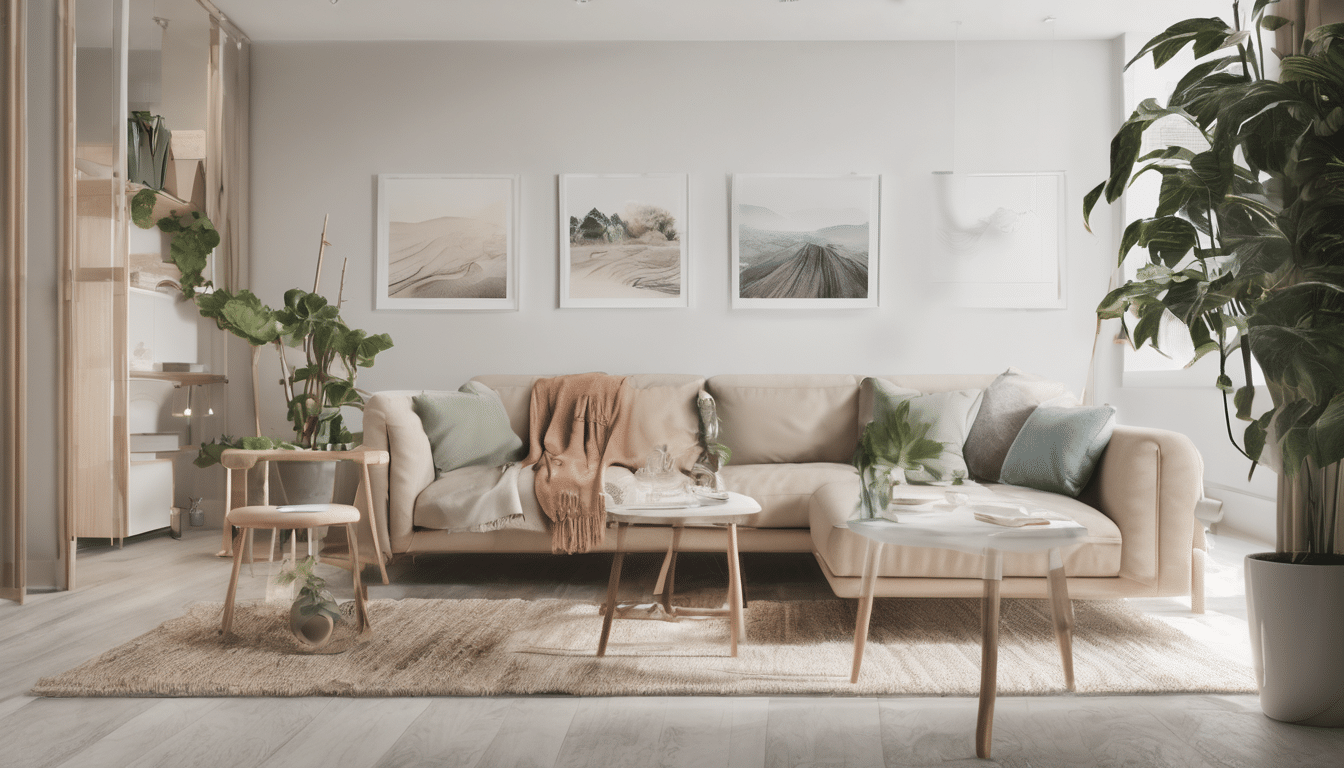
Building design lays the foundation for indoor environmental health. Structures designed with environmental health in mind can prevent the accumulation of pollutants, enhance natural light, and improve air quality, significantly reducing the risk of health issues related to poor indoor environments.
Maximizing Natural Ventilation
Strategic design elements such as windows, ventilation shafts, and atriums can maximize natural ventilation, reducing dependency on mechanical ventilation systems that can harbor and circulate pollutants.
Utilizing Sustainable Materials
Choosing low-emission materials for construction and interior fittings can drastically reduce the presence of volatile organic compounds (VOCs) and other harmful chemicals indoors, safeguarding the health of occupants.
Incorporating Green Space
Integrating plant life and green spaces within and around buildings is not just aesthetically pleasing; it also plays a critical role in purifying the air, reducing carbon dioxide levels, and mitigating indoor pollution.
Thermal Imaging for Assessment
Utilizing thermal imaging technology in the design phase can identify potential thermal bridging and insulation gaps that contribute to moisture problems and energy inefficiency, leading to mold growth and increased environmental health risks.
Radon Mitigation Strategies
Incorporating radon mitigation measures in the design of new buildings, especially in radon-prone areas such as parts of Dubai and Riyadh, can prevent this harmful gas from entering indoor environments, significantly reducing lung cancer risk.
Mold Prevention Techniques
Designs that consider moisture control, such as sloped surfaces for water runoff, adequate waterproofing, and humidity control systems, can prevent mold growth, protecting indoor air quality.
VOC Reduction Methods
Specifying low-VOC paints, adhesives, and furnishings in building designs contributes significantly to reducing indoor air contamination and the health risks associated with VOC exposure.
Enhancing Water Quality
Designing water systems that prevent stagnation and incorporate effective filtration can improve water quality, reducing the risk of waterborne diseases and exposure to water contaminants.
Smart Building Technologies
Advanced building technologies that monitor and control indoor environments can help maintain optimal levels of temperature, humidity, and air quality, adjusting conditions in real-time for the health and comfort of occupants.
Periodic Environmental Assessments
Integrating environmental health assessment points into building designs allows for periodic checks of indoor air quality, water quality, and the structural integrity of a building, ensuring that Environmental Health Risks are managed proactively.
In conclusion, thoughtful building design plays an indispensable role in minimizing indoor environmental risks. By integrating these 11 key strategies, architects and designers can create safer, healthier indoor spaces that protect and enhance the wellbeing of occupants in urban centers like Dubai and the broader MENA region. Through a commitment to sustainable, health-focused design principles, the construction industry can lead the way in promoting environmental health and resilience in the face of changing global conditions.

JV de Castro, IAC2
JV de Castro is the Chief Technology Officer at Saniservice, where he leads innovation in indoor environmental sciences, IT infrastructure, and digital transformation. With over 20 years of experience spanning architecture, building science, technology management, digital media architecture, and consultancy, he has helped organizations optimize operations through smart solutions and forward-thinking strategies. JV holds a Degree in Architecture, a Masters of Research in Anthropology, an MBA in Digital Communication & Media, along with certifications in mold, building sciences and advanced networking. Passionate about combining technology, health, and sustainability, he continues to drive initiatives that bridge science, IT, and business impact.


Leave a Reply