



Critical Guide to Interpreting Indoor Air Quality Test Results for Accurate RCA: 10 Essential Insights
An accurate interpretation of indoor air quality (IAQ) test results is not just about identifying the contaminants present in a space but understanding their origins and the potential implications for occupant health and building integrity. This critical guide provides a structured approach to interpreting IAQ test results for accurate root cause analysis (RCA), tailored to the unique challenges faced in the UAE and surrounding regions.
Introduction into IAQ Testing
Indoor Air Quality (IAQ) testing in the UAE is pivotal due to its unique desert climate, high humidity levels, and reliance on air conditioning systems which can affect air circulation and quality. IAQ tests assess the air for contaminants such as mold, VOCs (Volatile Organic Compounds), particulate matter, and radon. Understanding these test results is essential for maintaining a healthy indoor environment.
Importance of Accurate RCA
Conducting a Root Cause Analysis (RCA) based on IAQ test results uncovers the primary sources of contamination. Accurate RCA prevents recurrent issues, reduces health risks, and ensures the longevity of building materials and structures. It prioritizes solutions that address the core of the problem rather than its symptoms.
Interpreting Test Results
Interpreting IAQ test results involves analyzing data on various pollutants and understanding their specific health implications and building impact. Each contaminant – mold, VOCs, radon, or particulate matter – has unique sources and requires tailored investigative approaches for accurate RCA.
Determining Mold Growth Origins
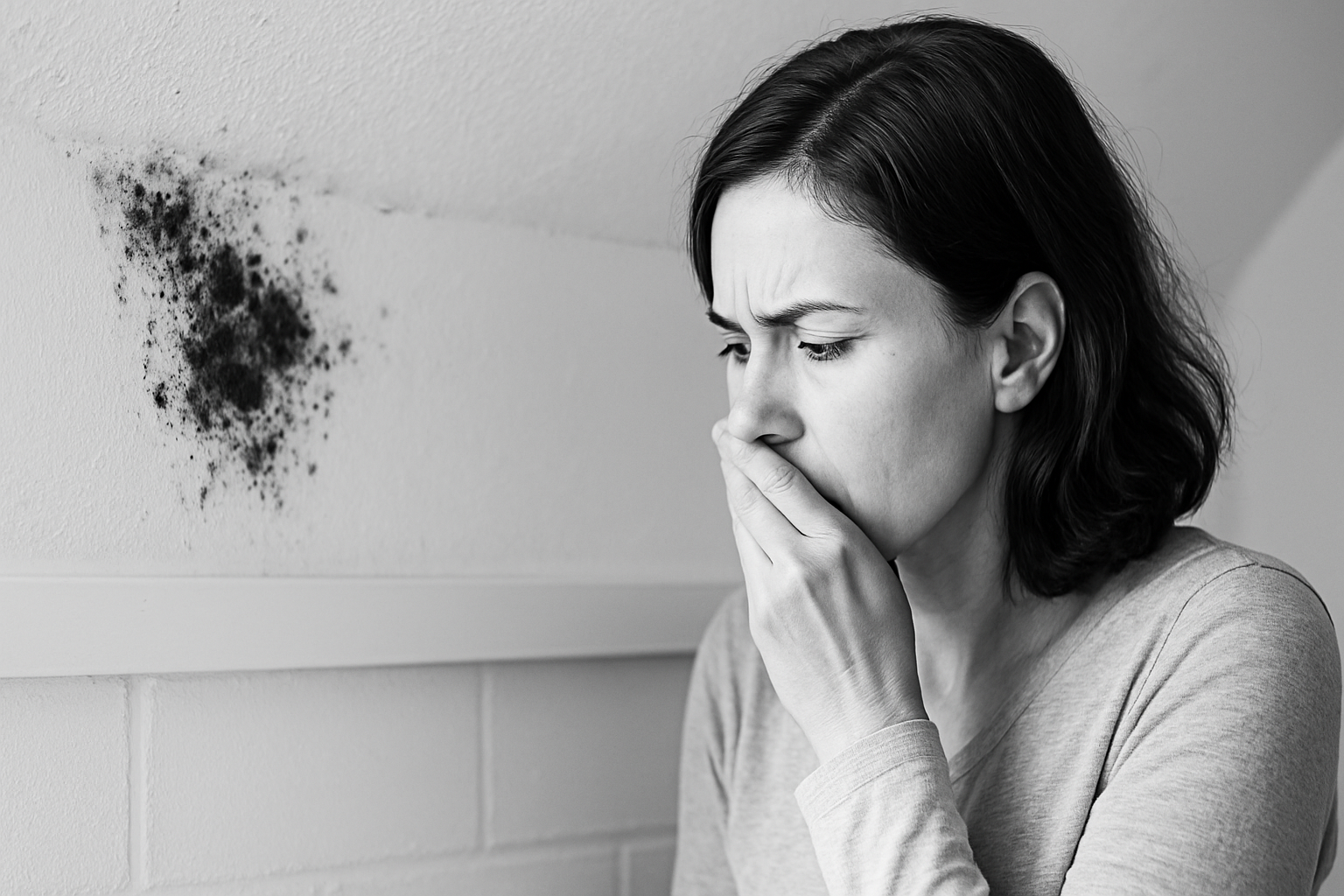
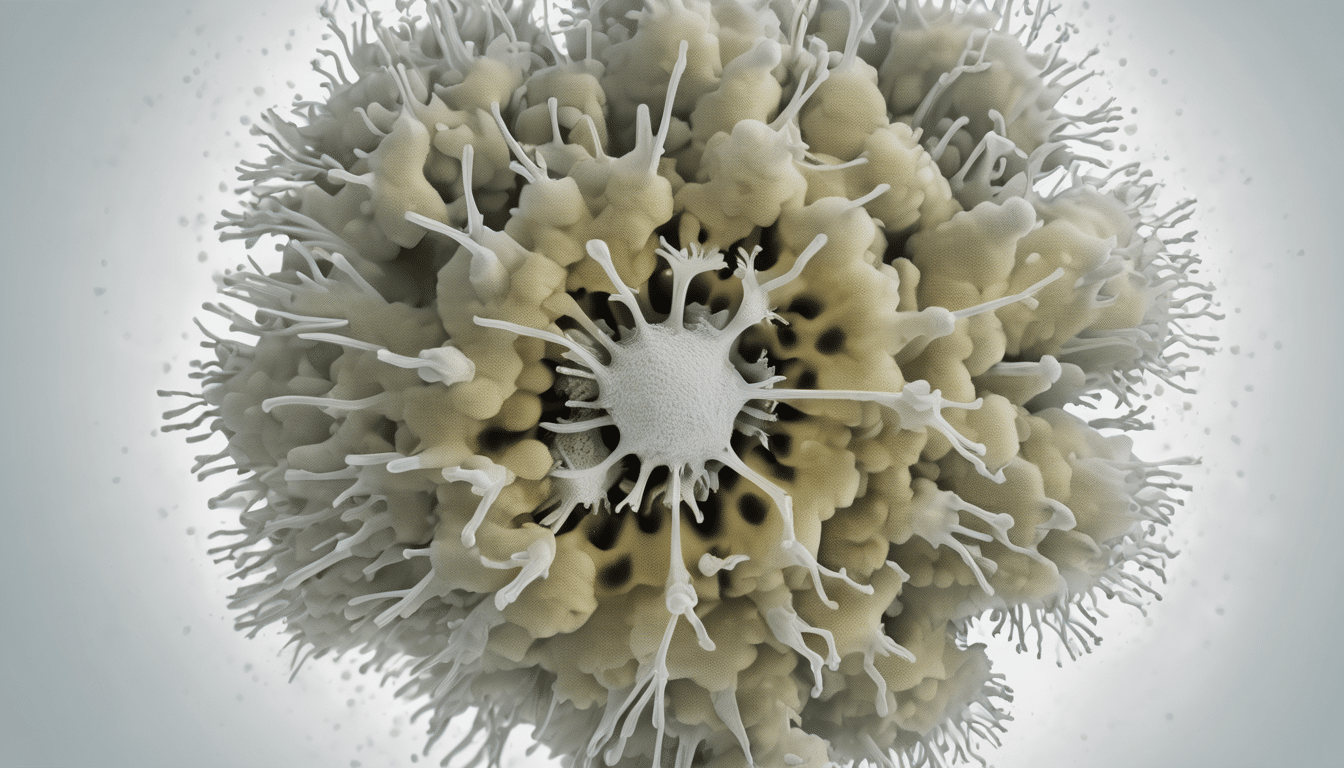
Mold growth origins often relate to moisture issues, making leak detection and moisture mapping via thermal imaging crucial steps. Understanding the humidity dynamics within a building helps identify unseen moisture sources contributing to mold proliferation.
The Role of Building Materials
Certain building materials can compromise indoor environmental health by off-gassing VOCs or harboring mold growth due to their porous nature. Accurate RCA identifies these materials as potential sources of indoor air pollution.
Thermal Imaging Techniques
Thermal imaging is an invaluable tool for uncovering hidden structural defects, such as thermal bridging and insulation gaps, which can contribute to moisture problems and, subsequently, air quality issues.
Radon Testing in UAE Homes
Radon, an invisible and odorless gas, poses significant health risks. Radon testing is critical in the UAE, particularly in areas with radon-emitting construction materials. Understanding test results is imperative for mitigating exposure.
Implementing Solutions Post-RCA
Following a thorough RCA, implementing remediation measures such as improving ventilation, fixing leaks, and using air purifiers or dehumidifiers is essential to resolving IAQ issues. Maintenance and preventive strategies play key roles in ensuring long-term indoor air quality.
Cost Analysis for IAQ Assessment
The cost of IAQ assessment and RCA in the UAE depends on several factors, including the size of the property, the complexity of the HVAC system, and the range of contaminants tested. Here’s a breakdown of potential costs:
| Service | Average Cost Range (AED) |
|---|---|
| Basic IAQ Testing | 1,500 – 3,000 |
| Comprehensive IAQ Testing & RCA | 3,500 – 6,000 |
| Thermal Imaging Survey | 2,000 – 4,500 |
| Radon Testing | 1,200 – 2,500 |
These costs reflect the detailed analysis required to identify and remediate indoor air quality issues effectively.
For more information, visit this resource.
Conclusion
Interpreting IAQ test results accurately for a comprehensive root cause analysis is critical in environments like the UAE, where unique regional factors exacerbate indoor air quality challenges. A systematic approach to IAQ testing and RCA enables homeowners and professionals to implement effective solutions for creating healthier indoor spaces. By addressing the root causes of poor air quality, we protect our health and ensure our buildings are safe, comfortable places to live and work in.

JV de Castro, IAC2
JV de Castro is the Chief Technology Officer at Saniservice, where he leads innovation in indoor environmental sciences, IT infrastructure, and digital transformation. With over 20 years of experience spanning architecture, building science, technology management, digital media architecture, and consultancy, he has helped organizations optimize operations through smart solutions and forward-thinking strategies. JV holds a Degree in Architecture, a Masters of Research in Anthropology, an MBA in Digital Communication & Media, along with certifications in mold, building sciences and advanced networking. Passionate about combining technology, health, and sustainability, he continues to drive initiatives that bridge science, IT, and business impact.

Leave a Reply