



Key Indoor Mold Types and Health Risks: A Detailed Analysis: 5 Things You Need to Know
Indoor Mold Types and their associated health risks represent a critical concern for homeowners, especially in climates like Dubai, Abu Dhabi, and the broader UAE where high humidity levels can foster mold growth. This detailed analysis aims to shed light on the various types of indoor molds and the health risks they pose, equipping you with the knowledge needed to tackle this invisible threat effectively.
Introduction to Indoor Mold
Mold is a type of fungus that reproduces through the spread of tiny spores that float through the air. Indoors, mold needs moisture to grow and can become a problem in homes with humidity levels over 60%, water leakage, or inadequate ventilation. Mold growth can damage building materials and belongings and, more importantly, pose health risks to the occupants.
Common Indoor Mold Types
Different mold species have adapted to thrive indoors, each with unique characteristics and health implications. Here are five common types:
- Aspergillus: Common in air conditioning systems and can cause allergic reactions and respiratory infections.
- Cladosporium: Prefers cooler temperatures and can be found on fabrics and wooden surfaces, leading to allergies and asthma.
- Penicillium: Known for its blue or green appearance on food, it can also grow on walls and insulation, causing allergies.
- Stachybotrys: Also known as ‘black mold,’ it thrives in wet areas and can produce mycotoxins that pose serious health risks.
- Alternaria: Typically found in showers and under sinks, it can cause allergic reactions and asthma attacks.
Health Risks Associated with Indoor Mold
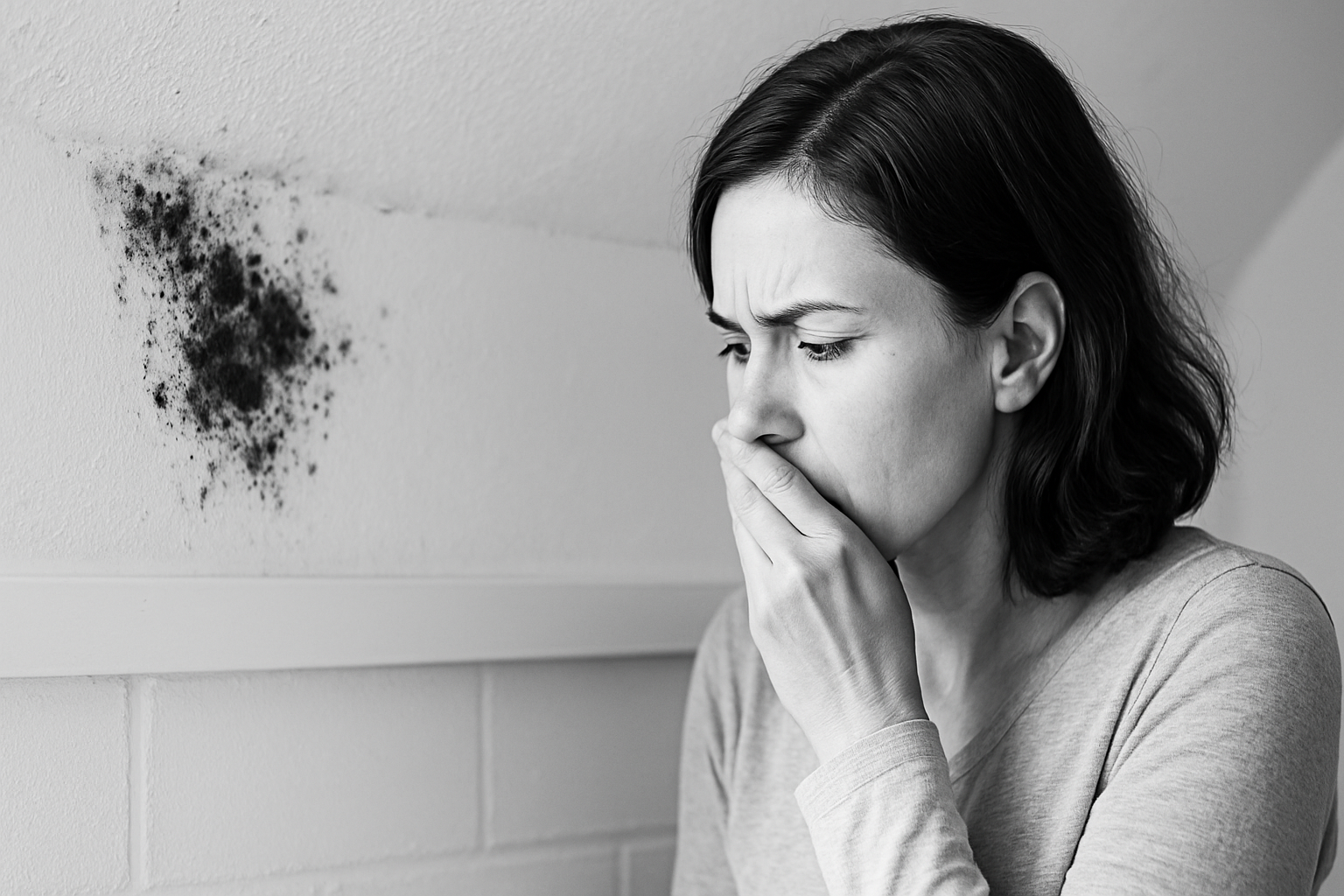
Exposure to mold can lead to a variety of health issues, ranging from mild allergic reactions to severe respiratory infections. People with asthma, allergies, or immune deficiencies are particularly at risk. Symptoms of mold exposure can include sneezing, coughing, respiratory infections, and in severe cases, mycotoxin poisoning.
<h2 id="prevention-and-control-strategies“>Prevention and Control Strategies
Managing indoor humidity levels, ensuring proper ventilation, and promptly addressing water leaks are crucial strategies for preventing mold growth. For existing mold, professional remediation may be necessary, especially in cases of large infestations or the presence of toxic mold types like Stachybotrys.
Case Studies and Real-Life Examples
Examining real-life cases of mold investigation and remediation in the UAE provides practical insights into the challenges and solutions associated with mold in arid and semi-arid climates. Professional assessments often reveal hidden mold sources, emphasizing the importance of expert evaluation and targeted action.
Final Thoughts
Indoor mold types and the health risks they pose represent a significant environmental health issue. With the proper knowledge and strategies, however, it is possible to control mold growth and minimize its impact on health and property. For residents of the UAE and similar climates, understanding and addressing indoor mold is a key component of maintaining a healthy living environment.

JV de Castro, IAC2
JV de Castro is the Chief Technology Officer at Saniservice, where he leads innovation in indoor environmental sciences, IT infrastructure, and digital transformation. With over 20 years of experience spanning architecture, building science, technology management, digital media architecture, and consultancy, he has helped organizations optimize operations through smart solutions and forward-thinking strategies. JV holds a Degree in Architecture, a Masters of Research in Anthropology, an MBA in Digital Communication & Media, along with certifications in mold, building sciences and advanced networking. Passionate about combining technology, health, and sustainability, he continues to drive initiatives that bridge science, IT, and business impact.



Leave a Reply