



Expert Radon Testing in UAE Homes: Understanding the Invisible Risk – 3 Essential Insights
Radon is an invisible, odorless, and tasteless radioactive gas that poses significant health risks, including lung cancer. In the rapidly urbanizing landscapes of the United Arab Emirates (UAE), including Dubai, Abu Dhabi, and adjacent regions, understanding and mitigating the risk of radon in homes is paramount for ensuring public health and safety. This article delves into the critical insights into Radon Testing in UAE homes, emphasizing the need for awareness, regular monitoring, and effective mitigation strategies to protect residents in this dynamic region.
Introduction to Radon: The Silent Hazard
Radon is a radioactive gas that results from the natural breakdown of uranium in soil, rock, and water. It seeps into buildings through cracks and holes in the foundation and becomes trapped indoors, where it can accumulate to harmful levels. Prolonged exposure to high levels of radon can lead to lung cancer. In the UAE’s desert climate, unique geological formations and rapid construction practices may influence radon levels in homes and buildings.
Importance of Radon Testing in UAE Homes
Given the health risks associated with radon exposure and the lack of sensory cues to its presence, testing is the only way to detect radon levels within UAE homes accurately. Regular radon testing allows for timely intervention and mitigation strategies to reduce radon levels, thereby protecting the health of residents and complying with public health guidelines.
Radon Testing Methods and Technologies
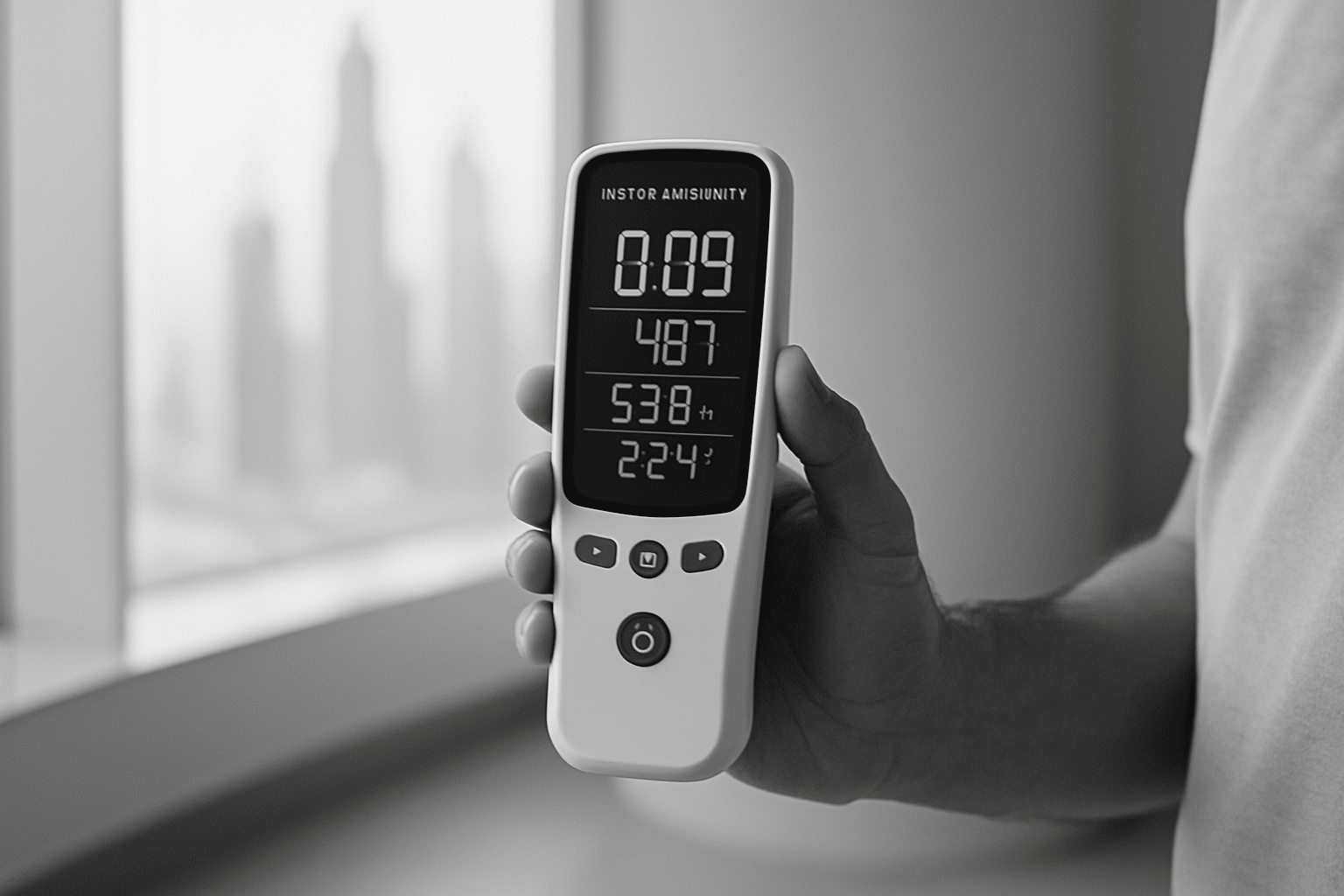
Several methods exist for radon testing, ranging from short-term detectors for quick assessments to long-term monitors that provide a more comprehensive picture of radon exposure over time. Advanced technologies, including radon sumps, active soil depressurization systems, and continuous radon monitors, offer both detection and mitigation capabilities, tailored to the specific needs and structures common in the UAE’s varied architectural landscape.
Interpreting Radon Test Results
Understanding radon test results is crucial for assessing the risk and determining the need for mitigation measures. The World Health Organization (WHO) recommends action to reduce radon levels if they exceed 100 Bq/m3, a guideline value that many countries, including those in the UAE, consider while formulating local regulations and recommendations.
Radon Mitigation Strategies for UAE Homes
Effective radon mitigation strategies vary depending on the structure’s design and construction specifics. Techniques such as improving under-floor ventilation, sealing cracks and openings in the foundation, and installing radon mitigation systems can significantly reduce radon levels, ensuring safer indoor air quality for UAE residents.
Local Regulations and Guidelines on Radon
In response to the increasing awareness of radon’s health impacts, UAE authorities have developed guidelines and regulations aimed at managing radon risk in new and existing buildings. These regulations are designed to integrate seamlessly with the UAE’s standards for environmental health and safety, emphasizing the importance of regular testing and effective mitigation.
Case Studies: Radon Detection and Mitigation in the UAE
Examining case studies within the UAE context provides invaluable insights into practical approaches to radon detection and mitigation. These narratives highlight the challenges and successes encountered by professionals in adapting radon mitigation strategies to the local climate and construction practices, offering lessons for homeowners, builders, and regulators alike.
Conclusion and Recommendations
Radon testing in UAE homes is an essential component of comprehensive indoor environmental health management. By understanding radon’s risks, employing effective testing and mitigation strategies, and adhering to local guidelines, the UAE can continue to safeguard its residents against this invisible danger. Residents are encouraged to conduct regular radon testing and to consult with indoor environmental health professionals for tailored advice and solutions.

JV de Castro, IAC2
JV de Castro is the Chief Technology Officer at Saniservice, where he leads innovation in indoor environmental sciences, IT infrastructure, and digital transformation. With over 20 years of experience spanning architecture, building science, technology management, digital media architecture, and consultancy, he has helped organizations optimize operations through smart solutions and forward-thinking strategies. JV holds a Degree in Architecture, a Masters of Research in Anthropology, an MBA in Digital Communication & Media, along with certifications in mold, building sciences and advanced networking. Passionate about combining technology, health, and sustainability, he continues to drive initiatives that bridge science, IT, and business impact.


Leave a Reply