



5 Essential Remediation Strategies for Mycotoxin Contamination in Buildings — Protocols and Verification
Remediation Strategies for Mycotoxin Contamination in Buildings — Protocols and Verification represent the cornerstone of restoring safe indoor environments, particularly in humid UAE climates where air conditioning creates ideal conditions for toxic mold byproducts. As CTO of Saniservice and Director of Indoor Sciences in Dubai, I’ve led numerous cases uncovering hidden mycotoxins behind walls in villas across Dubai, Abu Dhabi, and Sharjah. These potent toxins from molds like Stachybotrys can persist even after visible growth removal, demanding precise protocols to eliminate health risks like respiratory issues and oxidative stress.
Mycotoxins require targeted remediation strategies for mycotoxin contamination in buildings — protocols and verification that go beyond standard mold cleanup. In the UAE’s desert heat, where indoor humidity often hits 60-70% under AC, mycotoxin buildup in HVAC systems and wall cavities is common. This guide details 5 essential strategies, pricing in AED, and verification, drawing from our in-house Dubai microbiology lab experience.
Understanding Remediation Strategies for Mycotoxin Contamination in Buildings — Protocols and Verification
Remediation strategies for mycotoxin contamination in buildings — protocols and verification begin with recognising mycotoxins as stable, heat-resistant toxins produced by certain molds under high humidity and organic substrates. In Dubai villas, we’ve found mycotoxins like trichothecenes persisting in dust and porous materials long after mold dies.
Standard mold removal fails here; protocols must include chemical neutralisation and HEPA filtration to capture airborne particles. Verification involves lab analysis confirming toxin levels below safe thresholds, such as those from EPA guidelines adapted for UAE conditions.
Step 1: Initial Assessment and Mycotoxin Detection
Before remediation strategies for mycotoxin contamination in buildings — protocols and verification, conduct a full inspection using thermal imaging to spot hidden moisture in wall-floor junctions, common in Sharjah apartments.
Surface and air sampling targets mycotoxins via ELISA kits or LC-MS lab tests. Costs start at AED 1,500-3,000 for comprehensive assessment in a 200 sqm villa[2][8].
In our Saniservice lab, we prioritise HERTSMI-2 scoring; scores over 10 indicate high risk, triggering full remediation.
Why Detection Matters in UAE Climates
UAE’s constant AC use drops surface temperatures to 10-15°C dew points, fostering mycotoxin-producing molds like Aspergillus in carpet underlays.
The 5 Essential Remediation Strategies for Mycotoxin Contamination in Buildings — Protocols and Verification
Here are the 5 essential remediation strategies for mycotoxin contamination in buildings — protocols and verification, proven in Dubai case studies.
Strategy 1: Source Removal and Containment
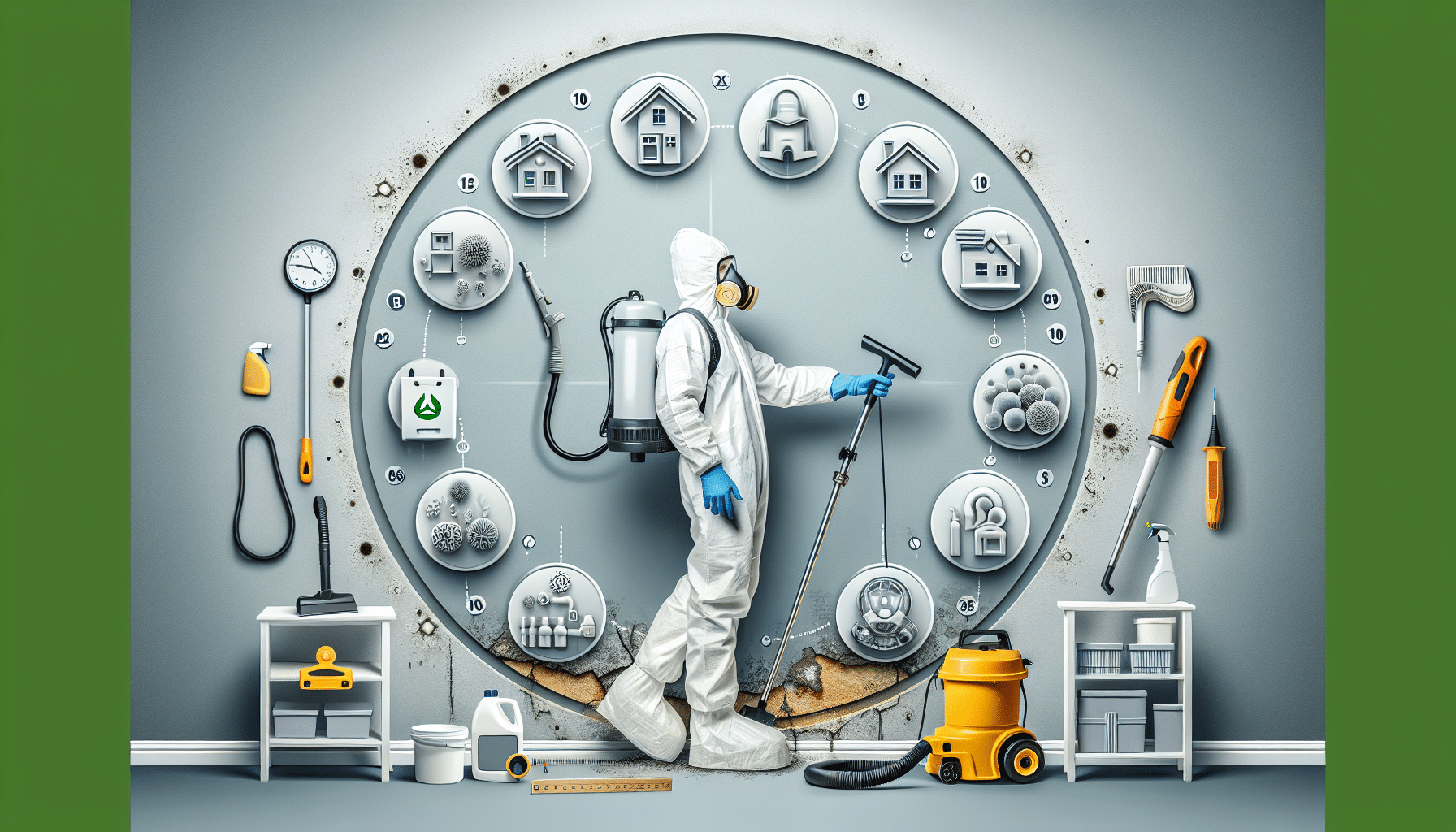
Physically remove contaminated materials like drywall and insulation using full containment with polyethylene sheeting and negative air machines. Protocol: HEPA-vacuum all surfaces post-removal. Effective for mycotoxins bound to porous substrates[1].
Strategy 2: Chemical Neutralisation
Apply EPA-registered biocides like hydrogen peroxide or ammonium compounds, which denature mycotoxins. Avoid ozone—it’s ineffective against mycotoxins and damages materials, as per studies[1]. Dwell time: 30-60 minutes at 20-25°C.
Strategy 3: HVAC System Deep Cleaning
Mycotoxins aerosolise via ducts; protocol includes fogging with antimicrobial agents and HEPA duct cleaning. Critical in Abu Dhabi high-rises where systems recirculate toxins.
Strategy 4: Content Cleaning and HEPA Air Scrubbing
Washable items undergo hot water extraction (60°C+); non-porous surfaces get wiped with detergent solutions. Run HEPA air scrubbers (500 CFM) for 48-72 hours to reduce airborne levels by 90%.
Strategy 5: Building Envelope Repairs
Address root causes like thermal bridging at skirting boards, installing vapour barriers and improving ventilation to below 50% RH.
Cost Factors Affecting Remediation Pricing
Remediation strategies for mycotoxin contamination in buildings — protocols and verification costs in UAE vary by contamination extent, location accessibility, and material types. Small areas (under 10 sqm) range AED 5,000-15,000; whole-villa projects hit AED 50,000-150,000[2][3].
Key factors:
- Size: AED 50-100 per sqm for basic; AED 150+ for mycotoxin-specific[3].
- Accessibility: Hidden cavities in Ras Al Khaimah villas add 20-30%.
- HVAC Involvement: Adds AED 10,000-25,000[6].
- Verification: Post-testing AED 2,000-5,000[2].
UAE labour rates (AED 200-400/hour) and import duties on equipment inflate prices 15-20% over global averages.
Detailed Pricing Table for UAE Projects
Based on Saniservice Dubai projects and industry data adjusted for AED (approx. 20% premium over USD figures)[1][2][3].
| Project Type | Area | Average Cost (AED) | Includes |
|---|---|---|---|
| Small Room (Bathroom) | 5-10 sqm | 5,000-12,000 | Removal, neutralisation, verification |
| Medium (Wall Cavity) | 10-50 sqm | 15,000-40,000 | Containment, HVAC clean, testing |
| Large Villa | 50-200 sqm | 50,000-120,000 | Full protocols, repairs, content clean |
| HVAC Only | Full system | 15,000-35,000 | Fogging, scrubbing, verification |
| Post-Verification | – | 3,000-8,000 | Lab analysis, air/surface tests |
These reflect 2025 UAE market; expect 10% variance by emirate (higher in Dubai/Jeddah).
Post-Remediation Verification Protocols
Verification is non-negotiable in remediation strategies for mycotoxin contamination in buildings — protocols and verification. Use swab, dust, and air sampling; lab results must show <1 µg/g for key mycotoxins like ochratoxin.
Protocol steps:
- Visual inspection (no growth).
- Moisture metre (<16% in materials).
- Mycotoxin panels via LC-MS (AED 2,000-4,000)[8].
- Air quality: <500 spores/m³ total fungi.
Clearance requires two consecutive passes, typically 7-14 days apart.
UAE-Specific Challenges
In humid Fujairah homes, retest after monsoon season (June-August).
Preventing Recurrence in UAE Homes
Post-remediation, maintain <50% RH with dehumidifiers (AED 2,000-5,000). Annual HVAC checks prevent mycotoxin reservoirs. Reference EPA and UAE green building standards.
<h2 id="expert-tips-for-mycotoxin-remediation-success”>Expert Tips for Mycotoxin Remediation Success
- Hire IAC2-certified firms like Saniservice for protocols.
- Budget 20% contingency for hidden spread.
- Avoid DIY—mycotoxins evade bleach[1].
- Document for insurance; DEWA-compliant reports aid claims.
Conclusion
Implementing these remediation strategies for mycotoxin contamination in buildings — protocols and verification ensures long-term indoor health in UAE properties. From AED 5,000 small fixes to AED 120,000 villa overhauls, invest in verified protocols to safeguard families. Contact experts in Dubai or Riyadh for tailored assessments—your home’s hidden toxins demand professional action.

JV de Castro, IAC2
JV de Castro is the Chief Technology Officer at Saniservice, where he leads innovation in indoor environmental sciences, IT infrastructure, and digital transformation. With over 20 years of experience spanning architecture, building science, technology management, digital media architecture, and consultancy, he has helped organizations optimize operations through smart solutions and forward-thinking strategies. JV holds a Degree in Architecture, a Masters of Research in Anthropology, an MBA in Digital Communication & Media, along with certifications in mold, building sciences and advanced networking. Passionate about combining technology, health, and sustainability, he continues to drive initiatives that bridge science, IT, and business impact.


Leave a Reply