



How to Install Home Air Quality Monitors in UAE High-Rises: 10 Essential Steps
In UAE high-rises, where constant air conditioning battles desert dust and humidity spikes, knowing How to Install home air quality monitors in UAE high-rises is vital for family health. As JV de Castro, CTO at Saniservice with over 12 years in Dubai’s indoor sciences, I’ve seen PM2.5 levels soar from construction sand and VOCs off-gas from new furnishings. Proper installation detects these early, preventing oxidative stress and respiratory issues common in towers like those in Downtown Dubai or Jumeirah.
This guide details how to install home air quality monitors in UAE high-rises, drawing from real deployments in 80 Dubai buildings using sensors like Milesight AM308. Whether in Abu Dhabi apartments or Sharjah condos, these steps ensure reliable monitoring of CO2, humidity, and particulates tailored to our 40-50°C summers.
Why Install Home Air Quality Monitors in UAE High-Rises
UAE high-rises face unique challenges: sealed envelopes trap VOCs from carpets and paints, while external dust infiltrates via pressure imbalances. In Dubai and Abu Dhabi towers, CO2 builds up from dense occupancy, hitting 1000+ ppm during evenings. Monitors provide real-time data, alerting to PM2.5 spikes from nearby construction.
From my Saniservice experience auditing villas and high-rises, unmonitored air leads to 15% higher oxidative stress markers. Installing reveals hidden issues like HVAC biocontamination, common in Ras Al Khaimah’s humid coastal towers.[1]
Choosing the Right Monitors for UAE High-Rises
Select 9-in-1 sensors like Milesight AM308 for temperature (0-60°C range suits UAE), humidity, CO2, PM2.5/PM10, VOCs, and pressure. Battery-powered wireless models avoid wiring hassles in rented Dubai apartments costing AED 500-2,000.
Key Features for UAE Climate
- PM2.5 accuracy ±10μg/m³ for dust-heavy air.
- VOC sensitivity for new furniture off-gassing.
- IoT connectivity for app alerts.
Brimit’s systems add cigarette smoke detection, ideal for multi-tenant Sharjah buildings.[6]
Understanding How to Install Home Air Quality Monitors in UAE High-Rises
Mastering how to install home air quality monitors in UAE high-rises means accounting for stack effect—warm air rises, pulling dust upward. Place sensors at breathing height (1.5m) in living rooms and bedrooms. In 50+ storey towers like those in Riyadh, pressure differentials demand sealed units.
Wireless setups dominate, integrating with BMS for automated HVAC response, as in ISTA’s 400-sensor Dubai rollout improving IAQ by 15%.[1]
Preparing for Installation in High-Rise Apartments
Gather tools: screwdriver set, ladder (under 3m for safety), double-sided tape, zip ties. Check strata rules in Jeddah or Fujairah high-rises—no drilling without approval. Budget AED 100-300 for mounts.
Download apps beforehand; test sensors outdoors for baseline UAE air (PM2.5 often 50μg/m³). Calibrate per manufacturer in 25°C, 50% RH.
10-Step Guide: How to Install Home Air Quality Monitors in UAE High-Rises
Follow this proven sequence for flawless how to install home air quality monitors in UAE high-rises. Tailored for Dubai’s AC vents and Ajman layouts.
Step 1: Select Optimal Locations
Choose 4-6 spots: central living area, master bedroom, kitchen, near main return vent. Avoid direct AC blasts or kitchens (false VOC highs). In high-rises, mid-level floors need extra bedroom sensors due to stack effect.[4]
Step 2: Unbox and Charge Devices
Charge batteries (last 2-5 years). Update firmware via app for UAE time zone (GST). Pair with Wi-Fi (2.4GHz preferred in thick-walled towers).
Step 3: Mount Wall Brackets Securely
Use provided brackets at 1.5m height. In Abu Dhabi rentals, opt for adhesive mounts—no residue. Secure with screws in owned units, torquing to 1Nm.
Step 4: Position Sensors for Airflow
Ensure 30cm clearance from walls/vents. Angle toward room centre for representative sampling. Test initial readings; relocate if CO2 >800ppm idle.
Step 5: Connect to Power or Batteries
Insert CR2450 batteries or plug into 220V UAE sockets (Type G). Verify green LED for power.
Step 6: Pair with Wi-Fi Network
In app, scan QR code. Enter password; signal strength must exceed -60dBm in steel-reinforced high-rises. Use mesh extenders if needed (AED 150).
Step 7: Calibrate Sensors
Expose to fresh air (open balcony 10min), then baseline indoors. Auto-calibrate CO2 over 7 days; manual for PM2.5 using clean cloth wipe.
Step 8: Set Alerts and Thresholds
Configure: PM2.5 >35μg/m³ (WHO UAE avg), VOC >500ppb, CO2 >1000ppm, RH 40-60%. Enable push notifications for family apps.
Step 9: Test Data Flow
Monitor 24hrs; compare rooms. Simulate pollution (incense) to verify spikes. Log first report.
Step 10: Integrate and Finalise
Link to BMS if available (common in Riyadh towers). Schedule weekly reviews.[5]
Integrating with Building Systems in UAE Towers
Advanced users link monitors to BMS for auto-ventilation. In Dubai high-rises, Sensgreen platforms tie sensors to HVAC, boosting ACH on poor IAQ.[1] Costs AED 5,000-10,000 professionally.
Common Pitfalls in How to Install Home Air Quality Monitors in UAE High-Rises
Avoid near-cooking zones (false PM highs) or balconies (external dust). Battery drain from 50°C heat—shade units. Wi-Fi dead zones in Fujairah towers need boosters.
False readings from unclean sensors: wipe monthly. Ignore strata Wi-Fi bans; use personal routers.[2]
Maintenance Tips for UAE High-Rise Monitors
Quarterly: vacuum sensors, replace filters (AED 50). Annual calibration by pros like Saniservice (AED 500/unit). Monitor app for firmware updates.
In humid Sharjah, dehumidify storage. Track trends: rising VOCs signal new furniture issues.
Expert Insights from Dubai’s Indoor Sciences
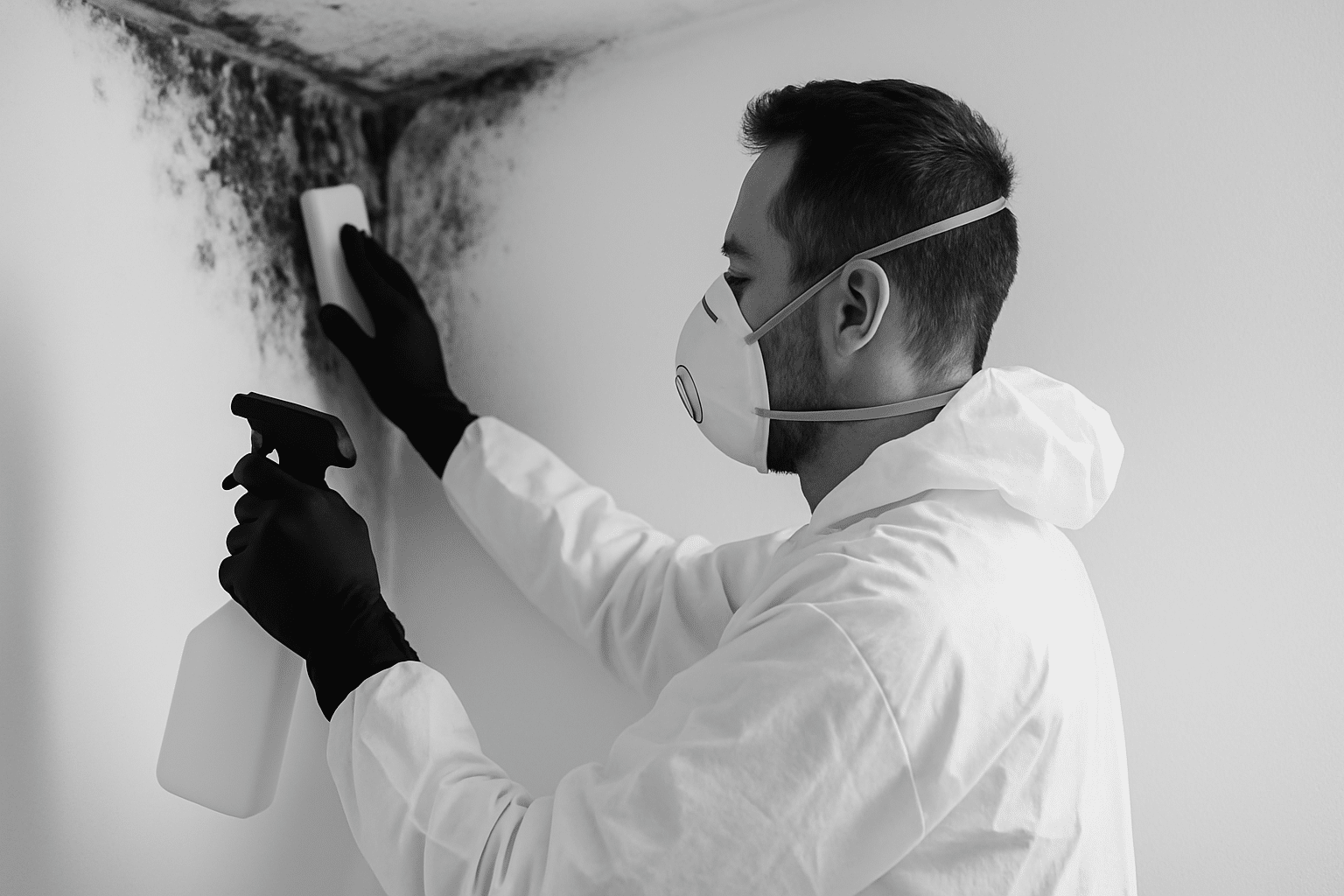
As a certified indoor air consultant, I’ve installed systems revealing hidden mold via RH spikes in Jumeirah high-rises. Data drives action—15% IAQ gains match ISTA cases. Pair with HVAC cleans for full effect.[1]
For pre-purchase in UAE towers, baseline monitoring flags issues early. Suggested reads: Sensgreen case studies[1], Foster Intl IAQ guide[2], Dynamic Ventilation high-rise tips[4].
Key Takeaways for UAE High-Rise Residents
- Prioritise wireless, multi-sensor units for flexibility.
- Test post-install for 48hrs accuracy.
- Integrate data into daily routines for proactive health.
Mastering how to install home air quality monitors in UAE high-rises empowers healthier living in Dubai’s vertical cities. Start today—your family’s breath depends on it.
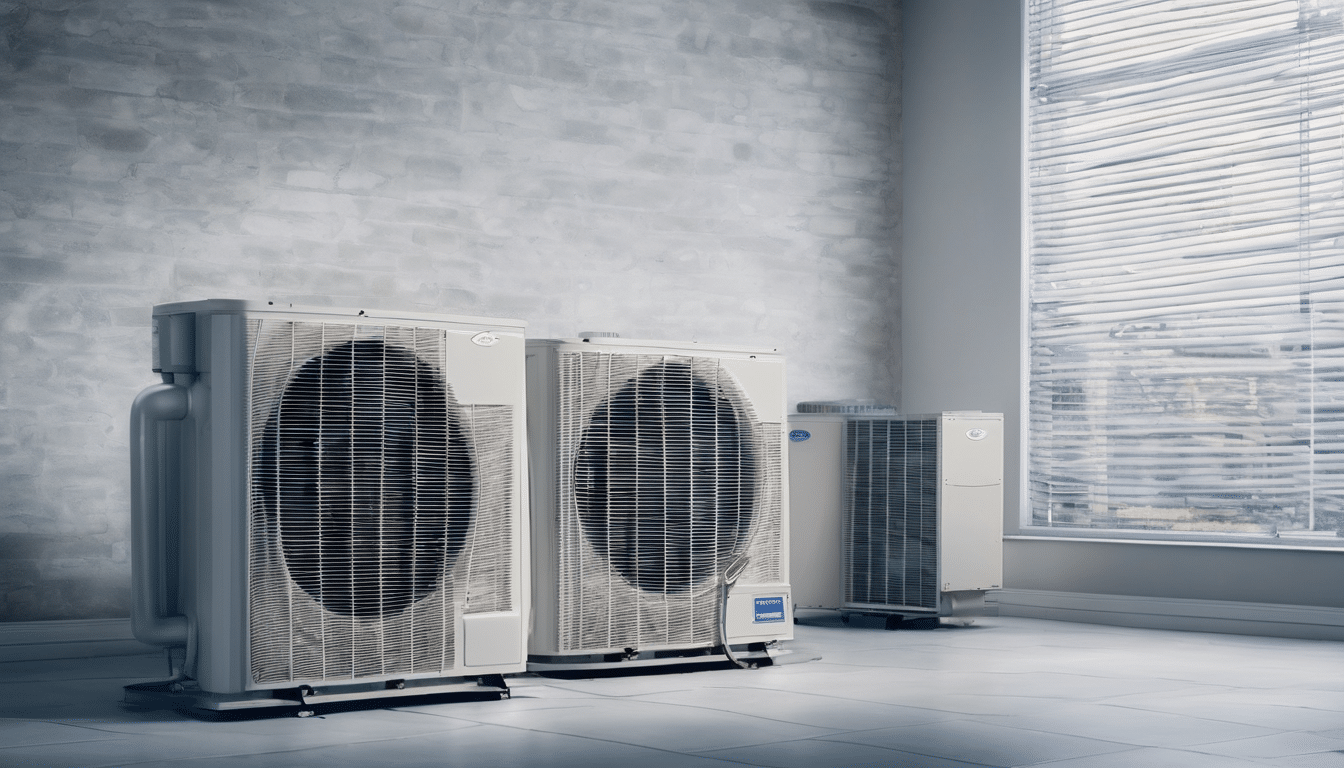
Image alt: How to Install Home Air Quality Monitors in UAE High-Rises – Sensor mounted on Dubai apartment wall near AC vent.

JV de Castro, IAC2
JV de Castro is the Chief Technology Officer at Saniservice, where he leads innovation in indoor environmental sciences, IT infrastructure, and digital transformation. With over 20 years of experience spanning architecture, building science, technology management, digital media architecture, and consultancy, he has helped organizations optimize operations through smart solutions and forward-thinking strategies. JV holds a Degree in Architecture, a Masters of Research in Anthropology, an MBA in Digital Communication & Media, along with certifications in mold, building sciences and advanced networking. Passionate about combining technology, health, and sustainability, he continues to drive initiatives that bridge science, IT, and business impact.


Leave a Reply