



10 Critical Facts on Mycotoxins in Homes: Health Risks, Symptoms, and Clinical Testing
Mycotoxins in Homes: Health Risks, Symptoms, and Clinical Testing is a critical concern for UAE homeowners, especially in humid Dubai villas where air conditioning creates ideal mold growth conditions. These toxic compounds, produced by certain molds, can infiltrate air, surfaces, and dust, leading to widespread exposure. As CTO of Saniservice with our in-house microbiology lab, I’ve investigated countless cases revealing how mycotoxins silently affect families.
In the UAE’s hot, humid climate—often exceeding 40°C with high relative humidity indoors—mycotoxins thrive behind walls or in HVAC systems. Understanding Mycotoxins in Homes: Health Risks, Symptoms, and Clinical Testing empowers you to protect your health. This 10-point guide draws from toxicological research and my fieldwork in Dubai and Abu Dhabi.[1][3][5]
1. What Are Mycotoxins in Homes?
Mycotoxins in Homes: Health Risks, Symptoms, and Clinical Testing starts with understanding these toxins as secondary metabolites produced by molds like Aspergillus and Stachybotrys. Unlike mold spores, mycotoxins are chemical poisons that persist on surfaces, in dust, and airborne particles.[1][5] In Dubai residences, they accumulate in air-conditioned environments where moisture from condensation fosters growth.
These toxins resist standard cleaners and can linger for months, attaching to clothing and bedding. Research shows over 70 mycotoxins from Alternaria alone, many mutagenic or carcinogenic.[1] Homes with hidden leaks behind skirting boards—common in UAE villas—harbour these invisible threats.
2. Common Mycotoxin-Producing Molds in UAE Homes
Stachybotrys chartarum, known as black mold, produces potent mycotoxins like satratoxins, thriving in cellulose-rich damp areas like gypsum board in Sharjah apartments.[2][5] Aspergillus species, prevalent in Abu Dhabi HVAC systems, release aflatoxins linked to liver damage.[1]
In my Saniservice investigations, we’ve cultured these from water-damaged walls in Ras Al Khaimah villas. Alternaria mycotoxins cause skin ulcers and respiratory issues, exacerbated by UAE’s dust storms carrying spores indoors.[1] Detection requires lab analysis, not visual inspection alone.
3. Key Health Risks of Mycotoxins in Homes
Mycotoxins in Homes: Health Risks, Symptoms, and Clinical Testing highlight systemic toxicities affecting lungs, liver, kidneys, and the nervous system.[1][5] They suppress immunity, increasing infection susceptibility, and act as carcinogens in prolonged exposure.[1][8]
WHO notes acute poisoning to chronic effects like cancer.[8] In UAE homes, oxidative stress from mycotoxins links to inflammation, mirroring cases I’ve documented in Dubai where families faced unexplained illnesses.[3] Fetuses and infants face teratogenic risks from maternal exposure.[1]
Organ-Specific Risks
- Respiratory: Pulmotoxicity leads to emphysema.[1]
- Neurological: Neurotoxicity causes cognitive deficits.[3]
- Hepatic/Renal: Hepatotoxicity and nephrotoxicity.[1][5]
4. Acute Symptoms from Mycotoxins in Homes
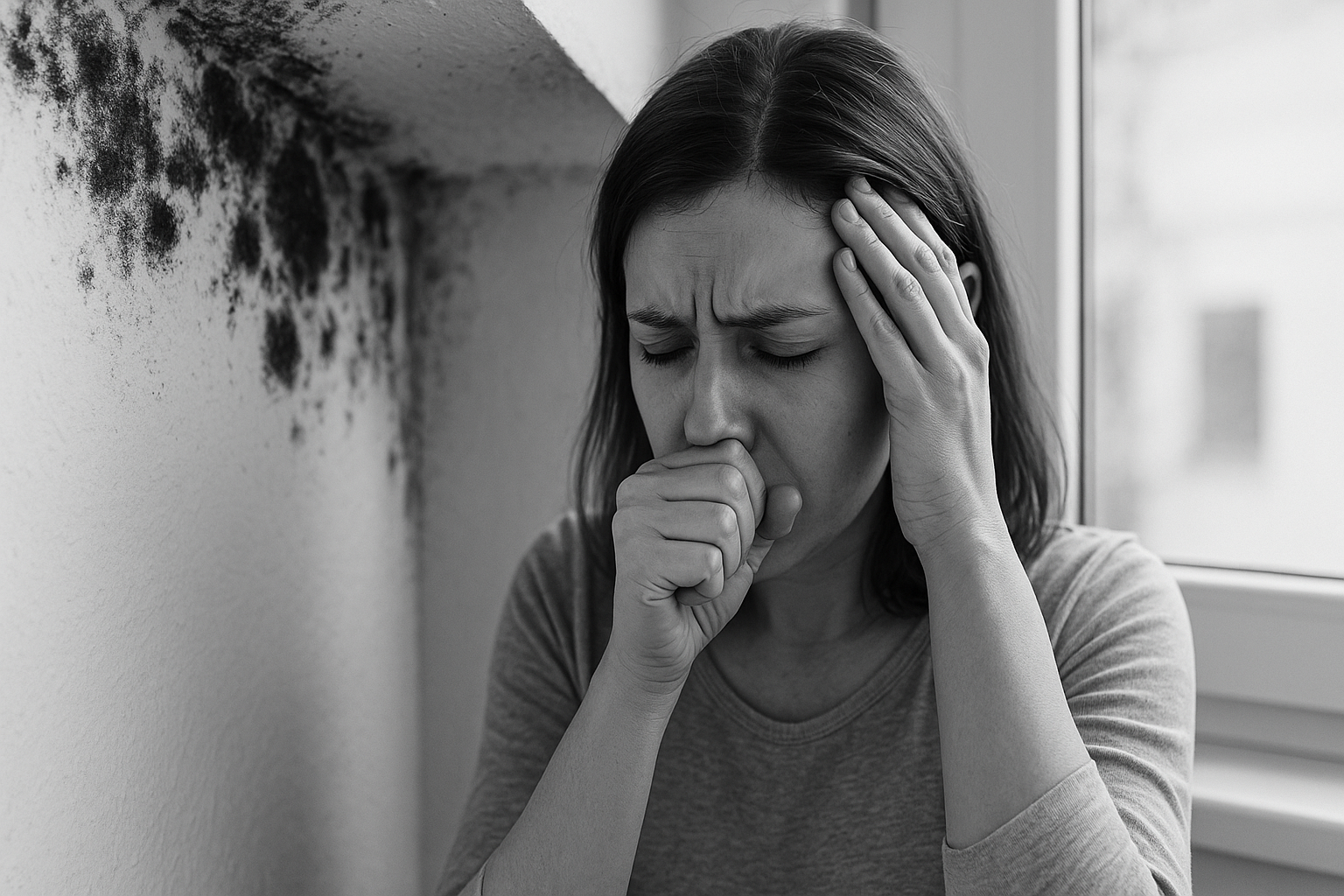
Short-term exposure to mycotoxins triggers allergy-like responses: sneezing, runny nose, red eyes, coughing, and wheezing.[2][4] Ingesting high doses causes nausea, abdominal pain, and blurred vision.[5] UAE residents in mouldy villas report sudden fatigue and headaches post-exposure.[3]
Skin rashes, hives, and nasal sores emerge quickly.[1][3] These mimic hay fever but persist indoors, worsening with poor ventilation common in Ajman townhouses.[2]
5. Chronic Symptoms and Long-Term Effects
Mycotoxins in Homes: Health Risks, Symptoms, and Clinical Testing reveal chronic issues like brain fog, depression, anxiety, and chronic fatigue—often misdiagnosed after seeing 10+ doctors.[3] Intestinal distress, asthma, and migraines plague exposed families.[3][5]
Long-term: immune suppression, anemia, fluid retention, and heightened cancer risk.[1][3][8] In Riyadh homes, similar patterns emerge from persistent dampness.[5] Hearing issues and shortness of breath signal ongoing toxicity.[3]
Neurological Impact
Brain fog and cognitive deficits stem from neurotoxic effects, as seen in my Dubai case studies where villa occupants suffered memory lapses.[1][3]
6. Who Is Most at Risk from Mycotoxins?
Immunocompromised individuals, pregnant women, infants, and those with asthma face amplified risks from mycotoxins in homes.[1][2][5] Children in Fujairah schools or Jeddah residences show heightened sensitivity.[3]
Genetically predisposed expats in UAE villas—common in diverse Dubai—experience severe reactions.[1] Elderly and those with chronic illnesses suffer exacerbated symptoms like weakened immunity.[8]
7. Clinical Testing for Mycotoxin Exposure
Mycotoxins in Homes: Health Risks, Symptoms, and Clinical Testing demands urine or blood tests for biomarkers like ochratoxin or aflatoxins. RealTime Labs offers mycotoxin panels detecting 16 toxins via competitive ELISA.[3]
In UAE clinics, request urinary mycotoxin testing (costs ~AED 1,500-3,000). Blood serum tests confirm immune responses.[5] I’ve referred clients to labs verifying exposure before remediation, correlating symptoms to levels.[3]
Testing Steps
- Consult physician for symptom history.
- Submit urine/blood for LC-MS/MS analysis.
- Interpret with exposure context.[5]
8. Environmental Testing for Mycotoxins in Homes
Unlike spore counts, mycotoxin testing uses ERMI or HERTSMI-2 swabs/dust samples analysed via MSQPCR (~AED 2,000 per sample in Dubai).[3] Air sampling detects volatile mycotoxins.
Saniservice’s lab cultures and tests for Stachybotrys toxins in wall cavities. Thermal imaging reveals hidden sources first, essential in UAE’s sealed buildings.[1][5]
9. UAE-Specific Challenges with Mycotoxins in Homes
Air conditioning at 20-24°C with 60% humidity creates condensation hotspots in villas from Dubai Marina to Riyadh compounds.[5] Thermal bridging at wall-floor junctions fosters hidden growth, as in my skirting board cases.[1]
Water tanks harbour Aspergillus, contaminating air via evaporation. Rapid construction skips vapour barriers, amplifying Mycotoxins in Homes: Health Risks, Symptoms, and Clinical Testing issues.[2]
10. Prevention and Remediation Strategies
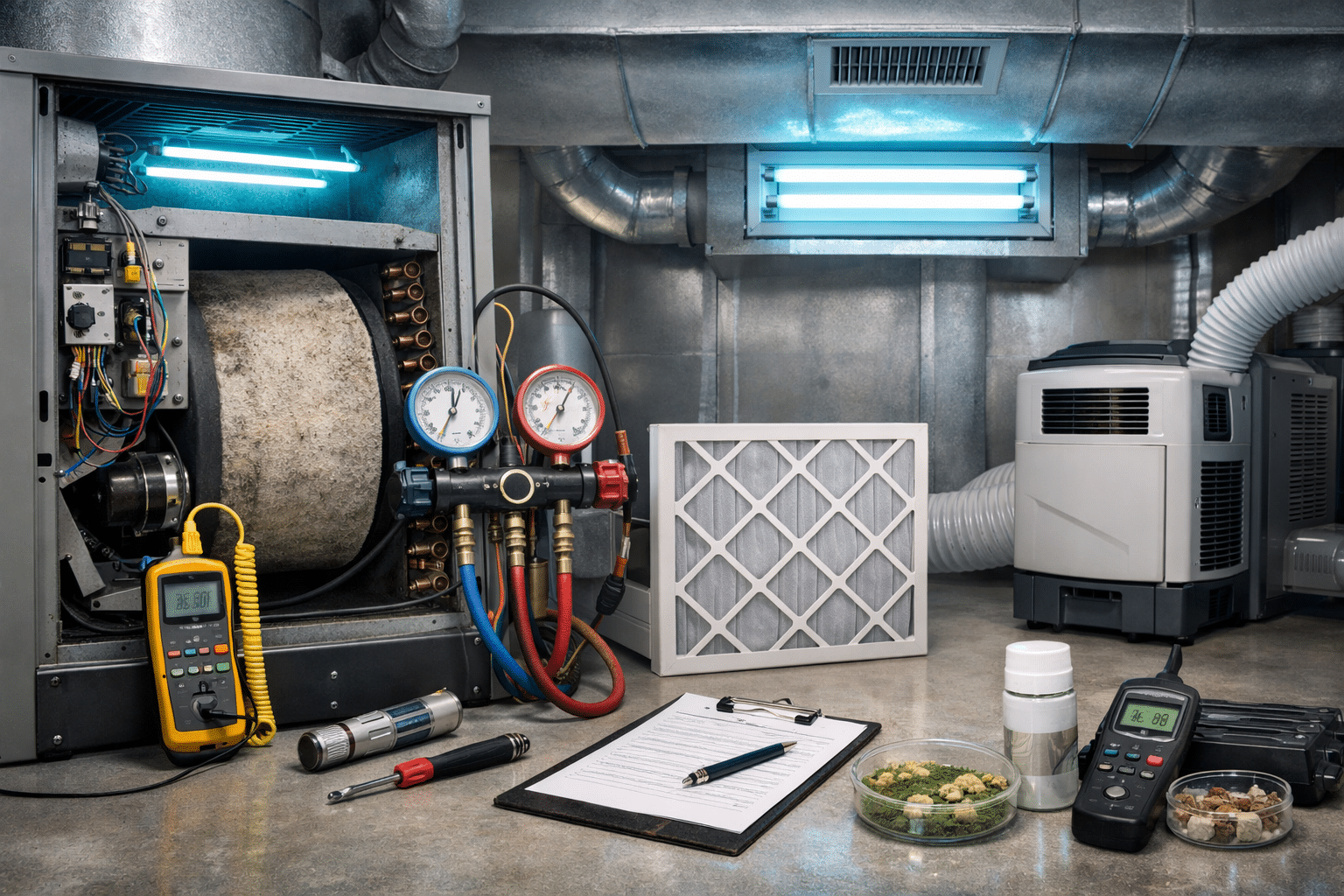
Control humidity below 50% with dehumidifiers (AED 1,000-5,000). Inspect HVAC quarterly (~AED 500). Use HEPA filters and UV lights.[5]
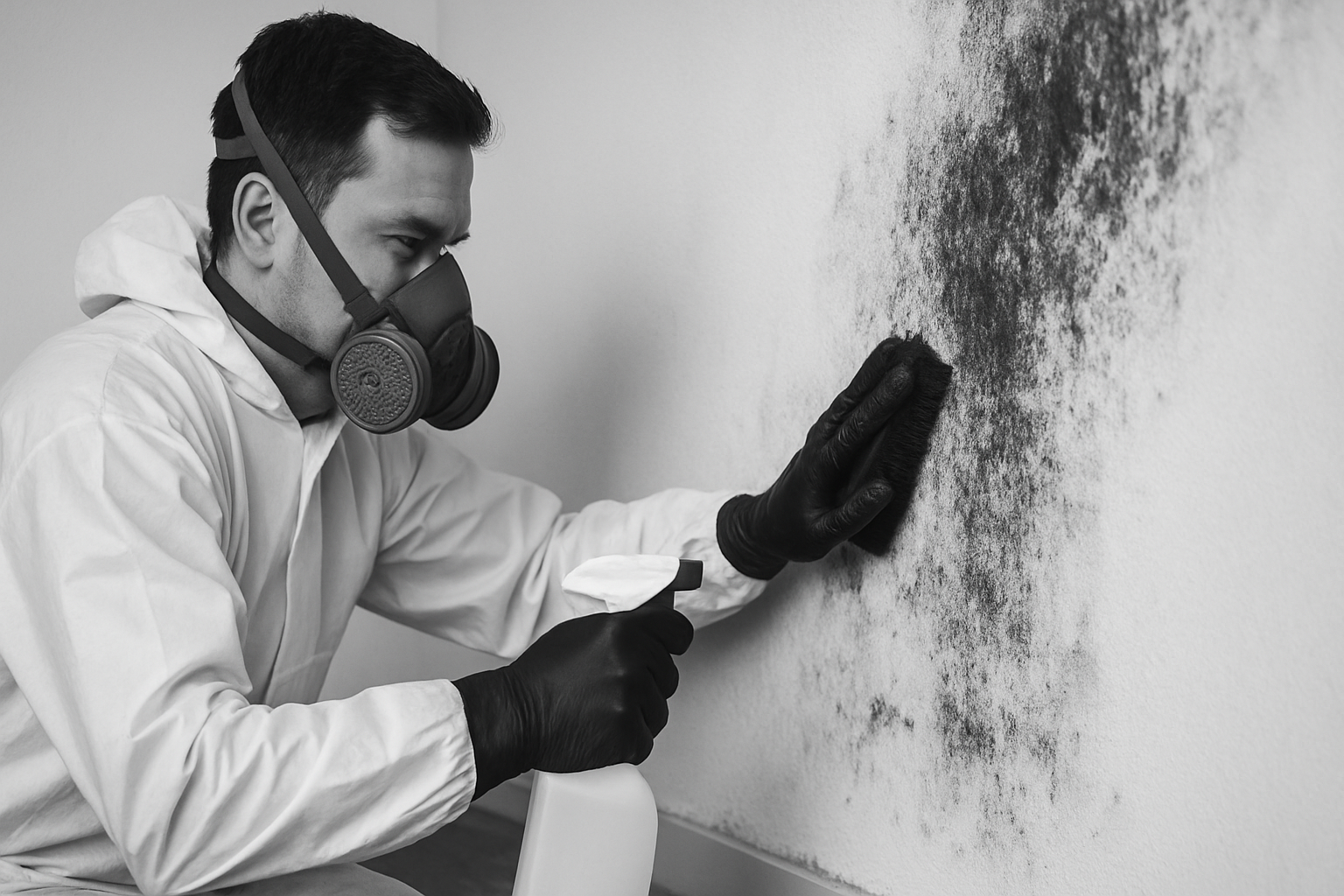
Remediation: HEPA vacuum, remove contaminated materials, verify with post-testing. In UAE, combine architecture with mycology—fix leaks, install thermal breaks.[1][3]
Key Takeaways for UAE Homes
Mycotoxins in Homes: Health Risks, Symptoms, and Clinical Testing underscore proactive steps: test if symptoms persist, remediate root causes, monitor humidity. Families in Abu Dhabi and Sharjah avoid thousands in health costs yearly.
External sources: WHO Mycotoxins Factsheet[8], Cleveland Clinic Mycotoxins[5], RealTime Labs Symptoms[3]. Image alt: Microscope view of mycotoxins in home dust sample from Dubai villa.
Armed with this knowledge, prioritise indoor air quality. Contact certified experts like IAC2 professionals for testing—your health depends on it.

JV de Castro, IAC2
JV de Castro is the Chief Technology Officer at Saniservice, where he leads innovation in indoor environmental sciences, IT infrastructure, and digital transformation. With over 20 years of experience spanning architecture, building science, technology management, digital media architecture, and consultancy, he has helped organizations optimize operations through smart solutions and forward-thinking strategies. JV holds a Degree in Architecture, a Masters of Research in Anthropology, an MBA in Digital Communication & Media, along with certifications in mold, building sciences and advanced networking. Passionate about combining technology, health, and sustainability, he continues to drive initiatives that bridge science, IT, and business impact.

Leave a Reply