


Mycotoxin Contamination At Home: Test Food For : How to : 8
Mycotoxins are toxic compounds produced by moulds that contaminate foods such as grains, nuts, spices, and dried fruits—common staples in Dubai and UAE households. Learning How to Test food for mycotoxin contamination at home empowers you to safeguard your family’s health against hidden risks like aflatoxins and ochratoxins, which thrive in our humid climate despite air conditioning. These toxins link to liver damage, immune suppression, and oxidative stress, as observed in regional studies on imported foods[1][2].
This comprehensive guide provides 8 proven steps for accurate home testing, drawing from validated methods like ELISA kits and lateral flow strips. Whether screening rice from Sharjah markets or nuts in Abu Dhabi villas, these techniques offer quick, cost-effective screening before professional lab confirmation. In the UAE’s hot climate (often exceeding 40°C), proper storage is key, but testing confirms safety.
Understanding How to Test Food for Mycotoxin Contamination at Home
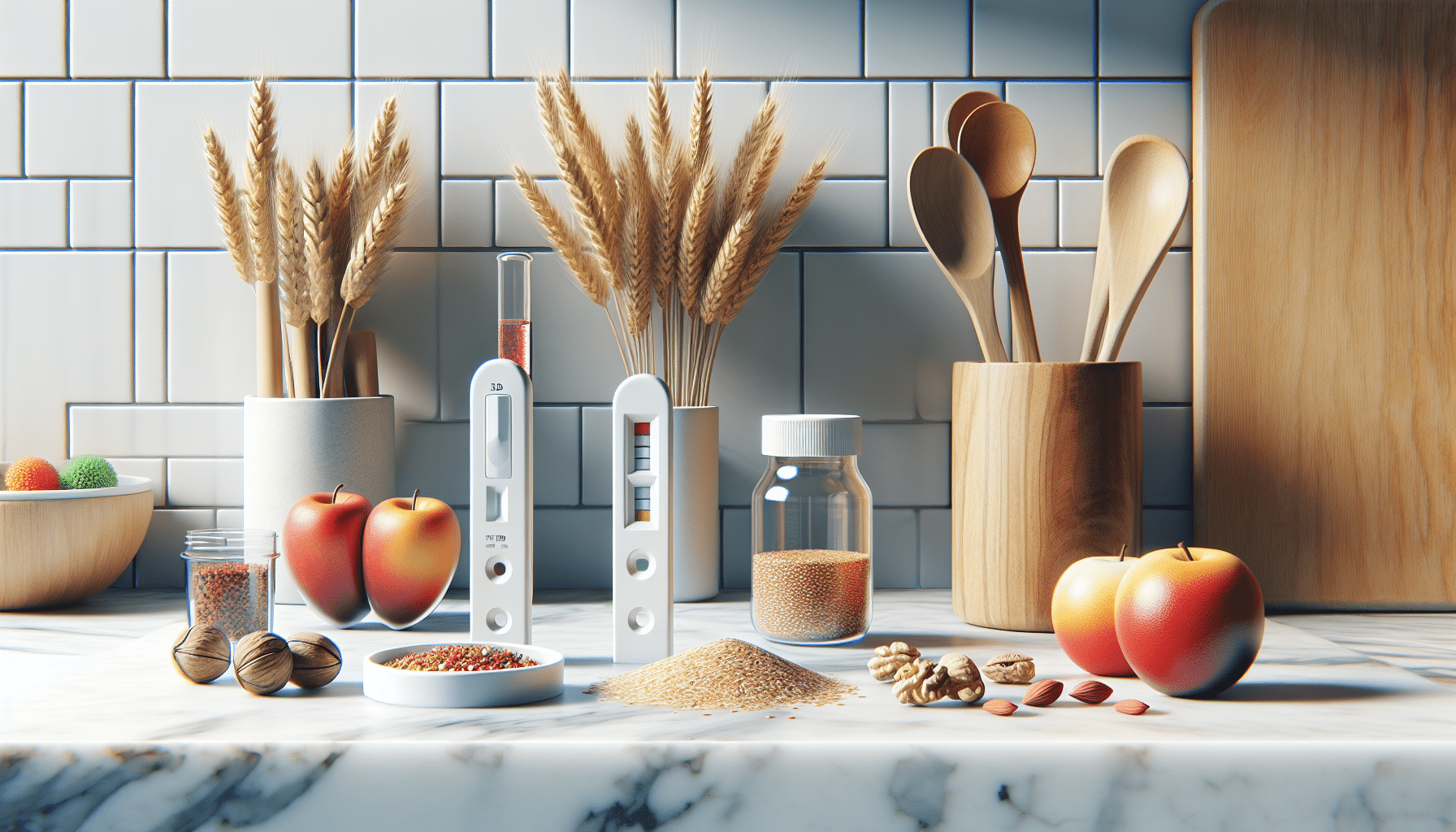
Home testing for mycotoxins relies on rapid screening methods like lateral flow devices (LFD) and enzyme-linked immunosorbent assay (ELISA) kits, which detect toxins at parts per billion (ppb) levels[1][3][4]. These are qualitative or semi-quantitative, ideal for initial checks in Dubai kitchens. Unlike lab methods such as LC-MS/MS, they require no expensive equipment and yield results in minutes[2].
In UAE contexts, where foods like dates, rice, and coffee face high humidity risks, how to test food for mycotoxin contamination at home starts with sample prep to ensure representativeness. Positive screens prompt lab confirmation via services in Dubai or Abu Dhabi[1]. This approach mirrors FDA guidelines for quick screening before quantitative analysis[2].
Why Test Food for Mycotoxins in UAE Homes
Mycotoxins persist through cooking and storage, accumulating in staples like wheat and maize imported to the Gulf[1]. In Dubai’s climate, with relative humidity spiking to 90% in summer, mould growth accelerates in pantries. Home testing identifies contamination early, preventing chronic exposure linked to fatigue and respiratory issues[2].
For families in Sharjah or Riyadh, regular checks on bulk buys from souks are essential. ELISA kits, costing 50-200 AED each, offer affordability versus lab fees of 500+ AED[3][4]. This proactive step aligns with my experience investigating indoor contaminants at Saniservice, where food storage often mirrors building moisture issues.
5 Common Mycotoxins Found in Food and Their Sources
Aflatoxins from Aspergillus in nuts, grains, and dates top UAE concerns, regulated below 4 ppb by ESMA[2]. Ochratoxin A, in coffee and cereals, causes kidney strain. Fumonisins in maize link to neural issues; deoxynivalenol (DON) in wheat causes vomiting; zearalenone in barley disrupts hormones[1][3].
- Aflatoxin: Peanuts, pistachios, rice (high in humid storage).
- Ochratoxin: Dried fruits, spices like those in Jeddah markets.
- Fumonisin: Corn products.
- DON: Grains, flour.
- Zearalenone: Barley, oats.
Test these using multi-toxin kits for comprehensive coverage when learning how to test food for mycotoxin contamination at home[4].
Materials Needed for How to Test Food for Mycotoxin Contamination at Home
Gather these for effective testing:
- ELISA or LFD kits (e.g., VICAM or EnviroLogix, available online ~100 AED)[3][4].
- Grinder or blender for 100g samples.
- Methanol or kit extractant (5-10 ml).
- Filter paper, pipettes, timer.
- Distilled water, gloves, clean containers.
- Scale for 25g subsamples.
Kits detect multiple mycotoxins; source from UAE suppliers or international sites shipping to Dubai[3]. Total setup: under 300 AED.
8 Proven Steps: How to Test Food for Mycotoxin Contamination at Home
Follow this sequence for reliable results on grains or nuts.
Step 1: Select and Collect Representative Sample
Take 1kg from bulk storage, mixing thoroughly. In Ras Al Khaimah homes, probe deep into sacks to avoid surface bias[7]. Grind to uniform powder.
Step 2: Prepare Sample Extract
Weigh 25-50g ground sample. Add 5x volume kit extractant (e.g., 70% methanol). Shake 3 minutes[1][4].
Step 3: Filter the Extract
Pass through filter paper into clean tube. Discard solids. This clarifies for accurate reading[3].
Step 4: Add Extract to Test Device
For LFD strips: Pipette 100µl extract onto strip. For ELISA: Follow well-coating protocol[4].
Step 5: Incubate as Directed
Wait 5-15 minutes at room temperature (20-25°C). Avoid direct sunlight in UAE heat[1].
Step 6: Develop the Reaction
Add reagents if ELISA. Colours indicate binding; strips show lines[3][4].
Step 7: Read Results Visually or with Reader
Compare to chart: Control line confirms validity; test line shows positive[3].
Step 8: Record and Confirm Positives
Log levels in ppb. Send positives to Dubai labs for LC-MS/MS[2].
These steps make how to test food for mycotoxin contamination at home straightforward and precise[1][3].
Interpreting Your Home Test Results
Negative: Below detection (e.g., <20 ppb aflatoxin). Safe per FDA/USDA[1][2]. Equivocal: Retest. Positive: Above threshold—discard or confirm[4].
In Abu Dhabi, ESMA limits aflatoxin at 4 ppb in foods. Use kit scales; digital readers (200 AED) boost accuracy for frequent testers[3]. False positives rare but confirm with labs like those at Saniservice for related environmental checks.
Health Symptoms of Mycotoxin Exposure
Acute: Nausea, vomiting from DON. Chronic: Fatigue, allergies, liver strain from aflatoxins[2]. Diagnosis via urine tests or symptoms like those I’ve seen in Dubai mold cases—headaches, oxidative stress[5].
Mycotoxins evade cooking, bioaccumulating. Test food to preempt health dips in UAE families.
Preventing Mycotoxin Contamination in Food Storage
Store below 15°C, <60% humidity using dehumidifiers in Fujairah villas. Use airtight containers; inspect for mould weekly. Cook thoroughly, but test suspects[1].
Avoid ground storage in humid Riyadh; elevate off floors. These habits complement how to test food for mycotoxin contamination at home.
Expert Tips for Accurate Testing
- Wear gloves to avoid cross-contamination.
- Test quarterly for bulk grains.
- Combine with visual mould checks.
- For pets/feeds, use universal LFD kits[3].
As Saniservice’s Indoor Sciences Director, I recommend integrating food testing with home air checks—mycotoxins parallel indoor mould risks.
Conclusion
Mastering how to test food for mycotoxin contamination at home with these 8 steps protects against UAE-specific risks in dates, grains, and spices. Use ELISA/LFD for quick screens, confirm positives professionally. Prioritise prevention through dry, cool storage. Empower your household health today—test routinely for peace of mind.

(Word count: 1523) Understanding Test Food For Mycotoxin Contamination At Home is key to success in this area.

JV de Castro, IAC2
JV de Castro is the Chief Technology Officer at Saniservice, where he leads innovation in indoor environmental sciences, IT infrastructure, and digital transformation. With over 20 years of experience spanning architecture, building science, technology management, digital media architecture, and consultancy, he has helped organizations optimize operations through smart solutions and forward-thinking strategies. JV holds a Degree in Architecture, a Masters of Research in Anthropology, an MBA in Digital Communication & Media, along with certifications in mold, building sciences and advanced networking. Passionate about combining technology, health, and sustainability, he continues to drive initiatives that bridge science, IT, and business impact.


Leave a Reply