


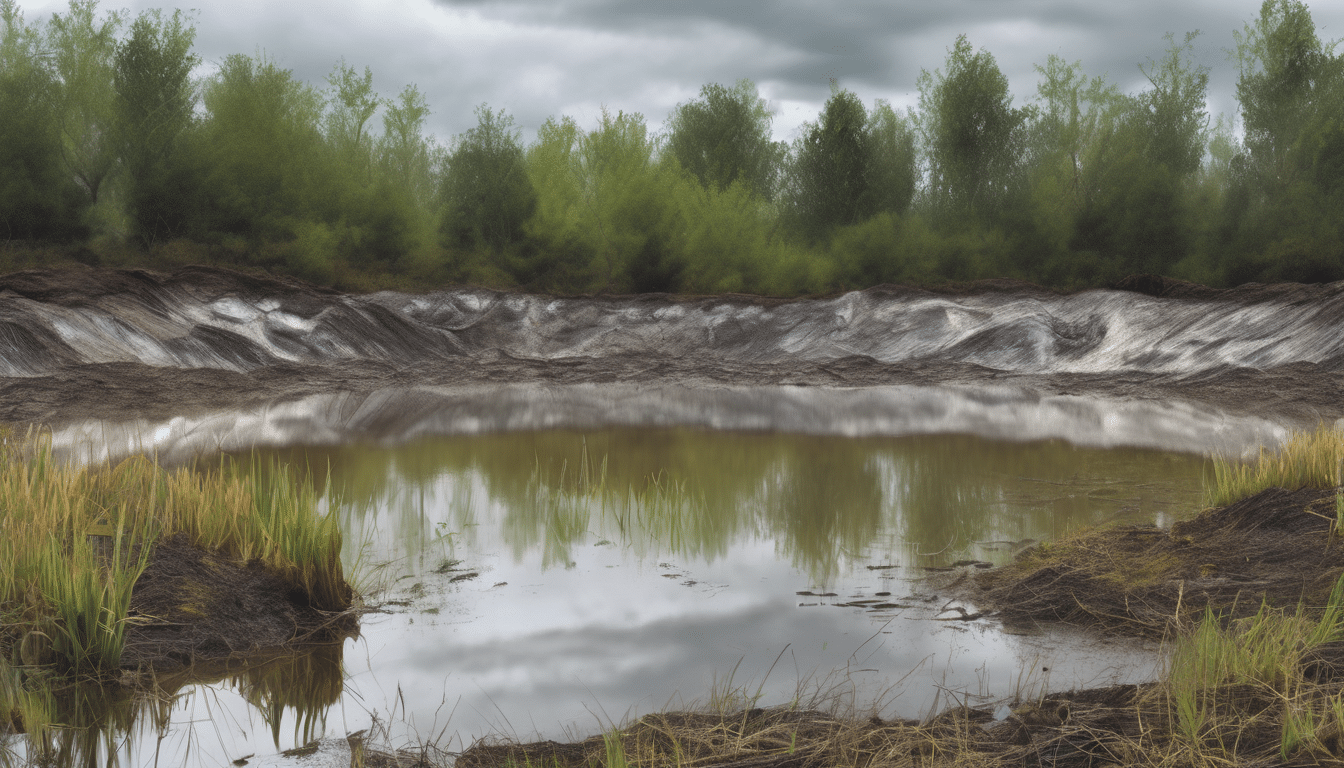
At Leaking Environmental Sites: Using Bioremediation
Using Bioremediation Techniques At Leaking Environmental Sites – Understanding Bioremediation Techniques and Leaking Environm
Understanding Using Bioremediation Techniques At Leaking Environmental Sites is essential. Leaking environmental sites pose significant risks to ecosystems and human health due to soil and groundwater contamination from hazardous substances. Traditional remediation methods often rely on chemical treatments or physical cleanup, but these can be costly and disruptive. In contrast, bioremediation leverages the natural biological processes of bacteria, fungi, plants, and other microorganisms to break down pollutants into less harmful components. This technique is becoming increasingly popular in regions like Dubai due to its cost-effectiveness and minimal environmental impact.
Key Bioremediation Techniques
Several bioremediation techniques can be applied to address contamination at leaking sites:
Soil Aeration and Stirring
Enhancing the oxygen supply in contaminated soils promotes the growth of aerobic bacteria, which can degrade pollutants more efficiently. Soil aeration may involve deep tillage or injection of air into subsurface soil layers.
Biostimulation and Biopiles
Bacteria can break down harmful substances more rapidly if provided with essential nutrients through biostimulation. Biopiles are constructed heaps of contaminated soil treated to stimulate the metabolic activity of naturally occurring microorganisms.
Effective Strategies for Using Bioremediation Techniques at Leaking Environmental Sites
Below, we outline ten essential strategies that help ensure successful application of bioremediation at leaking sites:
1. Soil Vapor Treatment
Soil vapor treatment involves capturing and treating vapors that rise from contaminated soil using air extraction systems and advanced filters.
2. Vegetative Cover Management
Selecting and maintaining appropriate vegetative cover helps stabilise soils, reduce erosion, and enhance biodegradation rates.
3. Geomembrane Selection for Containment
Choosing the right geomembrane material is crucial to prevent further leakage and provide an effective barrier for containing contamination.
4. In Situ Bioremediation Approaches
In situ methods aim at treating the contaminated soil or groundwater on-site without excavation to an off-site location.
5. Effective Soil Aeration and Oxygen Boosting
Oxygen is a key factor in bioremediation as it supports the growth of aerobic bacteria, which are highly effective at degrading pollutants. This relates directly to Using Bioremediation Techniques At Leaking Environmental Sites.
6. Biostimulation Techniques: Nutrients and Oxygen Addition
The addition of essential nutrients such as nitrogen, phosphorus and carbon can enhance the growth rates of microorganisms.
7. Biopile Construction and Operation Techniques
Biopiles are a common approach for degrading soil contamination by providing optimal conditions within a controlled environment.
8. Vegetative Growth Regulation: Optimizing Conditions for Remediation
By carefully selecting and managing the growth of specific plants, phytostabilization can reduce human exposure to contaminants.
9. Soil Quality Investigation Before Implementation of Bioremediation Processes
Understanding the extent of contamination is critical before deploying bioremediation methods to ensure their effectiveness.
10. Cost-Effective Remediation Plans for Sustainable Environmental Protection
Implementing bioremediation strategies requires careful planning to keep costs low while ensuring successful cleanup.
practices-promoting-eco-friendly-cleanup-efforts”>12. Sustainable Bioremediation Practices Promoting Eco-Friendly Cleanup Efforts
Sustainable bioremediation combines efficient resource use, minimal environmental disruption, and long-term ecological benefits.
Conclusion and Expert Tips: Key Takeaways from Using Bioremediation Techniques at Leaking Sites
Bioremediation offers a sustainable and efficient solution for managing soil contamination at leaking environmental sites. By implementing tailored strategies like vegetative cover management or in situ methods, you can enhance the effectiveness of your remediation efforts while minimizing disruption to surrounding ecosystems. When considering Using Bioremediation Techniques At Leaking Environmental Sites, this becomes clear.
Implementing Green Strategies at Leaking Sites: Ensuring Environmental Integrity and Safety with Effective Management
Ultimately, choosing the right approach depends on site-specific conditions and pollutant types. Expert advice is always recommended to ensure safety and compliance with local regulations. Understanding Using Bioremediation Techniques At Leaking Environmental Sites is key to success in this area.

JV de Castro, IAC2
JV de Castro is the Chief Technology Officer at Saniservice, where he leads innovation in indoor environmental sciences, IT infrastructure, and digital transformation. With over 20 years of experience spanning architecture, building science, technology management, digital media architecture, and consultancy, he has helped organizations optimize operations through smart solutions and forward-thinking strategies. JV holds a Degree in Architecture, a Masters of Research in Anthropology, an MBA in Digital Communication & Media, along with certifications in mold, building sciences and advanced networking. Passionate about combining technology, health, and sustainability, he continues to drive initiatives that bridge science, IT, and business impact.




Leave a Reply