


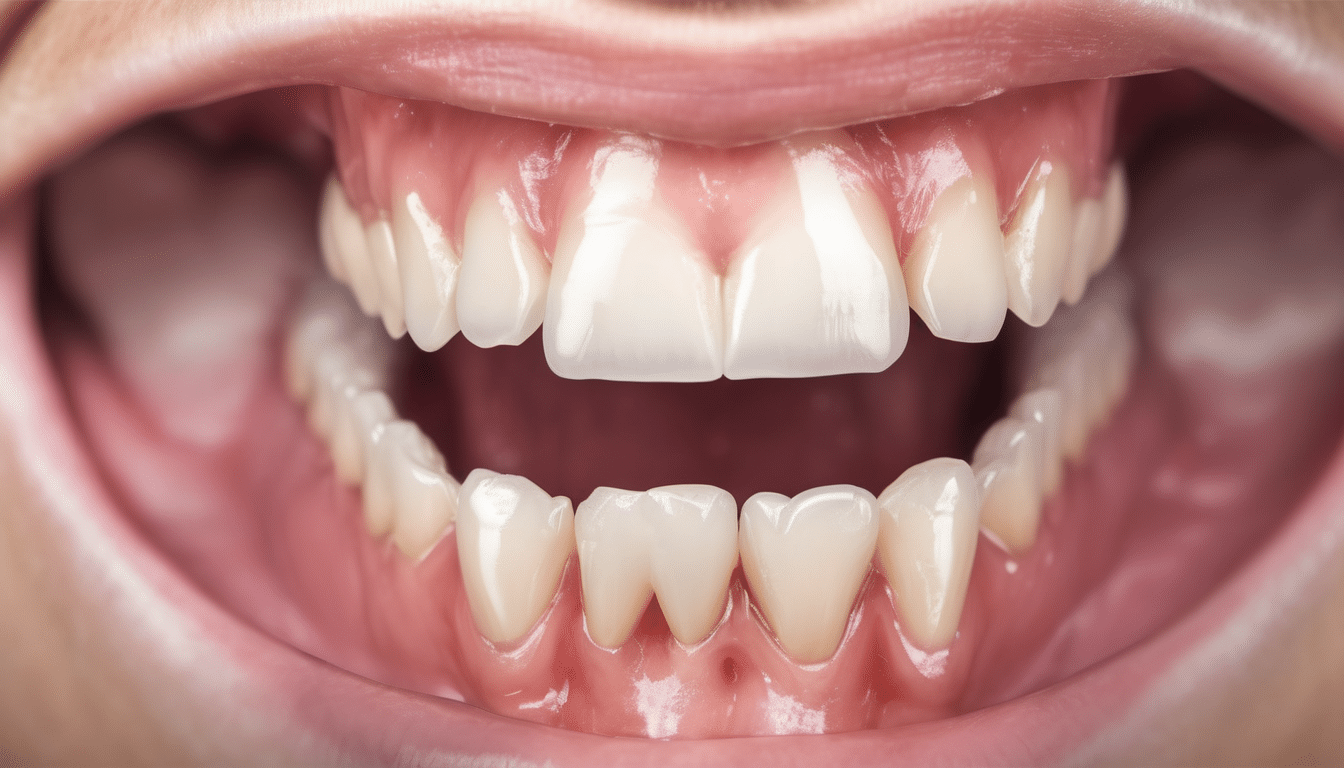
Infection Prevention And Control: Best Practices In Dental
Best Practices in Dental Infection Prevention and Control are critical for every dental practice in Dubai, Abu Dhabi, and across the UAE. With rising scrutiny on dental unit waterlines amid 2025 regulations mirroring CDC standards, maintaining water quality below 500 CFU/mL prevents infections like Mycobacterium abscessus outbreaks. This buyer’s guide equips you with proven strategies, equipment recommendations, and common pitfalls to avoid, ensuring compliance and patient safety.
In the UAE’s hot climate, where water stagnation exacerbates biofilm growth, adhering to best practices in dental infection prevention and control safeguards your practice from regulatory fines up to AED 50,000 and reputational damage. We’ll cover water testing, treatment systems, and documentation essentials, drawing from CDC guidelines and recent Board of Dentistry rules.
Understanding Best Practices in Dental Infection Prevention and Control
Best practices in dental infection prevention and control centre on dental unit waterlines (DUWLs), where biofilm forms rapidly due to narrow tubing and low flow rates. Untreated lines exceed 500 CFU/mL, risking patient exposure to pathogens during procedures.[2][4] In UAE practices, high humidity amplifies this issue, making regular monitoring non-negotiable.
Core elements include using EPA-compliant water (≤500 CFU/mL heterotrophic bacteria) for nonsurgical procedures and sterile water for surgery. Consult manufacturers for unit-specific protocols to integrate these best practices seamlessly.[1][2]
Biofilm Formation Risks
Biofilm—a sticky matrix of bacteria—adheres to DUWL interiors, resisting standard flushing. Without intervention, counts soar beyond safe limits within weeks. Best practices in dental infection prevention and control mandate disinfectants to disrupt this.[3]
Best Practices In Dental Infection Prevention And Control – Why Dental Unit Water Quality Matters
Poor water quality directly threatens patients and staff, with outbreaks like Georgia’s Mycobacterium abscessus case highlighting real dangers. In Dubai clinics, where patient volumes are high, contaminated water via handpieces or ultrasonic scalers spreads aerosols.[1][7]
CDC data shows untreated units rarely meet drinking standards, underscoring why best practices in dental infection prevention and control prioritise independent reservoirs over municipal supplies, especially during UAE’s occasional boil-water advisories.[2][3]
CDC Standards and 2025 Regulations
The CDC’s 2003 Guidelines (pages 28-30) set the benchmark: treat DUWLs regularly to ≤500 CFU/mL and monitor per manufacturer instructions. 2025 updates, like Georgia’s Rule 150-8-.05, enforce quarterly testing post-plumbing changes.[1][2][4]
UAE’s DHA and MOHAP align with these, with pending notices mirroring state adoptions. Practices must test within 30 days of modifications and document remedial actions if CFUs exceed limits.[1]
Emerging 2025 Dental Waterline Regulations
Expect quarterly testing mandates across GCC regions, including Riyadh and Jeddah. Sterile saline for surgery becomes standard, with non-compliance risking license suspension.[4][7]
Implementing Best Practices in Dental Infection Prevention and Control
Start with independent water reservoirs filled with distilled water (AED 50-100 per 20L refill). Treat lines weekly with EPA-registered germicides like hydrogen peroxide-based solutions.[3][5]
Shock monthly using 5-10% bleach or peroxyacetic acid, flushing thoroughly post-treatment. These steps embody best practices in dental infection prevention and control, reducing biofilm by 99% when consistent.[3]
Daily Flushing Protocols
Flush lines 20-30 seconds at procedure start/end. Install anti-retraction valves to prevent backflow (AED 200-500 each).[5]
Water Testing Best Practices
Test quarterly using self-contained kits (AED 150-300 per test) or labs, culturing at 35-37°C for 7 days to count heterotrophic bacteria. Follow manufacturer IFUs precisely.[2][3]
Post-remediation, retest after 5-10 days. In UAE heat (often >40°C), test more frequently during summer to maintain best practices in dental infection prevention and control.[1][4]
Interpreting Results
≤500 CFU/mL passes; >500 triggers immediate shock and retesting. Log results digitally for audits.[7]
Top Equipment Recommendations for Buyers
1. Independent Reservoirs: A-dec ICX (AED 5,000-8,000) – Easy-fill, UV-compatible.[5]
2. Treatment Systems: Sterisil SAFEWATER (AED 2,500/year subscription) – Automated dosing, app monitoring.[7] HuFriedyGroup Citrizyme (AED 400/litre) for manual shocks.
3. Testing Kits: OSAP-endorsed kits from Agenics (AED 200/kit) – Accurate, fast results.[4] Avoid cheap imports; opt for CDC-validated.
| Product | Key Features | Price (AED) | Best For |
|---|---|---|---|
| A-dec ICX Reservoir | 2L capacity, quick-connect | 6,500 | Multi-chair clinics |
| Sterisil SAFEWATER | Continuous tablet dosing | 2,800/yr | Low-maintenance |
| Commercial Test Kits | 7-day culture, ≤500 CFU | 250/kit | Quarterly compliance |
Budget AED 10,000-15,000 annually for a 4-chair Dubai practice. Prioritise ROI via reduced downtime.[3]
Common Mistakes to Avoid
Skipping documentation leaves you vulnerable to DHA inspections. Relying solely on municipal water ignores biofilm risks—always use reservoirs.[2][3]
Infrequent shocking (e.g., biannually) fails CDC standards. Cheap, unapproved disinfectants breed resistance. Overlooking staff training leads to inconsistent best practices in dental infection prevention and control.[1][8]
Costly Oversights
One outbreak could cost AED 100,000+ in lawsuits. Test post-plumbing to avoid fines.[4]
Documentation and Training Essentials
Maintain logs of tests, treatments, and actions for 3 years. Use apps like Practice Ignition (AED 500/month) for compliance tracking.[7]
Train annually via OSAP courses (AED 1,000/staff). This upholds best practices in dental infection prevention and control.[2][8]
Key Takeaways for UAE Dental Practices
- Target ≤500 CFU/mL quarterly via kits/labs.
- Invest in Sterisil or A-dec for automation (AED 3,000-8,000).
- Shock monthly; flush daily.
- Document everything for 2025 regs.
- Consult CDC Guidelines and ADA Resources.[2][5]
In summary, mastering best practices in dental infection prevention and control through rigorous DUWL management ensures safe care in UAE clinics. Prioritise compliant equipment and protocols today for tomorrow’s peace of mind.


JV de Castro, IAC2
JV de Castro is the Chief Technology Officer at Saniservice, where he leads innovation in indoor environmental sciences, IT infrastructure, and digital transformation. With over 20 years of experience spanning architecture, building science, technology management, digital media architecture, and consultancy, he has helped organizations optimize operations through smart solutions and forward-thinking strategies. JV holds a Degree in Architecture, a Masters of Research in Anthropology, an MBA in Digital Communication & Media, along with certifications in mold, building sciences and advanced networking. Passionate about combining technology, health, and sustainability, he continues to drive initiatives that bridge science, IT, and business impact.



Leave a Reply