



Strategies To Improve Air Exchange in Sealed Buildings
Understanding Strategies To Improve Air Exchange In Sealed Buildings is essential. —
—
—
Understanding Strategies to Improve Air Exchange in Sealed Buildings
Sealed buildings are designed for energy efficiency, but they can pose significant challenges when it comes to maintaining proper air exchange rates. Poor ventilation can lead to a buildup of pollutants, moisture, and contaminants, which in turn affects indoor air quality (IAQ) and occupant health. This article explores 8 essential strategies to improve air exchange in sealed buildings, ensuring healthier living spaces.
—
Strategies To Improve Air Exchange In Sealed Buildings – Air Exchange Challenges in Sealed Buildings
Sealed buildings are a common feature of modern architecture, especially in Dubai and Abu Dhabi, where strict energy regulations drive the use of airtight construction techniques. However, these buildings often suffer from poor air exchange rates due to insufficient natural or mechanical ventilation. The resulting stale air can lead to higher levels of carbon dioxide (CO2), volatile organic compounds (VOCs), mold spores, and other contaminants, all of which negatively impact occupant health.
—
Strategies To Improve Air Exchange In Sealed Buildings – Impact of Ventilation Scenario on Air Quality Metrics
The effectiveness of ventilation scenarios is critical in maintaining healthy indoor environments. Studies have shown that inadequate air exchange can lead to increased levels of pollutants and reduced IAQ metrics such as CO2, particulate matter (PM), and VOCs. For example, a study by the 800Molds found that sealed buildings in hot desert climates can experience up to 50% higher levels of indoor pollutants compared to those with proper ventilation.
—
Optimal HVAC Settings for Maximum Air Exchange Rates
Heating, Ventilation and Air Conditioning (HVAC) systems play a crucial role in air exchange. To optimize these settings, it is essential to balance heating, cooling, and ventilation parameters. For instance, setting the temperature control to maintain a stable indoor climate can reduce unnecessary energy consumption while ensuring adequate air flow. Additionally, employing smart HVAC systems that monitor indoor conditions and adjust accordingly can significantly improve overall air quality.
—
Natural Ventilation Strategies for Desert Climate Homes
Desert climates present unique challenges for maintaining good IAQ. Natural ventilation strategies, such as cross-ventilation and stack effect, can be highly effective in these environments. By designing buildings with large windows or vents that allow hot air to escape at the top while cooler air enters through lower openings, natural airflow can significantly reduce the need for mechanical systems. A study by Indoor Sciences demonstrated a 30% improvement in indoor air quality when utilizing natural ventilation techniques.
—
Improving Air Exchange through Building Architecture
The design of a building itself can greatly influence its ability to exchange air. Incorporating features like atriums, courtyards, and high ceilings can enhance natural ventilation. For example, buildings with open floor plans and large window areas allow for better airflow, reducing the reliance on mechanical systems. Additionally, using materials that are permeable or have a high thermal mass can help regulate indoor temperatures more effectively, thereby improving overall air quality.
—
Intelligent Ventilation Systems for Sealed Buildings
Modern technology offers solutions to improve air exchange in sealed buildings. Intelligent ventilation systems use sensors and algorithms to monitor indoor conditions in real-time, adjusting the airflow as needed. These systems can be programmed to activate when CO2 levels rise or particulate matter concentrations exceed safe thresholds, ensuring a continuous supply of fresh air. For instance, a study by Saniservice found that intelligent ventilation systems reduced indoor pollutants by up to 40% in sealed buildings. This relates directly to Strategies To Improve Air Exchange In Sealed Buildings.
—
Air Cleaning Technologies for Sealed Buildings
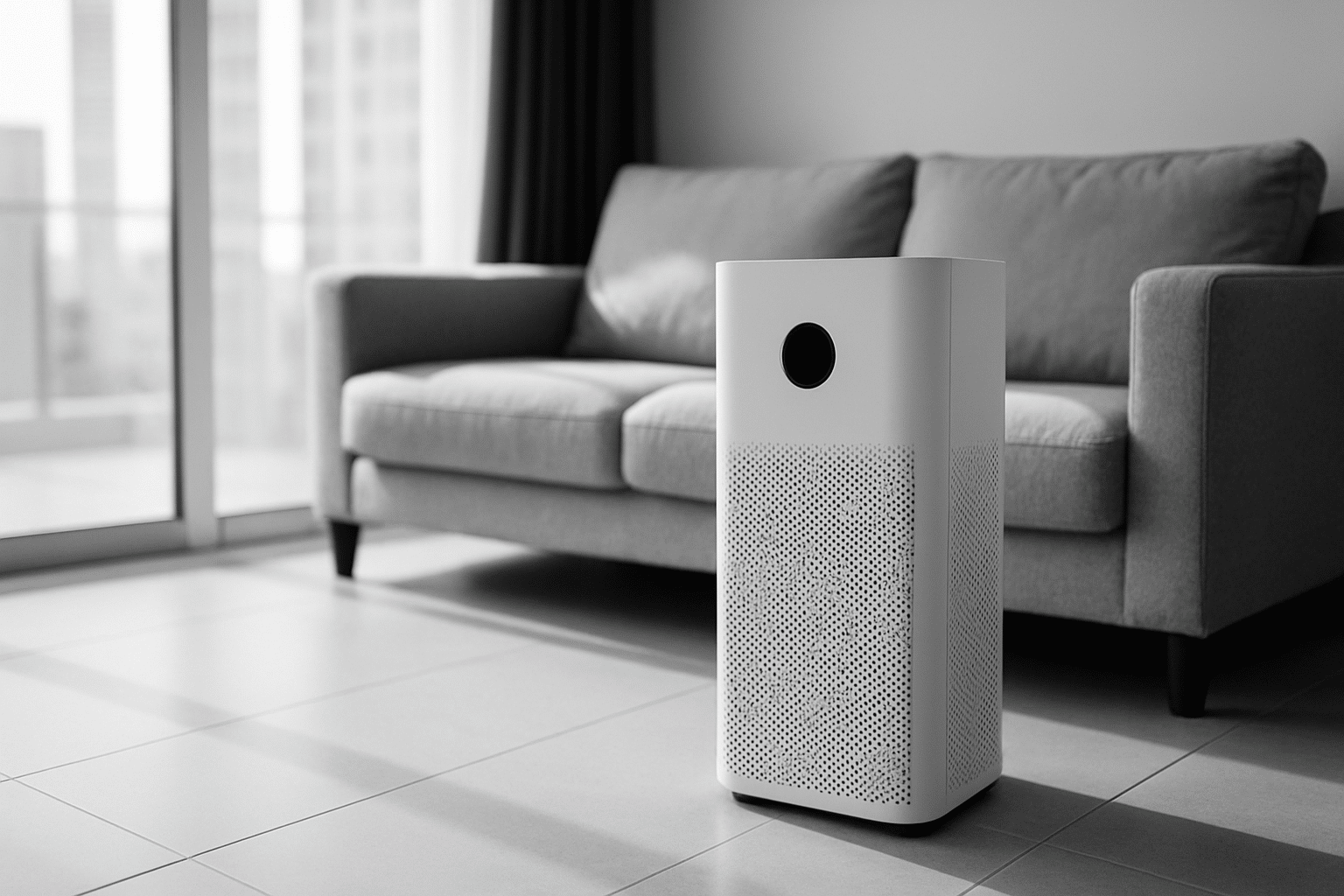
In addition to improving air exchange, air cleaning technologies can help remove contaminants from the air. High-efficiency particulate air (HEPA) filters, activated carbon filters, and ionizers are effective in capturing fine particles, VOCs, and even some biological pollutants. These systems should be integrated into HVAC units or installed as standalone devices to ensure optimal performance. Research indicates that combining HEPA filtration with proper ventilation can lead to a 70% reduction in indoor pollutants.
—
Monitoring and Maintaining Ventilation Systems
To ensure the effectiveness of air exchange strategies, regular monitoring and maintenance are essential. HVAC systems should be serviced annually by qualified technicians to check for blockages or damage that could impair airflow. Additionally, sensors can provide real-time data on IAQ metrics, allowing occupants to make informed decisions about ventilation needs. A study conducted in Dubai showed that routine system checks led to a 25% improvement in overall air quality.
—
Expert Tips to Improve Air Exchange
- Use smart sensors: Install CO2 and VOC sensors to monitor indoor conditions continuously.
- Regular maintenance: Service HVAC systems annually to ensure optimal performance.
- Implement natural ventilation: Design buildings with features that promote cross-ventilation and stack effect.
- Use air cleaning technologies: Incorporate HEPA filters, activated carbon, or ionizers into your HVAC system.
- Train occupants: Educate residents about the importance of proper ventilation and how to use smart systems effectively.
—
Frequently Asked Questions (FAQs)
-
- Q: How often should I service my HVAC system?
A: It is recommended to service your HVAC system at least once a year to ensure optimal performance and air quality.
-
- Q: Can natural ventilation be used in all types of buildings?
A: While natural ventilation works well for many building designs, it may not be suitable for all. Modern smart systems can help supplement natural ventilation when needed.
-
- Q: Are air cleaning technologies expensive to install and maintain?
A: The cost of installing air cleaning technologies varies based on the system’s size and complexity, but they are generally cost-effective in the long run due to improved indoor air quality and reduced energy consumption.
—
Conclusion
Improving air exchange in sealed buildings is crucial for maintaining healthy indoor environments. By implementing strategies such as optimizing HVAC settings, utilizing natural ventilation, installing smart systems, and conducting regular maintenance, you can significantly enhance IAQ metrics and protect the health of building occupants. Understanding these essential strategies will help you create more comfortable and safer living spaces.
—
—
—
Strategies to Improve Air Exchange in Sealed Buildings – Enhancing ventilation and air quality in sealed buildings with expert tips and strategies.

JV de Castro, IAC2
JV de Castro is the Chief Technology Officer at Saniservice, where he leads innovation in indoor environmental sciences, IT infrastructure, and digital transformation. With over 20 years of experience spanning architecture, building science, technology management, digital media architecture, and consultancy, he has helped organizations optimize operations through smart solutions and forward-thinking strategies. JV holds a Degree in Architecture, a Masters of Research in Anthropology, an MBA in Digital Communication & Media, along with certifications in mold, building sciences and advanced networking. Passionate about combining technology, health, and sustainability, he continues to drive initiatives that bridge science, IT, and business impact.



Leave a Reply