


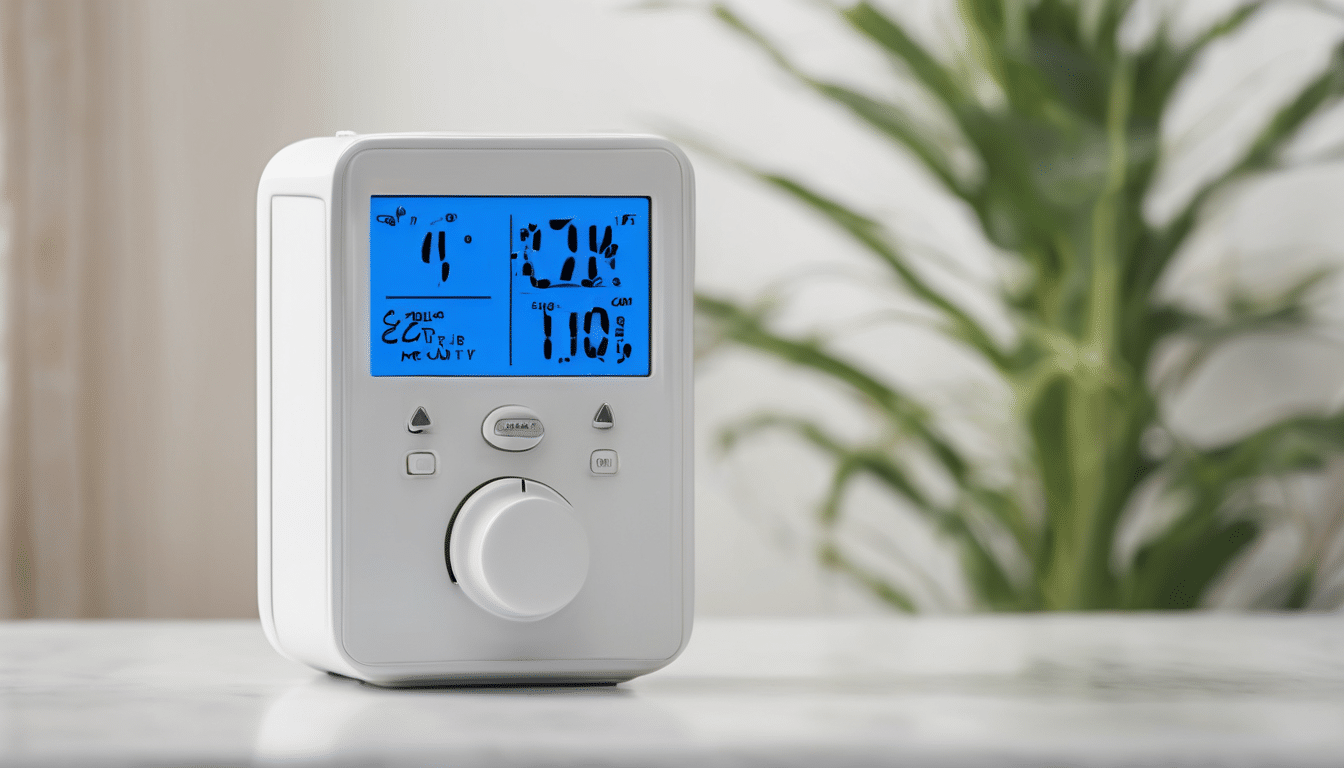
How to Choose an Indoor Air Quality Monitor
<h2 id=”understanding-how-to-choose-an-indoor-air-quality-monitor”>Understanding How to Choose an Indoor Air Quality Monitor
Understanding Choose An Indoor Air Quality Monitor is essential. Indoor air quality (IAQ) is a critical factor for maintaining health and comfort in your home or office. An indoor air quality monitor can provide real-time data on pollutants, helping you identify potential issues before they become severe. In this guide, we will explore the essential factors to consider when choosing an indoor air quality monitor tailored for Dubai’s climate.
—TABLE_OF_CONTENTS—
Choose An Indoor Air Quality Monitor: Identifying Key Features for Your Needs
When choosing an indoor air quality monitor, it is crucial to identify the specific needs of your home or office. Here are some key features to consider:
- Sensor Quality and Accuracy: Look for monitors that use high-quality sensors from reputable manufacturers.
- Measurement Range: Ensure the monitor can detect a wide range of pollutants, including particulate matter (PM2.5/PM10), volatile organic compounds (VOCs), carbon dioxide (CO2), and formaldehyde.
- Sensor Types: Some monitors use single-sensor models while others offer multi-sensor systems for comprehensive monitoring.
In Dubai, where temperatures can soar and air conditioning is a constant companion, you might want to consider a monitor that can handle the unique climate challenges. For instance, a device with a robust temperature range will be essential in preventing false readings due to extreme heat or cold.
—H2_SECTION—
Considering Measurement Ranges and Sensors
The choice of sensors can significantly impact the accuracy and reliability of your monitor. Here are some key points to consider:
- Particulate Matter (PM): Ensure the monitor measures both PM2.5 and PM10 particles, which are common in desert climates due to sandstorms.
- Volatile Organic Compounds (VOCs): Some monitors may not have VOC sensors, but they can still provide valuable data on other pollutants. For a complete picture, consider a monitor with a combination of PM and CO2 sensors.
- Carbon Dioxide (CO2): High levels of CO2 can indicate inadequate ventilation. A reliable monitor should accurately measure this gas to ensure air quality.
- Formaldehyde: This volatile organic compound is often present in building materials and furniture. An indoor air quality monitor that includes a formaldehyde sensor will be invaluable for identifying potential sources of contamination.
In Dubai, where humidity levels can fluctuate significantly, it is crucial to select a monitor with advanced temperature and humidity sensors. These sensors help provide more accurate readings by adjusting the data based on environmental conditions, ensuring you get reliable information even during extreme weather events.
—H2_SECTION—
Selecting the Right Display and Notification Systems
A clear and user-friendly display is essential for an indoor air quality monitor. Consider these factors:
- Display Readability: Look for a monitor with large, easy-to-read displays that can be seen from various angles.
- Multiple Display Options: Some monitors offer different display modes (e.g., graph, text) to suit your preferences. Choose one that allows you to customize the view based on your needs.
- Brightness Control: A monitor with adjustable brightness settings can be more comfortable to use in different lighting conditions.
Notification systems are equally important. Opt for a monitor that provides visual and audible alerts when air quality reaches dangerous levels. This is especially important in Dubai, where temperature and humidity can change quickly—timely alerts help you act before air quality worsens.
—H2_SECTION—
Evaluating Data Logging and Reporting Capabilities
Data logging and reporting features can help you track trends over time, making it easier to identify patterns and take preventive measures. Consider the following:
- Storage Capacity: Ensure the monitor has sufficient storage for daily data logs. A monitor with cloud storage options is ideal as it allows you to access historical data from anywhere.
- Reporting Tools: Look for monitors that provide customizable reports, allowing you to generate detailed analyses and share them with health professionals or real estate agents if needed.
- Data Sharing Options: Some monitors offer APIs or integration options with smart home systems, making it easier to monitor and control air quality in your environment.
In Dubai, where outdoor pollution can sometimes seep indoors, data logging is particularly useful. By tracking the air quality over time, you can identify periods when external factors may be affecting indoor conditions and take appropriate actions to mitigate these effects.
—H2_SECTION—
Choosing a Reliable Power Source
The power source of your monitor is crucial for consistent performance. Here are some considerations:
- Battery Life: For portable monitors, battery life should be at least 7-10 days on a single charge to ensure continuous monitoring.
- Power Consumption: Choose a monitor with low power consumption to reduce energy costs and extend battery life. Look for devices that offer efficient power management features.
In Dubai, where the cost of electricity can be high due to air conditioning usage, selecting an energy-efficient indoor air quality monitor is not only environmentally friendly but also financially beneficial. A device with a long battery life will ensure you have continuous monitoring without frequent recharging or replacement.
—H2_SECTION—
Budgeting for an Indoor Air Quality Monitor
Setting a budget is the first step in choosing an indoor air quality monitor. Prices can vary widely, so it’s essential to determine what you are willing and able to spend. Here’s a guide:
- Entry-Level Monitors (AED 100-300): These devices offer basic functionality but may not have all the advanced features you need.
- Mid-Range Monitors (AED 300-500): Mid-range monitors typically include a combination of sensors and better display options, making them suitable for most households or small offices.
- Premium Monitors (AED 500+): These high-end devices offer advanced features such as cloud storage, comprehensive data analysis tools, and customizable alerts. They are ideal for larger spaces or those with specific monitoring needs.
In Dubai, where the cost of living can be relatively high, investing in a quality indoor air quality monitor may seem like an additional expense. However, considering the long-term health benefits, it is often worth the investment. Start by setting a budget that aligns with your priorities and gradually upgrade as needed.
—H2_SECTION—
Getting Expert Tips on Choosing the Best Monitor
Here are some expert tips to help you choose the best indoor air quality monitor:
- Consider Your Specific Needs: Identify what pollutants you need to monitor and select a device that covers those needs. For example, if you have pets or allergies, focus on monitors with robust VOC sensors.
- Read Reviews: Check online reviews from users in similar climates to ensure the monitor performs well under Dubai’s specific conditions.
- Contact Local Experts: Reach out to local environmental health consultants who can provide recommendations based on their experience and knowledge of the region.
In Dubai, where rapid urbanization has led to increased air pollution, it is crucial to work with experts who understand the unique challenges of maintaining indoor air quality. Consulting with professionals can help you make an informed decision that best suits your specific needs.
—H2_SECTION—
Frequently Asked Questions about Indoor Air Quality Monitors
Here are some frequently asked questions to help guide your decision:
- Q: Can a single indoor air quality monitor accurately measure all pollutants?
A: Most modern monitors use multiple sensors, but the accuracy can vary. For comprehensive monitoring, consider a device with a combination of PM, CO2, and VOC sensors.
- Q: How often should I replace the sensor in my indoor air quality monitor?
A: Sensors typically need replacement every 6-12 months to ensure accurate readings. Check the manufacturer’s guidelines for specific instructions.
- Q: Can indoor air quality monitors detect biological contaminants like mold or bacteria?
A: While some monitors can detect particulate matter that may include spores, they are not designed specifically for mold or bacterial detection. For comprehensive mold and bacterial monitoring, consider a dedicated device.
—H2_SECTION—
Conclusion on How to Choose an Indoor Air Quality Monitor
Choosing the right indoor air quality monitor is essential for maintaining healthy living conditions in your home or office. By considering key factors such as sensor accuracy, measurement ranges, display and notification systems, data logging capabilities, power sources, and budget constraints, you can select a device that meets your specific needs. This relates directly to Choose An Indoor Air Quality Monitor.
Remember to consult local experts and read reviews from users who live in similar climates. With the right monitor, you can create a safer and healthier indoor environment for yourself and your loved ones. Understanding Choose An Indoor Air Quality Monitor is key to success in this area.

JV de Castro, IAC2
JV de Castro is the Chief Technology Officer at Saniservice, where he leads innovation in indoor environmental sciences, IT infrastructure, and digital transformation. With over 20 years of experience spanning architecture, building science, technology management, digital media architecture, and consultancy, he has helped organizations optimize operations through smart solutions and forward-thinking strategies. JV holds a Degree in Architecture, a Masters of Research in Anthropology, an MBA in Digital Communication & Media, along with certifications in mold, building sciences and advanced networking. Passionate about combining technology, health, and sustainability, he continues to drive initiatives that bridge science, IT, and business impact.




Leave a Reply