


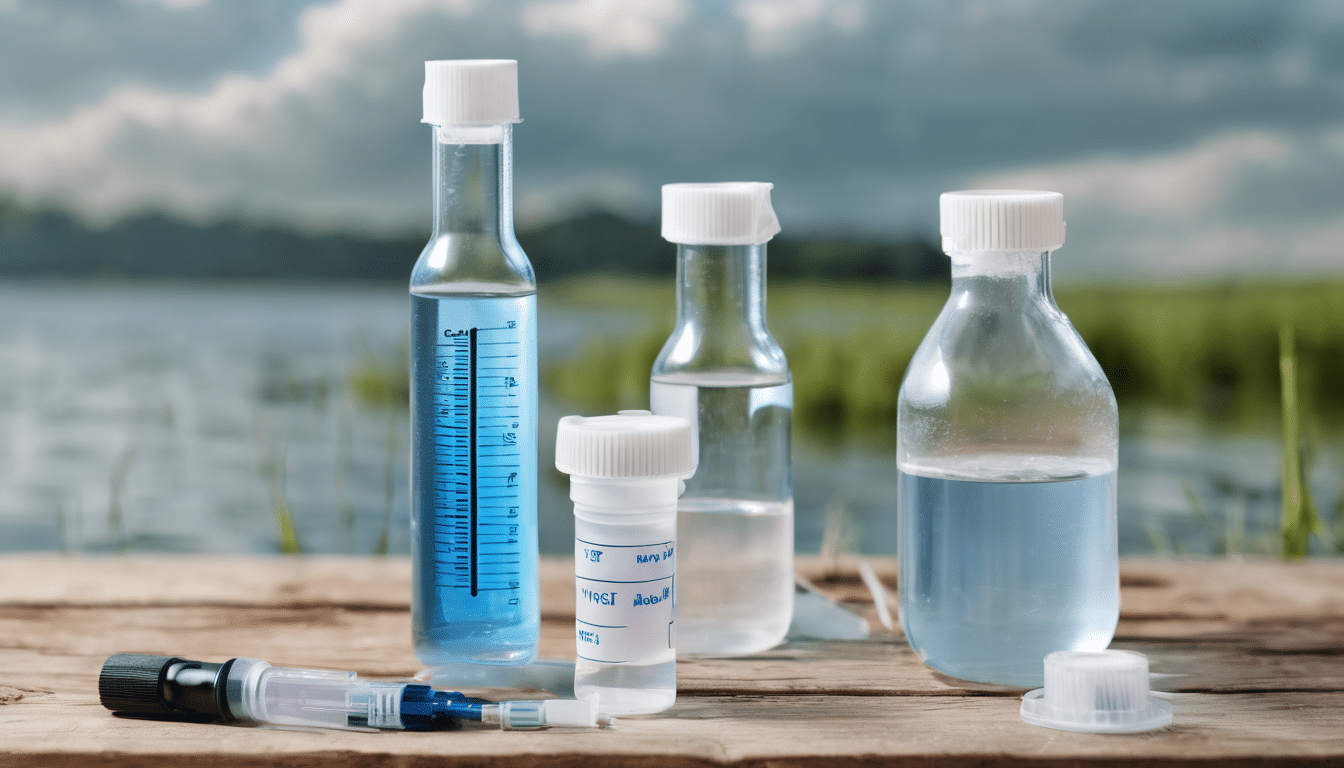
Water Quality Testing Kits What You Need to Know
Introduction to Water Quality Testing Kits: What You Need to Know
Water quality testing kits are essential tools for homeowners, property managers, and facility operators in the UAE. These kits enable users to assess the safety and purity of their water supply, ensuring that it is free from harmful contaminants. Here is everything you need to know about selecting, using, and understanding water quality testing kits to protect indoor health in UAE properties.
In a region where water is often imported or desalinated, understanding your water’s quality can be critical for maintaining indoor health. This relates directly to Water Quality Testing Kits: What You Need To Know.
Water Quality Testing Kits: What You Need To Know – Why Water Quality Matters for Indoor Environments
Water quality directly impacts the health and well-being of individuals within an indoor environment. Contaminants in water can lead to a range of health issues, including gastrointestinal problems, skin irritations, and even more severe conditions like kidney damage. Ensuring that your drinking water is safe and free from harmful substances not only protects your immediate family but also enhances the overall quality of life.
These health considerations highlight what homeowners and facility managers need to know when assessing water safety in indoor environments.
Water Quality Testing Kits: What You Need To Know – Types of Water Quality Testing Kits
Understanding the different kit options is one of the most important things you need to know before testing your home’s water supply.
Water quality testing kits come in various forms, each designed to detect specific contaminants. The most common types include:
- Total Dissolved Solids (TDS) Test Kits: Measure the overall mineral content in water.
- Bacteria and Pathogen Test Kits: Detect harmful bacteria such as E. coli, Salmonella, and Legionella.
- Nitrates and Nitrites Test Kits: Check for elevated levels of these compounds which can be toxic to children.
- Copper and Lead Test Kits: Identify heavy metals that may leach from plumbing fixtures or pipes.
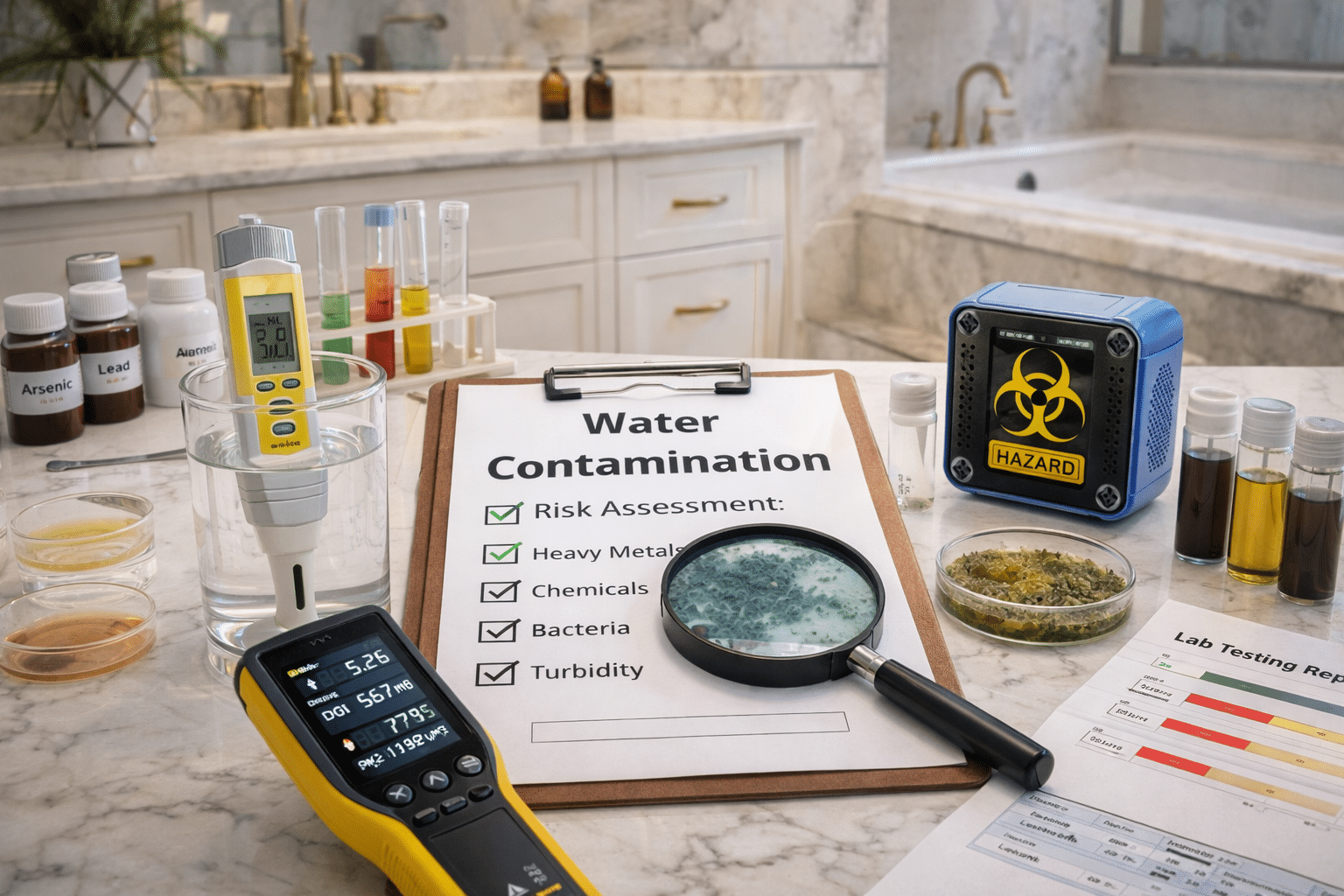
Common Contaminants and Their Detection
The UAE, with its unique environmental conditions, faces several water quality challenges. Here are some common contaminants detected by testing kits:
- Lead and Copper: These metals can leach from old plumbing and pipes into the water supply.
- Bacteria and Viruses: Pathogens such as E. coli and Giardia can contaminate municipal or private wells, posing health risks.
- Nitrates and Nitrites: These compounds may be present in agricultural runoff or industrial waste.
How to Choose the Right Kit for Your Home
Selecting a water quality testing kit involves several considerations. Here are key factors to evaluate:
- Scope of Testing: Determine what contaminants you need to test for based on your specific concerns.
- Accuracy and Reliability: Look for kits that have been tested by independent laboratories and have a high degree of accuracy.
- User-Friendliness: Choose kits with clear instructions, easy-to-read results, and minimal setup time.
- Cost: Consider the cost per test and whether it fits within your budget. Some kits can be expensive but offer comprehensive coverage.
Water Quality Testing Procedures: A Step-by-Step Guide
To ensure accurate results, follow these steps when using a water quality testing kit:
- Preparation: Clean the sampling container and any other equipment thoroughly.
- Sampling: Collect a representative sample from your tap or water source. Avoid areas where water may stagnate, such as hot water tanks.
- Testing: Follow the manufacturer’s instructions carefully to avoid contamination or errors in the results.
- Analyzing Results: Interpret the test results and compare them with local safety guidelines. Take immediate action if any contaminants are detected above acceptable levels.
Expert Tips for Homeowners Using Water Quality Testing Kits
To get the most out of your water quality testing kits, consider these expert tips:
- Regular Testing: Perform tests at least once a year to monitor changes in water quality.
- Filtering: If contaminants are detected, install appropriate filtration systems like reverse osmosis or carbon filters.
- Professional Consultation: For complex issues, consult with an environmental health expert for guidance on remediation.
Frequently Asked Questions (FAQs)
Here are some common questions about water quality testing kits:
- Q: How often should I test my water?
- A: At least once a year, and more frequently if you notice changes in taste or odor.
- Q: Can I use any water quality testing kit for all types of contaminants?
- A: No, different kits are designed to detect specific contaminants. Choose one that meets your needs.
- Q: What should I do if my test results show harmful levels of a contaminant?
- A: Consult an environmental health professional for remediation advice and take immediate steps to address the issue.
Conclusion and Next Steps
Water quality testing kits are indispensable tools in ensuring that your indoor environment remains safe and healthy. By understanding the importance of water quality, choosing the right kit, and following proper testing procedures, you can protect yourself and your family from potential health risks associated with contaminated water. Understanding Water Quality Testing Kits: What You Need To Know is key to success in this area.

JV de Castro, IAC2
JV de Castro is the Chief Technology Officer at Saniservice, where he leads innovation in indoor environmental sciences, IT infrastructure, and digital transformation. With over 20 years of experience spanning architecture, building science, technology management, digital media architecture, and consultancy, he has helped organizations optimize operations through smart solutions and forward-thinking strategies. JV holds a Degree in Architecture, a Masters of Research in Anthropology, an MBA in Digital Communication & Media, along with certifications in mold, building sciences and advanced networking. Passionate about combining technology, health, and sustainability, he continues to drive initiatives that bridge science, IT, and business impact.



Leave a Reply