



Quality: A Complete Guide to Indoor Air and Environmental Health
Understanding Test Indoor Air Quality: A Complete Guide is essential. —
—
Introduction to Indoor Air Quality Testing
Indoor air quality (IAQ) is a critical aspect of our living spaces, directly affecting the health and wellbeing of occupants. The term “How To Test Indoor Air Quality: A Complete Guide” encapsulates a comprehensive approach to understanding, measuring, and improving IAQ. This guide will cover essential methods, key indicators, testing procedures, and practical steps for maintaining healthy indoor environments.
—
Understanding How To Test Indoor Air Quality: A Complete Guide
IAQ encompasses various factors that can impact the air we breathe inside buildings. These include particulate matter, volatile organic compounds (VOCs), mold and fungi, radon gases, and other contaminants. Testing these elements is crucial for identifying potential health hazards and ensuring a safe living environment.
—
Test Indoor Air Quality: Selecting Appropriate Testing Methods
Choosing the right testing methods involves understanding the specific concerns and conditions of your indoor space. Common tests include:
- Air Quality Sampling: Collect air samples using spore traps, particle counters, and VOC analyzers.
- Mold Testing: Use swabs or tape lifts to collect mold spores for microscopic analysis.
- Radon Measurement: Employ short-term and long-term radon detectors to measure gas levels in your home.
- Microbiological Analysis: Test water samples for bacteria, protozoa, and viruses using culture-based techniques.
—
Key Indicators of Poor Indoor Air Quality
Poor IAQ can manifest through various symptoms and signs. Common indicators include:
- Symptoms: Respiratory issues, headaches, eye irritation, and skin rashes.
- Odors: Musty smells or strong chemical odors.
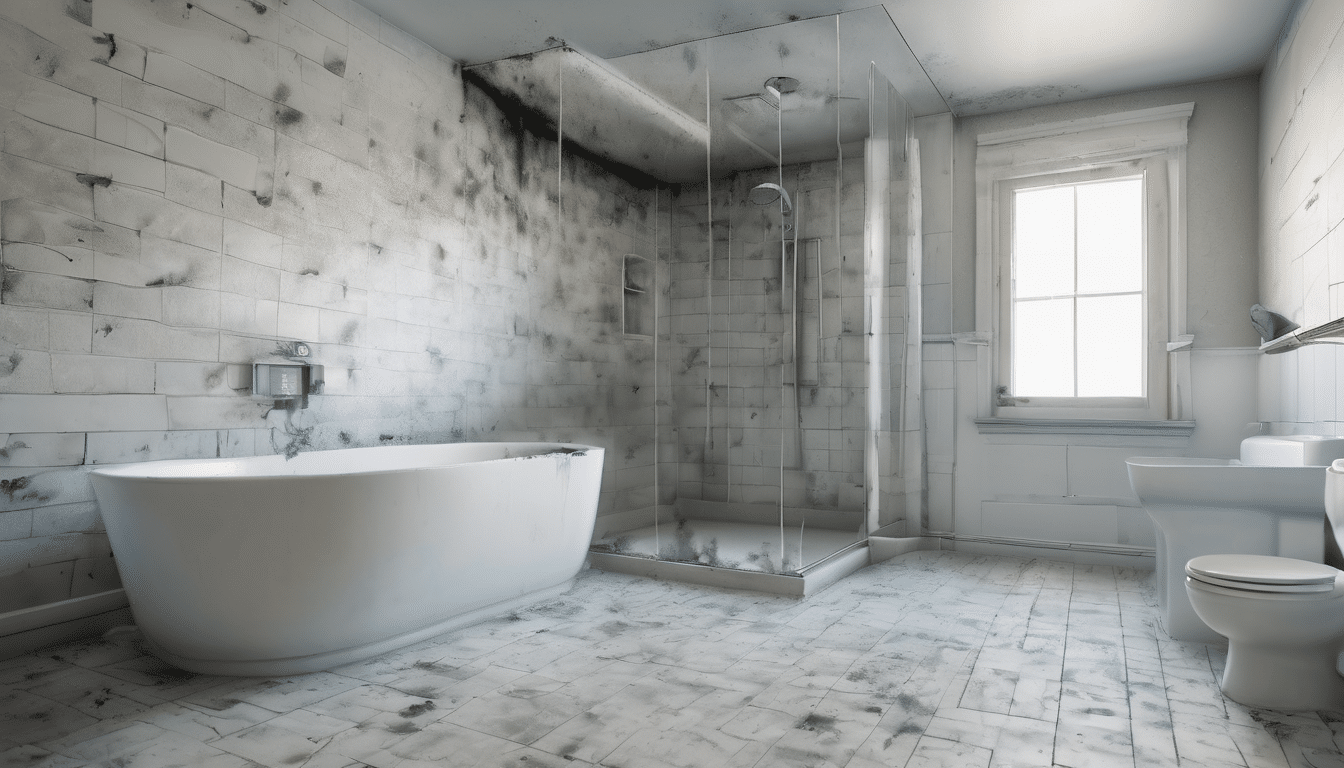
- Visible Contamination: Mold growth, dust accumulation, and water stains.
—
Testing for Particulate Matter and VOC Chemicals
Particulate matter (PM) and volatile organic compounds (VOCs) are significant contributors to poor IAQ. Testing these involves:
- PM Measurement: Using particulate counters or gravimetric methods.
- VOC Analysis: Employing gas chromatography-mass spectrometry (GC-MS) for accurate identification and quantification.
—
Measuring Radon Gases in Residences
Radon is a naturally occurring radioactive gas that can accumulate indoors. Key steps include:
- Testing Duration: Conduct both short-term and long-term tests to get accurate readings.
- Placement of Detectors: Ensure detectors are placed in areas with potential exposure, such as basements and ground floors.
—
Assessing Mold and Fungi Issues
Molds and fungi can proliferate under the right conditions. Key steps for assessment include:
- Visual Inspection: Look for visible mold growth, water damage, and damp areas.
- Microbiological Sampling: Collect samples using swabs or tape lifts for species identification.
—
Using Thermal Imaging for Hygrothermal Analysis
Thermal imaging helps identify moisture-related issues that can lead to mold growth and other IAQ problems. Key applications include:
- Detection of Moisture Anomalies: Identify cold spots, condensation areas, and water leaks.
- Analyzing Building Envelope Performance: Assess the effectiveness of insulation, air barriers, and vapor barriers.
—
Testing Air Quality in Commercial Spaces
Commercial buildings require different testing approaches due to their unique environments. Key considerations include:
- Occupant Health Monitoring: Regularly test for pollutants that affect office workers.
- HVAC System Efficiency: Ensure proper ventilation and filtration systems are in place.
—
Expert Tips for Testing Indoor Air Quality
To ensure accurate and effective testing, follow these expert tips:
- Consult Professionals: Engage with certified indoor air quality experts for comprehensive assessments.
- Diversify Sampling Methods: Use multiple types of detectors to get a holistic view of IAQ.
- Regular Monitoring: Conduct periodic tests to track changes and address emerging issues promptly.
—
Frequently Asked Questions About Indoor Air Quality Testing
- Q: How often should I test my indoor air quality?
- A: It is recommended to conduct at least one comprehensive test annually, especially in high-risk environments like hospitals and schools.
Q: Can you recommend specific testing kits for home use?
A: Yes, there are affordable DIY kits available for testing PM2.5, VOCs, and mold spores. However, professional tests provide more accurate data.
This relates directly to Test Indoor Air Quality: A Complete Guide.
Q: What should I do if my test results indicate poor IAQ?
A: Address the root causes of contamination by improving ventilation, addressing moisture issues, and cleaning or removing sources of pollutants.
—
Conclusion and Next Steps
Testing indoor air quality is an essential step towards creating healthier living spaces. By understanding the key indicators, selecting appropriate testing methods, and taking proactive measures to improve IAQ, you can protect yourself and your loved ones from potential health risks. Understanding Test Indoor Air Quality: A Complete Guide is key to success in this area.

JV de Castro, IAC2
JV de Castro is the Chief Technology Officer at Saniservice, where he leads innovation in indoor environmental sciences, IT infrastructure, and digital transformation. With over 20 years of experience spanning architecture, building science, technology management, digital media architecture, and consultancy, he has helped organizations optimize operations through smart solutions and forward-thinking strategies. JV holds a Degree in Architecture, a Masters of Research in Anthropology, an MBA in Digital Communication & Media, along with certifications in mold, building sciences and advanced networking. Passionate about combining technology, health, and sustainability, he continues to drive initiatives that bridge science, IT, and business impact.



Leave a Reply