


Health In Indoor: Air Quality Impacts On Child
Introduction
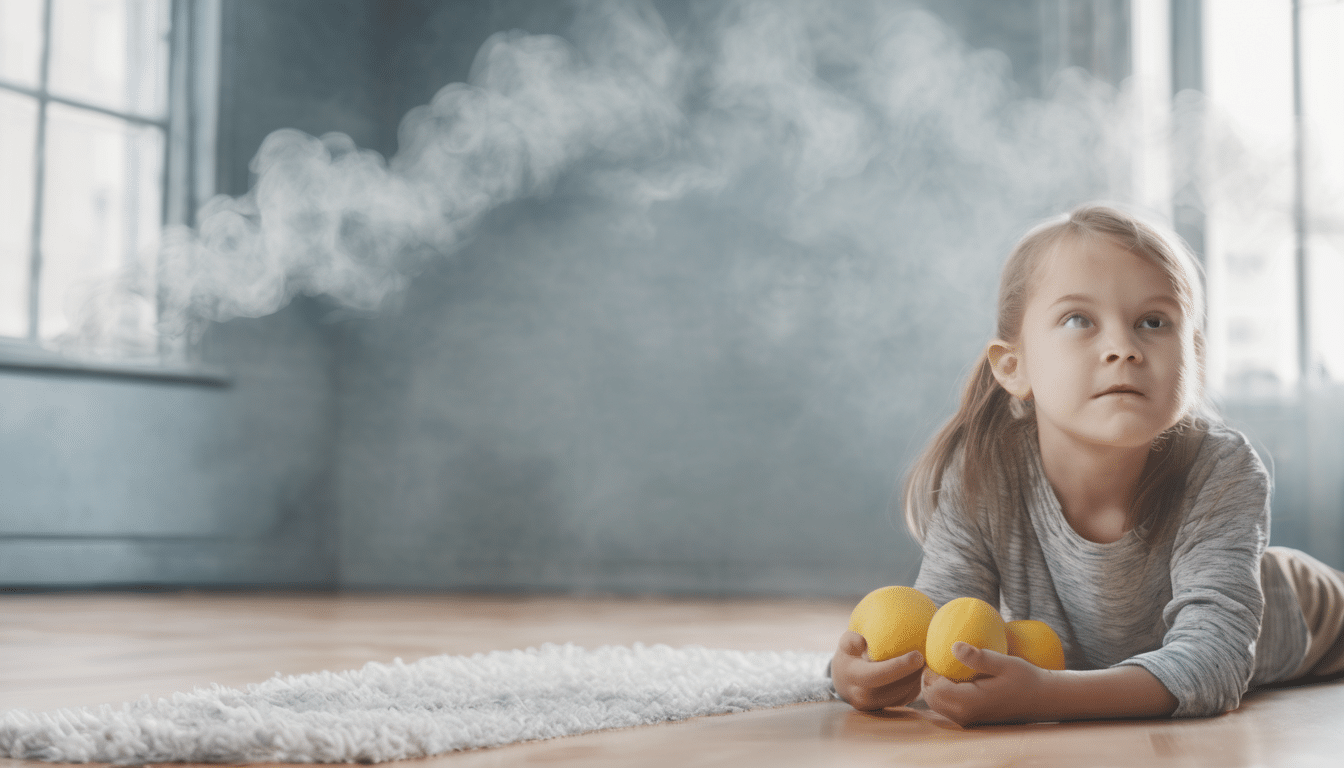
Understanding Air Quality Impacts On Child Health In Indoor Environments is essential. Air quality impacts child health in indoor environments more than many realize. Poor air quality can lead to respiratory issues, cognitive impairment, and a weakened immune system. This article aims to provide an in-depth understanding of how indoor air pollution affects children’s health, offering practical solutions for improvement.
Air Quality Impacts On Child Health In Indoor Environments – Air Quality and Child Health
Poor air quality in indoor environments can have severe consequences for children’s health. The American Lung Association reports that indoor air pollutants are often two to five times higher than outdoor levels, with children being particularly vulnerable due to their smaller lungs and more active lifestyles.
Respiratory Issues
Children exposed to poor indoor air quality may experience respiratory issues such as asthma, bronchitis, and chronic obstructive pulmonary disease (COPD). These conditions can lead to frequent hospitalizations, missed school days, and reduced physical activity.
Immune System Weakening
Long-term exposure to indoor air pollutants can weaken the immune system, making children more susceptible to infections. Studies have shown that indoor allergens like dust mites, mold spores, and pet dander can trigger allergic reactions in children.
Cognitive Impairment
Recent research indicates a link between poor air quality and cognitive impairment in children. Exposure to pollutants such as particulate matter (PM2.5) and volatile organic compounds (VOCs) can affect brain development, impacting memory, attention, and learning abilities. This relates directly to Air Quality Impacts On Child Health In Indoor Environments.
Air Quality Impacts On Child Health In Indoor Environments – Hidden Mold in Dubai Villas: Identifying and Remediating
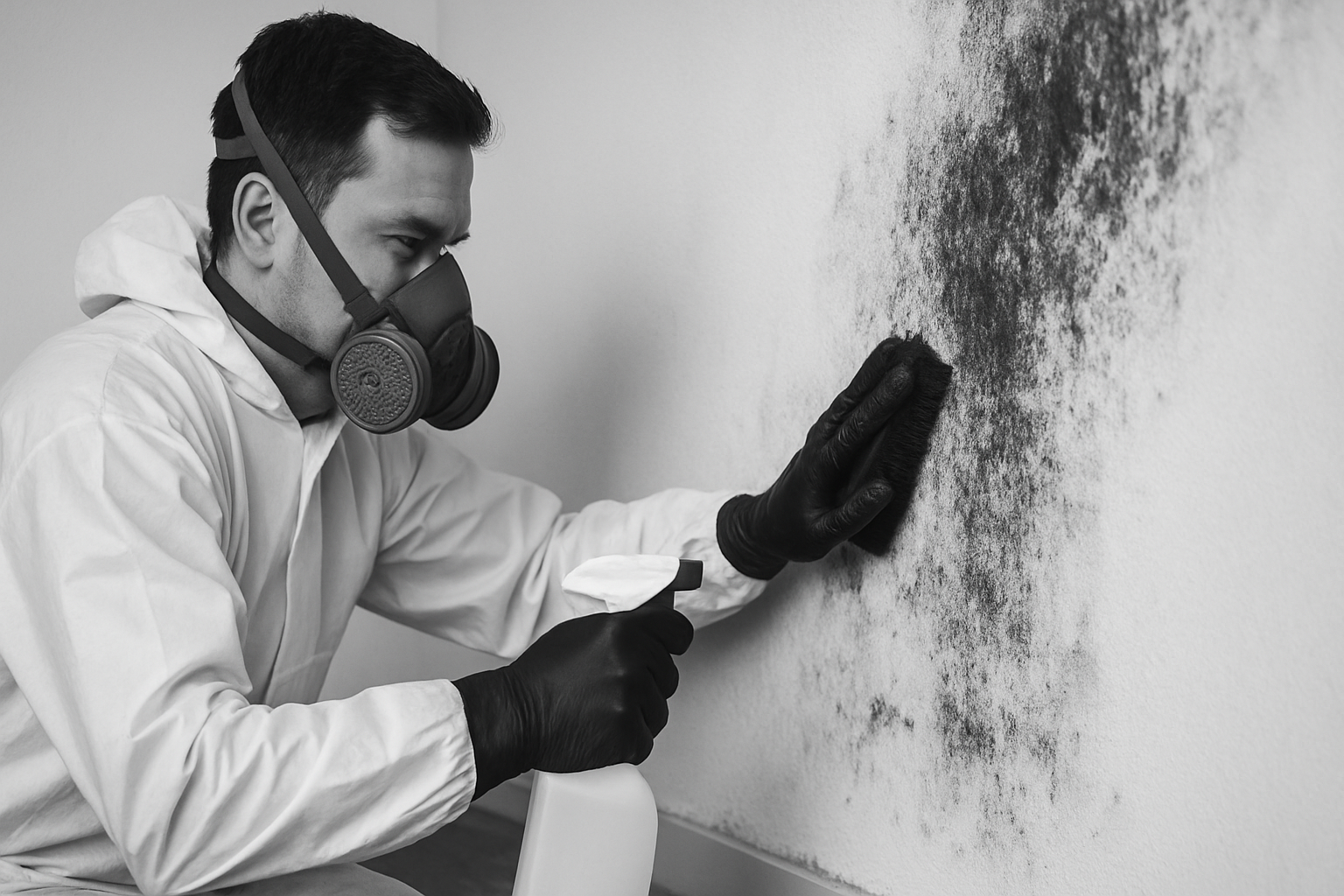
Dubai’s climate—hot and humid—creates ideal conditions for mold growth. Hidden mold poses a significant threat to children’s health as it can release mycotoxins that are harmful when inhaled.
Hidden Mold Identification
Using thermal imaging and moisture mapping techniques, we can identify hidden mold growth behind walls, under floors, and within HVAC systems. These methods allow us to pinpoint the exact location of contamination, ensuring targeted remediation efforts.
Remediation Strategies
Effective mold remediation requires a comprehensive approach that addresses both biological contamination and building defects. This includes installing proper drainage, sealing gaps in wall structures, and implementing continuous moisture monitoring systems to prevent future outbreaks.
Air Quality Impacts On Child Health In Indoor Environments – Water Tank Contamination Risks for Residential Properties
Water tanks can harbor bacteria, protozoa, and viruses that pose a risk to children’s health. Regular maintenance is crucial to ensure water quality remains safe. When considering Air Quality Impacts On Child Health In Indoor Environments, this becomes clear.
Bacterial Loads
E. coli and Legionella are common contaminants found in residential water systems. These bacteria can cause severe illnesses when ingested or inhaled, making regular water testing essential for families with children.
Water Filtration Systems
Advanced filtration technologies such as reverse osmosis (RO) and ultraviolet (UV) light treatment systems can significantly reduce the risk of waterborne pathogens. Installing these systems is a practical step to protect your family’s health.
Ventilation Solutions for Reducing Indoor Air Pollution
Effective ventilation is key to maintaining good indoor air quality. Properly designed HVAC systems and natural ventilation strategies can help reduce pollutant levels, creating healthier living environments.
Read more: Water Tank Contamination Risks For Residential Properties
Mechanical Ventilation
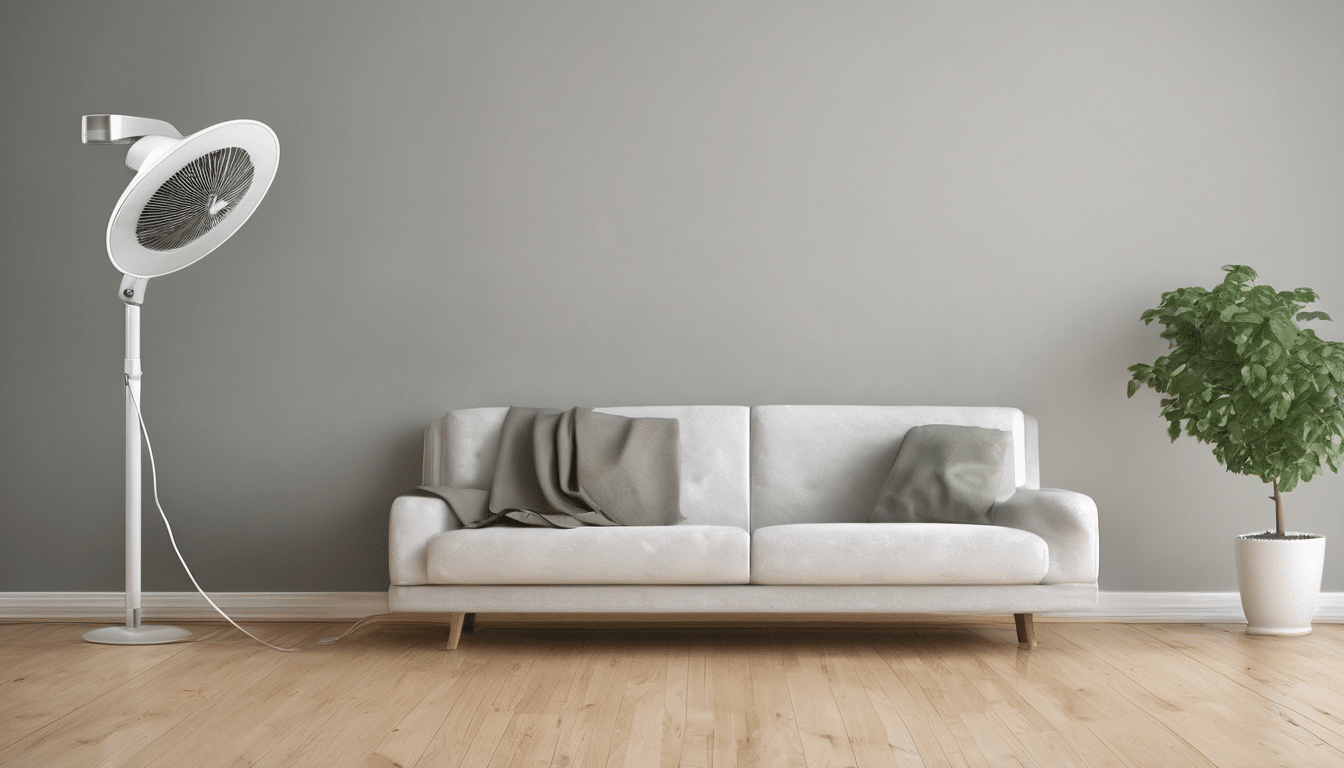
Installing energy-efficient exhaust fans, air purifiers, and air-to-air heat exchangers can improve air circulation and remove pollutants. These devices are particularly useful in areas with high indoor moisture content. The importance of Air Quality Impacts On Child Health In Indoor Environments is evident here.
Natural Ventilation Strategies
Opening windows during cooler hours, using skylights, and installing solar-powered fans can enhance natural ventilation without relying on mechanical systems. This approach is especially beneficial for reducing humidity levels in hot desert climates like Dubai.
Expert Tips for Improving Air Quality in Your Home
Improving indoor air quality requires a multi-faceted approach that addresses both biological and chemical pollutants. Here are some practical tips to help you create a healthier living environment:
- Regularly test your home’s air quality using professional services.
- Use high-efficiency particulate air (HEPA) filters in your HVAC systems to capture tiny particles.
- Keep indoor humidity levels below 60% by using dehumidifiers and maintaining proper ventilation.
- Regularly clean surfaces, carpets, and curtains to reduce dust mite populations.
- Use non-toxic cleaning products to minimize VOC emissions.
Frequently Asked Questions (FAQ)
- Q: How often should I test my home’s air quality?
- A: At least once a year, or more frequently if you notice any changes in indoor air quality. Regular testing helps identify potential issues early.
- Q: Can indoor plants improve air quality?
- A: Yes, certain indoor plants can help remove pollutants from the air. However, they should be used as a complement to other air purification methods rather than a sole solution.
- Q: What are some signs that my home’s air quality is poor?
- A: Common signs include frequent respiratory issues, allergy symptoms, and an unpleasant odor. If you notice any of these, it may be time to investigate your indoor environment further.
Understanding Air Quality Impacts On Child Health In Indoor Environments helps with this aspect.
Conclusion
Air quality in indoor environments has a profound impact on child health, influencing their development, immune system, and overall well-being. By understanding the specific challenges faced by families living in Dubai and implementing practical solutions such as hidden mold remediation, water tank maintenance, and effective ventilation strategies, you can create healthier living spaces for your children. Understanding Air Quality Impacts On Child Health In Indoor Environments is key to success in this area.

JV de Castro, IAC2
JV de Castro is the Chief Technology Officer at Saniservice, where he leads innovation in indoor environmental sciences, IT infrastructure, and digital transformation. With over 20 years of experience spanning architecture, building science, technology management, digital media architecture, and consultancy, he has helped organizations optimize operations through smart solutions and forward-thinking strategies. JV holds a Degree in Architecture, a Masters of Research in Anthropology, an MBA in Digital Communication & Media, along with certifications in mold, building sciences and advanced networking. Passionate about combining technology, health, and sustainability, he continues to drive initiatives that bridge science, IT, and business impact.


Leave a Reply