


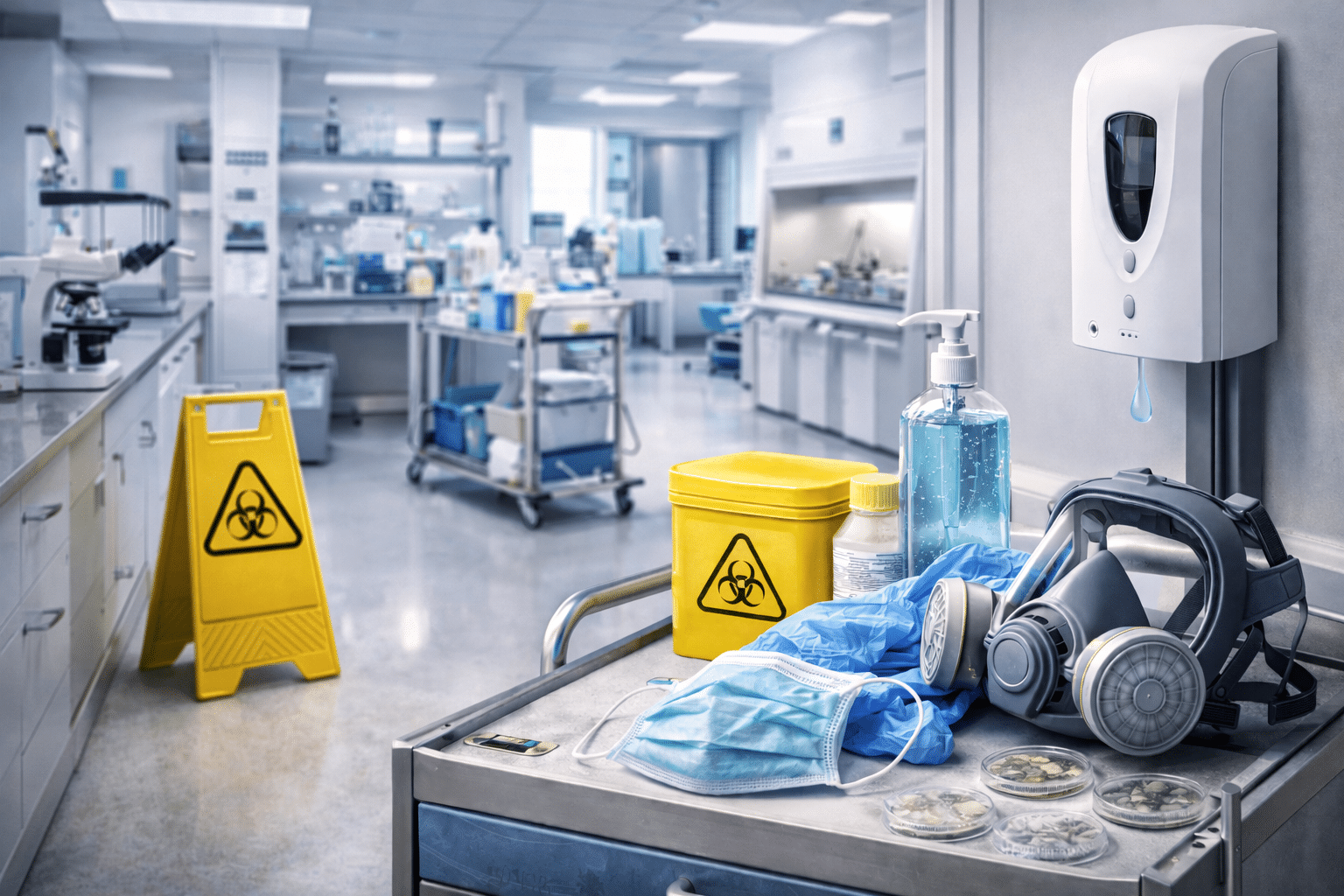
Best Practices For Environmental Infection Prevention and Control
Table of Contents
Understanding Best Practices for Environmental Infection Prevention and Control
Environmental infection prevention and control (IPC) is a multifaceted approach to reduce the risk of infectious diseases spreading through the environment. This section will provide an overview of key principles and practices essential for maintaining a clean and healthy indoor environment.
The primary goal of IPC is to minimize the presence of pathogens, such as bacteria, viruses, fungi, and parasites, in the built environment. By adhering to best practices, we can create safer spaces that protect individuals from illnesses caused by environmental factors.
Best Practices For Environmental Infection Prevention And Control – Key Components of Environmental Infection Prevention and Con
Effective environmental infection prevention and control involves several key components:
- Hygiene Practices: Promoting regular cleaning, handwashing, and disinfection to remove or kill pathogens.
- Air Quality Management: Ensuring proper ventilation and air filtration systems to maintain clean indoor air.
- water Quality Monitoring: Regularly testing water sources for contaminants and ensuring safe consumption.
- mold and Fungi Control: Preventing and managing mold growth to avoid associated health issues.
- Thermal Imaging: Utilizing thermal imaging technology to detect hidden moisture, which can foster microbial growth.
- Training Programs: Educating staff and residents on proper hygiene practices and IPC strategies.
Developing a Comprehensive Environmental Hygiene Plan
A comprehensive environmental hygiene plan is essential for effective infection prevention. This section outlines the steps to create such a plan:
- Assessment and Planning: Conduct a thorough assessment of current practices, identify areas for improvement, and set specific goals.
- Resource Allocation: Allocate resources, including budget, personnel, and equipment, necessary for implementing the hygiene plan.
- Implementation: Develop detailed procedures and protocols for cleaning, disinfection, and monitoring environmental conditions.
- Evaluation and Improvement: Regularly evaluate the effectiveness of the plan and make adjustments as needed to ensure continuous improvement.
Implementing Efficacious Disinfection Methods and Procedures
Disinfection is a critical component of environmental infection prevention. Effective disinfection methods include:
- Chemical Disinfectants: Using appropriate chemical agents to kill or inactivate pathogens.
- Heat Treatment: Applying heat through steam cleaning or autoclaving to eliminate microorganisms.
- Natural Disinfectants: Utilizing natural substances like vinegar, baking soda, and lemon juice for disinfection purposes.
Proper procedures should be established for the safe and effective use of these methods. For example, thermal imaging can help identify areas requiring additional cleaning or disinfection.
Maintaining Indoor Air Quality for Health and Wellbeing
Indoor air quality (IAQ) significantly impacts health and wellness. Effective IAQ management involves:
- Ventilation: Ensuring proper ventilation to remove contaminants and introduce fresh air.
- Air Filtration: Using HEPA filters or other advanced filtration systems to capture airborne particles.
- Moisture Control: Managing moisture levels through dehumidifiers, air conditioning, and sealing leaks.
Maintaining IAQ is crucial in preventing respiratory issues and enhancing overall health. Thermal imaging can identify areas with high moisture content that may contribute to indoor air quality problems.
Managing Water Systems to Reduce Infections
Water systems can harbor numerous contaminants that pose health risks. Effective management includes:
- Regular Testing: Conducting routine water quality tests to identify potential sources of contamination.
- Disinfection: Using appropriate methods, such as chlorination or UV treatment, to ensure water safety.
- Filtration Systems: Installing advanced filtration systems to remove impurities and microorganisms.
Preventing Mold and Fungi Growth
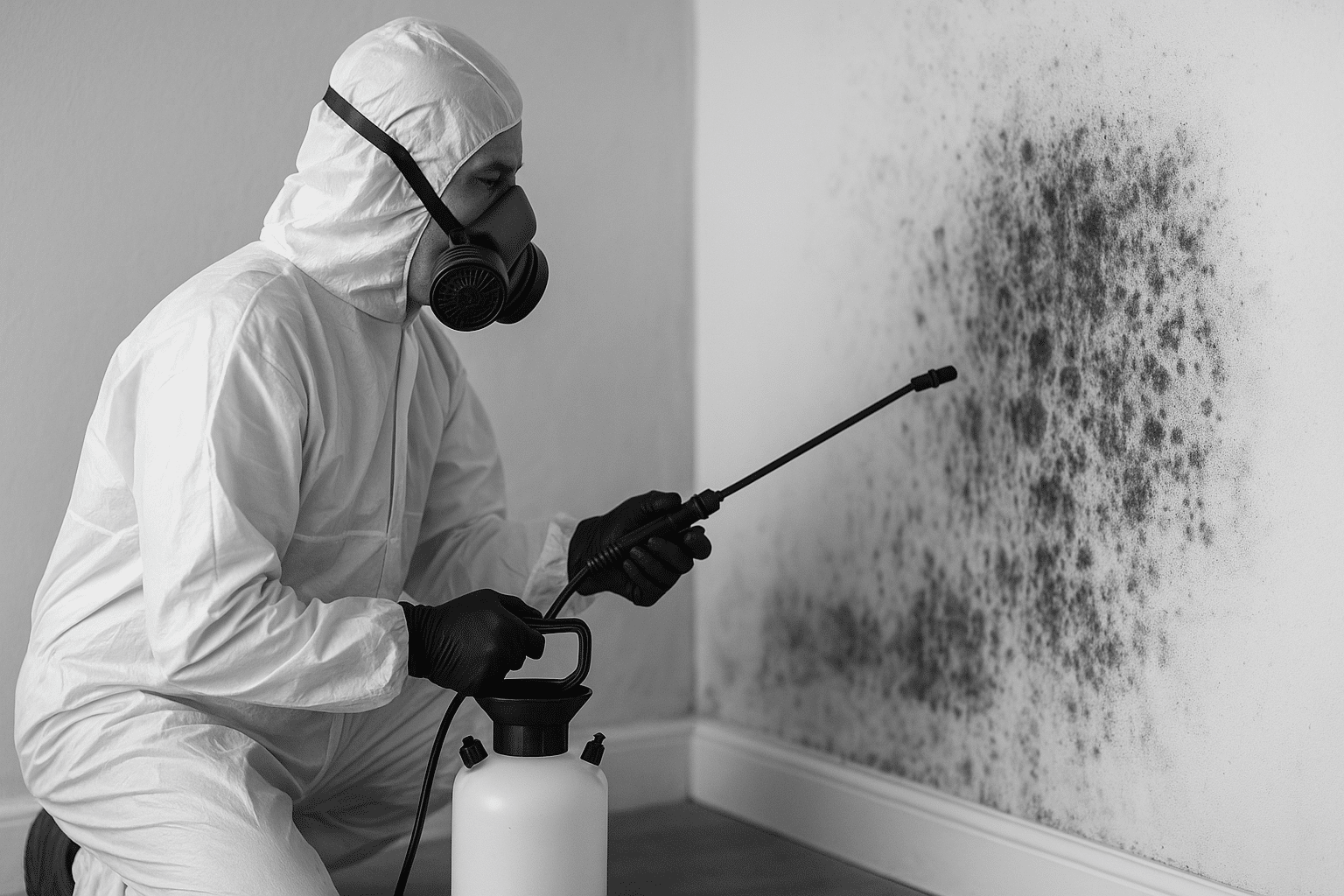
Mold and fungi can pose significant health risks, particularly in damp environments. Strategies for prevention include:
- Moisture Control: Managing moisture levels through proper ventilation, dehumidification, and sealing leaks.
- Material Selection: Choosing materials resistant to mold growth when constructing or renovating buildings.
- Regular Inspections: Conducting regular visual and microscopic inspections to detect early signs of mold.
Using Thermal Imaging for Effective Diagnosis and Treatment
Thermal imaging is a powerful tool in environmental infection prevention. It helps identify:
- Hidden Moisture: Areas with hidden moisture that may support microbial growth.
- Airflow Patterns: Unusual airflow patterns that can spread contaminants.
- Temperature Variations: Temperature differences that indicate potential health risks or areas for improvement.
This technology allows for the detection of issues that may be overlooked, enabling more effective treatment and prevention strategies. Case studies can provide practical examples of how thermal imaging has been used successfully.
Training Personnel on Environmental Infection Prevention Strategies
Training is crucial for ensuring that everyone involved understands and adheres to infection prevention protocols. This section covers:
- Regular Training Sessions: Conducting ongoing training sessions for staff, students, and residents.
- Proper Techniques: Teaching proper handwashing techniques, use of personal protective equipment (PPE), and other hygiene practices.
- Emergency Procedures: Establishing procedures for responding to environmental health emergencies.
Case Studies Highlighting Best Practices
Case studies provide real-world examples of how best practices have been successfully implemented. For instance, in Dubai, a hospital implemented a comprehensive hygiene plan that included regular training sessions and the use of thermal imaging to detect hidden moisture. As a result, infection rates dropped significantly, and patient satisfaction improved.
Expert Tips for Environmental Infection Prevention and Control
Here are some expert tips to enhance your environmental infection prevention efforts:
- Regular Monitoring: Continuously monitor the environment using advanced tools like thermal imaging.
- Collaboration: Work with interdisciplinary teams, including healthcare professionals and facility managers, for comprehensive solutions.
- Education: Educate the public on the importance of environmental hygiene practices.
Frequently Asked Questions About Environmental Infection Prevention and Control
Here are answers to some commonly asked questions:
- Q1: How often should I conduct environmental monitoring?
- Regularly, at least monthly, or as needed based on specific circumstances.
- Q2: What are the most effective disinfection methods for surfaces?
- Using EPA-registered disinfectants, steam cleaning, and natural disinfectants like vinegar and baking soda.
- Q3: How can I improve indoor air quality in a building with limited resources?
- Start by improving ventilation, using HEPA filters, and sealing leaks to reduce moisture accumulation.
Conclusion of the Best Practices for Environmental Infection Prevention and Control Guide
In conclusion, implementing best practices for environmental infection prevention and control is essential to maintaining a clean and healthy environment. By following these guidelines, you can significantly reduce the risk of infections spreading through your indoor spaces. Regular monitoring, effective disinfection methods, and proper training are key components in achieving this goal.


JV de Castro, IAC2
JV de Castro is the Chief Technology Officer at Saniservice, where he leads innovation in indoor environmental sciences, IT infrastructure, and digital transformation. With over 20 years of experience spanning architecture, building science, technology management, digital media architecture, and consultancy, he has helped organizations optimize operations through smart solutions and forward-thinking strategies. JV holds a Degree in Architecture, a Masters of Research in Anthropology, an MBA in Digital Communication & Media, along with certifications in mold, building sciences and advanced networking. Passionate about combining technology, health, and sustainability, he continues to drive initiatives that bridge science, IT, and business impact.


Leave a Reply