


Why Airborne Sampling is Crucial for Accurate Testing
Understanding Why Airborne Sampling is Crucial for Accurate Testing
Airborne mycotoxin sampling is essential because it provides a more comprehensive picture of the indoor environment. Mycotoxins, harmful fungi by-products, can disperse through the air and settle on various surfaces. Surface sampling alone may miss these airborne spores, leading to incomplete or inaccurate testing results. This relates directly to Why Airborne Sampling Is Crucial For Accurate Testing.
Why Airborne Sampling Is Crucial For Accurate Testing – Airborne vs. Surface Sampling
Surface Sampling: This traditional method involves collecting samples from specific areas of a building, such as walls, floors, and surfaces where mold growth is suspected. However, it only captures what’s physically present on the surface and may not account for airborne spores that could be circulating in the air.
Airborne Sampling: This technique involves collecting samples directly from the air to detect mycotoxin-containing fungal spores. It provides a more accurate picture of potential exposure, as it measures both settled and airborne contaminants. When considering Why Airborne Sampling Is Crucial For Accurate Testing, this becomes clear.
Why Airborne Sampling Is Crucial For Accurate Testing – Top Reasons Airborne Sampling is Crucial
- Comprehensive Detection: By sampling air, we can identify mycotoxin-containing spores that may not be visible or easily detected on surfaces. This ensures a more complete assessment of the indoor environment.
- Real-Time Monitoring: Airborne sampling allows for real-time monitoring of potential contamination sources, providing immediate insights into any airborne risks and enabling timely interventions.
- Improved Health Outcomes: Accurate testing through airborne methods helps in identifying and addressing mycotoxin exposure, leading to better health outcomes for occupants. This is particularly important in residential settings where individuals spend a significant amount of time indoors.
How Airborne Sampling Works
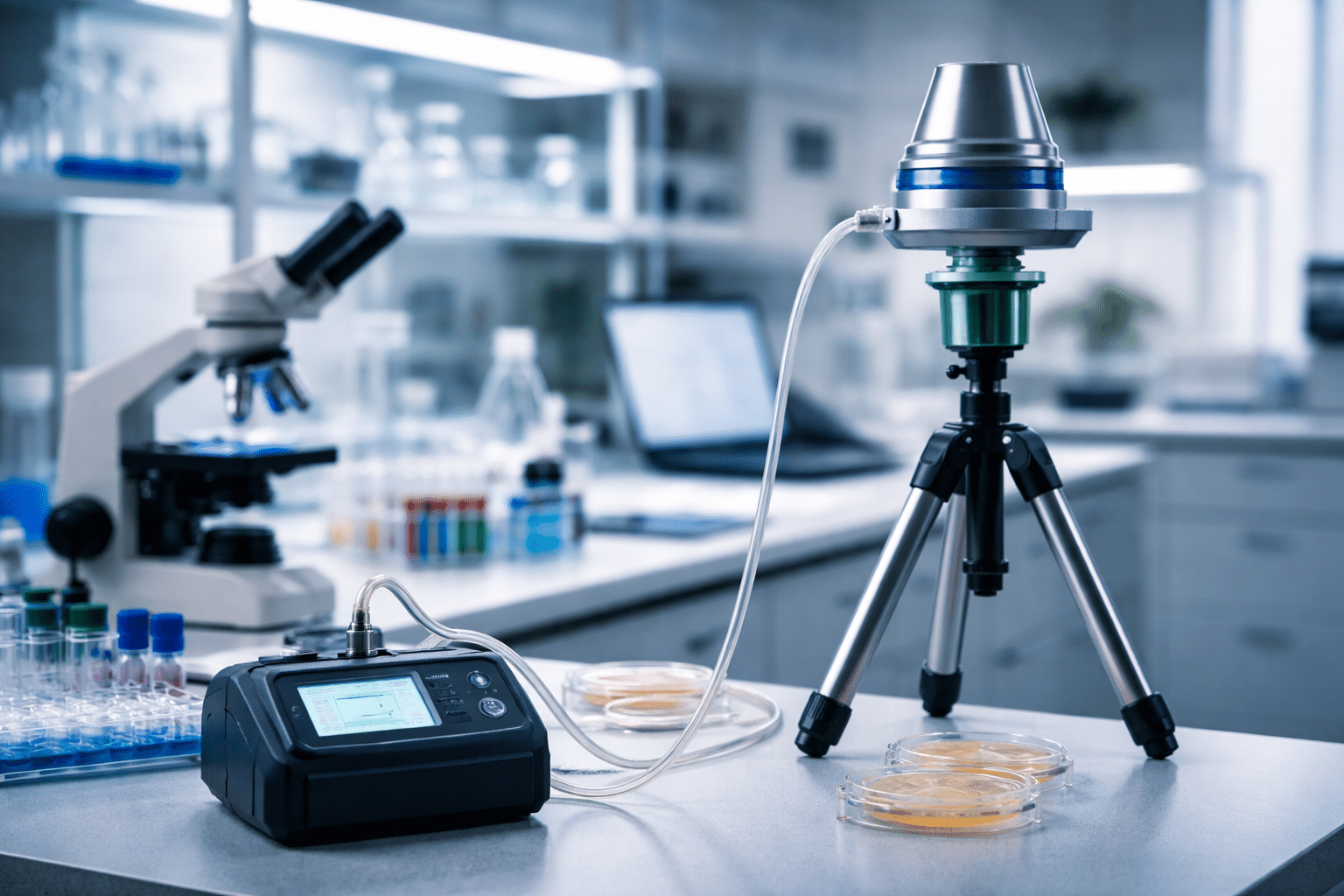
Airborne sampling typically involves the use of specialized equipment that can capture microscopic fungal spores suspended in the air. These samples are then analyzed for mycotoxin content, providing valuable data on potential contamination levels and sources.
Air Sampling Devices
- Spore Trap: Collects airborne spores by drawing a known volume of air through a filter that captures the particles. The collected material is then analyzed for mycotoxins.
- Tape Lift Method: Uses adhesive tape to sample surfaces, but can be modified to capture airborne samples by using a special setup or by adapting the method in real-time during air sampling.
Why Airborne Sampling is Especially Important in Homes
Homes are complex environments with numerous sources of mycotoxin exposure, including hidden mold growth behind walls and under floors. Airborne sampling can detect these invisible threats, ensuring a safer living environment for families. The importance of Why Airborne Sampling Is Crucial For Accurate Testing is evident here.
Cases Studies
- Case Study 1: In a residential villa in Dubai, surface sampling failed to reveal any visible mold or elevated mycotoxin levels. However, airborne sampling detected significant spore counts, leading to the discovery of hidden mold growth behind skirting boards and under floors.
- Case Study 2: A family experienced chronic respiratory issues despite maintaining a clean home. Airborne sampling revealed high levels of airborne mycotoxins, traced back to moisture issues in the HVAC system. Addressing these underlying issues resolved their health concerns.
Managing Mycotoxin Risk Through HVAC Maintenance
Heating, Ventilation, and Air Conditioning (HVAC) systems play a critical role in maintaining indoor air quality. Proper maintenance can prevent moisture accumulation and reduce the risk of mold growth, which in turn minimizes mycotoxin exposure.
Steps to Maintain HVAC Systems
- Regular Cleaning: Clean or replace filters regularly to ensure proper airflow and prevent dust buildup that can harbor fungal spores.
- Moisture Control: Inspect and address any moisture issues within the system, such as leaks or condensation. Proper drainage systems are essential to prevent water accumulation.
- Professional Maintenance: Have your HVAC system inspected by a professional at least annually to ensure it is functioning optimally and not contributing to indoor air pollution.
Pricing Guide for Airborne Sampling
The cost of airborne sampling can vary based on several factors, including the complexity of the project, the type of equipment used, and the extent of the testing required. Here is a general breakdown: Understanding Why Airborne Sampling Is Crucial For Accurate Testing helps with this aspect.
| Factor | Description | Pricing Range (AED) |
|---|---|---|
| Sample Collection Method | Spore traps vs. tape lift method | AED 500 – AED 2,000 per sampling session |
| Test Location | Residential home vs. commercial building | AED 1,000 – AED 4,000 for a full assessment |
| Testing Extent | Single room vs. entire building | AED 2,500 – AED 10,000 depending on area tested |
Expert Tips for Accurate Testing
- Comprehensive Sampling: Conduct both airborne and surface sampling to ensure a thorough assessment of the indoor environment.
- Real-Time Monitoring: Use real-time monitoring devices to track mycotoxin levels continuously, providing immediate feedback on any changes in air quality.
- Data Interpretation: Work with professionals who have experience interpreting airborne sampling results and can provide actionable insights based on the data collected.
FAQ Section
-
- Q: Why should I choose airborne over surface sampling?
A: Airborne sampling provides a more comprehensive view of mycotoxin levels, including those that may be invisible on surfaces. It helps identify hidden sources and ensures accurate testing.
-
- Q: How often should I conduct airborne sampling in my home?
A: Conduct regular tests (at least annually) to monitor changes in air quality and address any issues promptly.
-
- Q: What are the key steps in maintaining an HVAC system for mycotoxin prevention?
A: Regular cleaning, moisture control, and professional maintenance can help prevent mold growth and reduce mycotoxin exposure. Check your system annually to ensure it is functioning optimally.
Conclusion
Accurate testing for mycotoxins requires a thorough approach that includes both airborne and surface sampling methods. Airborne sampling provides a more complete picture of the indoor environment, ensuring that hidden sources of contamination are identified. By understanding the importance of these techniques and implementing them effectively, we can create safer living environments for our families. Understanding Why Airborne Sampling Is Crucial For Accurate Testing is key to success in this area.

JV de Castro, IAC2
JV de Castro is the Chief Technology Officer at Saniservice, where he leads innovation in indoor environmental sciences, IT infrastructure, and digital transformation. With over 20 years of experience spanning architecture, building science, technology management, digital media architecture, and consultancy, he has helped organizations optimize operations through smart solutions and forward-thinking strategies. JV holds a Degree in Architecture, a Masters of Research in Anthropology, an MBA in Digital Communication & Media, along with certifications in mold, building sciences and advanced networking. Passionate about combining technology, health, and sustainability, he continues to drive initiatives that bridge science, IT, and business impact.




Leave a Reply