



Impact Of Humidity On Indoor Air Quality and Health
Impact Of Humidity On Indoor Air Quality And Health – Understanding Humidity and Indoor Air Quality
Humidity plays a critical role in maintaining healthy indoor environments. In this comprehensive guide, we will delve into the intricate relationship between humidity levels and IAQ, exploring how these factors impact our respiratory systems, microbial growth, and overall health. By understanding the science behind these interactions, you can take proactive steps to ensure your home or workplace remains a healthy environment. This relates directly to Impact Of Humidity On Indoor Air Quality And Health.
From mold proliferation to asthma triggers, this article will provide actionable insights on managing humidity levels effectively. We’ll cover key concepts such as relative humidity (RH), dew point, and moisture mapping, all of which are essential for maintaining optimal IAQ in indoor spaces.
Impact Of Humidity On Indoor Air Quality And Health – Measuring Humidity in Indoor Spaces
Accurate measurement of humidity is crucial for maintaining healthy indoor environments. Various tools can help monitor RH levels:
- Hygrometers: These devices measure relative humidity and temperature, providing real-time data.
- Thermohygrometers: Combines thermometers with hygrometers for comprehensive air quality monitoring.
- Smart Sensors: Modern sensors can be integrated into building management systems (BMS) for automated humidity control and reporting.
Maintaining consistent RH levels is essential. Regular monitoring ensures that the indoor environment remains healthy, reducing the risk of mold growth and other IAQ issues.
Impact Of Humidity On Indoor Air Quality And Health – Effect of Humidity on Mold Growth
Mold thrives in environments with high humidity levels, making it a significant concern for maintaining good indoor air quality. Excessive moisture provides the necessary conditions for mold spores to germinate and grow. When considering Impact Of Humidity On Indoor Air Quality And Health, this becomes clear.
Hidden Mold Risk Areas
- Basements: Often retain high humidity due to poor ventilation and proximity to soil moisture.
- Bathrooms: High water usage leads to increased humidity, making them prime areas for mold growth.
- Kitchens: Cooking activities produce steam, which can contribute to elevated RH levels if not properly ventilated.
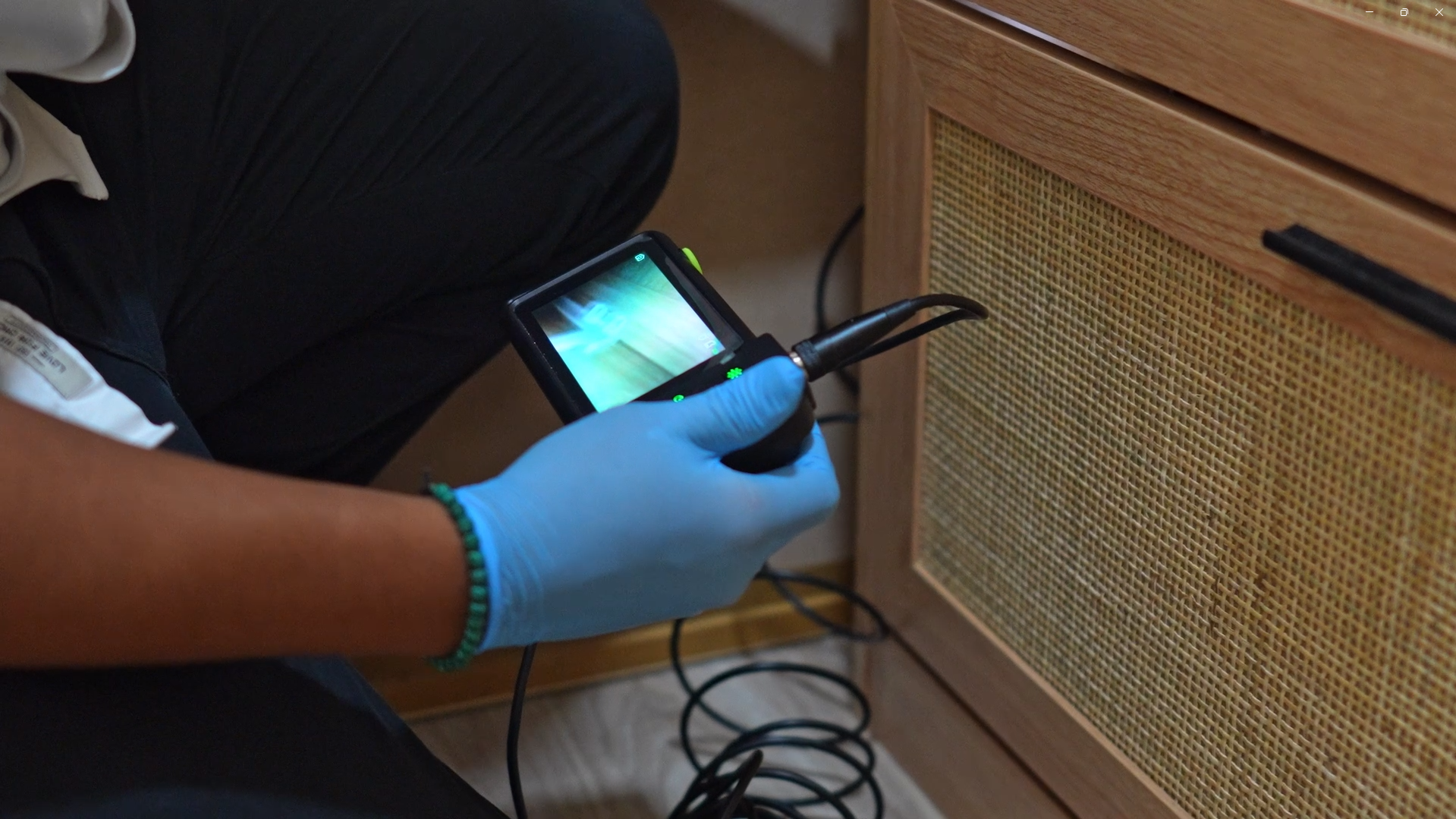
Mold testing and remediation are critical steps in managing IAQ. Regular inspections using thermal imaging and moisture meters help identify hidden contamination that may otherwise go unnoticed.
Humidity and Respiratory Health
Respiratory health is closely linked to indoor air quality, with humidity playing a significant role in triggering or exacerbating respiratory conditions. Excessive moisture can lead to the growth of allergens, irritants, and pathogens that affect lung function. The importance of Impact Of Humidity On Indoor Air Quality And Health is evident here.
Asthma and Respiratory Issues
- Asthmatic Triggers: High humidity levels can worsen asthma symptoms by increasing the presence of mold spores, dust mites, and other allergens.
- Respiratory Infections: Viral and bacterial infections thrive in damp environments. Maintaining proper humidity levels reduces the risk of respiratory illnesses.
Evidence-based practices such as using air purifiers with HEPA filters, maintaining adequate ventilation, and addressing moisture issues promptly can significantly improve respiratory health in indoor spaces.
Managing Indoor Humidity for Better Health
Effective management of indoor humidity requires a multi-faceted approach that addresses both the sources of moisture and the methods of control. Implementing these strategies can help maintain optimal IAQ levels, reducing health risks associated with excessive moisture. Understanding Impact Of Humidity On Indoor Air Quality And Health helps with this aspect.
Ventilation Strategies
- Natural Ventilation: Open windows during favorable weather conditions to allow fresh air exchange and reduce indoor humidity.
- Exhaust Fans: Install exhaust fans in bathrooms, kitchens, and other moisture-prone areas to remove excess moisture promptly.
- Dedicated Dehumidifiers: Use dehumidifiers during humid seasons or in high-moisture areas to maintain RH levels within the optimal range.
Building Envelopes and Materials
- Vapor Barriers: Install vapor barriers on exterior walls, floors, and ceilings to prevent moisture intrusion from the outside environment.
- Insulation: Proper insulation reduces heat loss, preventing condensation at cold surfaces. This helps maintain consistent indoor temperatures and RH levels.
- Waterproofing Systems: Apply waterproofing treatments to basement walls and floors to prevent water penetration from the ground.
Expert Tips on Maintaining Optimal IAQ
To ensure your indoor environment remains healthy, follow these expert tips:
- Monitor RH Levels: Use hygrometers and thermohygrometers to track humidity levels regularly.
- Address Moisture Sources: Identify and remediate any sources of moisture, such as leaks or condensation points.
- Use Air Purifiers: Equip your home with air purifiers that can filter out mold spores, dust mites, and other allergens.
- Regular Maintenance: Schedule regular maintenance for HVAC systems to ensure proper ventilation and filtration.
- Professional Inspections: Conduct periodic inspections using thermal imaging and moisture meters to detect hidden contamination.
FAQ Section
- Q: What is the ideal humidity level for indoor spaces?
- A: Ideal indoor humidity levels range between 30% and 50%. These ranges prevent excessive moisture buildup without causing discomfort.
- Q: How often should I check my home’s humidity levels?
- A: It’s advisable to monitor RH levels at least once a week, especially during humid seasons. Consider using smart sensors for automated monitoring.
- Q: Can indoor plants help control humidity?
- A: Indoor plants can contribute to humidity levels but may not be sufficient in managing high moisture conditions. Combining them with other strategies is more effective.
Conclusion
Maintaining optimal humidity levels is crucial for ensuring healthy indoor air quality and protecting respiratory health. By understanding the impact of humidity on IAQ, you can take proactive steps to manage moisture effectively. Regular monitoring, addressing moisture sources, using appropriate ventilation strategies, and employing expert tips will help create a healthier living environment. Impact Of Humidity On Indoor Air Quality And Health factors into this consideration.
For more information and professional guidance, consult with indoor environmental experts like Saniservice, who specialize in mold remediation, air quality testing, and HVAC system optimization. Together, we can ensure that your home or workplace remains a safe haven for you and your family. Understanding Impact Of Humidity On Indoor Air Quality And Health is key to success in this area.

JV de Castro, IAC2
JV de Castro is the Chief Technology Officer at Saniservice, where he leads innovation in indoor environmental sciences, IT infrastructure, and digital transformation. With over 20 years of experience spanning architecture, building science, technology management, digital media architecture, and consultancy, he has helped organizations optimize operations through smart solutions and forward-thinking strategies. JV holds a Degree in Architecture, a Masters of Research in Anthropology, an MBA in Digital Communication & Media, along with certifications in mold, building sciences and advanced networking. Passionate about combining technology, health, and sustainability, he continues to drive initiatives that bridge science, IT, and business impact.



Leave a Reply