


Measuring and Enhancing Natural Ventilation in Residential
Introduction to Measuring and Enhancing Natural Ventilation in Residential
Measuring and enhancing natural ventilation is crucial for maintaining healthy indoor air quality (IAQ) in residential spaces. In Dubai, UAE, where the climate is characterized by high temperatures and humidity levels, proper ventilation can significantly impact residents’ health and comfort. This article provides a comprehensive guide to understanding and improving natural ventilation in residential buildings, covering key aspects such as measuring ventilation rates, enhancing strategies for better air quality, and integrating advanced technologies.
Understanding Ventilation Rates and Respiratory Health
Respiratory health is closely tied to the quality of indoor air. Poor ventilation can lead to an accumulation of pollutants such as carbon dioxide (CO₂), volatile organic compounds (VOCs), and particulate matter, which can exacerbate respiratory issues. According to a multidisciplinary review by Environmental Health Perspectives, adequate ventilation rates are essential for reducing these pollutants and maintaining healthy indoor environments. This relates directly to Measuring And Enhancing Natural Ventilation In Residential.
In Dubai, where many homes rely on air conditioning to maintain comfortable temperatures, ensuring proper natural ventilation is critical. The Building Science journal suggests that a minimum of 10 air changes per hour (ACH) is necessary to achieve acceptable IAQ standards. This can be measured using an air quality monitor, which provides real-time data on indoor pollutants and helps identify areas for improvement.
Impact of Humidity on Indoor Air Quality and Health
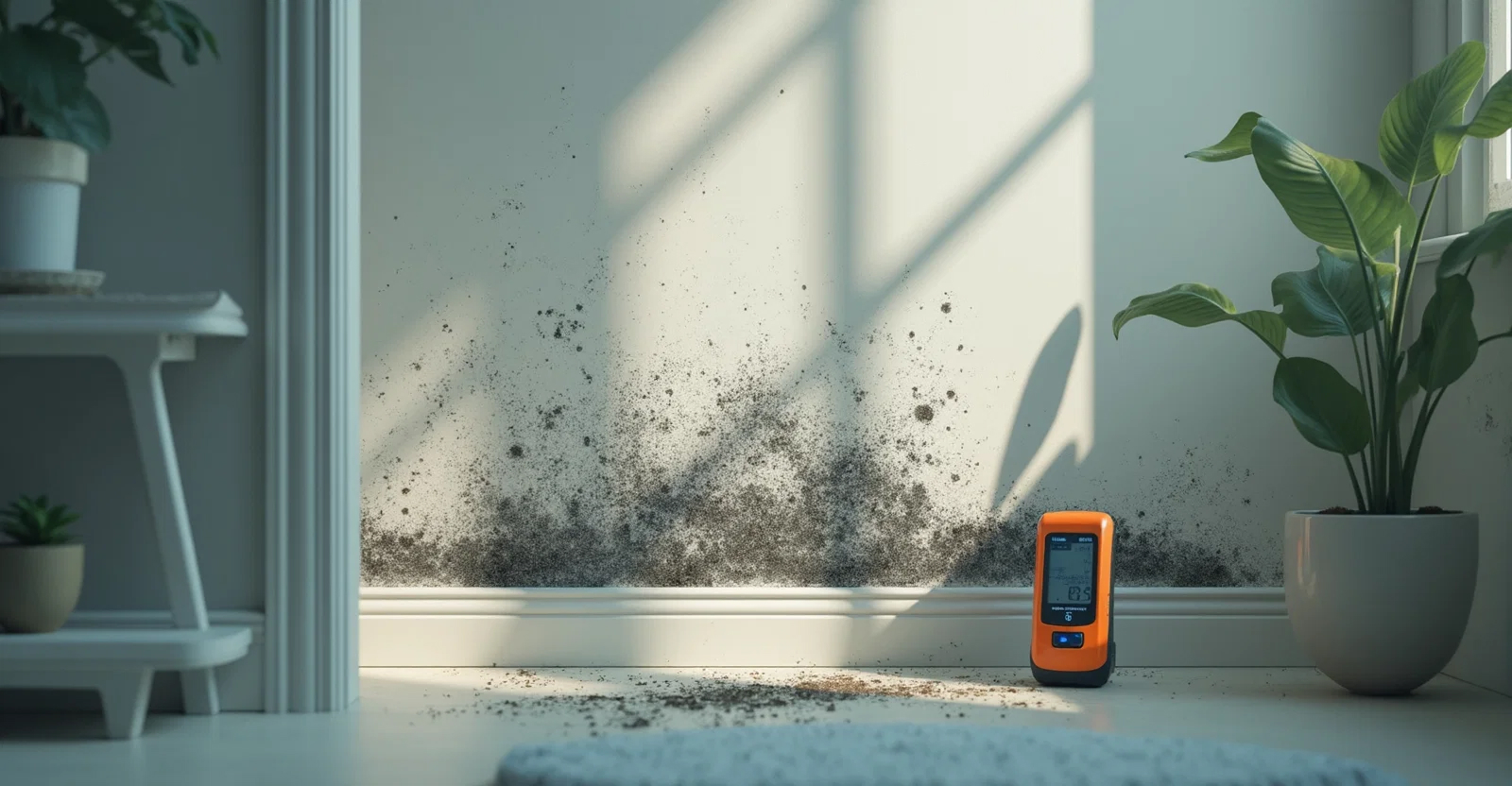
Humidity levels play a significant role in indoor air quality. High humidity can promote the growth of mold, bacteria, and other microorganisms that can cause respiratory issues. Conversely, low humidity can lead to dryness and irritation of the mucous membranes, increasing the risk of respiratory infections.
In Dubai, where summers are hot and humid, maintaining optimal relative humidity (RH) levels is essential. The Journal of Environmental Health recommends that indoor RH should be maintained between 30% to 50%. This can be achieved through a combination of natural ventilation strategies and the use of dehumidifiers. For example, using a hygrometer to monitor humidity levels in residential spaces can help homeowners ensure they stay within these recommended ranges.
Proper HVAC Design for Optimal Ventilation in Buildings
Efficient HVAC systems should have the following key features:
- Air Exchange Rate (ACH): Ensure at least 10 air changes per hour to effectively remove harmful substances.
- Humidity Control: Utilize advanced dehumidification technology to maintain appropriate indoor relative humidity, preventing mold growth and microbial proliferation.
- Air Quality Monitoring: Install sensors that can monitor indoor air quality parameters (such as CO₂, VOCs) in real-time, allowing for timely adjustments to ventilation strategies.
In Dubai’s residential design, it is essential to prioritize the use of energy-efficient HVAC systems. For instance, variable frequency air conditioners and multi-split systems can achieve precise control over temperature and humidity while reducing energy consumption. Additionally, natural wind can be harnessed by opening windows or installing ventilation systems to supplement mechanical ventilation.
Integrated Ventilation Strategies
Combining multiple ventilation strategies can further enhance indoor air quality. These include:
- Scheduled Window Opening: Rationalize window opening times based on weather conditions and temperature differences between indoors and outdoors.
- Fan Usage to Promote Air Circulation: Place fans in enclosed spaces to accelerate air flow and reduce pollutant concentrations.
- Natural Wind Utilization: Utilize architectural features such as open balconies or courtyards to guide fresh outdoor air into the building.
These strategies not only improve indoor air quality but also lower energy consumption. For example, using natural ventilation can allow for reduced reliance on air conditioning systems, resulting in cost savings.
Measuring Natural Ventilation in Residential Spaces
To evaluate the effectiveness of natural ventilation in residential spaces, scientific methods are required. Common tools include: When considering Measuring And Enhancing Natural Ventilation In Residential, this becomes clear.
- Thermometer: Monitor temperature differences indoors and outdoors to determine airflow direction and speed.
- Anemometer: Use portable or fixed anemometers to measure wind speeds, thereby estimating ventilation volume.
- Air Quality Sensors: Utilize sensors that can detect CO₂, VOCs, etc., to assess changes in indoor air quality.
By using these tools and methods, one can accurately evaluate the effectiveness of natural ventilation and adjust strategies accordingly. For instance, when significant temperature differences are observed, increased window opening times or fan use may be appropriate to enhance air exchange.
Enhancing Natural Ventilation Strategies for Better Air Quality
Beyond scientific measurement methods, the following strategies can further improve natural ventilation:
- Optimized Building Layout: Leverage architectural design features to guide fresh outdoor air into indoor spaces. For example, large windows or open terraces.
- Use of Green Vegetation: Planting greenery on rooftops or balconies can naturally filter the air and increase negative ion levels in the home.
- Regular Maintenance and Cleaning: Ensure that ventilation openings, air conditioning systems, etc., remain clean and unobstructed to prevent airflow issues.
Through these comprehensive measures, significant improvements can be made to natural ventilation in residential spaces, providing a healthier and more comfortable living environment for residents. For instance, during home renovations, choosing low-VOC or zero-VOC materials can further reduce the release of harmful substances into the air, improving indoor air quality.
Expert Tips and Practical Advice on Enhancing Ventilation
Here are some expert tips to enhance natural ventilation in residential spaces: The importance of Measuring And Enhancing Natural Ventilation In Residential is evident here.
- Create Cross-ventilation: Arrange rooms with windows that face opposite directions to allow for cross-breezes.
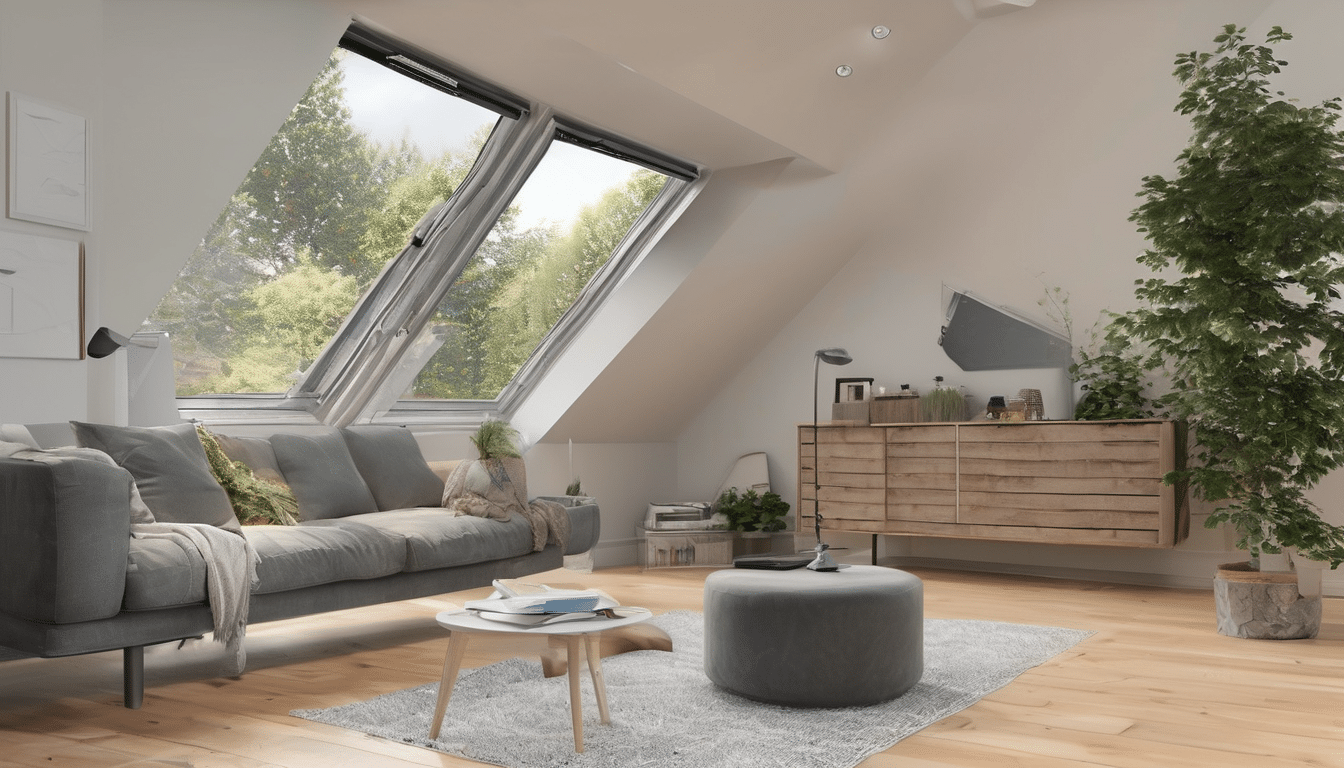
- Use Skylights and Louvers: Incorporate skylights and louvers into building designs to introduce natural light and enhance air circulation.
- Install Thermostats: Using smart thermostats can help maintain optimal temperature settings, reducing the need for excessive cooling and improving overall comfort.
Read more: Proper HVAC Design For Optimal Ventilation In Buildings
Read more: Understanding Ventilation Rates And Respiratory Health
Frequently Asked Questions About Measuring and Enhancing Natural Ventilation in Residential
Q: How often should I measure ventilation rates in my home?
A: Regularly monitoring ventilation is recommended, especially during periods of high humidity or when significant renovations are made. Simple tools like thermometers can be used to check for temperature differences, indicating airflow patterns.
Q: Are there any specific challenges in measuring natural ventilation in tropical climates?
A: Yes, the higher temperatures and humidity levels in tropical climates make it more challenging to maintain optimal indoor conditions. Advanced dehumidification techniques and regular maintenance of HVAC systems are crucial for effective ventilation. Understanding Measuring And Enhancing Natural Ventilation In Residential helps with this aspect.
Q: Can I rely solely on natural ventilation without an air conditioning system?
A: While natural ventilation can be sufficient in mild climates, it may not provide adequate cooling or humidity control in hot, humid regions like Dubai. A balanced approach combining both natural and mechanical ventilation is recommended for optimal indoor comfort.
Conclusion: The Importance of Measuring and Enhancing Natural Ventilation in Residential Spaces
The importance of measuring and enhancing natural ventilation cannot be overstated, especially in residential buildings like those found in Dubai. By understanding the science behind ventilation rates, humidity control, and HVAC design, homeowners can create healthier living environments that reduce energy costs while promoting overall well-being.

JV de Castro, IAC2
JV de Castro is the Chief Technology Officer at Saniservice, where he leads innovation in indoor environmental sciences, IT infrastructure, and digital transformation. With over 20 years of experience spanning architecture, building science, technology management, digital media architecture, and consultancy, he has helped organizations optimize operations through smart solutions and forward-thinking strategies. JV holds a Degree in Architecture, a Masters of Research in Anthropology, an MBA in Digital Communication & Media, along with certifications in mold, building sciences and advanced networking. Passionate about combining technology, health, and sustainability, he continues to drive initiatives that bridge science, IT, and business impact.



Leave a Reply