


Environmental Health Assessment Guide
Introduction
Indoor environments such as homes, offices, schools, and hospitals can significantly impact our health. Poor air quality, moisture issues, and contamination from mold or other biological agents can lead to respiratory problems, allergies, and even more severe conditions like asthma and lung cancer. An Indoor Environmental Health Assessment (IEHA) is a systematic evaluation that aims to identify these risks and provide solutions to ensure healthier indoor environments.
An Indoor Environmental Health Assessment (ieha): Definition of an IEHA
At its core, an Indoor Environmental Health Assessment (IEHA) is a detailed analysis of the indoor environment to identify and address potential health hazards. This assessment goes beyond surface-level inspections by examining various factors that contribute to indoor air quality, moisture management, and overall environmental conditions.
Health Risks Addressed
The primary goal of an IEHA is to uncover and mitigate risks such as:
- Mold growth and mycotoxin exposure
- Radon gas contamination
- Volatile organic compounds (VOCs) from building materials or furnishings
- Airborne particulate matter, including dust mites and pollen
- Microbial contamination in water systems
An Indoor Environmental Health Assessment (ieha): Components of an IEHA
An effective IEHA involves multiple components to ensure a thorough evaluation:
- Environmental Sampling: This includes air, surface, and water samples to identify contaminants.
- Microbiological Analysis: Testing for mold species, bacteria, and other microorganisms.
- Building Performance Evaluation: Assessing the building’s ability to maintain proper indoor conditions through HVAC systems and building envelopes.
- Risk Assessment: Identifying high-risk areas and determining potential health impacts.
- Remediation Planning: Developing strategies to address identified issues and prevent recurrence.
Sampling Methods
Sampling is a critical component of an IEHA. It involves collecting samples from various locations within the building, including air, surfaces, and water systems. These samples are then analyzed in laboratories using advanced techniques to identify contaminants such as mold spores, bacteria, and volatile organic compounds (VOCs). This relates directly to An Indoor Environmental Health Assessment (ieha).
An Indoor Environmental Health Assessment (ieha): Benefits of Conducting an IEHA
Conducting a thorough Indoor Environmental Health Assessment offers numerous benefits:
- Health Protection: Identifies potential health hazards to ensure a safer indoor environment for occupants.
- Cost Savings: Early detection and remediation can prevent costly repairs or replacements due to severe damage from mold, water leaks, or other issues.
- Risk Management: Provides detailed reports and recommendations that help manage risks associated with indoor environmental conditions.
- Regulatory Compliance: Ensures adherence to local and national regulations governing indoor air quality and building performance.
The Process of Performing an IEHA
The process of conducting an IEHA typically follows these steps:
- Initial Consultation: Discussing the specific needs and goals of the assessment with clients.
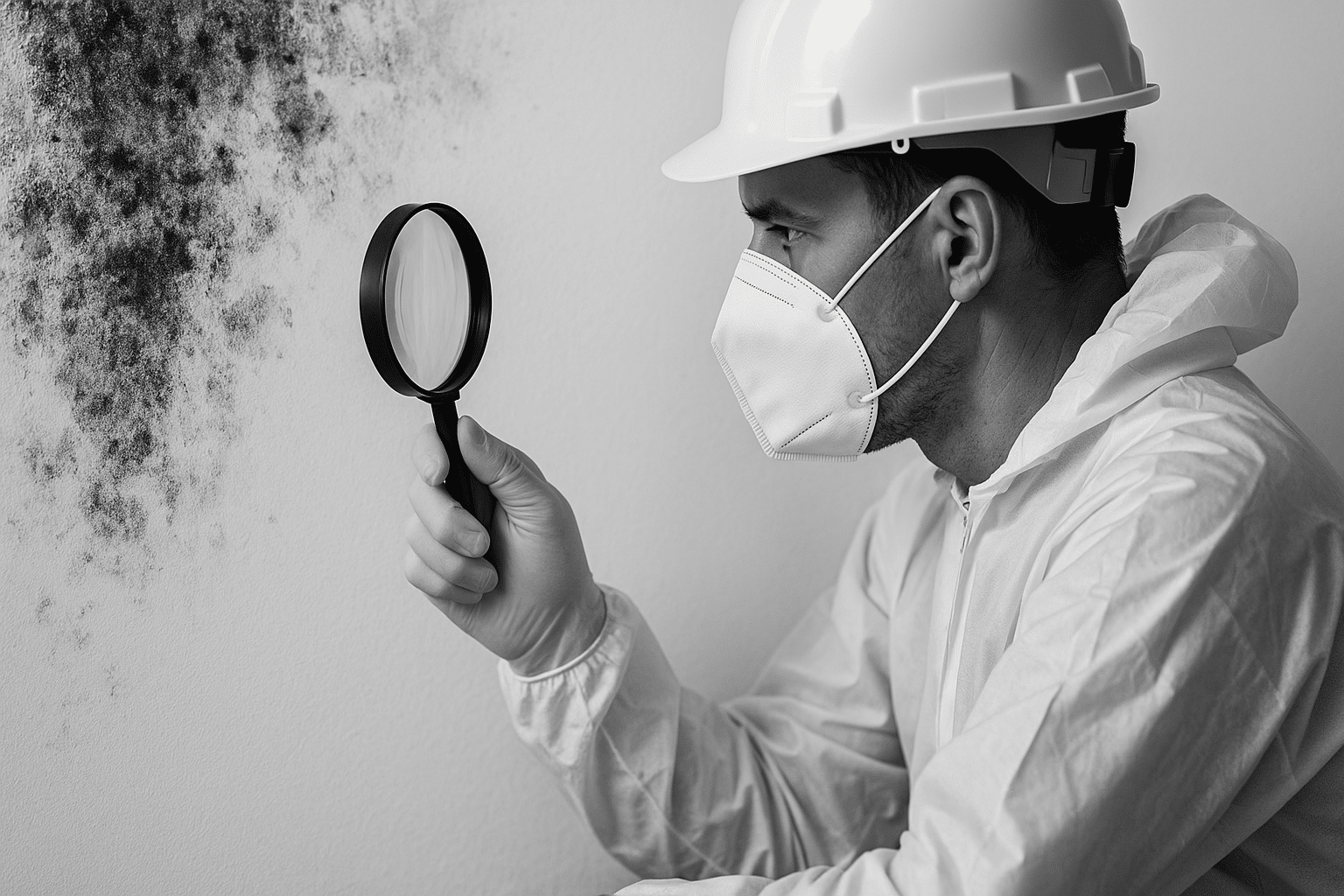
- Site Survey: Conducting a visual inspection to identify potential problem areas and gather preliminary data.
- Data Collection: Collecting samples from various locations, including air, surfaces, and water systems.
- Analysis and Reporting: Analyzing the collected data in laboratories and preparing comprehensive reports for clients.
- Risk Assessment: Identifying risks based on analysis results and developing remediation plans.
Sample Collection Techniques
Sampling techniques include using spore traps, air samplers, surface swabs, and water testing kits. Each technique is chosen based on the specific needs of the assessment to ensure accurate and reliable data collection. When considering An Indoor Environmental Health Assessment (ieha), this becomes clear.
Case Studies and Practical Applications
To better understand how IEHAs work in real-world scenarios, let’s look at a few case studies:
- Residential Mold Contamination: A family was experiencing persistent respiratory issues despite keeping their home clean. An IEHA revealed hidden mold growth behind walls due to thermal bridging and poor ventilation. The remediation plan included installing proper insulation, sealing gaps, and using advanced air purifiers.
- Commercial Radon Mitigation: A large office building in Abu Dhabi was experiencing high levels of radon gas, posing significant health risks. An IEHA identified the source as improperly sealed sub-slab depressurization systems. Recommendations included retrofitting existing systems and implementing continuous monitoring.
Example of a Practical Application
Consider a school in Dubai that was experiencing frequent respiratory issues among students. An IEHA revealed elevated levels of VOCs from newly installed furniture and poor air circulation due to outdated HVAC systems. The remediation plan included upgrading the HVAC system, using low-VOC materials for future projects, and conducting regular indoor air quality monitoring. The importance of An Indoor Environmental Health Assessment (ieha) is evident here.
Expert Tips for Effective IEHAs
Here are some practical tips to ensure an effective Indoor Environmental Health Assessment:
- Prioritize Root Cause Analysis: Focus on identifying the underlying causes of environmental issues rather than just treating symptoms.
- Use Advanced Technology: Leverage thermal imaging, air quality monitors, and other advanced tools to gather precise data.
- Collaborate with Specialists: Work with microbiologists, HVAC technicians, and building scientists to ensure a comprehensive evaluation.
- Develop Detailed Remediation Plans: Create actionable plans that address all identified issues comprehensively.
FAQ Section
- Q: How often should an IEHA be conducted?
- A: It is recommended to conduct regular IEHAs, especially in buildings with high occupancy or those that have experienced water damage. This can range from annually to every five years depending on specific needs.
- Q: Can I perform an IEHA myself?
- A: While basic assessments can be done by homeowners, professional IEHAs are highly recommended for their accuracy and thoroughness. Professionals have the necessary expertise and equipment to identify subtle issues that could impact health.
- Q: What if my building is new? Do I still need an IEHA?
- A: Yes, even newly constructed buildings can benefit from IEHAs. New materials and construction techniques may introduce unexpected hazards that require professional evaluation.
Understanding An Indoor Environmental Health Assessment (ieha) helps with this aspect.
An Indoor Environmental Health Assessment (ieha) factors into this consideration.
For more information, visit this resource.
For more information, visit this resource.
For more information, visit this resource.
For more information, visit this resource.
For more information, visit this resource.
For more information, visit this resource.
For more information, visit this resource.
For more information, visit this resource.
For more information, visit this resource.
For more information, visit this resource.
For more information, visit this resource.
For more information, visit this resource.
For more information, visit this resource.
For more information, visit this resource.
For more information, visit this resource.
For more information, visit this resource.
For more information, visit this resource.
For more information, visit this resource.
For more information, visit this resource.
For more information, visit this resource.
For more information, visit this resource.
For more information, visit this resource.
For more information, visit this resource.
For more information, visit this resource.
For more information, visit this resource.
For more information, visit this resource.
For more information, visit this resource.
For more information, visit this resource.
For more information, visit this resource.
For more information, visit this resource.
For more information, visit this resource.
For more information, visit this resource.
For more information, visit this resource.
For more information, visit this resource.
For more information, visit this resource.
For more information, visit this resource.
For more information, visit this resource.
For more information, visit this resource.
For more information, visit this resource.
For more information, visit this resource.
For more information, visit this resource.
For more information, visit this resource.
For more information, visit this resource.
For more information, visit this resource.
For more information, visit this resource.
For more information, visit this resource.
For more information, visit this resource.
For more information, visit this resource.
For more information, visit this resource.
For more information, visit this resource.
For more information, visit this resource.
For more information, visit this resource.
For more information, visit this resource.
For more information, visit this resource.
For more information, visit this resource.
For more information, visit this resource.
For more information, visit this resource.
For more information, visit this resource.
For more information, visit this resource.
For more information, visit this resource.
For more information, visit this resource.
For more information, visit this resource.
For more information, visit this resource.
For more information, visit this resource.
For more information, visit this resource.
For more information, visit this resource.
For more information, visit this resource.
For more information, visit this resource.
For more information, visit this resource.
For more information, visit this resource.
For more information, visit this resource.
For more information, visit this resource.
For more information, visit this resource.
For more information, visit this resource.
For more information, visit this resource.
For more information, visit this resource.
For more information, visit this resource.
For more information, visit this resource.
For more information, visit this resource.
For more information, visit this resource.
For more information, visit this resource.
For more information, visit this resource.
For more information, visit this resource.
For more information, visit this resource.
For more information, visit this resource.
For more information, visit this resource.
For more information, visit this resource.
For more information, visit this resource.
For more information, visit this resource.
For more information, visit this resource.
For more information, visit this resource.
For more information, visit this resource.
For more information, visit this resource.
For more information, visit this resource.
For more information, visit this resource.
For more information, visit this resource.
For more information, visit this resource.
For more information, visit this resource.
For more information, visit this resource.
For more information, visit this resource.
For more information, visit this resource.
For more information, visit this resource.
For more information, visit this resource.
For more information, visit this resource.
For more information, visit this resource.
For more information, visit this resource.
For more information, visit this resource.
For more information, visit this resource.
For more information, visit this resource.
For more information, visit this resource.
For more information, visit this resource.
For more information, visit this resource.
For more information, visit this resource.
For more information, visit this resource.
For more information, visit this resource.
For more information, visit this resource.
For more information, visit this resource.
For more information, visit this resource.
For more information, visit this resource.
For more information, visit this resource.
For more information, visit this resource.
For more information, visit this resource.
For more information, visit this resource.
For more information, visit this resource.
For more information, visit this resource.
For more information, visit this resource.
For more information, visit this resource.
For more information, visit this resource.
For more information, visit this resource.
For more information, visit this resource.
For more information, visit this resource.
For more information, visit this resource.
For more information, visit this resource.
For more information, visit this resource.
For more information, visit this resource.
For more information, visit this resource.
For more information, visit this resource.
For more information, visit this resource.
For more information, visit this resource.
For more information, visit this resource.
For more information, visit this resource.
For more information, visit this resource.
For more information, visit this resource.
For more information, visit this resource.
For more information, visit this resource.
For more information, visit this resource.
For more information, visit this resource.
For more information, visit this resource.
For more information, visit this resource.
For more information, visit this resource.
For more information, visit this resource.
For more information, visit this resource.
For more information, visit this resource.
For more information, visit this resource.
For more information, visit this resource.
For more information, visit this resource.
For more information, visit this resource.
For more information, visit this resource.
For more information, visit this resource.
For more information, visit this resource.
For more information, visit this resource.
For more information, visit this resource.
For more information, visit this resource.
For more information, visit this resource.
For more information, visit this resource.
For more information, visit this resource.
For more information, visit this resource.
For more information, visit this resource.
For more information, visit this resource.
For more information, visit this resource.
For more information, visit this resource.
For more information, visit this resource.
For more information, visit this resource.
For more information, visit this resource.
For more information, visit this resource.
For more information, visit this resource.
For more information, visit this resource.
For more information, visit this resource.
Conclusion
In conclusion, an Indoor Environmental Health Assessment (IEHA) is a vital tool for ensuring healthy indoor environments. By addressing potential health risks through comprehensive evaluations, remediation plans, and ongoing monitoring, IEHAs help create safer living and working spaces. Whether you are a homeowner, property manager, or building owner, conducting regular IEHAs can significantly improve the overall quality of your indoor environment.
For more information on how to conduct effective IEHAs or for professional assistance in Dubai, Abu Dhabi, Sharjah, Ajman, Fujairah, Ras Al Khaimah, Riyadh, and Jeddah, contact Saniservice at Saniservice.com. Understanding An Indoor Environmental Health Assessment (ieha) is key to success in this area.

JV de Castro, IAC2
JV de Castro is the Chief Technology Officer at Saniservice, where he leads innovation in indoor environmental sciences, IT infrastructure, and digital transformation. With over 20 years of experience spanning architecture, building science, technology management, digital media architecture, and consultancy, he has helped organizations optimize operations through smart solutions and forward-thinking strategies. JV holds a Degree in Architecture, a Masters of Research in Anthropology, an MBA in Digital Communication & Media, along with certifications in mold, building sciences and advanced networking. Passionate about combining technology, health, and sustainability, he continues to drive initiatives that bridge science, IT, and business impact.



Leave a Reply