


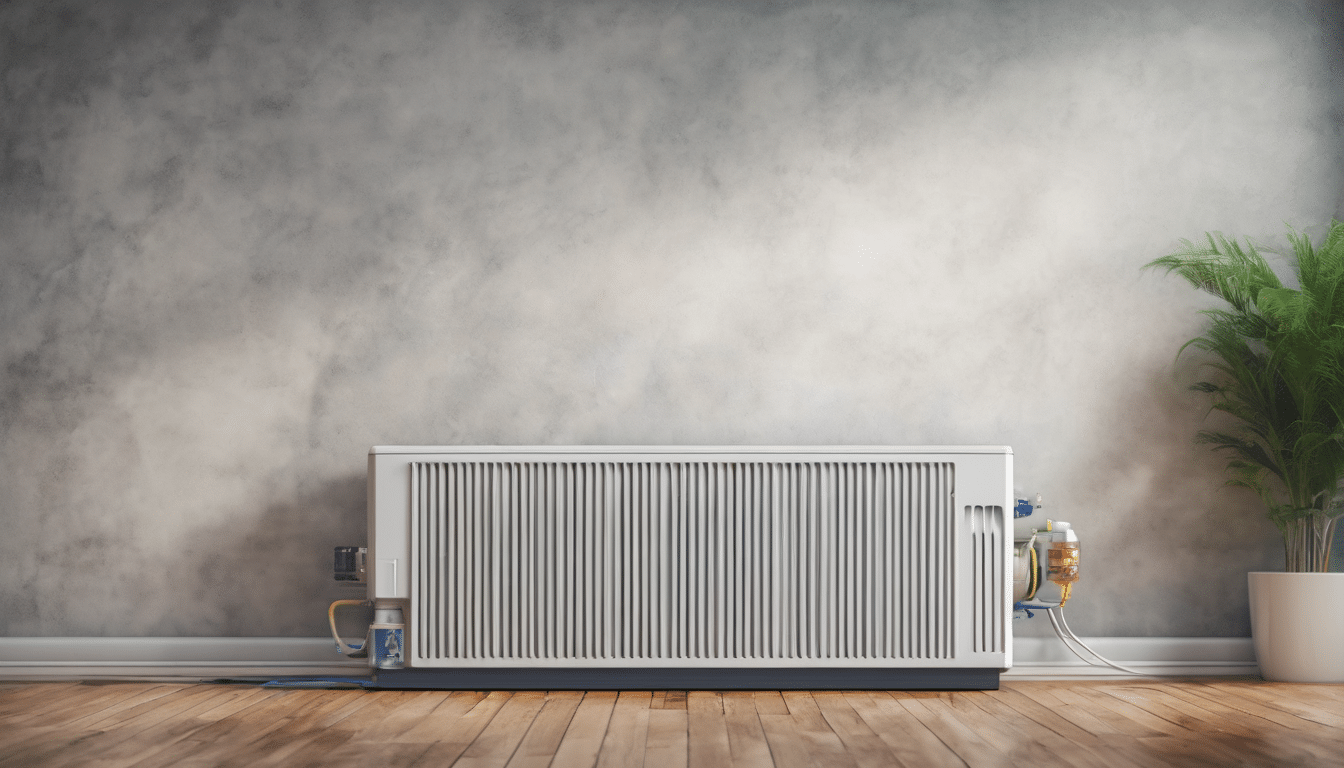
HVAC System Impact On Indoor Air Quality
Introduction to HVAC System Impact on Indoor Air Quality
Understanding HVAC System Impact On Indoor Air Quality is essential. The HVAC (Heating, Ventilation, and Air Conditioning) system is a vital component of any building. In the United Arab Emirates, particularly in Dubai and Abu Dhabi, where air conditioning is an integral part of daily life, understanding how this system impacts indoor air quality (IAQ) can significantly enhance your living or working environment.
Indoor environments are not just about temperature and comfort; they also affect health. Poor IAQ can lead to a variety of respiratory issues, allergies, and even long-term health problems. This article will delve into the specific ways HVAC systems influence indoor air quality and provide guidance on maintaining a healthy environment. This relates directly to HVAC System Impact On Indoor Air Quality.
—TABLE_OF_CONTENTS—
Understanding HVAC System Impact on Indoor Air Quality
The HVAC system is responsible for controlling the temperature, humidity, and air quality within a building. It plays a crucial role in maintaining a comfortable environment while also affecting occupants’ health. In Dubai’s hot desert climate, where AC systems are constantly running, it’s essential to ensure that these systems are not only efficient but also contribute positively to indoor air quality. When considering HVAC System Impact On Indoor Air Quality, this becomes clear.
Mold, bacteria, dust mites, and other contaminants can accumulate within HVAC systems over time. When the system is turned on, it circulates this contaminated air throughout the building, leading to poor IAQ. Understanding how HVAC systems work and their impact on air quality is crucial for maintaining a healthy indoor environment.
HVAC System Impact On Indoor Air Quality:
How HVAC Systems Affect Air Quality
There are several ways in which HVAC systems can affect the air quality within a building:
- Air Filtration: Filters remove dust, pollen, and other particles from the air. However, if filters are not regularly maintained or replaced, they can become clogged, reducing their effectiveness.
- Moisture Control: Proper humidity levels prevent mold growth and reduce allergens. HVAC systems equipped with dehumidifiers or humidifiers help maintain optimal moisture content in the air.
- Microbial Contamination: Dampness and poor ventilation can lead to microbial growth within HVAC ducts, which can then be circulated throughout the building. Regular cleaning and inspection of the system are necessary to prevent this.
These factors contribute significantly to IAQ. Poor air filtration leads to higher particle levels, while improper moisture control promotes mold growth. Microbial contamination further exacerbates these issues by releasing spores and other allergens into the air.
Common Vulnerabilities in HVAC Systems
Several factors can compromise the effectiveness of an HVAC system, leading to poor indoor air quality. These include:
- Clogged Filters: Dirty filters reduce airflow and filter efficiency.
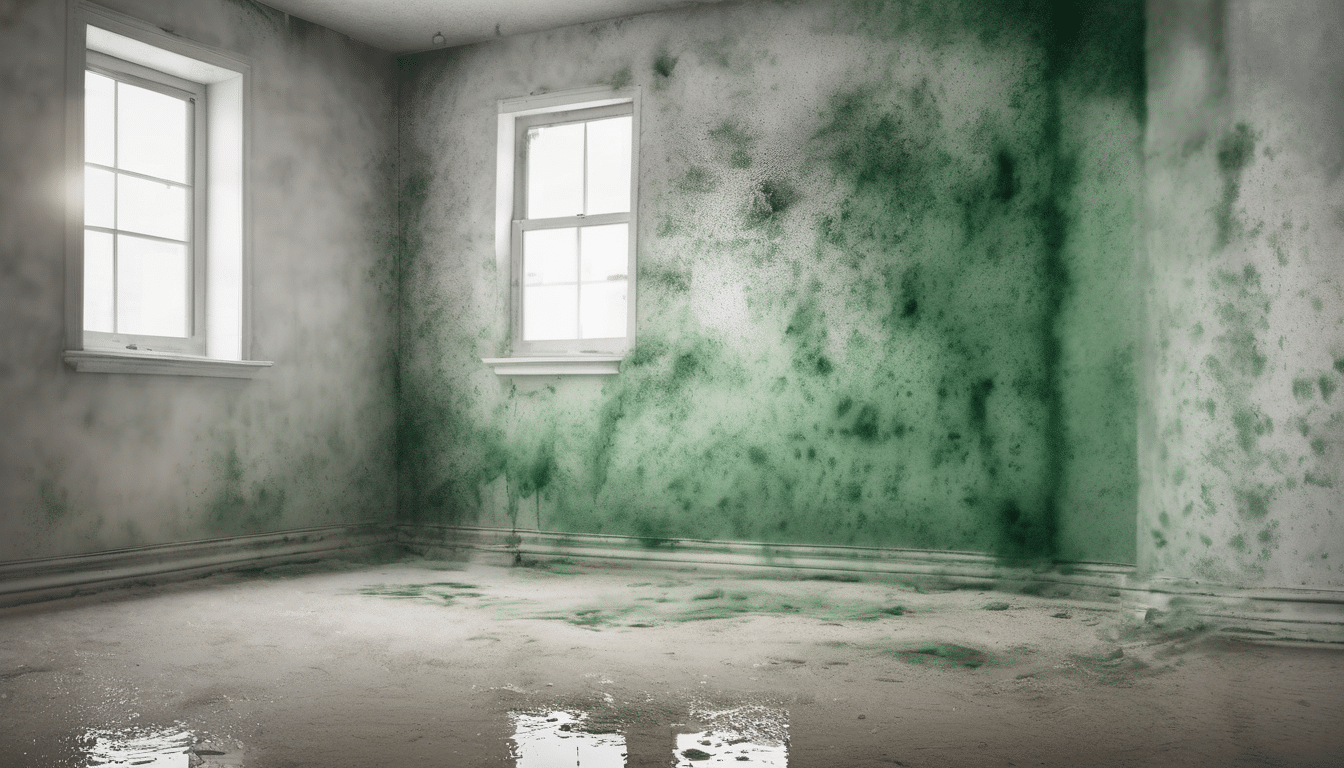
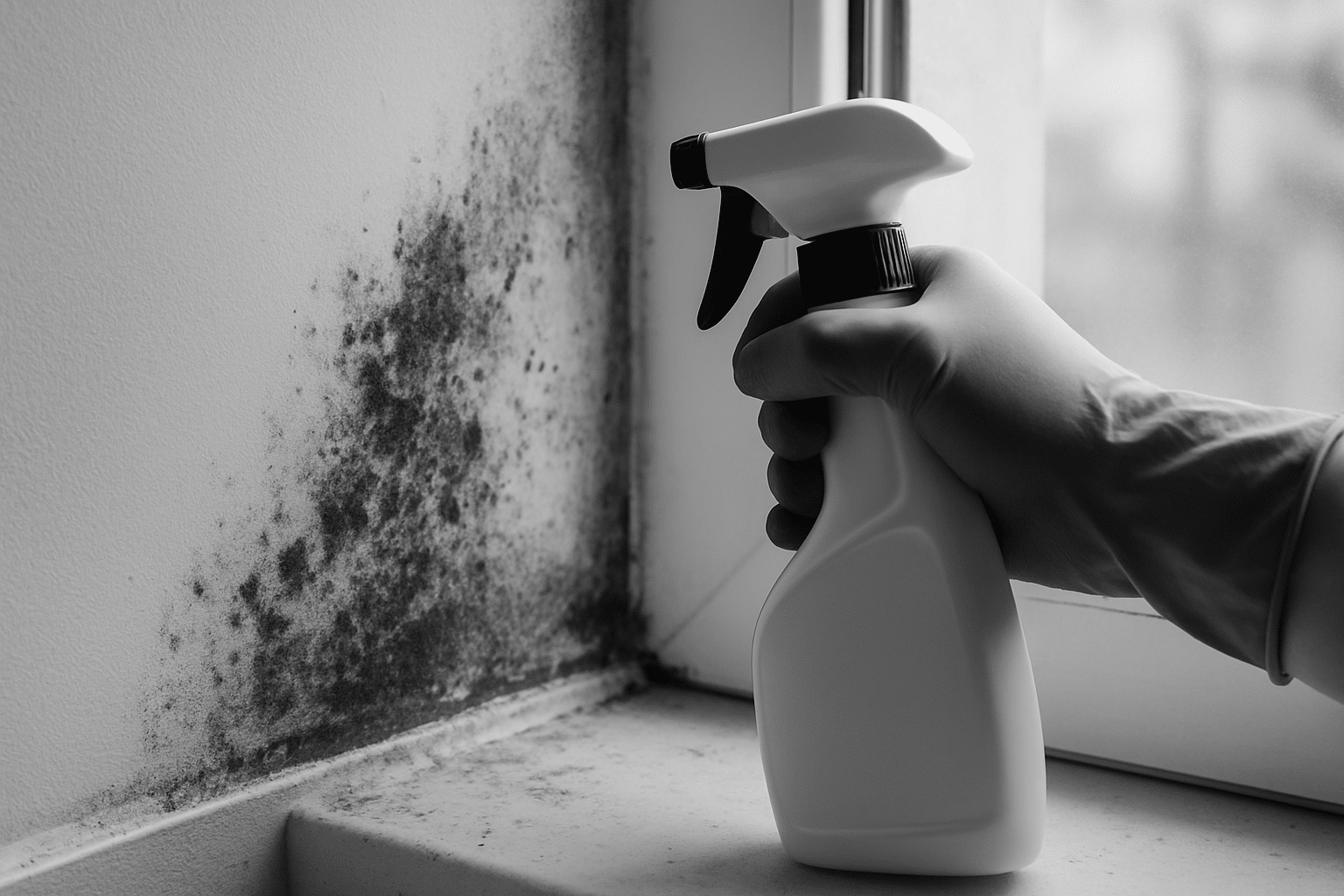
- Mold Growth: Moisture accumulation in HVAC systems provides a breeding ground for mold spores.
- Damaged Ductwork: Leaky or damaged ducts can lead to air leaks, reducing the overall performance of the system.
- Inadequate Ventilation: Insufficient outdoor air intake can result in stale indoor air and reduced oxygen levels.
Regular inspection and maintenance are crucial to identify these vulnerabilities. For instance, thermal imaging can be used to detect moisture accumulation within HVAC systems, which is a common indicator of potential mold growth.
Maintenance and Service Costs
Maintaining an HVAC system not only ensures good indoor air quality but also helps in extending the life of the equipment. Regular maintenance includes: The importance of HVAC System Impact On Indoor Air Quality is evident here.
- Filter Replacement: Filters should be replaced every three to six months or as recommended by the manufacturer.
- Duct Cleaning: Ducts should be cleaned at least once a year to remove accumulated dust and debris.
- System Inspection: Annual inspections by professionals can identify issues before they become major problems.
The cost of maintenance can vary based on the complexity of the system. A basic filter replacement might cost around AED 100-200, while a full duct cleaning could range from AED 500 to AED 1,000 depending on the size and condition of the system.
Investing in regular maintenance is essential for preventing more costly repairs down the line. For instance, addressing mold growth early can prevent extensive damage to the HVAC system, which could cost several thousand Dirhams to repair or replace. Understanding HVAC System Impact On Indoor Air Quality helps with this aspect.
Hidden Contamination Investigation Using Thermal Imaging
Thermal imaging is a powerful tool for identifying hidden contamination within HVAC systems. By using thermal cameras, it’s possible to detect moisture accumulation and temperature variations that indicate potential issues such as mold growth.
Thermal imaging can reveal hidden hotspots where condensation occurs, which can lead to microbial growth if left unchecked. This technology is particularly useful in areas with poor ventilation or where HVAC systems are not functioning optimally. HVAC System Impact On Indoor Air Quality factors into this consideration.
For example, a thermal image might show unusual temperature patterns at the wall-floor junctions of a villa, indicating hidden moisture that could be leading to mold contamination. Such findings can be critical for developing targeted remediation strategies and preventing future issues.
Water Quality Testing for Residential Properties
Water quality testing is an essential component of maintaining indoor air quality, especially in areas like Dubai where water systems are complex. Contaminants such as bacteria and fungi can enter the air through poorly maintained or contaminated water storage tanks. This relates directly to HVAC System Impact On Indoor Air Quality.
Testing water for contaminants such as E.coli is crucial. If not addressed, these contaminants can be carried by air currents into living spaces, leading to respiratory issues and other health problems. Regular testing of water systems in residential properties should include:
- Bacteriological Testing: This checks for the presence of harmful bacteria such as E.coli and Legionella.
- Chemical Analysis: This includes tests for heavy metals, chlorine byproducts, and other contaminants that can affect water quality.
- Filtration System Efficiency: Ensuring that the filtration systems are working correctly to remove impurities from the water supply.
By conducting these tests, homeowners and property managers can ensure that their water is safe for consumption and use within the building. Proper filtration systems should be installed and maintained regularly to prevent contaminants from entering the air through water vapor or aerosols. When considering HVAC System Impact On Indoor Air Quality, this becomes clear.
Impact of Air Circulation on Mold Growth
Effective air circulation is vital for maintaining good indoor air quality. However, when coupled with moisture issues, it can actually exacerbate mold growth within HVAC systems and throughout the building.
Mold spores can spread through HVAC ducts if proper filtration and cleaning are not performed regularly. This not only affects IAQ but also poses health risks to occupants. Proper air circulation should be balanced with adequate moisture control to prevent mold from thriving in these environments. The importance of HVAC System Impact On Indoor Air Quality is evident here.
Strategies to improve air circulation include:
- Optimizing Airflow: Ensuring that the HVAC system is designed for efficient airflow can help reduce stagnant areas where mold might grow.
- Regular Cleaning and Inspection: Regular maintenance and professional inspections can identify and address issues before they become major problems.
In Dubai, with its hot and humid climate, it’s crucial to pay special attention to these factors. Proper air circulation can significantly reduce the risk of mold growth and improve overall indoor air quality. Understanding HVAC System Impact On Indoor Air Quality helps with this aspect.
Expert Tips for Improving IAQ
To ensure that your HVAC system is contributing positively to indoor air quality, consider these expert tips:
- Regular Maintenance: Schedule regular maintenance checks by professionals to identify and address issues before they become major problems.
- Proper Filtration: Use high-efficiency filters and replace them regularly. This can significantly reduce particle levels in the air.
- Humidity Control: Install dehumidifiers or humidifiers to maintain optimal moisture levels, preventing mold growth and allergen buildup.
- Thermal Imaging: Utilize thermal imaging for hidden contamination investigations. This can reveal issues such as moisture accumulation that might otherwise go unnoticed.
- Water Quality Testing: Regularly test water systems to ensure they are free from contaminants that could affect IAQ.
By following these tips, you can significantly improve the indoor air quality in your home or office and create a healthier environment for all occupants. HVAC System Impact On Indoor Air Quality factors into this consideration.
FAQ Section About HVAC Systems
- Q: How often should I change my HVAC filters?
- A: Filters should be changed every three to six months, or as recommended by the manufacturer. Regular replacement ensures optimal air filtration and prevents clogs that can reduce airflow.
- Q: What are the signs of an HVAC system malfunction?
- A: Signs include unusual noises during operation, inconsistent temperatures in different areas of the building, and increased energy bills. These could indicate issues such as damaged components or poor ventilation.
- Q: Can mold grow within my HVAC system?
- A: Yes, mold can grow within an HVAC system if proper maintenance is not performed. Moisture accumulation in the ductwork provides a breeding ground for mold spores, which can then be circulated throughout the building.
Conclusion on HVAC and Indoor Air Quality
In conclusion, understanding the impact of your HVAC system on indoor air quality is crucial for maintaining a healthy living or working environment. Regular maintenance, proper filtration, humidity control, and thermal imaging can significantly improve IAQ. By addressing issues early through comprehensive testing and inspections, you can prevent major health risks associated with poor indoor air quality.
At Saniservice, we offer expert services to ensure that your HVAC system is not only efficient but also contributes positively to the indoor environment. Contact us today for a thorough assessment of your HVAC system and IAQ needs. Understanding HVAC System Impact On Indoor Air Quality is key to success in this area.

JV de Castro, IAC2
JV de Castro is the Chief Technology Officer at Saniservice, where he leads innovation in indoor environmental sciences, IT infrastructure, and digital transformation. With over 20 years of experience spanning architecture, building science, technology management, digital media architecture, and consultancy, he has helped organizations optimize operations through smart solutions and forward-thinking strategies. JV holds a Degree in Architecture, a Masters of Research in Anthropology, an MBA in Digital Communication & Media, along with certifications in mold, building sciences and advanced networking. Passionate about combining technology, health, and sustainability, he continues to drive initiatives that bridge science, IT, and business impact.


Leave a Reply