


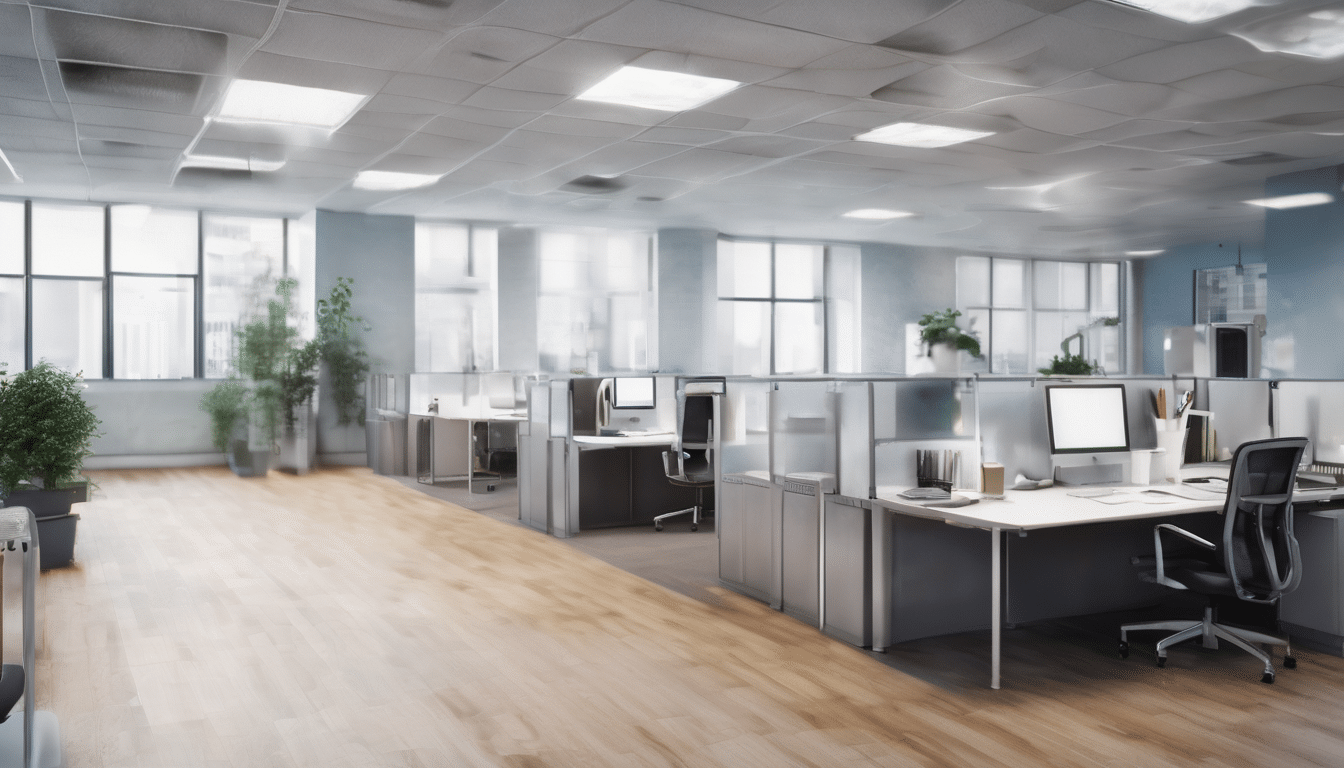
Best Disinfection Methods For Office Environments
Understanding Best Disinfection Methods For Office Environments is essential.
Office environments can harbor numerous pathogens that pose health risks to employees. This guide provides step-by-step instructions on the Best Disinfection Methods for keeping your workplace safe and hygienic.
Introduction
The workspace is a shared environment where employees interact closely, making it crucial to maintain hygiene standards. Disinfecting methods for office environments effectively can prevent the spread of illness-causing pathogens like viruses and bacteria. This guide offers comprehensive insights into best practices for disinfection in office settings.
Table of Contents
Understanding Best Disinfection Methods for Office Environments
Disinfection is a critical aspect of maintaining a healthy and safe office environment. The goal is to eliminate or reduce the number of pathogens on noncritical environmental surfaces without causing damage to materials or equipment. This section explores key strategies and methods.
In Dubai, UAE, where air conditioning systems are prevalent, moisture can accumulate in hidden corners, creating ideal conditions for microbial growth. Understanding how these factors influence disinfection is essential for developing effective protocols.
Best Disinfection Methods For Office Environments: Materials and Requirements
Disinfecting an office environment requires specific materials to ensure effectiveness. Here are the key items you will need:
- Suitable Disinfectant Solutions: Choose EPA-registered disinfectants that are effective against common pathogens such as SARS-CoV-2, influenza viruses, and bacteria like Staphylococcus aureus.
- Gloves: Use disposable gloves to protect your hands during the cleaning process.
- Microfiber Cloths or Paper Towels: These materials can effectively absorb liquids without leaving residues behind.
- Sprayers or Mops: For applying disinfectants, sprayers and mops are effective tools. Ensure they have enough capacity to cover large areas efficiently.
- Personal Protective Equipment (PPE): Include masks and gowns if you need to clean high-risk areas like restrooms or kitchens.
Best Disinfection Methods For Office Environments – Step-by-Step Guide to Disinfecting Office Surfaces
- Preparation: Put on appropriate PPE and gather all required materials. Ensure the area is well-ventilated or use HEPA filters if necessary.
- Identify High-Touch Areas: Prioritize surfaces that are frequently touched, such as desks, doorknobs, keyboards, phones, handrails, and light switches.
- Dilute Disinfectant Solution: Follow the manufacturer’s instructions to prepare a diluted solution. Typically, this involves mixing disinfectant with water in a bucket or spray bottle.
- Clean Before Disinfection: Begin by removing visible dirt and debris from surfaces using a damp cloth or paper towel. This step ensures that the disinfectant can work effectively without being diluted by residue.
- Apply Disinfectant: Use a spray bottle to apply the solution liberally over high-touch areas, ensuring even coverage. For larger surfaces, use a mop or cloth soaked in the solution. Allow the solution to remain on the surface for at least 5-10 minutes as per product instructions.
- Rinse and Dry: If necessary, rinse with clean water and allow surfaces to air dry naturally or pat dry with a clean paper towel. Ensure that all areas are fully dry before returning to normal use.
Priority Surfaces for Disinfection
In Dubai, where high humidity and temperature fluctuations can contribute to microbial growth, certain surfaces require more frequent disinfection. These include:
- Restrooms: Bathroom stalls, sinks, faucets, toilet handles, and mirrors.
- Coffee Stations: Surfaces in kitchenettes such as countertops, coffee machines, and refrigerator handles.
- Common Areas: Reception desks, conference room tables, chairs, and door handles. These areas see frequent touch points from multiple individuals throughout the day.
- Kitchen Surfaces: Refrigerator doors, countertops, dishwashers, and utensil racks.
Expert Tips for Effective Disinfection
- Frequent Cleaning Schedule: Develop a regular cleaning schedule to ensure that high-touch areas are disinfected daily. This can be done using a checklist or calendar reminder system.
- Training Staff: Train employees on proper hygiene practices and the importance of maintaining clean surfaces. Regular training sessions can reinforce these messages effectively.
- Use of Technology: Consider investing in automated cleaning systems for larger areas, such as robotic mops or UV-C disinfection devices. These tools can complement manual efforts and reduce labor costs.
- Regular Maintenance Checks: Inspect all surfaces regularly to identify any areas that may need additional attention. This proactive approach helps maintain a high standard of cleanliness.
- Customer Feedback: Encourage feedback from employees on the effectiveness of cleaning efforts. Their insights can help refine and improve disinfection protocols over time.
Frequently Asked Questions (FAQs)
How often should office surfaces be disinfected?
High-touch areas should be cleaned and disinfected at least once a day. More frequent cleaning may be necessary in cases of illness outbreaks or after known contamination events.
Can I use natural disinfectants like vinegar or bleach?
While natural disinfectants can be effective, they are not always as potent as EPA-registered products. Ensure that any alternative solution meets the required standards for pathogen elimination.
Are there specific times when offices should focus on disinfection?
It is advisable to perform thorough cleaning and disinfection at the end of each business day or after significant events, such as meetings with external guests. This ensures that surfaces are free from potential contaminants before the next use.
Conclusion
Effective disinfection is crucial for maintaining a healthy methods for office environments in Dubai and other similar climates. By following these best practices, you can create a safer workspace that minimizes health risks associated with pathogens. Regular cleaning schedules, proper training of staff, and the use of technology can significantly enhance your efforts.
Remember, prevention is key, so stay vigilant and adapt your strategies as needed to ensure ongoing cleanliness and hygiene in your office environment.

JV de Castro, IAC2
JV de Castro is the Chief Technology Officer at Saniservice, where he leads innovation in indoor environmental sciences, IT infrastructure, and digital transformation. With over 20 years of experience spanning architecture, building science, technology management, digital media architecture, and consultancy, he has helped organizations optimize operations through smart solutions and forward-thinking strategies. JV holds a Degree in Architecture, a Masters of Research in Anthropology, an MBA in Digital Communication & Media, along with certifications in mold, building sciences and advanced networking. Passionate about combining technology, health, and sustainability, he continues to drive initiatives that bridge science, IT, and business impact.


Leave a Reply