


Comparing Different Types of Sensors Used In Indoor Air
Table of Contents
Introduction to Comparing Different Types of Sensors Used in Indoor Air
Understanding Comparing Different Types Of Sensors Used In Indoor Air is essential. With the increasing awareness about indoor air quality, homeowners are looking for ways to ensure a healthier environment. Indoor air monitors play a crucial role in this process by providing real-time data on various pollutants. This article will focus on different types of sensors used in these monitors and how they can be compared to choose the best device for your home.
Comparing Different Types Of Sensors Used In Indoor Air – Types of Sensors Used in Indoor Air Monitors
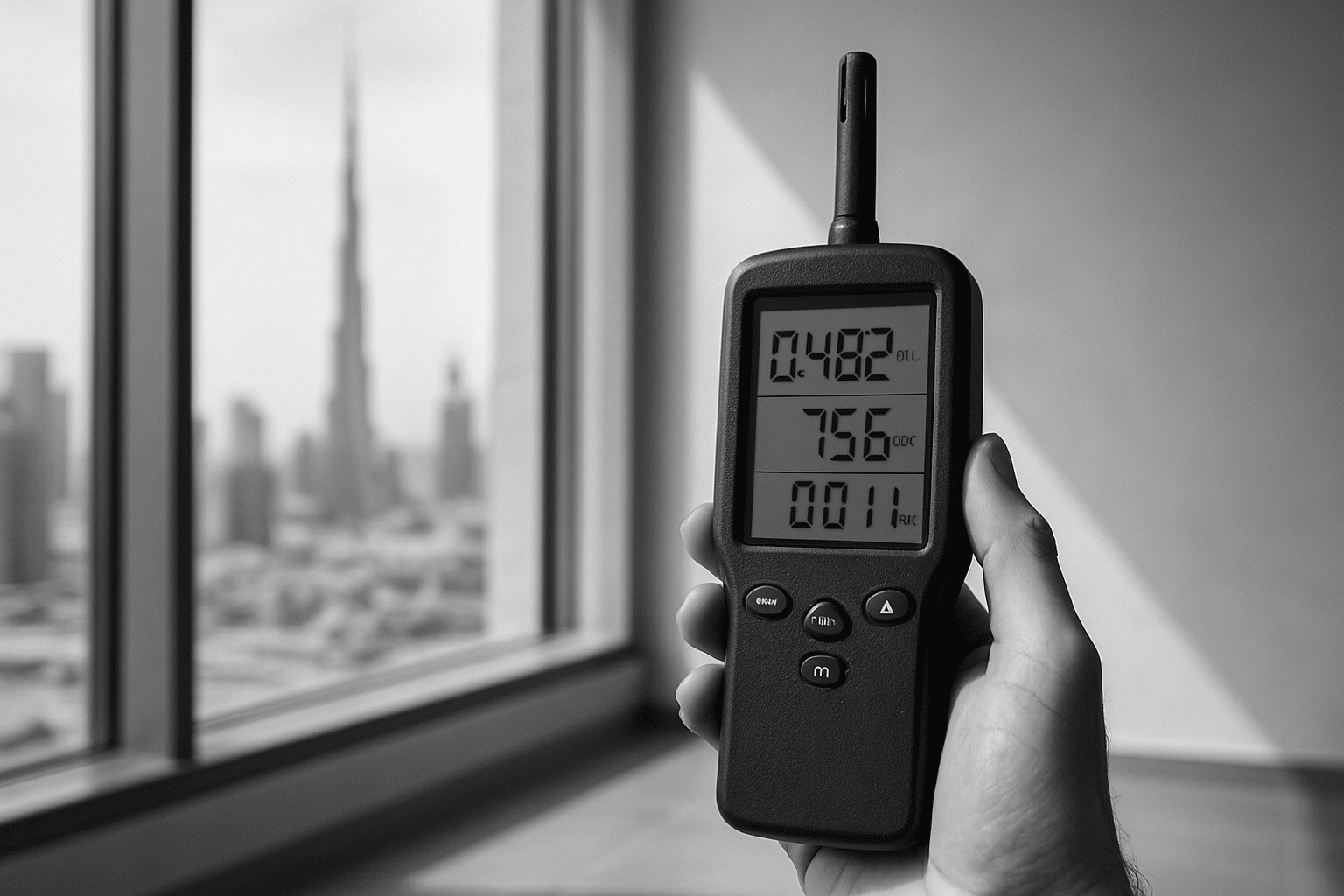
Indoor air monitors use a variety of sensors to measure different aspects of air quality. Understanding these types can help you choose the right device for your home.
Particulate Matter (PM2.5 and PM10) Sensors
These sensors measure small particles in the air, specifically PM2.5 (particles with a diameter of 2.5 microns or less) and PM10 (particles up to 10 microns). High levels of these particulates can indicate poor indoor air quality and pose health risks.
Volatile Organic Compounds (VOCs) Sensors
VOC sensors detect chemicals released from household items such as paints, cleaning products, and furniture. These compounds are common in many homes and can have long-term health effects.
Carbon Dioxide (CO2) Sensors
CO2 sensors measure the level of carbon dioxide in the air. High CO2 levels can indicate poor ventilation, leading to discomfort and reduced air quality.
Temperature and Humidity Sensors
These sensors monitor temperature and humidity levels, which are critical factors affecting indoor air quality. High humidity can lead to mold growth, while extreme temperatures can impact overall comfort.
Radon Sensors
Radon is a radioactive gas that can seep into buildings from the ground. Radon sensors help detect its presence and levels in indoor environments.
Sensor Comparison: Tips for Buying an Indoor Air Monitor
When choosing an indoor air monitor, consider these key factors to ensure you select the best device:
- Detection Range and Accuracy: Check if the sensor can accurately detect the range of pollutants you are concerned about.
- Data Logging and Connectivity: Look for devices that offer data logging and connectivity options to access real-time and historical data on your smartphone or computer.
- Power Consumption: Ensure the monitor is energy-efficient, as continuous monitoring can be costly over time.
- Price: Determine your budget and choose a device that offers good value for money. Consider features and accuracy in your decision-making process.
Expert Tips for Choosing the Right Sensor
- Select Sensors that Cover All Aspects: A comprehensive monitor should include sensors for PM2.5, VOCs, CO2, and humidity to give a holistic view of indoor air quality.
- Consider Additional Features: Some monitors offer additional features like noise monitoring or allergen detection, which can be beneficial depending on your needs.
- Regular Maintenance: Ensure the device requires minimal maintenance to keep it functioning optimally over time.
- Evaluate the Display and User Interface: A user-friendly interface makes monitoring easier and more convenient.
FAQ Section for Common Questions
Q: What is the difference between PM2.5 and PM10 sensors?
A: PM2.5 sensors detect smaller particles that can penetrate deeper into the lungs, while PM10 sensors are better at detecting larger particles.
Q: How important is accurate CO2 monitoring in indoor air quality?
A: Accurate CO2 monitoring is crucial as it indicates the level of ventilation and can affect comfort and health. High levels can lead to headaches, fatigue, and reduced productivity.
Q: Can a single sensor provide all necessary data for indoor air quality?
A: While some advanced sensors can measure multiple aspects, it is often beneficial to use devices that cover different areas of air quality. This ensures you get a complete picture.
Conclusion on Comparing Different Types of Sensors Used in Indoor Air
Choosing the right indoor air monitor involves understanding different sensor types and their applications. By considering factors like detection range, accuracy, data logging, power consumption, and price, you can select a device that meets your needs. Regular maintenance and user-friendly interfaces are also important for optimal performance. With these tips in mind, you can ensure your home has clean, healthy air. Understanding Comparing Different Types Of Sensors Used In Indoor Air is key to success in this area.

JV de Castro, IAC2
JV de Castro is the Chief Technology Officer at Saniservice, where he leads innovation in indoor environmental sciences, IT infrastructure, and digital transformation. With over 20 years of experience spanning architecture, building science, technology management, digital media architecture, and consultancy, he has helped organizations optimize operations through smart solutions and forward-thinking strategies. JV holds a Degree in Architecture, a Masters of Research in Anthropology, an MBA in Digital Communication & Media, along with certifications in mold, building sciences and advanced networking. Passionate about combining technology, health, and sustainability, he continues to drive initiatives that bridge science, IT, and business impact.


Leave a Reply