



Understanding Sensor Technology In Air Quality Monitors
Air quality is a crucial aspect of our daily lives, especially when it comes to maintaining good health indoors. Understanding the technology behind air quality monitors can help you choose the right device for your home and take necessary steps to improve indoor air quality. This article delves into the sensor technologies that make these monitors effective tools in protecting your family’s well-being.
This relates directly to Understanding Sensor Technology In Air Quality Monitors.
Introduction to Sensor Technology in Air Quality Monitors
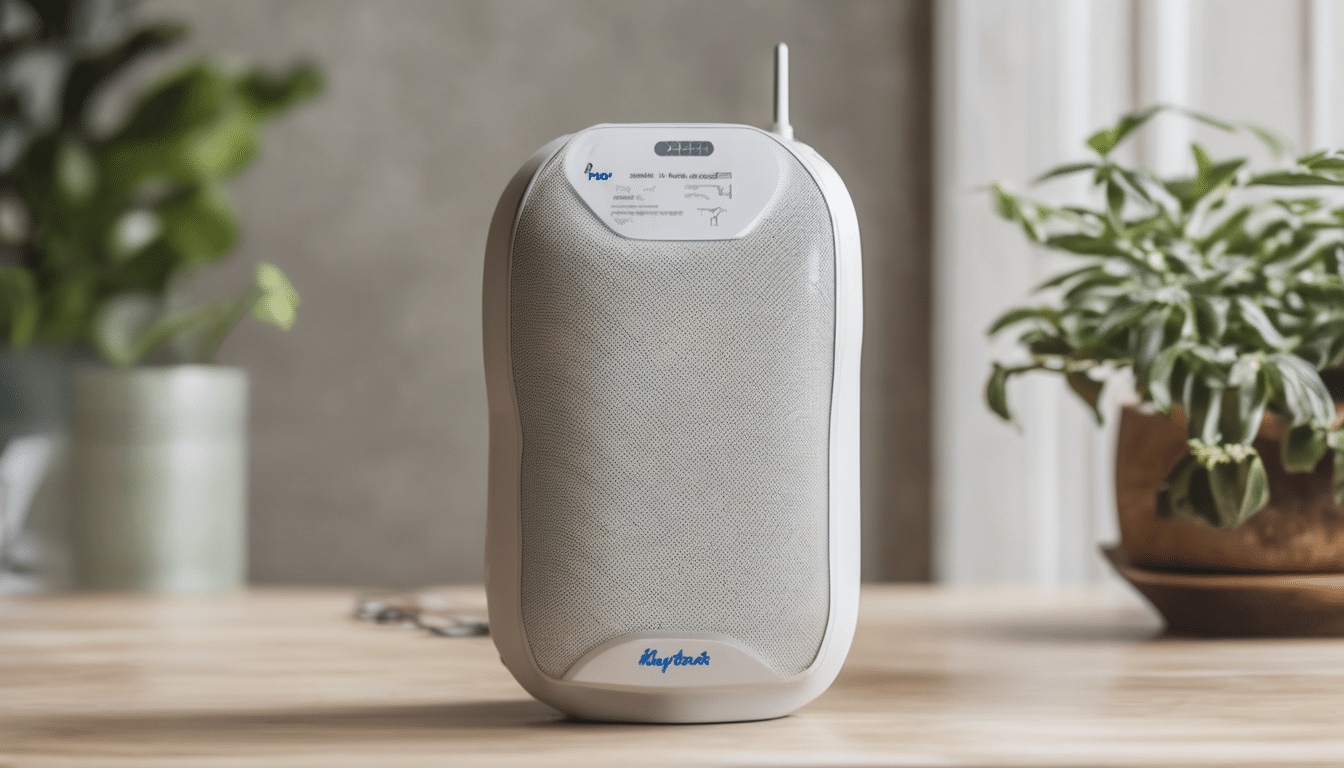
Air quality monitors are essential tools for ensuring the safety and health of individuals, particularly when it comes to indoor environments. These devices utilize various sensors to measure different pollutants and contaminants present in the air. Understanding the sensor technology behind these monitors can help you make informed decisions about which device is best suited for your needs.
Types of Sensors Used in Air Quality Monitors
Air quality monitors employ several types of sensors to detect various pollutants and contaminants. These include:
- Particulate Matter (PM) Sensors: Measure fine particles such as PM2.5, which can be harmful when inhaled.
- Volatile Organic Compounds (VOC) Sensors: Detect chemicals like formaldehyde and benzene that can off-gas from household items.
- Mold Spore Sensors: Identify fungal spores that can trigger allergic reactions and respiratory issues.
- Bacteria and Virus Sensors: Measure the presence of microorganisms that can pose health risks.
- Carbon Dioxide (CO2) Sensors: Monitor levels to ensure proper ventilation in enclosed spaces.
Each type of sensor serves a specific purpose, providing comprehensive data about the air quality in your home.
How Do These Sensors Work?
The operation of sensors in air quality monitors involves several steps:
1. Sampling: Air is drawn into the monitor through an intake port and passed over the sensor.
2. Detection: The sensor detects specific pollutants based on their unique properties and triggers a response.
3. Data Processing: The detected data is processed by the monitor’s microprocessor to provide accurate readings.
4. Display: The information is displayed on the device or transmitted wirelessly to your smartphone or computer for further analysis.
Common Sensor Technologies and Their Applications
Several sensor technologies are commonly used in air quality monitors, each with its unique advantages:
- Photoionization Detection (PID): Ideal for detecting volatile organic compounds like benzene.
- Catalytic Bead Sensors: Effective for measuring carbon monoxide and other gases by converting them to heat.
- Optical Particle Counters (OPC): Useful for measuring particulate matter with high accuracy.
- Ambient Light Sensors: Can be used in conjunction with other sensors to adjust the monitor’s sensitivity based on ambient lighting conditions.
These technologies are designed to provide precise and reliable measurements, ensuring that your air quality data is trustworthy.
Performance and Reliability of Air Quality Monitors
The performance and reliability of an air quality monitor depend on several factors:
- Sensor Accuracy: Sensors must be calibrated regularly to ensure they provide accurate readings.
- Data Consistency: Reliable monitors should consistently produce similar results under the same conditions.
- Environmental Factors: Monitors should perform well in a variety of environmental conditions, including different temperature and humidity levels.
To ensure reliability, it is crucial to choose devices from reputable manufacturers that conduct rigorous testing.
Choosing the Right Air Quality Monitor for Your Home
Selecting an air quality monitor involves considering several factors:
- Monitor Type: Decide whether you need a single-pollutant or multi-pollutant sensor.
- Accuracy and Reliability: Look for devices with proven track records in the industry.
- Display and Reporting Features: Choose monitors that provide easy-to-understand readings and optional mobile app connectivity.
- Battery Life: Consider whether you prefer a battery-operated or plug-in device, depending on your needs.
Popular brands like IQAir, Blueair, and Awair offer reliable options. However, it is essential to research thoroughly before making a purchase.
Expert Tips for Using Air Quality Monitors Effectively
Using an air quality monitor effectively requires some practical knowledge:
- Regular Calibration: Calibrate your device according to the manufacturer’s instructions to ensure accuracy.
- Data Interpretation: Understand the units of measurement (e.g., ppb, ppm) and what they mean in terms of health risks.
- Home Maintenance: Regularly clean your monitor to prevent blockages that could affect its performance.
- Environmental Controls: Use the data from your monitor to identify sources of pollution and take steps to mitigate them, such as improving ventilation or replacing certain materials in your home.
By following these tips, you can ensure that your air quality monitor is providing accurate and useful information.
Frequently Asked Questions (FAQs)
1. How often should I calibrate my air quality monitor?
You should calibrate it according to the manufacturer’s instructions, typically every 6-12 months.
2. Can a single sensor accurately measure all types of pollutants?
No, different sensors are specialized for specific pollutants. It is best to use multiple sensors for comprehensive monitoring.
3. Are air quality monitors necessary in homes without obvious pollution sources?
Even if you do not see any obvious sources of pollution, an air quality monitor can provide valuable insights into the overall health of your indoor environment. When considering Understanding Sensor Technology In Air Quality Monitors, this becomes clear.
Conclusion: Understanding Sensor Technology in Air Quality Monitors
Understanding the sensor technology behind air quality monitors is crucial for making informed decisions about your home’s air quality. By selecting a reliable device and using it effectively, you can improve your family’s health and well-being. Regular monitoring and maintenance will help ensure that your air quality monitor continues to provide accurate readings and actionable insights.

JV de Castro, IAC2
JV de Castro is the Chief Technology Officer at Saniservice, where he leads innovation in indoor environmental sciences, IT infrastructure, and digital transformation. With over 20 years of experience spanning architecture, building science, technology management, digital media architecture, and consultancy, he has helped organizations optimize operations through smart solutions and forward-thinking strategies. JV holds a Degree in Architecture, a Masters of Research in Anthropology, an MBA in Digital Communication & Media, along with certifications in mold, building sciences and advanced networking. Passionate about combining technology, health, and sustainability, he continues to drive initiatives that bridge science, IT, and business impact.


Leave a Reply