



Development Of A Comprehensive Mold Detection Protocol
Introduction to Development of a Comprehensive Mold Detection Protocol
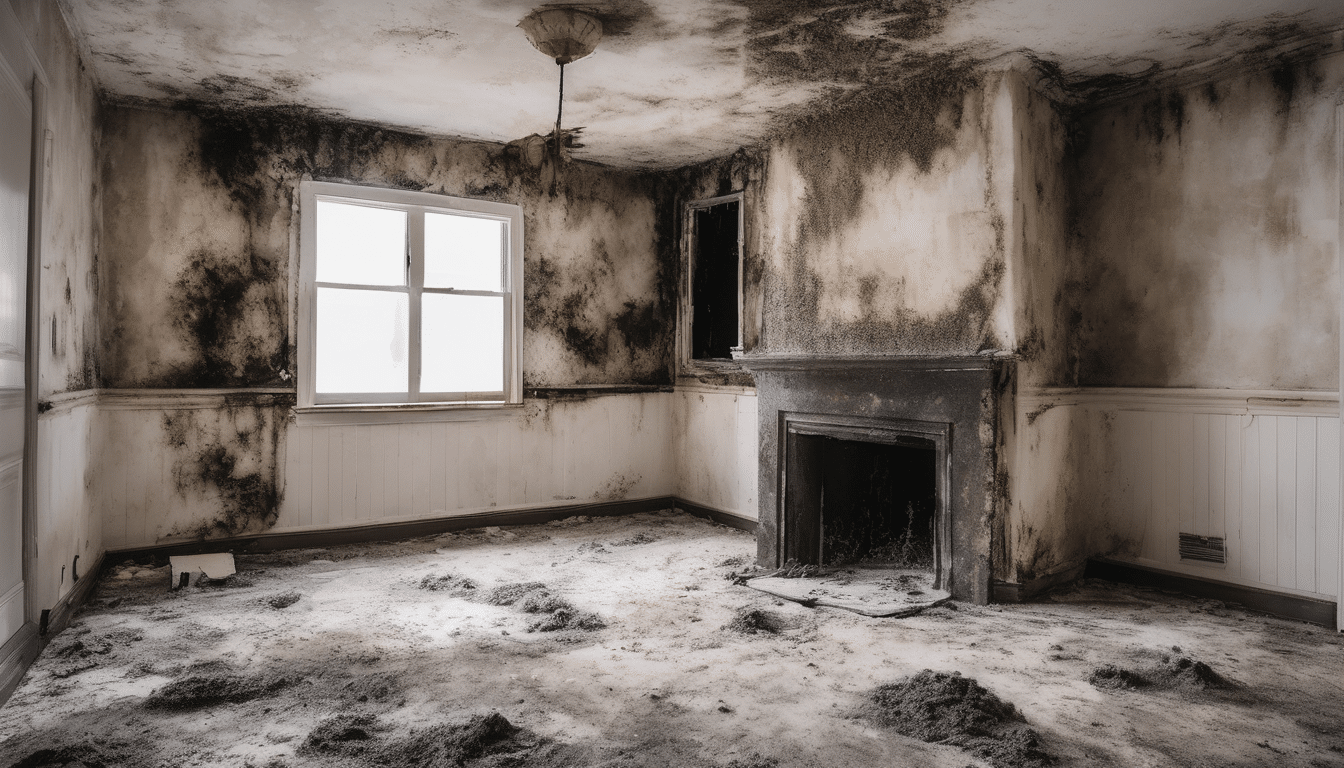
Mold can pose significant health risks in indoor environments, making the development of an effective detection protocol essential. In this guide, we will explore the steps and best practices for creating a comprehensive mold detection protocol tailored to the specific conditions found in Buildings across Dubai. This relates directly to Development Of A Comprehensive Mold Detection Protocol.
Understanding the Importance of a Comprehensive Mold Detect
A comprehensive mold detection protocol is crucial for several reasons. First, it ensures that all potential sources of contamination are identified and addressed, thereby reducing the risk of health issues. Second, it provides a structured approach to environmental assessment, making it easier to document findings and communicate them to stakeholders. Finally, it helps in developing targeted remediation strategies based on accurate and detailed data.
For Dubai’s building environment, which often faces challenges such as high humidity and rapid construction, a well-designed protocol can be the difference between effective mitigation and ineffective management of mold issues. When considering Development Of A Comprehensive Mold Detection Protocol, this becomes clear.
Components of an Effective Mold Detection Protocol
An effective mold detection protocol should encompass several key components:
- Scope Definition: Clearly define the areas to be inspected, including potential problem zones such as crawl spaces, basements, and HVAC systems.
- Data Collection Methods: Utilize a combination of visual inspection, air sampling, surface sampling, and moisture mapping techniques.
- Mold Sampling Techniques: Employ appropriate methods for collecting mold samples, such as swabbing, tape lifting, and air collection using spore traps.
- Analysis Protocols: Establish a systematic approach to laboratory analysis, including species identification and mycotoxin screening when necessary.
- Reporting Standards: Develop clear templates for reporting findings, ensuring all relevant data is accurately captured and communicated.
Mold Sampling Techniques: A Practical Guide
Mold sampling involves collecting samples from various surfaces to determine the presence and extent of contamination. Common techniques include:
- Swabbing: Use sterile swabs to collect surface samples from suspected areas.
- Tape Lifting: Peel off small sections of tape and place them in a petri dish for analysis.
- Air Sampling: Deploy spore traps or other air collection devices to assess airborne mold spores.
Each technique has its advantages and limitations, so it’s important to choose the right method based on the specific conditions of the building. For example, air sampling can be particularly useful in identifying hidden mold growth behind walls or in ventilation systems.
Detecting Hidden Moisture Sources in Buildings
Hidden moisture is often a precursor to mold growth and must be identified early to prevent contamination. Key methods for detecting hidden moisture include:
- Thermal Imaging: Use infrared cameras to identify cold spots that indicate potential condensation.
- Moisture Meters: Employ non-invasive meters to measure moisture content in walls, floors, and other building components.
- Cavity Inspections: Conduct targeted inspections of wall cavities using borescopes or other imaging tools to identify concealed water damage.
In Dubai’s desert climate, where extreme temperature variations can create condensation issues, these techniques are particularly important. By identifying hidden moisture sources early, we can prevent the growth of mold and improve indoor air quality.
Using Thermal Imaging for Indoor Air Quality Assessment
Thermal imaging is a powerful tool in assessing indoor air quality by revealing hidden moisture issues that may be contributing to mold growth. Here’s how it can be applied: The importance of Development Of A Comprehensive Mold Detection Protocol is evident here.
- Identifying Cold Spots: Cold spots on walls, ceilings, and floors can indicate areas where condensation is forming, making them prime locations for mold growth.
- Mapping Moisture Patterns: By mapping moisture patterns across a building, we can identify areas with higher humidity levels that may require additional attention during remediation efforts.
- Diagnosing HVAC Issues: Inefficient HVAC systems can create thermal bridges and other issues leading to condensation. Thermal imaging helps in pinpointing these issues for targeted repairs.
Case Studies: Real-World Examples of Effective Mold Detection Protocols
Let’s examine two real-world case studies to illustrate the effectiveness of comprehensive mold detection protocols:
- Case Study 1 – A Dubai Residential Villa: In this villa, residents were experiencing chronic respiratory symptoms. Using a comprehensive protocol that included thermal imaging and detailed sampling, we identified hidden mold growth behind skirting boards. The root cause was traced to condensation at the wall-floor junction due to thermal bridging. After implementing targeted remediation measures, all symptoms disappeared.
- Case Study 2 – A Commercial Office Building: In this building, occupants reported a musty odor despite regular cleaning. By conducting a thorough mold detection protocol that included air sampling and moisture mapping, we discovered hidden mold growth in the HVAC system. The solution involved improving ventilation and installing advanced filtration systems to prevent future issues.
Expert Tips and Best Practices for Developing Your Protocol
To develop an effective mold detection protocol, follow these expert tips:
- Involve Experts: Work with indoor environmental experts, microbiologists, and HVAC professionals to ensure a comprehensive approach.
- Document Everything: Maintain detailed records of all sampling, analysis, and remediation efforts. This documentation is crucial for future reference and compliance purposes.
- Regular Training: Provide ongoing training for technicians and staff to keep them up-to-date on the latest techniques and best practices.
- Stay Current with Research: Keep abreast of new findings in mold science, air quality research, and building diagnostics. This knowledge will help you refine your protocol over time.
Frequently Asked Questions (FAQ)
Q1: How often should I conduct mold inspections?
A comprehensive protocol recommends conducting regular inspections, especially after significant water events or during periods of high humidity.
Q2: What are the key indicators of hidden moisture in buildings?
The presence of cold spots on surfaces, musty odors, and evidence of water damage are key indicators that should trigger a thorough investigation. Understanding Development Of A Comprehensive Mold Detection Protocol helps with this aspect.
Q3: Can thermal imaging alone detect all mold issues?
No, while thermal imaging is useful for identifying hidden moisture sources, it’s important to combine this with other sampling techniques for a comprehensive assessment. Development Of A Comprehensive Mold Detection Protocol factors into this consideration.
Conclusion: The Importance of a Comprehensive Mold Detection Protocol
The development and implementation of a comprehensive mold detection protocol are critical steps in ensuring indoor environmental quality. By addressing hidden moisture sources, detecting mold early, and using advanced technologies like thermal imaging, we can protect the health of occupants and reduce the risk of costly remediation efforts.
At Saniservice, we have developed such protocols to address the unique challenges faced by buildings in Dubai. Our approach is rooted in science and informed by practical experience, ensuring that every step of the process contributes to a healthier indoor environment. Understanding Development Of A Comprehensive Mold Detection Protocol is key to success in this area.

JV de Castro, IAC2
JV de Castro is the Chief Technology Officer at Saniservice, where he leads innovation in indoor environmental sciences, IT infrastructure, and digital transformation. With over 20 years of experience spanning architecture, building science, technology management, digital media architecture, and consultancy, he has helped organizations optimize operations through smart solutions and forward-thinking strategies. JV holds a Degree in Architecture, a Masters of Research in Anthropology, an MBA in Digital Communication & Media, along with certifications in mold, building sciences and advanced networking. Passionate about combining technology, health, and sustainability, he continues to drive initiatives that bridge science, IT, and business impact.


Leave a Reply