


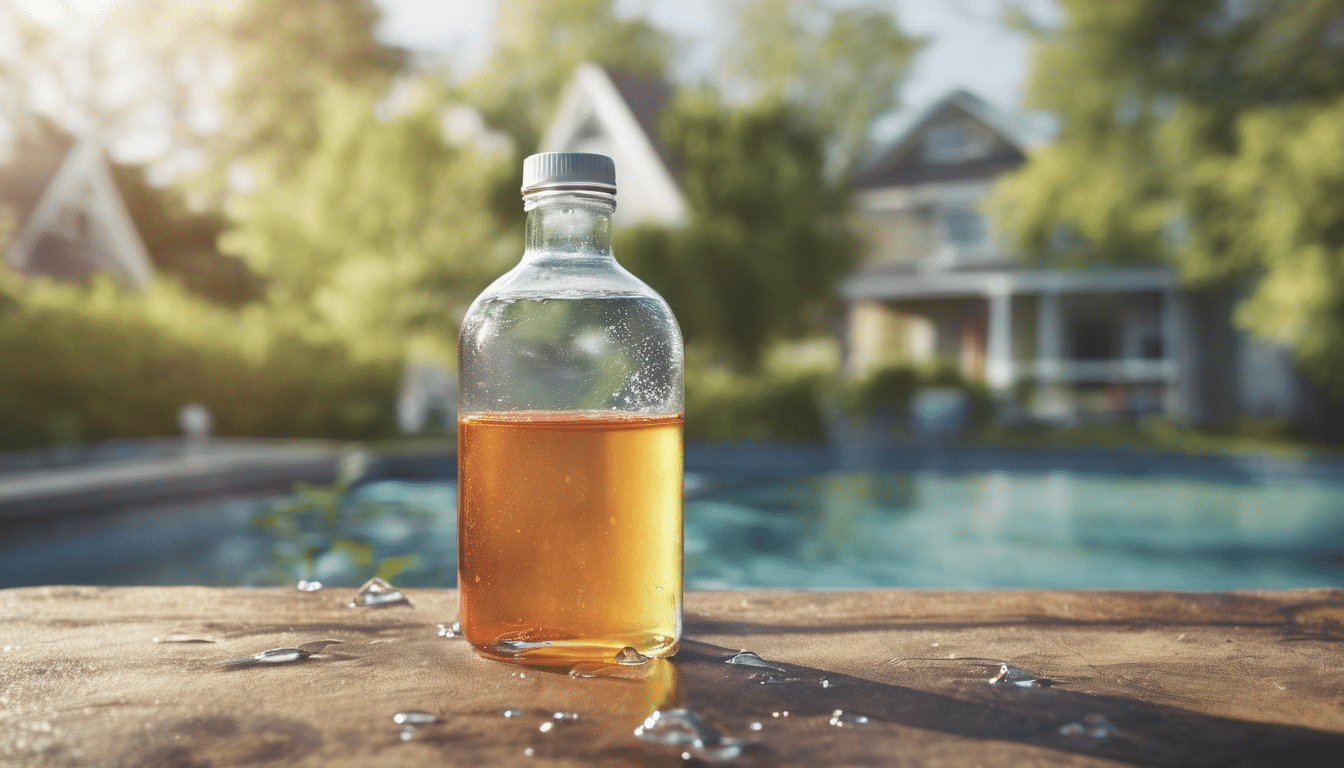
Found In Residential: Common Chemical Contaminants
Understanding Common Chemical Contaminants Found in Residential Water
Residential water supplies can harbor a variety of chemical contaminants that may not be visible or immediately detectable. These chemicals can originate from various sources within the home, local distribution networks, and upstream facilities. Understanding these contaminants is crucial for maintaining a safe living environment. This relates directly to Common Chemical Contaminants Found In Residential Water.
Common Chemical Contaminants Found In Residential Water – Water Contamination Sources
Contaminants in residential water supplies are typically introduced through several pathways:
- Pipe Leaching: Old pipes, particularly those made of lead or copper, can leach harmful chemicals into the water supply.
- Water Storage Tanks: Poorly maintained storage tanks can harbor biological and chemical contaminants due to stagnant water conditions.
- Local Distribution Networks: Lead soldering in pipes and other infrastructural issues can introduce harmful elements like lead, copper, and heavy metals into the water stream.
Common Chemical Contaminants Found in Residential Water
The most prevalent chemical contaminants found in residential water supplies include:
Lead
- Health Effects: Lead exposure can cause cognitive impairment, anemia, and kidney damage. Children are particularly vulnerable to lead poisoning.
- Prevention: Regularly test your water for lead levels, especially if you have old pipes or fixtures. Use filters certified by NSF to remove lead.
Copper
- Health Effects: High copper levels can cause nausea, vomiting, and liver damage. Long-term exposure may result in increased blood pressure.
- Prevention: Use water filters that reduce copper content or consider replacing old plumbing components made of copper.
Arsenic
- Health Effects: Arsenic exposure can lead to skin lesions, cancer, and cardiovascular diseases. Long-term exposure increases the risk of bladder and lung cancers.
- Prevention: Test your water for arsenic levels regularly. Use filters certified for arsenic removal or consider alternative water sources like bottled water.
Fluoride
- Health Effects: Excessive fluoride can cause fluorosis, a condition that discolores teeth and damages enamel. It also poses risks to bone health.
- Prevention: Monitor your water’s fluoride levels, especially in areas with high natural content. Use filters that remove or reduce fluoride if necessary.
Chlorine
- Health Effects: Chlorine can cause eye and respiratory irritation. High concentrations may indicate the presence of other contaminants.
- Prevention: Use activated carbon filters to reduce chlorine levels in your water supply.
Testing and Monitoring
To ensure the safety of your water, regular testing is essential. Common methods for testing include:
- Tap Water Testing Kits: Use easy-to-use kits to test for basic contaminants like lead, copper, and fluoride.
- Laboratory Analysis: Send water samples to professional labs that offer comprehensive analysis for a wide range of chemicals.
The Environmental Water Quality Laboratory (EWQL) at Saniservice offers advanced testing services including:
- Detection of heavy metals such as lead, copper, and arsenic.
- Assessment of fluoride levels in water supplies.
- Analysis of chlorination byproducts.
Regular monitoring is key to maintaining a healthy residential environment. Schedule tests every six months or annually depending on your local conditions and the age of your plumbing infrastructure.
Choosing the Right Filtration System
Water filtration systems play a crucial role in reducing chemical contaminants in your home‘s water supply. Here are some key factors to consider:
- Type of Filter: Look for filters certified by reputable organizations like NSF or WQA (Water Quality Association).
- Filtering Capabilities: Choose a system that addresses the specific contaminants present in your water supply. For example, reverse osmosis systems are effective at removing a wide range of chemicals and minerals.
- Maintenance Requirements: Ensure the filter is easy to maintain and replace as recommended by the manufacturer.
The EWQL team can help you select the appropriate filtration system based on your water test results. They offer customized solutions that are both effective and practical for Dubai’s unique water conditions. When considering Common Chemical Contaminants Found In Residential Water, this becomes clear.
Solutions for Chemical Contamination
Addressing chemical contamination in residential water requires a comprehensive approach:
- Replace Old Pipes: If your home has old lead or copper pipes, consider replacing them with safer alternatives like PEX (cross-linked polyethylene) or CPVC (chlorinated polyvinyl chloride).
- Install High-Quality Filters: Use filters that are specifically designed to remove the contaminants present in your water supply. Regularly replace these filters as recommended by the manufacturer.
- Use Alternative Water Sources: For critical applications like drinking and cooking, consider using bottled water or a dedicated filtered tap for purified water needs.
The EWQL can provide expert advice on implementing these solutions and ensure they are effective in your specific situation. Their team of professionals can assist with:
- Designing custom filtration systems tailored to your home’s water quality.
- Installing and maintaining the chosen filtration equipment.
- Providing ongoing support and monitoring to ensure optimal performance.
Expert Tips for Protecting Your Water Quality
To maintain high-quality residential water, follow these practical tips:
- Regular Testing: Test your water supply every six months or annually to monitor changes in quality.
- Proper Maintenance: Regularly clean and replace filters as recommended by the manufacturer.
- Use Quality Filters: Invest in certified water filters that effectively remove contaminants from your home’s water supply.
- Consider Water Storage: If possible, use storage tanks to reduce exposure time of water to potential contamination sources within the home.
FAQ
- Q: How often should I test my water?
- Q: Are all filters equally effective?
- Q: Can I trust bottled water as a safe alternative?
A: Test your water supply every six months or annually, especially if you have concerns about contamination sources in your local area. The importance of Common Chemical Contaminants Found In Residential Water is evident here.
A: No, not all filters are created equal. Look for those certified by organizations like NSF to ensure they effectively remove the contaminants present in your water supply.
A: Bottled water can be a reliable alternative, but it’s important to monitor its quality and consider using filters for critical applications like drinking and cooking.
Conclusion
Chemical contaminants in residential water supplies pose significant health risks. By understanding the common sources of these contaminants, testing your water regularly, and implementing effective solutions, you can ensure a safe living environment for your family. The Environmental Water Quality Laboratory at Saniservice offers comprehensive services to help you protect your water quality and maintain a healthy home. Understanding Common Chemical Contaminants Found In Residential Water is key to success in this area.

JV de Castro, IAC2
JV de Castro is the Chief Technology Officer at Saniservice, where he leads innovation in indoor environmental sciences, IT infrastructure, and digital transformation. With over 20 years of experience spanning architecture, building science, technology management, digital media architecture, and consultancy, he has helped organizations optimize operations through smart solutions and forward-thinking strategies. JV holds a Degree in Architecture, a Masters of Research in Anthropology, an MBA in Digital Communication & Media, along with certifications in mold, building sciences and advanced networking. Passionate about combining technology, health, and sustainability, he continues to drive initiatives that bridge science, IT, and business impact.



Leave a Reply