



Indoor Air Quality Testing Methods For Homeowners Guide
Understanding Indoor Air Quality Testing Methods for Homeowners
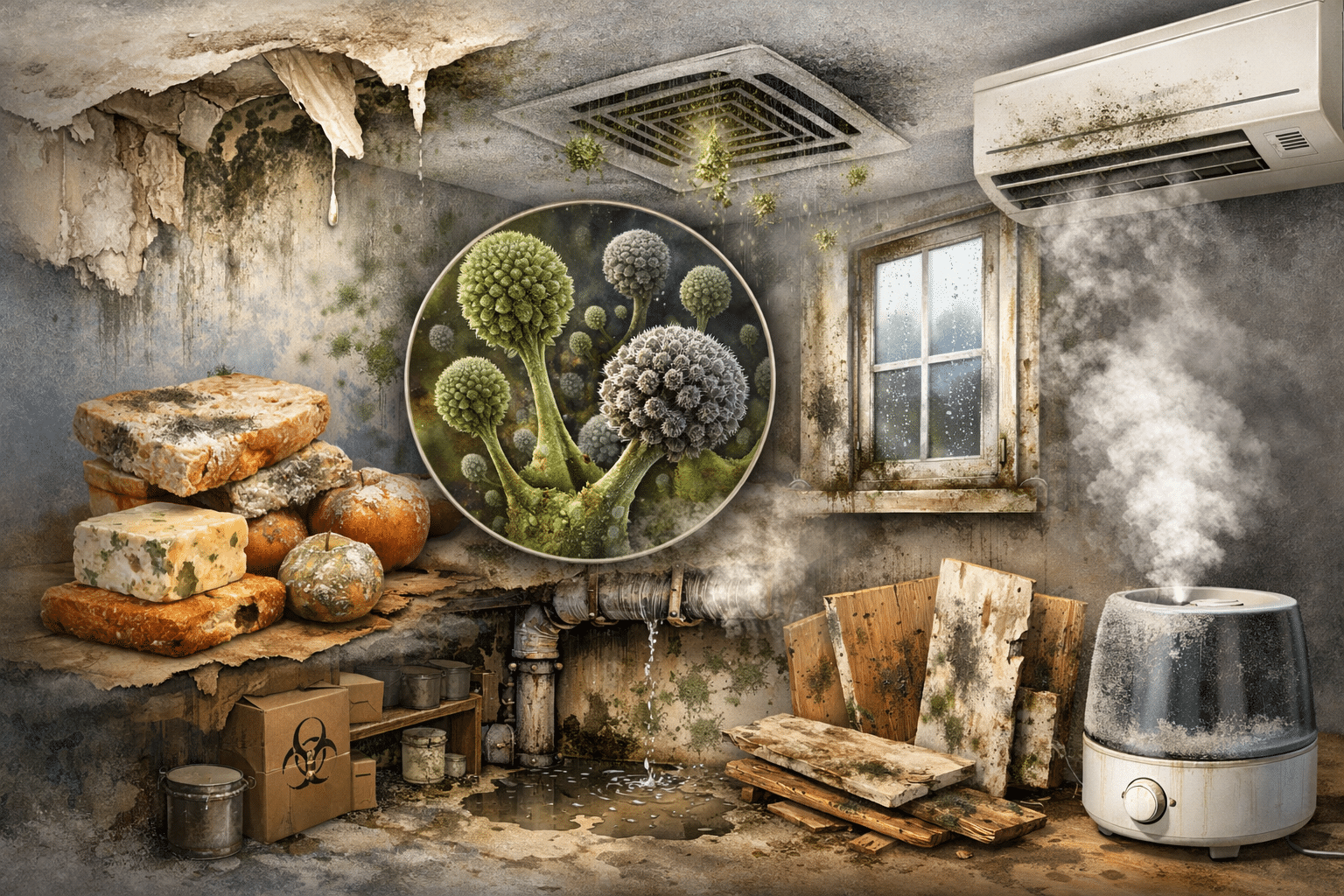
Understanding Indoor Air Quality Testing Methods For Homeowners is essential. Indoor air quality (IAQ) is a critical factor in maintaining the health and comfort of individuals in their homes. Various pollutants, such as volatile organic compounds (VOCs), particulate matter, mold spores, and radon gas, can accumulate indoors, leading to respiratory issues, allergies, and other health problems. This guide will help homeowners understand the different methods available for testing IAQ and provide insights into what they should expect from these tests.
Table of Contents
- Types of IAQ Tests for Homeowners
- Costs and Factors Affecting Prices
- Professional IAQ Testing Services in the UAE
- How to Interpret Test Results and Take Action
- Expert Tips for Homeowners on IAQ Testing
- FAQ: Indoor Air Quality Testing for Homeowners
- Conclusion of Indoor Air Quality Testing Methods for Homeowners
Types of IAQ Tests for Homeowners
There are several indoor air quality testing methods for homeowners, each with its own purpose and application. The most common methods include:
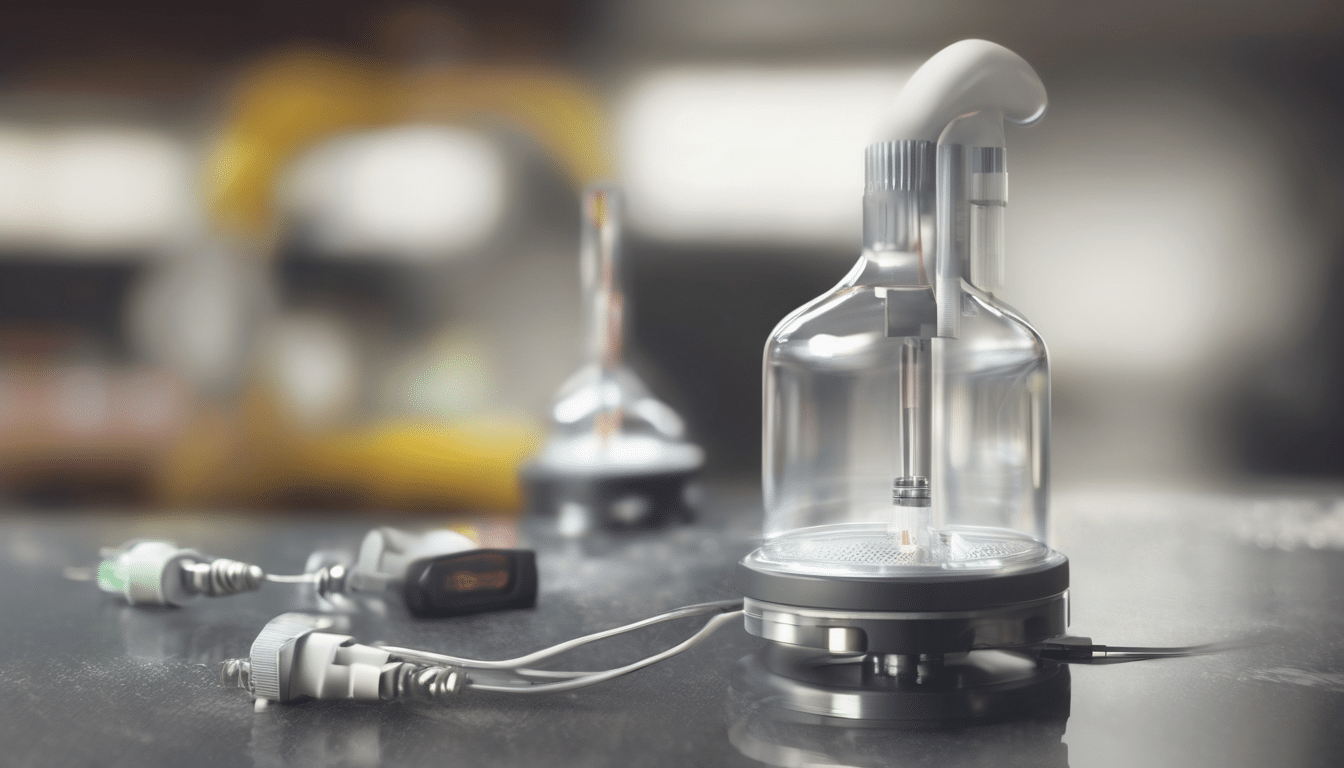
- Air Sampling Kits – Collect air samples to test for VOCs, mold spores, and particulates
- Mold Testing – Identify hidden mold growth behind walls or under floors
- Radiation Detection – Detect radon gas seeping into homes from the ground
- Particulate Matter (PM) Testing – Measure PM2.5 and PM10 particles
- Thermal Imaging – Detect temperature differences indicating moisture or mold
Air Sampling Kits
Air sampling kits are easy-to-use devices that can be purchased online or from local stores. These kits typically include:
- Collection media (swabs, tape traps)
- Sampling containers for different pollutants
- Instructions and guides on how to conduct tests
- Laboratory submission forms
These kits are suitable for basic testing but may not be as accurate or comprehensive as professional services. They require proper calibration and understanding of the results.
Mold Testing
Mold testing involves collecting samples from suspect areas using various testing methods for homeowners:
Collection Methods:
- Tape traps to capture mold spores on surfaces
- Swabs for direct sampling of visible mold growth
- Spray bottles with sterile water or alcohol to collect airborne spores
- Air sampling cassettes for comprehensive analysis
Analysis Types:
- Qualitative methods – Identifying the presence of mold but not quantifying it
- Quantitative methods – Measuring the concentration of mold spores in the air or on surfaces
Radiation Detection
Radon gas testing is crucial for homeowners concerned about this radioactive gas. These tests typically involve:
Active Detectors:
- Continuously monitor radon levels
- Transmit data wirelessly to a receiver
- Provide real-time readings
- More accurate for short-term testing
Passive Detectors:
- Left in place for several days or weeks
- Sent to a laboratory for analysis
- Cost-effective option
- Better for long-term average readings
Particulate Matter Testing
PM testing is essential among air quality testing methods for homeowners monitoring fine particulates. These tests often include:
- Sampling pumps and filters to collect particles over a specific period
- Air quality monitors providing real-time data on PM2.5 and PM10
- Laser particle counters for precise measurements
- Data logging capabilities for trend analysis
Thermal Imaging
Using thermal imaging cameras can help identify moisture hotspots that may indicate hidden mold growth or water damage. These cameras are particularly useful for:
- Detecting temperature variations in walls, floors, and ceilings
- Identifying cold spots where condensation might form
- Locating water leaks behind walls
- Non-invasive inspection of building envelope
Thermal imaging is a non-invasive method that can be done by homeowners or professional inspectors.
Costs and Factors Affecting Prices
The cost of IAQ testing varies depending on the type of test, the complexity of the testing process, and whether professional services are involved. Here’s a breakdown:
| Test Type | Average Cost per Test | Factors Affecting Cost |
|---|---|---|
| Air Sampling Kits | AED 100 – AED 300 | Number of rooms, type of pollutants tested |
| Mold Testing | AED 200 – AED 500 | Type and quantity of samples, laboratory analysis |
| Radiation Detection (Radon) | AED 400 – AED 800 | Detection period, professional installation and monitoring |
| Particulate Matter Testing | AED 150 – AED 400 | Duration of test, air quality monitor rental |
| Thermal Imaging | AED 500 – AED 1,200 | Camera quality, resolution, number of thermal images needed |
Cost Considerations:
- Air Sampling Kits – Most affordable option for basic testing, though results may be limited
- Mold Testing – Costs increase with more detailed quantitative analysis
- Radiation Detection – Mid-range cost but may require professional installation
- Particulate Matter Testing – Continuous monitoring devices often include subscription services
- Thermal Imaging – Most expensive due to specialized equipment and expertise required
Professional IAQ Testing Services in the UAE
For comprehensive and accurate testing methods for homeowners, many opt for professional services. These companies offer a range of tests tailored to specific needs and provide detailed reports:
Services Offered:
- Multisensor Air Quality Monitors • Continuously monitor various pollutants • Provide real-time data and alerts • Track trends over time • Mobile app integration
- Thermal Imaging Services • Professional thermographic inspections • High-resolution cameras • Expert interpretation of results • Comprehensive reporting
- Mold Testing • Comprehensive mold surveys • Sampling and analysis by certified professionals • Species identification • Remediation recommendations
- Radiation Detection • Expert radon testing • Detailed reports on detection levels • Risk assessments • Mitigation strategies
Professional Service Benefits:
- Detailed report interpretation by certified experts
- Recommendations for remediation or mitigation strategies
- Ongoing monitoring to ensure IAQ improvements
- Compliance with local regulations
- Insurance documentation support
How to Interpret Test Results and Take Action
Once you have the test results from your chosen testing methods for homeowners, it’s crucial to interpret them correctly and take appropriate action:
Step 1: Identify Pollutants
- Determine which pollutants are present based on test results
- Note concentration levels for each pollutant
- Compare findings across different rooms or areas
Step 2: Evaluate Levels
- Compare detected levels against established safety standards
- Review WHO and EPA guidelines
- Consider local UAE regulations
- Assess severity of contamination
Step 3: Analyze Findings
- Understand health implications of detected pollutants
- Identify potential sources of contamination
- Evaluate risk to vulnerable populations (children, elderly, those with respiratory conditions)
- Determine urgency of remediation needs
Step 4: Take Action
Develop a comprehensive plan to address issues:
- Immediate Actions: • Increase ventilation • Remove obvious sources of pollution • Evacuate if levels are dangerously high
- Short-term Solutions: • Install air purifiers • Address minor mold growth • Seal cracks and gaps
- Long-term Strategies: • Improve HVAC systems • Install radon mitigation systems if needed • Conduct professional mold remediation • Upgrade insulation and moisture barriers
Expert Tips for Homeowners on IAQ Testing
Based on years of experience with various air quality testing methods for homeowners, here are expert recommendations:
Tip 1: Choose Accredited Professionals
- Ensure testing services are accredited by relevant organizations
- Look for certifications from IAC2 (International Association of Certified Indoor Air Consultants)
- Verify credentials and experience
- Check customer reviews and references
Tip 2: Regular Testing Schedule
- Conduct tests every 6-12 months as baseline monitoring
- Test immediately after water damage or flooding
- Retest after renovations or significant changes
- Consider continuous monitoring in high-risk areas
Tip 3: Improve Ventilation
- Enhance natural ventilation by opening windows regularly
- Upgrade mechanical ventilation systems
- Install HEPA filters in HVAC systems
- Ensure proper air exchange rates
Tip 4: Manage Moisture
- Address moisture issues promptly to prevent mold
- Use dehumidifiers in humid areas
- Ensure proper drainage around foundation
- Improve insulation to prevent condensation
- Fix leaks immediately
Tip 5: Document Everything
- Keep records of all test results
- Photograph problem areas
- Maintain remediation documentation
- Track improvements over time
FAQ: Indoor Air Quality Testing for Homeowners
Q: What are the most common IAQ issues in UAE homes? A: Common IAQ issues include high levels of mold due to humidity, radon gas in certain geological areas, VOCs from building materials and household products, and particulate matter from dust and desert sand.
Q: How often should I test my home’s air quality? A: It’s recommended to conduct regular tests every 6-12 months, especially after significant events like water damage or renovations. Continuous monitoring can provide ongoing insights into your home’s air quality.
Q: Can I do IAQ testing myself, or should I hire professionals? A: While air sampling kits are available for DIY testing, professional services offer more accurate and comprehensive results. Consider hiring a professional if you suspect serious issues or need detailed analysis and remediation recommendations.
Q: Which testing methods for homeowners are most important? A: The most important tests depend on your specific concerns. For general assessment, air sampling for VOCs and particulate matter, plus mold testing in humid areas, are essential. Radon testing is crucial if your area has known radon issues.
Q: How long does IAQ testing take? A: Testing duration varies by method. DIY kits may require 24-72 hours of sampling, while professional comprehensive testing can take several days including laboratory analysis. Results typically arrive within 1-2 weeks.
Conclusion of Indoor Air Quality Testing Methods for Homeowners
Testing indoor air quality is an essential step in maintaining a healthy living environment. By understanding the various testing methods for homeowners available, you can make informed decisions about your IAQ and take appropriate actions to improve it. Whether you choose basic DIY tests or professional services, regular monitoring will help ensure your home remains safe and comfortable.
Remember, clean air is vital for good health. The investment in proper IAQ testing methods for homeowners pays dividends in improved health, comfort, and peace of mind. Utilize this guide to conduct thorough testing and implement effective solutions based on the results. Regular monitoring and prompt action when issues are detected will ensure your home provides a healthy environment for you and your family for years to come.

JV de Castro, IAC2
JV de Castro is the Chief Technology Officer at Saniservice, where he leads innovation in indoor environmental sciences, IT infrastructure, and digital transformation. With over 20 years of experience spanning architecture, building science, technology management, digital media architecture, and consultancy, he has helped organizations optimize operations through smart solutions and forward-thinking strategies. JV holds a Degree in Architecture, a Masters of Research in Anthropology, an MBA in Digital Communication & Media, along with certifications in mold, building sciences and advanced networking. Passionate about combining technology, health, and sustainability, he continues to drive initiatives that bridge science, IT, and business impact.


Leave a Reply