


Sources And Detection Methods For Microplastics In Home Air
Introduction to Microplastics in Home Air
Understanding Sources and Detection Methods For Microplastics In Home Air is essential. Microplastics have become a global environmental issue, affecting various ecosystems. Indoor environments are not immune to this problem, with microplastics potentially accumulating in home air. Understanding the sources of these tiny pollutants and detecting them is crucial for protecting indoor air quality and human health.
Table of Contents
- Understanding Sources and Detection Methods for Microplastics in Home Air
- Common Sources of Microplastics in Home Air
- Air Filtering Systems as a Source of Microplastics
- Detection Methods for Microplastics in Home Air
- Health Risks Associated with Inhaled Microplastics
- Mitigation Strategies to Reduce Microplastic Exposure
- Expert Tips for Homeowners and Professionals
- FAQs about Sources and Detection Methods for Microplastics in Home Air
- Conclusion: Protecting Indoor Air Quality from Microplastics
Understanding Sources and Detection Methods for Microplastics in Home Air
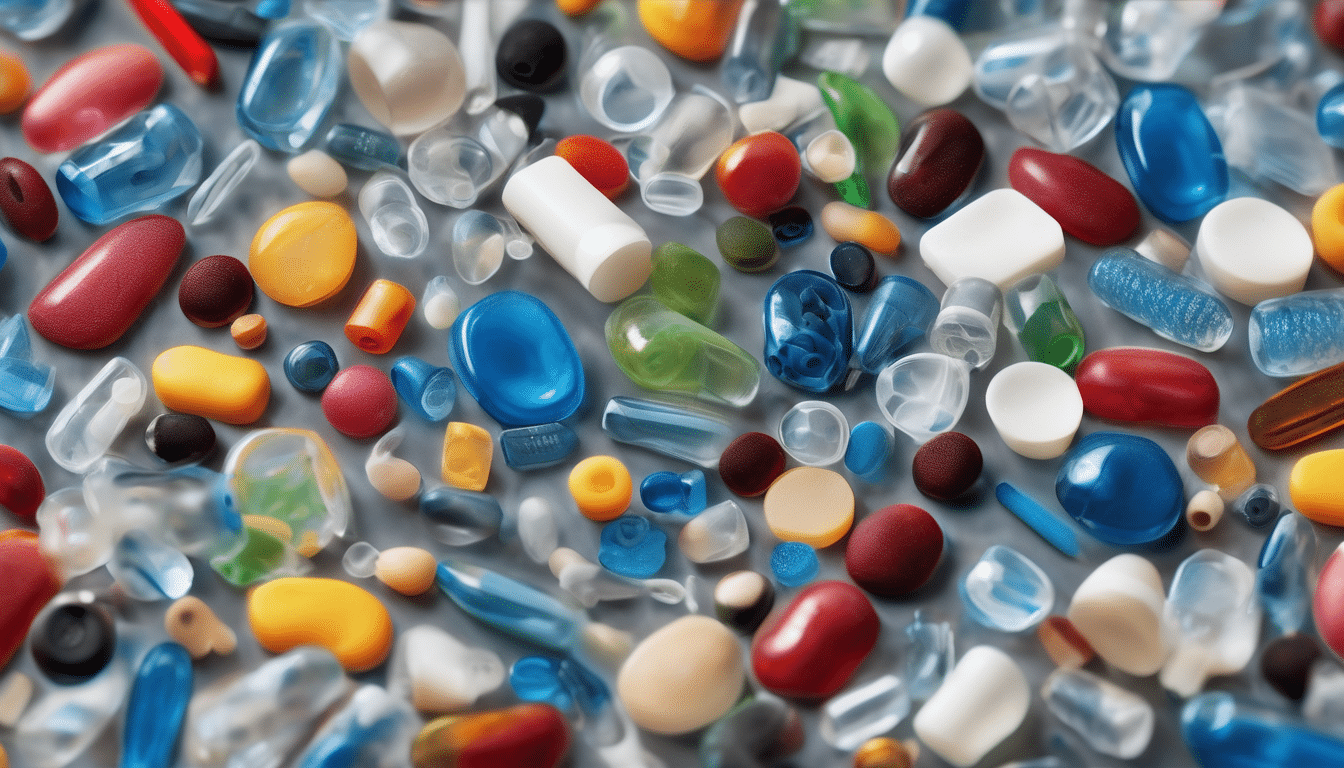
Microplastics are defined as plastic particles less than 5 millimeters in size. They can enter indoor environments through various means, including outdoor air, household products, and personal care items.
Indoor Sources of Microplastics
- Household Dust – Dust mites and other pests generate microplastic particles from synthetic fibers in carpets, curtains, and furniture
- Cleaning Products – Many cleaning products contain plastic microbeads, which can release microplastics into the air during use
- Personal Care Items – Cosmetics, toothpaste, and exfoliating scrubs often contain microbeads that can break down into microplastics in home environments
Common Sources of Microplastics in Home Air
The primary sources of microplastics in home air include both outdoor and indoor origins:
Outdoor Sources
- Atmospheric Deposition – Microplastics from outdoor air can enter homes through open windows, ventilation systems, and outdoor activities
- Road Dust – Particles generated by vehicle traffic can contain microplastic debris that enters buildings through doors and windows
Indoor Sources
- Furnishings and Fabrics – Synthetic fabrics, carpets, and upholstery release tiny plastic particles into the air over time
- Cleaning Activities – Dusting, vacuuming, and sweeping can disperse microplastics present in household dust
Air Filtering Systems as a Source of Microplastics
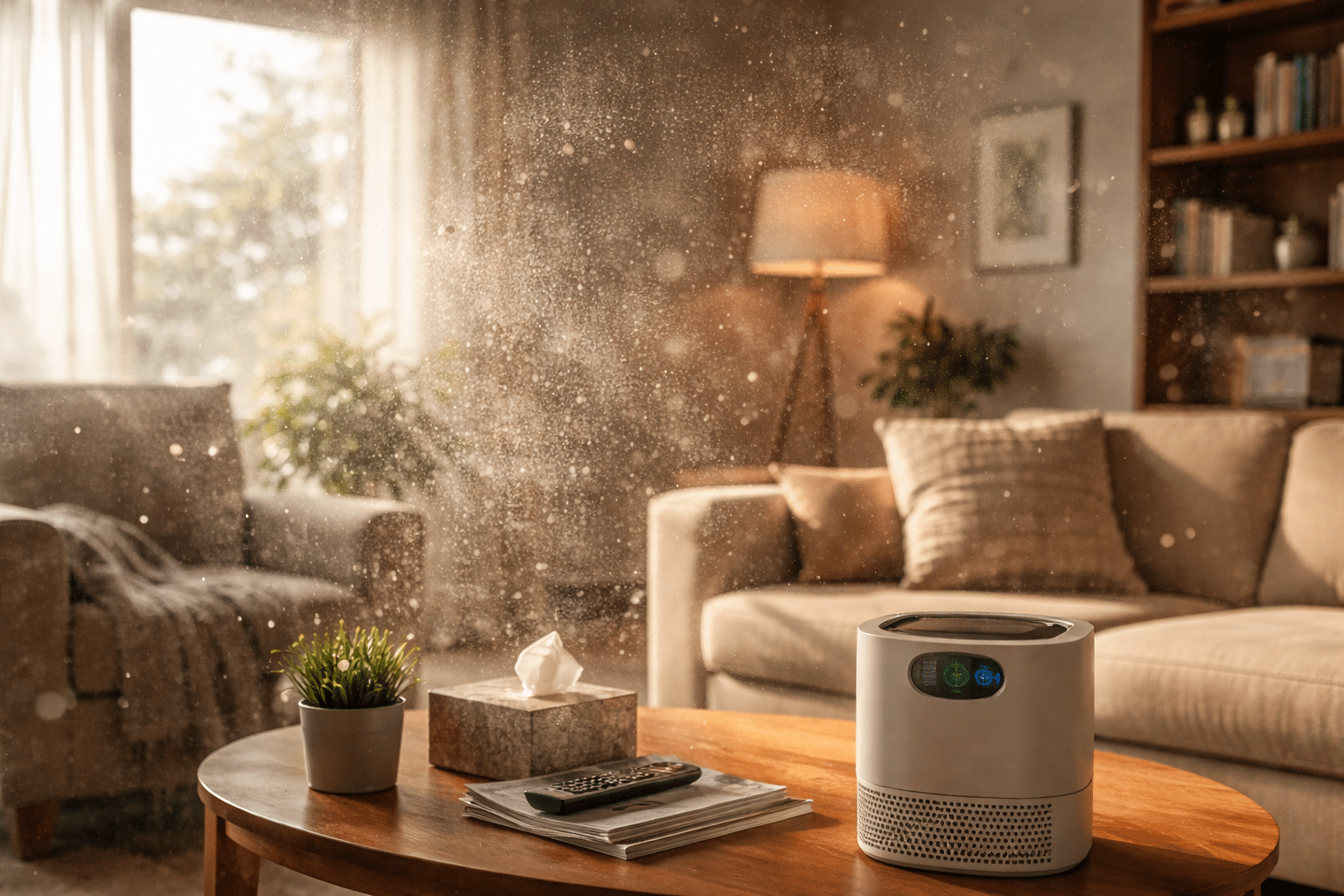
Air filtering systems, while beneficial for improving indoor air quality, can also contribute to microplastic pollution when addressing microplastics in home air. Filters used in HVAC systems and air purifiers often contain plastic components that break down into microplastics during operation.
Detection Methods for Microplastics in Home Air
Identifying microplastics in home air requires specialized equipment and techniques. Here are some common methods:
Microscopy
- Microscopic Analysis – Using scanning electron microscopy (SEM) or transmission electron microscopy (TEM) to identify and quantify microplastic particles
- Digital Image Analysis – Employing image processing software to analyze particle size, shape, and distribution
Chemical Analysis
- Fourier Transform Infrared (FTIR) Spectroscopy – A technique that identifies the chemical composition of microplastics by analyzing their spectral signatures
- Raman Spectroscopy – Another method for identifying and characterizing microplastics based on their unique molecular vibrations
Health Risks Associated with Inhaled Microplastics
Inhalation of microplastics in home air can pose significant health risks, including:
Primary Health Concerns:
- Respiratory Issues – Microplastics can irritate the respiratory system and exacerbate conditions such as asthma
- Toxic Chemicals – Some microplastics may leach harmful chemicals into indoor air, increasing exposure to toxic substances
- Inflammation and Oxidative Stress – Long-term inhalation can lead to chronic inflammation and oxidative stress in the body
Mitigation Strategies to Reduce Microplastic Exposure
To minimize exposure to microplastics in home air, homeowners and professionals should implement these strategies:
Key Strategies:
- Use High-Quality Air Filters – Install filters with high efficiency particulate air (HEPA) or ultra-low penetration air (ULPA) capabilities
- Regular Cleaning Practices – Regularly dust, vacuum, and mop to remove microplastics from surfaces
- Avoid Synthetic Fabrics – Use natural materials like cotton, wool, and linen in home furnishings
- Minimize Personal Care Products – Use products that do not contain plastic microbeads and dispose of them responsibly
Expert Tips for Homeowners and Professionals
To effectively address the issue of microplastics in home air, consider these practical tips:
- Invest in Air Purifiers with HEPA Filters – High-quality air purifiers can significantly reduce microplastic levels
- Regular Maintenance of HVAC Systems – Clean and maintain your heating, ventilation, and air conditioning (HVAC) system to prevent the accumulation of microplastics
- Use Microfiber Cloths for Cleaning – Microfiber cloths trap more dust and particles than traditional cloths, reducing microplastic release during cleaning activities
- Monitor Indoor Air Quality – Use air quality monitors to track changes in indoor air composition over time
- Choose Natural Materials – Select furniture and textiles made from natural fibers
- Proper Ventilation – Ensure adequate ventilation while minimizing outdoor pollutant entry
- Regular Filter Replacement – Change HVAC and air purifier filters according to manufacturer recommendations
- Minimize Plastic Use – Reduce overall plastic consumption in household products
- Professional Assessment – Consider professional indoor air quality testing
FAQs about Sources and Detection Methods for Microplastics in Home Air
Q: Can I use a standard vacuum cleaner to reduce microplastic levels? A: No, standard vacuum cleaners may not effectively remove all microplastics in home air. Consider investing in a HEPA-filtered vacuum cleaner for better results.
Q: Are there any specific air filters that are more effective against microplastics? A: Yes, look for air purifiers with high-efficiency particulate air (HEPA) or ultra-low penetration air (ULPA) filters, which can capture smaller particles when managing microplastics in home air.
Q: Can I use a home air quality monitor to detect microplastics? A: No, current air quality monitors are not designed to detect microplastics specifically. They typically measure particulate matter and gases but not individual plastic particles in home air.
Q: How often should I clean to reduce microplastic levels? A: Regular cleaning at least weekly is recommended, with more frequent cleaning in high-traffic areas to effectively manage microplastics in home air.
Q: Are natural fabrics completely free of microplastics? A: While natural fabrics generally don’t release microplastics, some may have synthetic blends or treatments. Check labels and choose 100% natural materials when possible.
Conclusion: Protecting Indoor Air Quality from Microplastics
Microplastics in home air pose a significant threat to indoor air quality and human health. By understanding the sources of microplastics in home air, utilizing appropriate detection methods, and implementing effective mitigation strategies, homeowners and professionals can reduce exposure and protect their health. Understanding Sources And Detection Methods For Microplastics In Home Air is key to success in this area.

JV de Castro, IAC2
JV de Castro is the Chief Technology Officer at Saniservice, where he leads innovation in indoor environmental sciences, IT infrastructure, and digital transformation. With over 20 years of experience spanning architecture, building science, technology management, digital media architecture, and consultancy, he has helped organizations optimize operations through smart solutions and forward-thinking strategies. JV holds a Degree in Architecture, a Masters of Research in Anthropology, an MBA in Digital Communication & Media, along with certifications in mold, building sciences and advanced networking. Passionate about combining technology, health, and sustainability, he continues to drive initiatives that bridge science, IT, and business impact.


Leave a Reply