


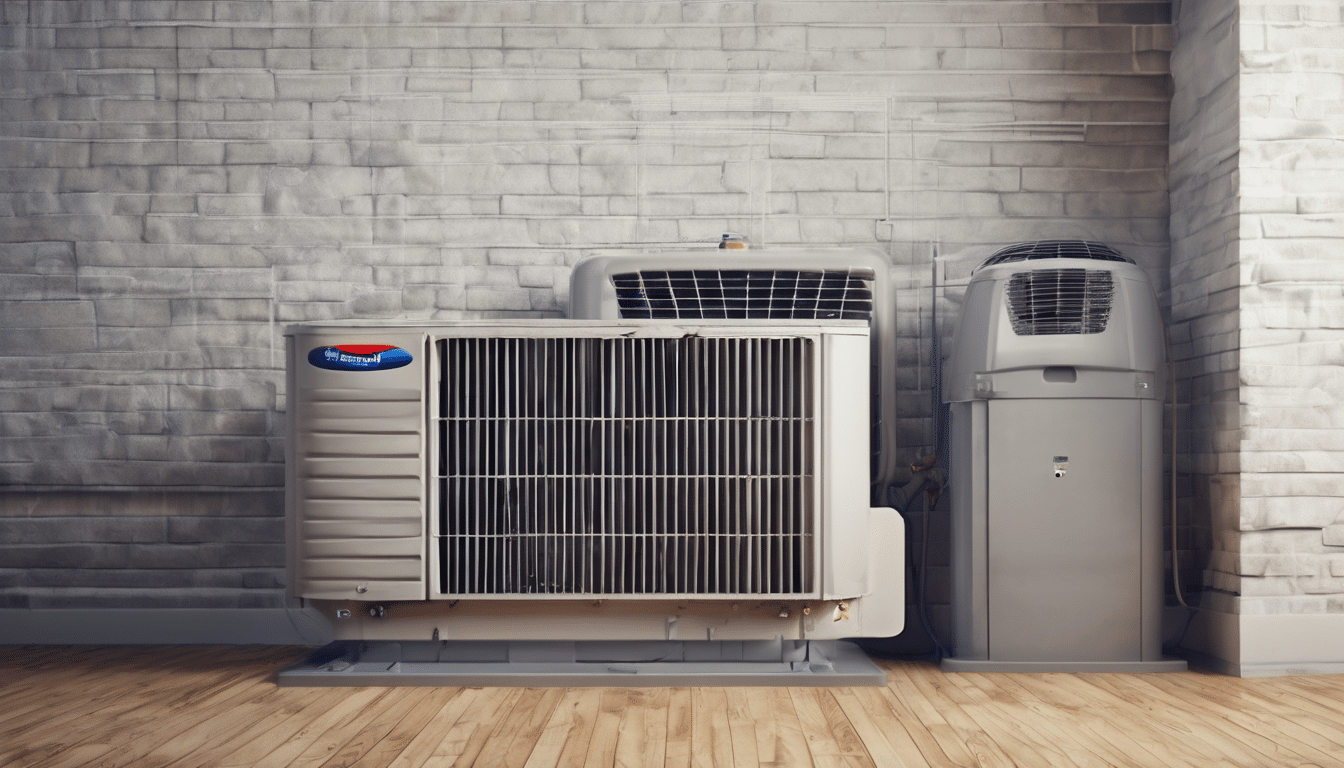
HVAC Maintenance Tips to Improve Indoor Air Quality
Indoor air quality (IAQ) is a critical factor in maintaining a healthy living environment, particularly with modern homes featuring advanced HVAC systems designed for energy efficiency but often at the cost of air quality. HVAC maintenance tips to improve indoor air quality are crucial steps that homeowners and commercial property managers can take to ensure their spaces breathe easier. This article will guide you through key strategies and best practices to enhance your HVAC system’s performance and, consequently, the IAQ in your home or office.
Understanding HVAC Maintenance Tips to Improve Indoor Air Quality
Homeowners and commercial property managers often overlook the importance of regular HVAC maintenance. However, neglecting these systems can lead to a myriad of issues, including poor indoor air quality (IAQ). Poor IAQ can exacerbate respiratory conditions, cause discomfort, and even contribute to serious health problems like asthma and allergies. Understanding the basics of HVAC maintenance tips to improve indoor air quality is essential for ensuring your home or office remains a healthy environment.
The key components of HVAC systems include the heating, ventilating, and air conditioning units, filters, ductwork, and air handlers. Each part plays a crucial role in maintaining optimal IAQ. Regular maintenance not only extends the life of these components but also ensures they operate efficiently, thereby improving overall indoor air quality.
Hvac Maintenance Tips To Improve Indoor Air Quality – Importance of Filter Replacement
Filters are often the first line of defense against airborne pollutants in HVAC systems. HVAC maintenance tips to improve indoor air quality emphasize the importance of regularly replacing filters. According to the Environmental Protection Agency (EPA), dirty or clogged filters can reduce airflow and increase energy consumption, leading to higher utility bills.
How often should you replace your filters? The frequency depends on several factors, including the type of filter, the number of occupants in the space, and the presence of pets. A general guideline is to check and replace filters every 30-90 days. For homes with multiple allergens or pets, more frequent changes may be necessary.
Replacing filters can also help reduce the spread of bacteria, viruses, dust mites, and other contaminants that circulate in your home’s air. By maintaining clean filters, you ensure that your HVAC system operates at its peak efficiency, improving IAQ and reducing the risk of health issues associated with poor indoor air quality.
Hvac Maintenance Tips To Improve Indoor Air Quality – Cleaning Air Handlers and Coils
The air handler and evaporator coils are essential components of an HVAC system. These parts collect dust, dirt, and other debris over time, which can compromise the system’s efficiency and IAQ. HVAC maintenance tips to improve indoor air quality include regular cleaning of these components.
Why clean the air handler and coils? Accumulated debris on the coils can reduce airflow and increase energy consumption. Additionally, dirty coils may harbor mold and mildew, which can release spores into your home’s air, leading to respiratory issues. Cleaning the air handler and coils typically involves using a vacuum cleaner or compressed air to remove debris and applying a cleaning solution if necessary.
Regular cleaning of these components not only improves IAQ but also ensures that your HVAC system operates efficiently, reducing energy costs and extending its lifespan. For best results, consider hiring a professional HVAC technician for this task, as they have the proper tools and expertise to clean these delicate parts without causing damage. This relates directly to Hvac Maintenance Tips To Improve Indoor Air Quality.
System Checks and Tuning
Regular system checks are an essential part of HVAC maintenance tips to improve indoor air quality. These checks help identify potential issues before they become major problems, ensuring your HVAC system operates at its optimal performance level. Some common areas to check include the condensate drain, thermostat settings, and refrigerant levels.
Why perform system checks? System checks can reveal issues such as refrigerant leaks, which can lead to reduced efficiency and increased energy consumption. Additionally, checking the condensate drain ensures that water is properly draining away from your HVAC unit, preventing mold growth and musty odors in your home.
A well-tuned system not only improves IAQ but also reduces noise levels and prevents unexpected breakdowns. Regular inspections by a professional HVAC technician can help identify these issues early on, allowing for timely repairs and maintenance. For optimal results, consider scheduling annual or bi-annual system checks to keep your HVAC unit running smoothly.
Duct Sealing and Inspection
The ductwork in an HVAC system is responsible for distributing conditioned air throughout the home or office. HVAC maintenance tips to improve indoor air quality recommend sealing any leaks or gaps in the ducts, as these can significantly impact IAQ.
How do you seal and inspect ducts? Duct sealing involves applying airtight seals to areas where air leaks out of the system. This can be done using specialized tapes or mastic sealants. Regular inspection of the ductwork should also be performed, as damaged or deteriorating ducts can introduce contaminants into your home’s air supply.
A well-sealed and inspected duct system ensures that conditioned air reaches all parts of your home without loss, improving overall IAQ. Additionally, sealing gaps in the ductwork reduces energy consumption by minimizing wasted airflow, leading to lower utility bills. For best results, consider hiring a professional HVAC technician for this task, as they have the tools and expertise to properly seal and inspect your ducts.
Humidity Control and Ventilation Improvement
Humidity levels play a significant role in maintaining indoor air quality. HVAC maintenance tips to improve indoor air quality include controlling humidity through proper ventilation and dehumidification.
Why control humidity? Excess moisture can lead to the growth of mold, mildew, and other microorganisms that can cause respiratory issues. High humidity levels also create an environment conducive to dust mites, which are a common allergen in many homes. By maintaining optimal humidity levels, you can significantly improve IAQ and reduce the risk of health problems. When considering Hvac Maintenance Tips To Improve Indoor Air Quality, this becomes clear.
Modern HVAC systems often come equipped with built-in dehumidifiers or can be retrofitted with these devices. Additionally, improving ventilation by opening windows periodically or using exhaust fans can help remove excess moisture from your home’s air supply. For best results, consider investing in a humidistat to monitor and control humidity levels, ensuring they remain within the recommended range of 30-50%.
Controlling humidity not only improves IAQ but also reduces the risk of structural damage caused by excess moisture. By maintaining optimal humidity levels, you can create a healthier living environment for yourself and your family or tenants in commercial properties.
Expert Tips to Enhance Air Quality
While regular maintenance is crucial, there are several additional steps you can take to enhance air quality beyond basic HVAC upkeep. Here are some expert tips:
- Use an air purifier. An air purifier with a HEPA filter can remove allergens, pollutants, and even pet dander from the air, improving IAQ significantly.
- Control mold growth. Regularly inspect damp areas in your home for signs of mold. Use mold-resistant paints and sealants to prevent future infestations.
- Maintain proper ventilation. Ensure that exhaust fans are functioning properly and consider installing additional vents or a whole-house fan to improve air circulation.
- Use non-toxic cleaning products. Chemicals released by conventional cleaning supplies can contribute to indoor pollution. Opt for natural or low-VOC alternatives instead.
- Monitor IAQ regularly. Use sensors and monitors to track IAQ levels, especially if you have family members with allergies or asthma. This data can help you make informed decisions about HVAC maintenance and other interventions.
Implementing these tips alongside regular HVAC maintenance will create a more comfortable and healthier living environment for everyone in your household or office space.
Frequently Asked Questions (FAQ)
- Q: How often should I change my HVAC filters?
- A: Filters should be checked and replaced every 30-90 days, depending on usage. Consider more frequent changes for homes with pets or heavy allergen loads.
- Q: Can duct sealing really improve IAQ?
- A: Yes, sealing ducts can reduce air leaks and prevent contaminants from entering your home’s air supply, improving overall IAQ.
- Q: What are some signs that my HVAC system needs maintenance?
- A: Common signs include unusual noises, decreased efficiency, higher energy bills, or visible dirt and debris in the ducts. Regular inspections can help identify these issues early on.
Conclusion
Improving indoor air quality through regular HVAC maintenance is a critical step toward creating a healthier living environment. By following HVAC maintenance tips to improve indoor air quality, you can ensure that your home or office remains free from airborne pollutants and allergens, reducing the risk of respiratory issues and other health problems.
Regular filter replacements, cleaning air handlers and coils, system checks, duct sealing, and humidity control are essential components of a comprehensive maintenance plan. Additional tips like using an air purifier, controlling mold growth, maintaining proper ventilation, using non-toxic cleaning products, and monitoring IAQ can further enhance your indoor environment.
Remember that regular professional servicing is key to maintaining optimal HVAC performance and IAQ. If you need assistance with any of these tasks or have concerns about your home’s air quality, consider consulting a licensed HVAC technician for expert advice and services. Understanding Hvac Maintenance Tips To Improve Indoor Air Quality is key to success in this area.

JV de Castro, IAC2
JV de Castro is the Chief Technology Officer at Saniservice, where he leads innovation in indoor environmental sciences, IT infrastructure, and digital transformation. With over 20 years of experience spanning architecture, building science, technology management, digital media architecture, and consultancy, he has helped organizations optimize operations through smart solutions and forward-thinking strategies. JV holds a Degree in Architecture, a Masters of Research in Anthropology, an MBA in Digital Communication & Media, along with certifications in mold, building sciences and advanced networking. Passionate about combining technology, health, and sustainability, he continues to drive initiatives that bridge science, IT, and business impact.



Leave a Reply