


Optimal Indoor Air: HVAC System Maintenance for
Introduction to HVAC System Maintenance
Understanding HVAC System Maintenance For Optimal Indoor Air Quality is essential. Heating, ventilation, and air conditioning (HVAC) systems play a crucial role in maintaining indoor environmental quality. In environments like Dubai, where extreme heat and humidity are common challenges, ensuring that your HVAC system is well-maintained can significantly impact the overall comfort and health of occupants.
Table of Contents
Understanding HVAC System Maintenance for Optimal Indoor Air Quality
Optimal indoor air quality is essential for the health and wellbeing of building occupants. HVAC systems are key to achieving this, as they control temperature, humidity, and air circulation within a space. Regular maintenance ensures that these systems operate efficiently and effectively, preventing issues such as mold growth, dust accumulation, and poor air distribution.
HVAC System Maintenance For Optimal Indoor Air Quality – Costs and Factors Affecting Pricing
The cost of HVAC System Maintenance can vary based on several factors:
- System Type: Different types of systems (e.g., split systems, ductless mini-splits) have different maintenance requirements.
- Building Size and Complexity: Larger or more complex buildings require more extensive maintenance services.
- Frequency of Service: Annual maintenance is generally recommended, but more frequent service may be necessary depending on usage and environmental conditions.
- Location: The cost of labor and materials can vary based on the location. In Dubai, for instance, costs might include additional transportation fees.
Average costs for HVAC maintenance in Dubai typically range from AED 200 to AED 500 per visit, with more complex systems costing up to AED 1,000 or more. Regular filter replacements and cleaning can cost between AED 50 and AED 300 annually. This relates directly to HVAC System Maintenance For Optimal Indoor Air Quality.
HVAC System Maintenance For Optimal Indoor Air Quality – Types of Maintenance Services Offered
Professional HVAC maintenance services often include the following:
- Inspections: Regular checks to ensure all components are functioning correctly.
- Cleaning and Dust Removal: Removing accumulated dust, debris, and contaminants from the system.
- Filter Replacement: Replacing filters to maintain air quality and efficiency.
- Dehumidification Checks: Ensuring proper dehumidification levels to prevent mold growth and condensation issues.
- Safety Inspections: Checking for any safety hazards that could affect the system or its components.
Regular Inspections and Cleanings
Regular inspections are crucial to identifying potential issues before they become major problems. During a typical inspection, technicians will:
- Check the refrigerant levels to ensure proper system operation.
- Inspect the air filters for any signs of damage or blockage.
- Assess the condensate drainage systems for any leaks or blockages.
- Examine the evaporator and condenser coils for dirt, dust, or corrosion.
Cleanings are equally important to ensure that air flows freely through the system. This includes:
- Dusting and cleaning the exterior of the unit to prevent blockages.
- Deep-cleaning the interior components like coils and fans.
- Removing any accumulated debris from the ductwork.
Filter Replacement and Dust Removal
Air filters are a critical component of HVAC systems. They trap dust, pollen, mold spores, and other particulates that can negatively impact indoor air quality. Replacing filters regularly is essential to maintaining good air quality.
- Frequency: Filters should be replaced every 3-6 months or more frequently in high-dust environments.
- Types of Filters: High-efficiency particulate air (HEPA) filters are recommended for optimal air quality, but they can be expensive and require replacement every year.
Dust removal is another important aspect of maintenance. Accumulated dust in the system can reduce efficiency and affect indoor air quality. Professional cleaning services can use advanced tools like vacuum cleaners with HEPA filters to remove deep-seated dirt from hard-to-reach areas within the HVAC unit.
System Checks for Complex Environments
For complex buildings or those in challenging climates, more frequent and comprehensive maintenance checks are recommended. For instance:
- Demand Control Ventilation Systems: These systems require regular calibration to ensure they operate efficiently.
- Energy Recovery Ventilators (ERVs): ERVs need periodic inspection to maintain proper heat exchange and air quality.
- Schools and Hospitals: These environments often have stringent indoor air quality requirements that necessitate more frequent checks.
Specialized Services Like Dehumidification
In regions like Dubai, where humidity levels can be challenging, specialized services such as dehumidification are essential. These services help control moisture in the air, reducing the risk of mold growth and improving indoor air quality.
- Dehumidifier Installation: Installing a dehumidifier can significantly reduce humidity levels and prevent condensation issues.
- Dehumidification Checks: Regular checks ensure that the system is operating efficiently and effectively in controlling moisture levels.
Expert Tips for Optimal Maintenance
To get the most out of your HVAC maintenance, follow these expert tips:
- Choose a Reliable Technician: Select a reputable and experienced service provider with a good track record.
- Schedule Regular Inspections: Set a reminder to schedule regular inspections at least once a year or more often if needed.
- Check Outdoor Units: Ensure that outdoor units are free from obstructions and debris, as this can affect their performance.
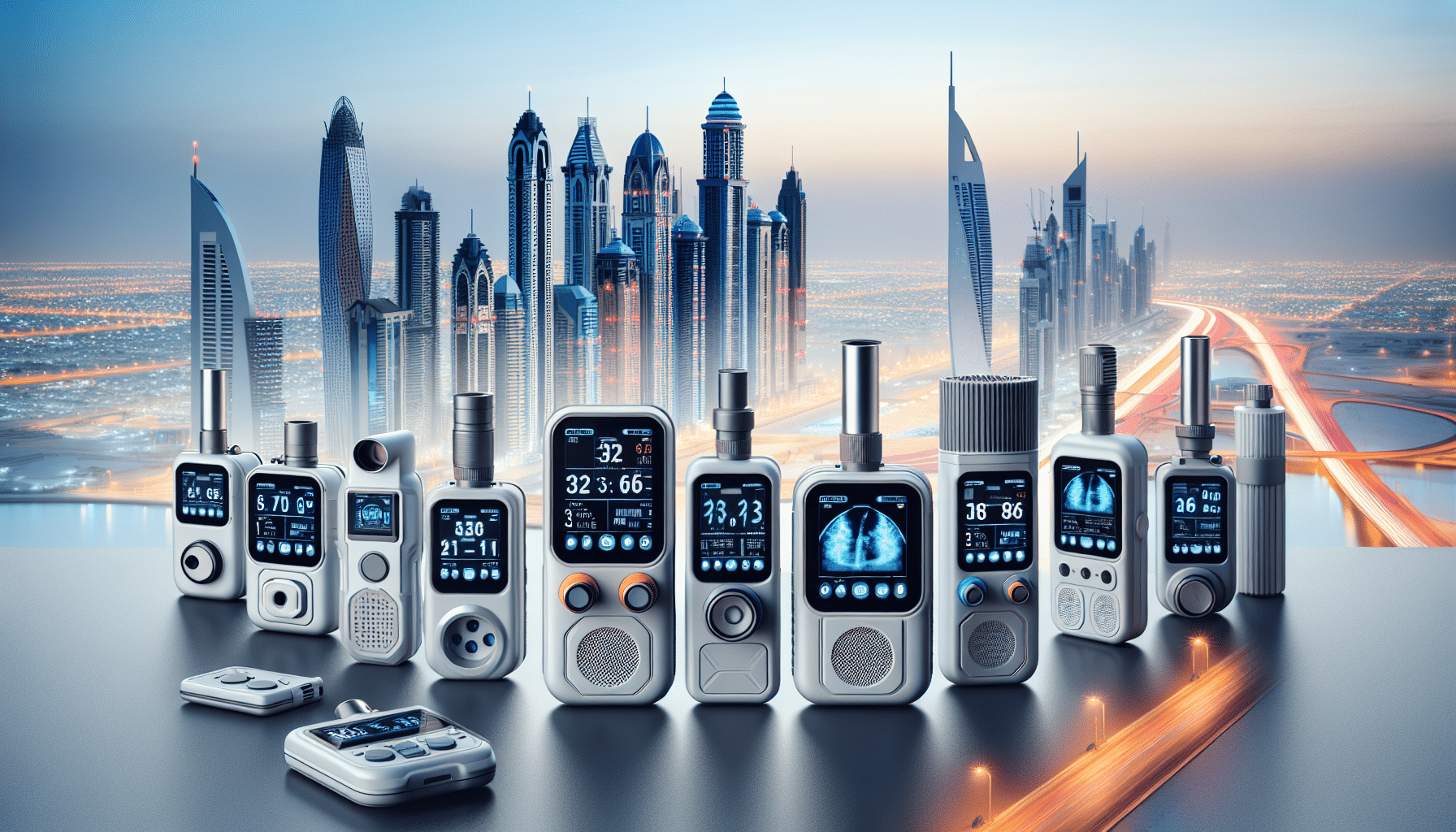
- Monitor Indoor Air Quality: Use air quality monitors to track changes in your indoor environment and adjust maintenance accordingly.
FAQ Section
- Q: How often should I replace my HVAC filters?
- A: Filters should be replaced every 3-6 months, or more frequently in high-dust environments. Check the manufacturer’s recommendations and your local climate conditions.
- Q: Is it necessary to have regular inspections?
- A: Yes, regular inspections are crucial for identifying potential issues before they become major problems, ensuring optimal system performance and indoor air quality.
- Q: How can I save on HVAC maintenance costs?
- A: You can save by choosing a reliable service provider who offers cost-effective packages or by performing some routine cleaning tasks yourself. However, professional maintenance is essential for long-term savings and system health.
When considering HVAC System Maintenance For Optimal Indoor Air Quality, this becomes clear.
Conclusion
Regular HVAC System Maintenance is crucial for optimal indoor air quality in Dubai and other regions with similar climatic conditions. By understanding the types of services offered, costs involved, and best practices, you can ensure that your building’s environment remains healthy and comfortable. Professional maintenance not only improves air quality but also extends the life of your HVAC systems, saving money in the long run. Understanding HVAC System Maintenance For Optimal Indoor Air Quality is key to success in this area.

JV de Castro, IAC2
JV de Castro is the Chief Technology Officer at Saniservice, where he leads innovation in indoor environmental sciences, IT infrastructure, and digital transformation. With over 20 years of experience spanning architecture, building science, technology management, digital media architecture, and consultancy, he has helped organizations optimize operations through smart solutions and forward-thinking strategies. JV holds a Degree in Architecture, a Masters of Research in Anthropology, an MBA in Digital Communication & Media, along with certifications in mold, building sciences and advanced networking. Passionate about combining technology, health, and sustainability, he continues to drive initiatives that bridge science, IT, and business impact.

Leave a Reply