



Mold And Biological Contaminants In Uae Buildings Guide
Mold and biological contaminants in UAE buildings represent a significant health concern that demands serious attention from homeowners and property managers. The unique combination of extreme heat, high humidity levels, and specific construction practices in Dubai and across the Emirates creates ideal conditions for microbial growth that can compromise indoor air quality and occupant health. Understanding mold and biological contaminants in UAE buildings requires examining how these organisms thrive in our climate and what makes them particularly challenging to manage in regional construction.
The problem of mold and biological contaminants in UAE buildings often goes unnoticed until health symptoms appear or visible growth becomes apparent. Many residents experience unexplained respiratory issues, allergic reactions, or persistent musty odours without recognising these as signs of biological contamination. The constant air conditioning required in our climate creates temperature differentials and condensation points that facilitate microbial growth in hidden areas behind walls, under floors, and within HVAC systems.
This comprehensive examination of mold and biological contaminants in UAE buildings will explore the science behind these organisms, their health implications, identification methods, and effective prevention strategies. We’ll draw from extensive field experience across Dubai properties and scientific research specific to Middle Eastern conditions to provide practical guidance for maintaining healthy indoor environments in our unique climate.
Understanding Mold and Biological Contaminants in UAE Buildings
Mold and biological contaminants in UAE buildings encompass a wide range of microorganisms that thrive in our specific environmental conditions. Mold refers to various fungal species that reproduce through spores, while biological contaminants include bacteria, viruses, dust mites, and other microorganisms that can affect Indoor Air Quality. In Dubai properties, we commonly encounter Aspergillus, Penicillium, Cladosporium, and Stachybotrys species, each with distinct characteristics and health implications.
These organisms require three essential elements to grow: moisture, organic material, and appropriate temperatures. The UAE climate provides optimal conditions for mold and biological contaminants in buildings, particularly during the humid summer months when relative humidity levels frequently exceed 80%. Construction materials commonly used in regional buildings, including drywall, wood products, and certain insulation materials, provide ample organic material for microbial growth when moisture becomes present.
The Science Behind Microbial Growth
Mold and biological contaminants in UAE buildings follow predictable growth patterns based on environmental conditions. Spores remain dormant until humidity levels reach approximately 60% relative humidity or materials become damp through water intrusion, condensation, or elevated moisture content. Once activated, mold colonies can establish themselves within 24-48 hours under ideal conditions, which are frequently present in air-conditioned spaces where temperature differentials create condensation points.
Understanding the lifecycle of mold and biological contaminants in UAE buildings helps property owners recognise the importance of prompt action when water events occur. The rapid growth rate means that small leaks or condensation issues can develop into significant contamination problems within days, particularly during the summer months when temperatures and humidity levels remain consistently high.
Mold And Biological Contaminants In Uae Buildings – How UAE Climate Affects Mold and Biological Contaminants
The UAE climate creates unique challenges for managing mold and biological contaminants in buildings that differ significantly from temperate regions. Our extreme summer temperatures, which regularly exceed 40°C, combined with high humidity levels from the Arabian Gulf, create ideal conditions for microbial growth when paired with air-conditioned interiors. The constant temperature differential between outdoor and indoor environments frequently leads to condensation formation at building envelope interfaces, window frames, and within wall cavities.
During the winter months, while temperatures moderate, the problem of mold and biological contaminants in UAE buildings persists due to reduced ventilation practices. Residents often keep windows closed and rely solely on HVAC systems, which may not provide adequate fresh air exchange. This creates stagnant indoor environments where humidity accumulates and biological contaminants concentrate without proper dilution or removal.
Architectural Considerations
The architectural design of many UAE buildings contributes significantly to mold and biological contamination issues. Glass-dominated facades common in Dubai’s skyline create substantial thermal bridging opportunities, while the rapid construction pace sometimes leads to compromises in waterproofing details and vapour barrier installation. These design and construction factors combine with climatic conditions to create perfect scenarios for mold and biological contaminants in UAE buildings to flourish, often in concealed locations that escape casual inspection.
Building materials selection also plays a crucial role in susceptibility to mold and biological contaminants in UAE buildings. Some imported materials not specifically designed for our climate may perform poorly under high humidity conditions, absorbing moisture and providing ideal substrates for microbial growth. Understanding these material interactions helps architects and builders make better choices for UAE conditions.
Health Impacts of Mold and Biological Contaminants on UAE Residents
The health implications of mold and biological contaminants in UAE buildings range from mild allergic reactions to serious respiratory conditions and immune system complications. Many Dubai residents experience symptoms without recognising their connection to indoor environmental quality. Common health effects include persistent coughing, sneezing, nasal congestion, throat irritation, and eye discomfort that may be mistaken for seasonal allergies or common colds.
For individuals with asthma or other respiratory conditions, exposure to mold and biological contaminants in UAE buildings can trigger severe attacks or exacerbate existing symptoms. Children, elderly residents, and immunocompromised individuals face heightened risks, as their respiratory and immune systems may be more vulnerable to the effects of microbial exposure. Some mold species produce mycotoxins that can cause more serious health effects with prolonged exposure.
Recognising Symptoms
Residents should suspect mold and biological contaminants in UAE buildings when health symptoms improve when away from the property and worsen upon return. Other indicators include musty odours that persist despite cleaning, visible water stains on walls or ceilings, and condensation forming regularly on windows or cold surfaces. These signs, combined with health symptoms, strongly suggest the presence of microbial contamination that requires professional assessment.
Beyond immediate respiratory effects, long-term exposure to mold and biological contaminants in UAE buildings has been associated with chronic fatigue, headaches, and cognitive difficulties sometimes described as “brain fog.” These systemic effects occur because mycotoxins and microbial volatile organic compounds can affect neurological function and overall wellbeing when inhaled consistently over time.
Common Sources of Mold and Biological Contaminants in UAE Buildings
Identifying common sources of mold and biological contaminants in UAE buildings requires understanding typical moisture pathways and problem areas in regional construction. HVAC systems represent a frequent source of biological contamination, particularly when maintenance has been neglected. Drain pans, cooling coils, and ductwork can accumulate moisture and organic debris, creating ideal breeding grounds for mold and bacteria that then distribute throughout the building.
Bathrooms and kitchens naturally generate moisture through daily activities, but inadequate ventilation in these spaces allows humidity to accumulate and promote mold growth on surfaces and within wall cavities. In many UAE properties, exhaust fans either lack proper exterior venting or residents fail to use them adequately, creating persistent moisture issues that support microbial growth.
Construction-Related Sources
Construction defects contribute significantly to mold and biological contaminants in UAE buildings. Common issues include improper flashing installation around windows and doors, inadequate waterproofing in wet areas, and thermal bridging at structural connections that create cold spots where condensation forms. These problems often remain hidden behind finishes until visible staining, odours, or health symptoms reveal their presence.
Water storage tanks represent another potential source of biological contaminants in UAE buildings, particularly when maintenance schedules are not rigorously followed. Tank contamination can introduce bacteria into the water supply, which then aerosolises through showering, faucet use, and HVAC humidification systems. Regular tank cleaning and water quality testing are essential for preventing this contamination pathway.
Detection and Assessment Methods for UAE Properties
Professional assessment of mold and biological contaminants in UAE buildings requires a systematic approach that combines visual inspection, moisture mapping, and scientific sampling. Visual examination remains the first step, focusing on areas with visible water staining, discolouration, or apparent growth. However, since mold and biological contaminants in UAE buildings often develop in concealed locations, visual assessment alone frequently misses significant contamination.
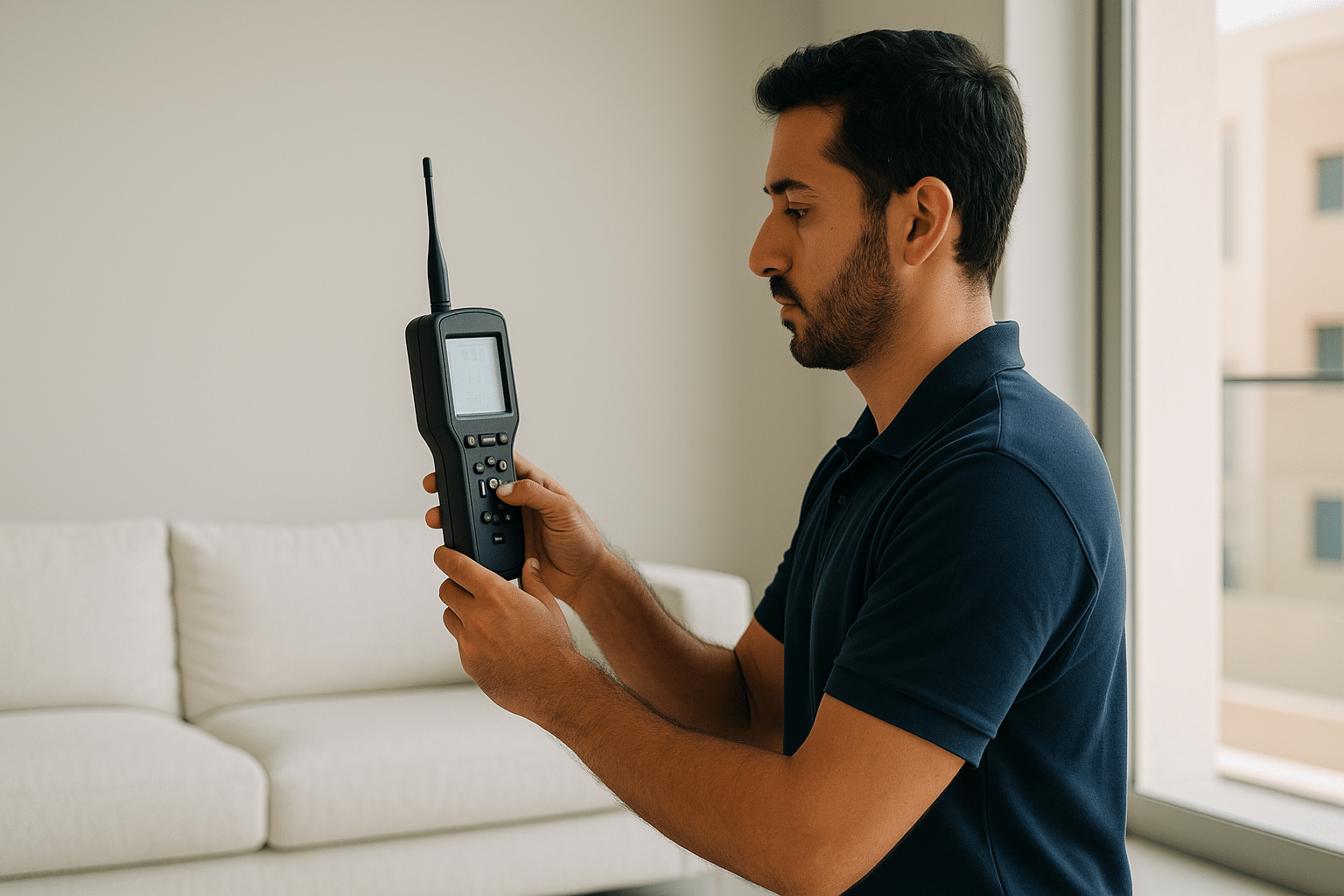
Moisture mapping using specialised meters helps identify areas of elevated moisture content within building materials, even when surface appearance seems normal. Thermal imaging cameras detect temperature variations that may indicate hidden moisture or insulation deficiencies contributing to condensation formation. These tools are particularly valuable for assessing mold and biological contaminants in UAE buildings where problems frequently develop behind finishes and within wall cavities.
Scientific Sampling Techniques
Air sampling for mold spores provides quantitative data about the concentration and types of microorganisms present in indoor environments. Surface sampling through tape lifts or swabs helps identify specific species growing on materials, while bulk sampling of building materials may be necessary when hidden contamination is suspected. These scientific methods provide objective data about mold and biological contaminants in UAE buildings, guiding appropriate remediation strategies.
At our Dubai laboratory, we analyse samples to identify specific species and concentrations of mold and biological contaminants in UAE buildings. This scientific approach distinguishes between normal background levels and problematic contamination requiring intervention. The data also helps determine appropriate remediation methods and establishes baseline conditions for post-remediation verification.
Prevention and Control Strategies for UAE Buildings
Effective prevention of mold and biological contaminants in UAE buildings begins with moisture control, as eliminating excess moisture represents the most critical factor in preventing microbial growth. Maintaining indoor relative humidity between 30-50% significantly reduces the risk of mold development, requiring proper HVAC operation and occasional dehumidification during peak humidity periods. Ensuring adequate ventilation throughout properties, particularly in moisture-generating areas like bathrooms and kitchens, helps control humidity levels.
Building envelope integrity plays a crucial role in preventing mold and biological contaminants in UAE buildings. Regular inspection and maintenance of waterproofing systems, proper sealing around penetrations, and attention to drainage details help prevent water intrusion that can lead to microbial growth. Addressing minor leaks promptly and ensuring proper grading around foundations prevents water accumulation that might otherwise migrate into structures.
HVAC Maintenance Importance
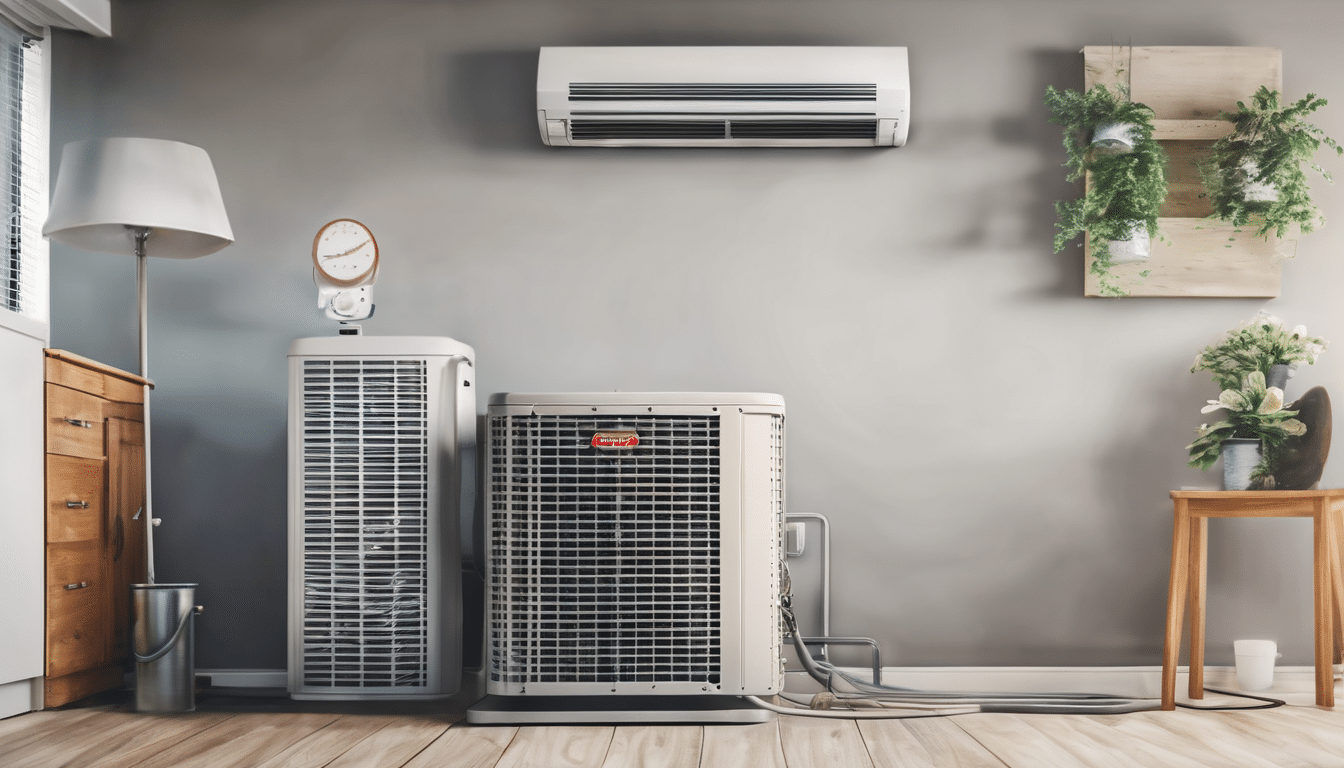
HVAC system maintenance represents one of the most effective strategies for controlling mold and biological contaminants in UAE buildings. Regular cleaning of drain pans, coils, and ductwork prevents organic accumulation that supports microbial growth. Ensuring proper condensate drainage and replacing filters according to manufacturer recommendations maintains system efficiency while reducing opportunities for biological contamination to develop and distribute throughout buildings.
For new construction or renovation projects, material selection significantly influences susceptibility to mold and biological contaminants in UAE buildings. Choosing moisture-resistant materials, particularly in areas prone to wetting, reduces the risk of microbial growth when minor moisture issues occur. Proper detailing of vapour barriers and insulation systems helps manage condensation risk in our climate’s challenging conditions.
Professional Remediation Approaches in the UAE
Professional remediation of mold and biological contaminants in UAE buildings follows established protocols that prioritise occupant safety and effective contamination removal. The process begins with containment establishment to prevent cross-contamination to unaffected areas during remediation activities. Negative air pressure maintenance within containment areas, combined with HEPA filtration of exhausted air, ensures that spores and particles are not distributed throughout the property during removal operations.
Actual remediation of mold and biological contaminants in UAE buildings involves careful removal of contaminated materials following established safety protocols. Porous materials with extensive mold growth typically require removal and replacement, while non-porous surfaces can often be cleaned and treated with appropriate antimicrobial agents. The specific approach depends on the extent of contamination, materials affected, and the underlying moisture source that enabled growth.
Post-Remediation Verification
Following remediation of mold and biological contaminants in UAE buildings, professional verification ensures that the process has been effective and the environment has been restored to normal conditions. Visual inspection confirms removal of all visible growth, while moisture mapping verifies that materials have dried adequately to prevent recurrence. Air sampling provides scientific confirmation that spore levels have returned to normal background concentrations for the region.
Finally, addressing the underlying moisture source that enabled mold and biological contaminants in UAE buildings to develop is essential for preventing recurrence. This may involve repairing leaks, improving ventilation, addressing condensation issues, or modifying building systems to better manage humidity levels. Without correcting these root causes, microbial growth typically returns despite thorough remediation efforts.
Expert Tips for UAE Homeowners
Based on extensive experience with mold and biological contaminants in UAE buildings, we recommend several practical strategies for homeowners. First, regularly monitor indoor humidity levels using affordable hygrometers available at electronics stores. Maintaining humidity below 50% significantly reduces mold growth risk. Second, ensure exhaust fans in bathrooms and kitchens vent directly outdoors and use them during and for 20-30 minutes after moisture-generating activities.
Third, conduct seasonal inspections of your property, paying particular attention to areas where moisture issues commonly develop. Check around windows for condensation, inspect under sinks for leaks, and examine AC units for proper drainage. Fourth, address any water intrusion immediately, as prompt response to leaks or flooding prevents the development of mold and biological contaminants in UAE buildings. Even minor leaks can lead to significant problems if left unaddressed.
Fifth, consider professional assessment if you experience persistent musty odours, visible water staining, or health symptoms that improve when away from your property. Early detection of mold and biological contaminants in UAE buildings makes remediation simpler, less costly, and more effective. Professional assessment provides scientific data to guide appropriate response rather than guesswork that might miss hidden problems.
Frequently Asked Questions
How quickly can mold develop in UAE properties after a water leak?
Mold can begin developing within 24-48 hours under ideal conditions common in UAE buildings. The combination of heat and humidity accelerates microbial growth compared to temperate climates. Prompt response to water incidents is crucial for prevention.
Are all mold types equally dangerous in UAE buildings?
While all mold should be addressed, some species present greater health risks than others. Aspergillus, Penicillium, and Stachybotrys species commonly found in UAE buildings can produce mycotoxins and cause more significant health effects, particularly with prolonged exposure.
Can air purifiers effectively remove mold spores from UAE homes?
HEPA air purifiers can reduce airborne spore concentrations but cannot address the source of mold and biological contaminants in UAE buildings. They serve as supplemental control measures but should not replace proper moisture management and remediation of active growth.
How often should UAE homeowners conduct professional mold assessments?
We recommend professional assessment every 2-3 years for preventive monitoring, or immediately if you notice musty odours, visible growth, water damage, or health symptoms that worsen indoors. Properties with previous water issues may benefit from more frequent assessment.
What makes UAE properties particularly susceptible to mold issues?
The extreme temperature differential between air-conditioned interiors and hot, humid exteriors creates condensation points throughout building assemblies. Rapid construction practices sometimes compromise waterproofing details, while architectural designs with extensive glazing create thermal bridging opportunities that facilitate condensation.
Understanding mold and biological contaminants in UAE buildings requires recognising our unique environmental challenges and construction practices. Through proper moisture management, regular maintenance, and prompt response to water events, property owners can significantly reduce the risk of microbial growth. Professional assessment provides scientific data to guide appropriate responses when contamination is suspected, ensuring healthy indoor environments for Dubai residents.

JV de Castro, IAC2
JV de Castro is the Chief Technology Officer at Saniservice, where he leads innovation in indoor environmental sciences, IT infrastructure, and digital transformation. With over 20 years of experience spanning architecture, building science, technology management, digital media architecture, and consultancy, he has helped organizations optimize operations through smart solutions and forward-thinking strategies. JV holds a Degree in Architecture, a Masters of Research in Anthropology, an MBA in Digital Communication & Media, along with certifications in mold, building sciences and advanced networking. Passionate about combining technology, health, and sustainability, he continues to drive initiatives that bridge science, IT, and business impact.


Leave a Reply