


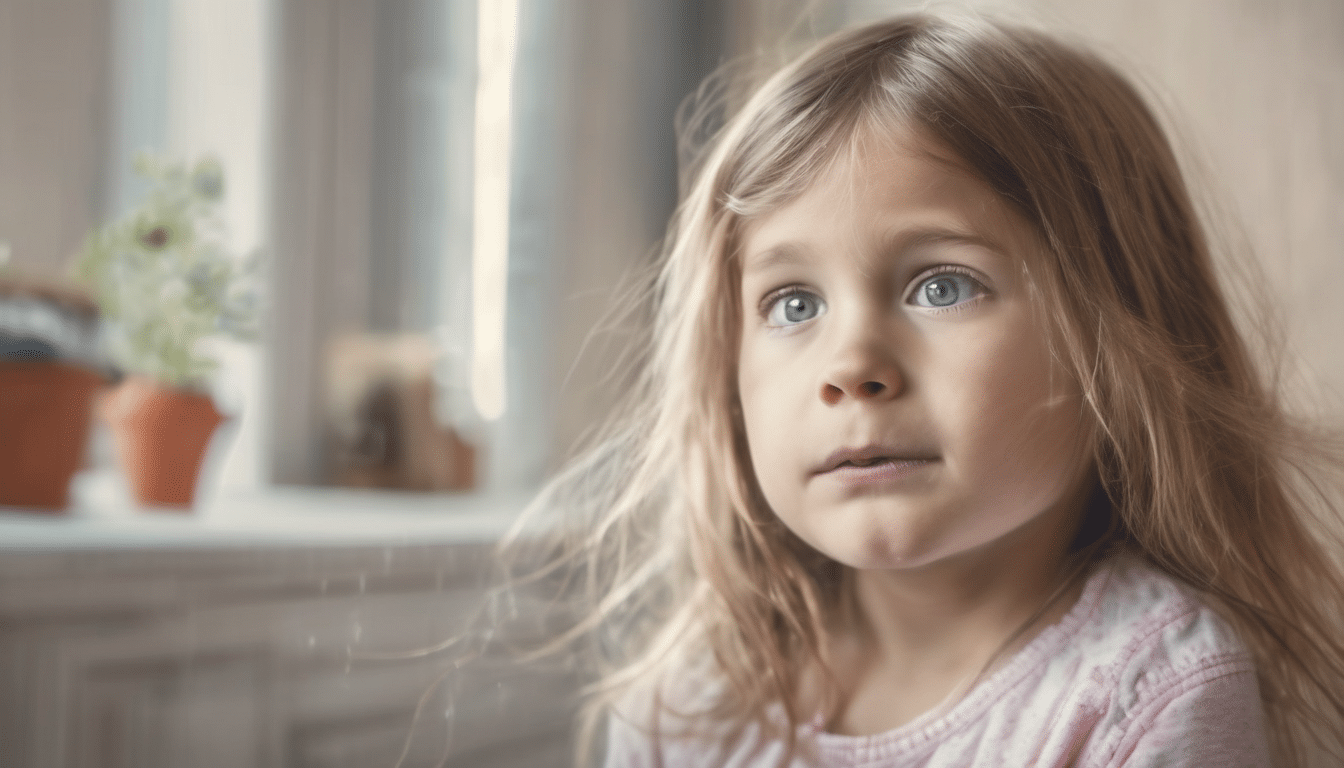
Health Effects Of Poor Indoor Air On Children: Understanding
As a building scientist who has spent over a decade investigating indoor environmental health across Dubai and the UAE, I’ve witnessed firsthand the devastating health effects of poor indoor air on children. Young children are particularly vulnerable to indoor air pollutants because their respiratory systems are still developing, they breathe more air relative to their body weight, and they spend up to 90% of their time indoors. The health effects of poor indoor air on children can range from immediate respiratory irritation to long-term developmental issues that may persist throughout their lives.
In Dubai’s climate-controlled environments, where we rely heavily on air conditioning and sealed buildings, the concentration of indoor pollutants can reach levels significantly higher than outdoor air. The health effects of poor indoor air on children in these conditions become especially pronounced, with many parents and educators unaware of the invisible threats accumulating in nurseries, schools, and homes. Through our microbiology laboratory at Saniservice, we’ve documented cases where addressing these health effects of poor indoor air on children transformed chronic health issues almost immediately.
This comprehensive guide will explore the specific health effects of poor indoor air on children, the common pollutants found in UAE environments, and practical solutions that parents and facility managers can implement. Understanding these health effects of poor indoor air on children is the first step toward creating safer, healthier environments where our youngest residents can thrive without compromise.
Health Effects Of Poor Indoor Air On Children – Immediate Health Effects on Children’s Respiratory Systems
The most apparent health effects of poor indoor air on children manifest in their respiratory systems. Children exposed to contaminated indoor environments often develop persistent coughing, wheezing, and shortness of breath that may be mistaken for seasonal allergies or common colds. These immediate health effects of poor indoor air on children can include irritated nasal passages, sore throats, and increased susceptibility to respiratory infections. In Dubai’s climate, where air conditioning systems recirculate air constantly, these health effects of poor indoor air on children can become chronic issues that persist throughout the year.
We’ve documented cases where children experiencing these health effects of poor indoor air showed remarkable improvement within days of addressing the underlying air quality issues. One particular case involved a three-year-old in Jumeirah who had been treated for asthma for months without improvement. Our investigation revealed elevated mold spore counts from a hidden condensation issue behind her bedroom wall. After remediation and improving ventilation, her respiratory symptoms resolved completely, demonstrating how significant these health effects of poor indoor air on children can be when properly addressed.
Allergic Reactions and Asthma Triggers
Many health effects of poor indoor air on children involve allergic responses to biological contaminants. Mold spores, dust mites, pet dander, and pollen that accumulate indoors can trigger allergic reactions ranging from mild sneezing and itchy eyes to severe asthma attacks. These health effects of poor indoor air on children are particularly concerning because repeated exposure can sensitize their immune systems, leading to more severe reactions over time.
Health Effects Of Poor Indoor Air On Children – Long-Term Developmental and Cognitive Impacts
Beyond immediate respiratory issues, the health effects of poor indoor air on children extend to their neurological development and cognitive function. Research indicates that chronic exposure to certain indoor pollutants can affect brain development, potentially leading to attention deficits, learning difficulties, and reduced cognitive performance. These long-term health effects of poor indoor air on children may not be immediately apparent but can have lasting consequences on their educational outcomes and future potential.
Volatile organic compounds (VOCs) from building materials, cleaning products, and furnishings are particularly concerning for these developmental health effects of poor indoor air on children. In many Dubai nurseries we’ve assessed, VOC levels exceed recommended guidelines due to new construction materials, synthetic carpets, and chemical-based cleaning protocols. The cumulative health effects of poor indoor air on children in these environments represent a silent threat to their neurological development that requires urgent attention from parents and educators.
Impact on Academic Performance
Studies have shown measurable impacts on academic performance as one of the significant health effects of poor indoor air on children. Children in classrooms with better ventilation and lower pollutant levels consistently demonstrate improved concentration, better test scores, and reduced absenteeism. These educational health effects of poor indoor air on children highlight why air quality should be a priority concern for every school and nursery facility across the UAE.
Health Effects Of Poor Indoor Air On Children – Common UAE Indoor Pollutants Affecting Children
The specific health effects of poor indoor air on children in the UAE context are driven by unique regional pollutants and environmental factors. Mold and fungal spores represent one of the most significant threats, particularly in our air-conditioned environments where humidity control failures can create ideal breeding conditions. These biological contaminants contribute directly to the respiratory health effects of poor indoor air on children that we commonly encounter in Dubai homes and nurseries.
Dust and particulate matter from desert environments also contribute significantly to the health effects of poor indoor air on children. Fine particles (PM2.5) can penetrate deep into children’s lungs, carrying other pollutants with them and exacerbating respiratory conditions. In many cases, the health effects of poor indoor air on children are compounded by multiple pollutant sources acting together, creating synergistic effects that are more damaging than any single contaminant alone.
| Pollutant Type | Common Sources in UAE | Specific Health Effects on Children |
|---|---|---|
| Mold Spores | AC units, damp walls, leaky plumbing | Asthma, allergic reactions, respiratory infections |
| VOCs | New furniture, cleaning products, paints | Headaches, nausea, developmental issues |
| Particulate Matter | Desert dust, vehicle emissions, construction | Bronchitis, reduced lung function, asthma |
| Formaldehyde | Particle board, carpets, insulation | Eye/nose/throat irritation, cancer risk |
Why Children Are More Vulnerable to Poor Indoor Air
Understanding why children experience more severe health effects of poor indoor air requires examining their physiological differences. Children breathe approximately 50% more air per pound of body weight than adults, meaning they receive higher relative doses of any airborne pollutants. This increased exposure directly amplifies the health effects of poor indoor air on children compared to adult occupants in the same environment.
Their developing organs and immune systems also contribute to the heightened health effects of poor indoor air on children. Immature metabolic pathways may be less efficient at processing and eliminating toxins, while developing lung tissue can sustain permanent damage from pollutant exposure. These physiological factors mean that the health effects of poor indoor air on children can have lifelong consequences that far exceed the impacts on adult health.
Behavioural Factors Increasing Exposure
Children’s behaviours further exacerbate the health effects of poor indoor air on children. Crawling and playing on floors brings them into direct contact with dust and allergens, while hand-to-mouth behaviour increases ingestion of settled pollutants. These activity patterns mean that the health effects of poor indoor air on children involve multiple exposure pathways that must all be addressed in comprehensive air quality management.
Nursery and School-Specific Air Quality Risks
The health effects of poor indoor air on children in educational settings present unique challenges that require specialized approaches. Nurseries and schools often have higher occupant densities than homes, leading to accelerated accumulation of carbon dioxide and other occupant-generated pollutants. These conditions significantly contribute to the health effects of poor indoor air on children in group care environments across Dubai and the UAE.
Many educational facilities also use cleaning products and arts/crafts materials that release VOCs and other irritants, adding to the chemical burden that creates health effects of poor indoor air on children. In our assessments of Dubai nurseries, we frequently find that well-intentioned hygiene practices actually contribute to the very health effects of poor indoor air on children that they’re meant to prevent, through the use of harsh chemical cleaners that off-gas problematic compounds.
HVAC System Challenges
Commercial HVAC systems in educational settings present particular challenges for managing the health effects of poor indoor air on children. These systems often operate on timers rather than demand, leading to inadequate ventilation during peak occupancy periods. Maintenance issues and filter neglect further compound the health effects of poor indoor air on children in these critical environments where they spend substantial portions of their developmental years.
Detecting and Measuring Air Quality Issues
Proper identification of air quality problems is essential for addressing the health effects of poor indoor air on children effectively. Our approach at Saniservice involves comprehensive assessment that goes beyond simple air sampling to understand the root causes behind the health effects of poor indoor air on children. This includes measuring particulate levels, VOC concentrations, carbon dioxide levels, humidity, and temperature patterns throughout the space.
Advanced techniques like thermal imaging help us identify hidden moisture issues that contribute to biological growth and the resulting health effects of poor indoor air on children. Air sampling for mold spores and bacteria provides quantitative data on biological contaminants, while real-time monitoring helps us understand how the health effects of poor indoor air on children vary with occupancy patterns, HVAC operation, and daily activities.
When to Professional Assessment
Parents and educators should consider professional assessment for the health effects of poor indoor air on children when multiple children experience similar symptoms, when symptoms improve when away from the environment, or when musty odours or visible mold are present. Early intervention can prevent the progression of health effects of poor indoor air on children from temporary irritation to chronic health conditions.
Practical Prevention and Improvement Strategies
Addressing the health effects of poor indoor air on children requires a multifaceted approach that combines source control, ventilation improvement, and air cleaning. The most effective strategy for reducing health effects of poor indoor air on children begins with eliminating or reducing pollutant sources through careful material selection, proper maintenance practices, and mindful product choices.
Ventilation represents a critical component in managing the health effects of poor indoor air on children, particularly in Dubai’s sealed building environment. Ensuring adequate fresh air intake and proper distribution throughout occupied spaces can dramatically reduce the concentration of pollutants that cause health effects of poor indoor air on children. This may involve HVAC system modifications, the addition of supplemental ventilation, or operational changes to increase air exchange rates during occupied periods.
Air Cleaning Technologies
For pollutants that cannot be eliminated through source control or ventilation, air purification technologies can help reduce the health effects of poor indoor air on children. HEPA filtration effectively captures particulate matter, while activated carbon addresses gaseous pollutants. However, these technologies should complement rather than replace fundamental improvements to building systems and practices that cause the health effects of poor indoor air on children.
Expert Tips for Protecting Children’s Indoor Air Quality
Based on my twelve years of investigating indoor environmental issues across the UAE, here are practical strategies for reducing health effects of poor indoor air on children:
- Regular HVAC maintenance – Change filters quarterly and have systems professionally cleaned annually to prevent recirculation of pollutants that cause health effects of poor indoor air on children
- Control humidity levels – Maintain indoor relative humidity between 40-60% to discourage mold growth while minimizing respiratory irritation
- Choose low-VOC materials – Select furniture, paints, and cleaning products that minimize chemical off-gassing in children’s spaces
- Increase ventilation during activities – Open windows when weather permits and ensure mechanical ventilation operates during and after high-pollutant activities
- Use door mats and remove shoes – Reduce track-in of outdoor pollutants that contribute to health effects of poor indoor air on children
- Clean with microfiber – Use microfiber cloths and mops that capture rather than redistribute dust and allergens
- Address water issues immediately – Repair leaks and dry damp areas within 24-48 hours to prevent mold growth
- Consider air purifiers – Use HEPA air purifiers in bedrooms and play areas, especially for children with existing respiratory conditions
Frequently Asked Questions
What are the first signs that poor indoor air is affecting my child?
The earliest signs of health effects of poor indoor air on children often include persistent cough, nasal congestion, itchy eyes, and increased respiratory infections. Children may also complain of headaches, fatigue, or dizziness. These symptoms typically improve when the child spends time away from the contaminated environment, which can help identify the source of the health effects of poor indoor air on children.
How often should we test air quality in our nursery?
We recommend annual professional assessment for health effects of poor indoor air on children in nursery environments, with more frequent monitoring if previous issues have been identified or if building modifications occur. Continuous monitoring devices can provide ongoing data between professional assessments, helping to identify emerging issues before they create significant health effects of poor indoor air on children.
Can air purifiers eliminate all health risks for children?
While air purifiers can reduce certain health effects of poor indoor air on children, they cannot address all pollution sources or replace proper ventilation and source control. The most effective approach combines multiple strategies including filtration, ventilation, and elimination of pollutant sources to comprehensively address the health effects of poor indoor air on children.
Conclusion
The health effects of poor indoor air on children represent a significant but addressable challenge for parents, educators, and healthcare providers across the UAE. Through proper understanding, regular monitoring, and targeted interventions, we can create indoor environments that support rather than compromise children’s health and development. The health effects of poor indoor air on children are not inevitable consequences of modern living but rather manageable challenges that respond well to scientific understanding and proactive management.
As we continue to advance our understanding of the health effects of poor indoor air on children, the integration of building science, environmental medicine, and practical management strategies offers hope for reducing these impacts significantly. By prioritising indoor air quality in the spaces where children learn, play, and grow, we can ensure that the health effects of poor indoor air on children become increasingly rare rather than commonplace occurrences in our communities.

JV de Castro, IAC2
JV de Castro is the Chief Technology Officer at Saniservice, where he leads innovation in indoor environmental sciences, IT infrastructure, and digital transformation. With over 20 years of experience spanning architecture, building science, technology management, digital media architecture, and consultancy, he has helped organizations optimize operations through smart solutions and forward-thinking strategies. JV holds a Degree in Architecture, a Masters of Research in Anthropology, an MBA in Digital Communication & Media, along with certifications in mold, building sciences and advanced networking. Passionate about combining technology, health, and sustainability, he continues to drive initiatives that bridge science, IT, and business impact.




Leave a Reply