


Nurseries A Review Of: We Know About Indoor Air Quality Of
When we consider the environments where our youngest children spend their crucial developmental years, the quality of the air they breathe becomes a paramount concern. What do we know about indoor air quality of nurseries? A review of current research reveals both alarming findings and practical solutions that every parent and educator should understand. In Dubai and across the UAE, where air conditioning creates unique indoor environmental challenges, this knowledge becomes even more critical for protecting children’s health.
Children in nursery settings are particularly vulnerable to indoor air pollutants due to their developing respiratory systems, higher breathing rates relative to body size, and extended exposure periods. What do we know about indoor air quality of nurseries? A review of scientific literature indicates that poor indoor air quality in early childhood settings can contribute to respiratory problems, allergic reactions, and even impact cognitive development. This comprehensive examination will explore the current state of knowledge, common contaminants, measurement approaches, and effective management strategies.
From my experience leading Saniservice’s Indoor Sciences division in Dubai, I’ve witnessed firsthand how proper air quality management can transform learning environments. What do we know about indoor air quality of nurseries? A review of case studies from across the region demonstrates that proactive measures significantly reduce illness rates and improve overall wellbeing. This guide will provide actionable insights based on both scientific research and practical field experience.
We Know About Indoor Air Quality Of Nurseries? A Review Of – Understanding Nursery Indoor Air Quality Challenges
What do we know about indoor air quality of nurseries? A review of the fundamental challenges reveals that these environments face unique pressures that distinguish them from other indoor spaces. Nurseries typically have higher occupant densities than homes, with more people per square metre generating carbon dioxide, moisture, and particulate matter. The activities common in early childhood settings—art projects, play with certain materials, and frequent cleaning—can introduce various pollutants into the air.
Children’s behaviours also contribute significantly to air quality challenges. Their closer proximity to floor surfaces means they inhale more settled dust and allergens that become airborne through activity. What do we know about indoor air quality of nurseries? A review of behavioural factors shows that children’s play patterns, including crawling, rolling, and vigorous movement, continuously resuspend particulate matter that would remain settled in adult environments.
The building characteristics of nursery facilities often present additional challenges. Many nurseries operate in converted residential properties or commercial spaces not originally designed for high-density child occupancy. These buildings may have inadequate ventilation systems, problematic building materials, or maintenance issues that compromise air quality. Understanding these foundational challenges is essential for developing effective management strategies.
We Know About Indoor Air Quality Of Nurseries? A Review Of – Common Pollutants in Nursery Environments
What do we know about indoor air quality of nurseries? A review of pollutant types identifies several categories of concern that regularly appear in educational settings. Particulate matter, including PM2.5 and PM10, originates from both outdoor sources and indoor activities like cleaning, movement, and certain educational materials. These fine particles can penetrate deep into children’s respiratory systems, carrying other contaminants with them.
Volatile organic compounds (VOCs) represent another significant category of nursery air pollutants. What do we know about indoor air quality of nurseries? A review of VOC sources identifies cleaning products, art supplies, adhesives, and certain building materials as common contributors. Formaldehyde, often emitted from pressed wood products and certain furnishings, appears frequently in nursery environments at levels that concern health professionals.
Biological contaminants including mould spores, bacteria, viruses, and allergens from dust mites or pets complete the picture of nursery air quality challenges. What do we know about indoor air quality of nurseries? A review of biological contaminants reveals that moisture issues, whether from plumbing leaks, condensation, or humidity control problems, often drive biological growth that affects air quality and child health.
We Know About Indoor Air Quality Of Nurseries? A Review Of – Health Impacts on Children’s Development
What do we know about indoor air quality of nurseries? A review of health impacts demonstrates that children’s developing systems make them particularly vulnerable to air quality issues. Respiratory conditions including asthma, bronchitis, and recurrent respiratory infections show clear connections to poor indoor air quality in multiple studies. Children in poorly ventilated nurseries experience higher rates of absenteeism due to illness.
Cognitive development and learning outcomes also connect to air quality conditions. What do we know about indoor air quality of nurseries? A review of cognitive impacts reveals that elevated carbon dioxide levels, even at concentrations previously considered acceptable, can impair concentration and learning in young children. Studies demonstrate measurable differences in cognitive performance between children in well-ventilated versus poorly ventilated classrooms.
Long-term health implications extend beyond immediate symptoms. What do we know about indoor air quality of nurseries? A review of longitudinal studies suggests that early exposure to certain pollutants may influence respiratory health trajectory into adulthood. The childhood years represent a critical window where environmental exposures can have lasting impacts on health development, making nursery air quality an investment in long-term wellbeing.
Measurement and Assessment Methods
What do we know about indoor air quality of nurseries? A review of measurement approaches identifies both simple screening methods and comprehensive assessment protocols. Basic monitoring begins with measuring carbon dioxide levels as an indicator of ventilation adequacy. CO2 concentrations above 1000 ppm typically indicate insufficient fresh air exchange and warrant further investigation.
More comprehensive assessment includes particulate matter monitoring, VOC measurement using photoionization detectors or laboratory analysis, and humidity tracking. What do we know about indoor air quality of nurseries? A review of assessment protocols recommends continuous monitoring rather than snapshot measurements to capture variations throughout the day and across different activities.
Biological assessment requires specialised approaches including air sampling for mould spores, surface sampling for allergens, and sometimes environmental DNA analysis to identify microbial communities. What do we know about indoor air quality of nurseries? A review of biological assessment emphasizes the importance of investigating hidden moisture issues that may not be visible but significantly impact air quality through microbial growth in building assemblies.
UAE-Specific Considerations for Nursery Air Quality
What do we know about indoor air quality of nurseries? A review of UAE-specific factors reveals unique challenges in our regional context. The extensive use of air conditioning creates enclosed environments where pollutants accumulate without adequate dilution. The rapid construction pace of many facilities sometimes leads to building materials off-gassing occurring during occupancy rather than before children arrive.
Desert environmental conditions introduce specific particulate matter concerns. What do we know about indoor air quality of nurseries? A review of desert climate impacts shows that fine sand particles infiltrate indoor spaces despite closed windows and doors, contributing to particulate matter levels. The extreme temperature differential between indoor and outdoor environments creates condensation risks that can lead to hidden mould growth if not properly managed.
Water storage and distribution systems present another regional consideration. What do we know about indoor air quality of nurseries? A review of water-related issues in the UAE indicates that storage tank maintenance practices influence humidity levels and potential for biological contamination. Proper management of these systems is essential for maintaining healthy nursery environments in our specific climate context.
Effective Ventilation Strategies for Nurseries
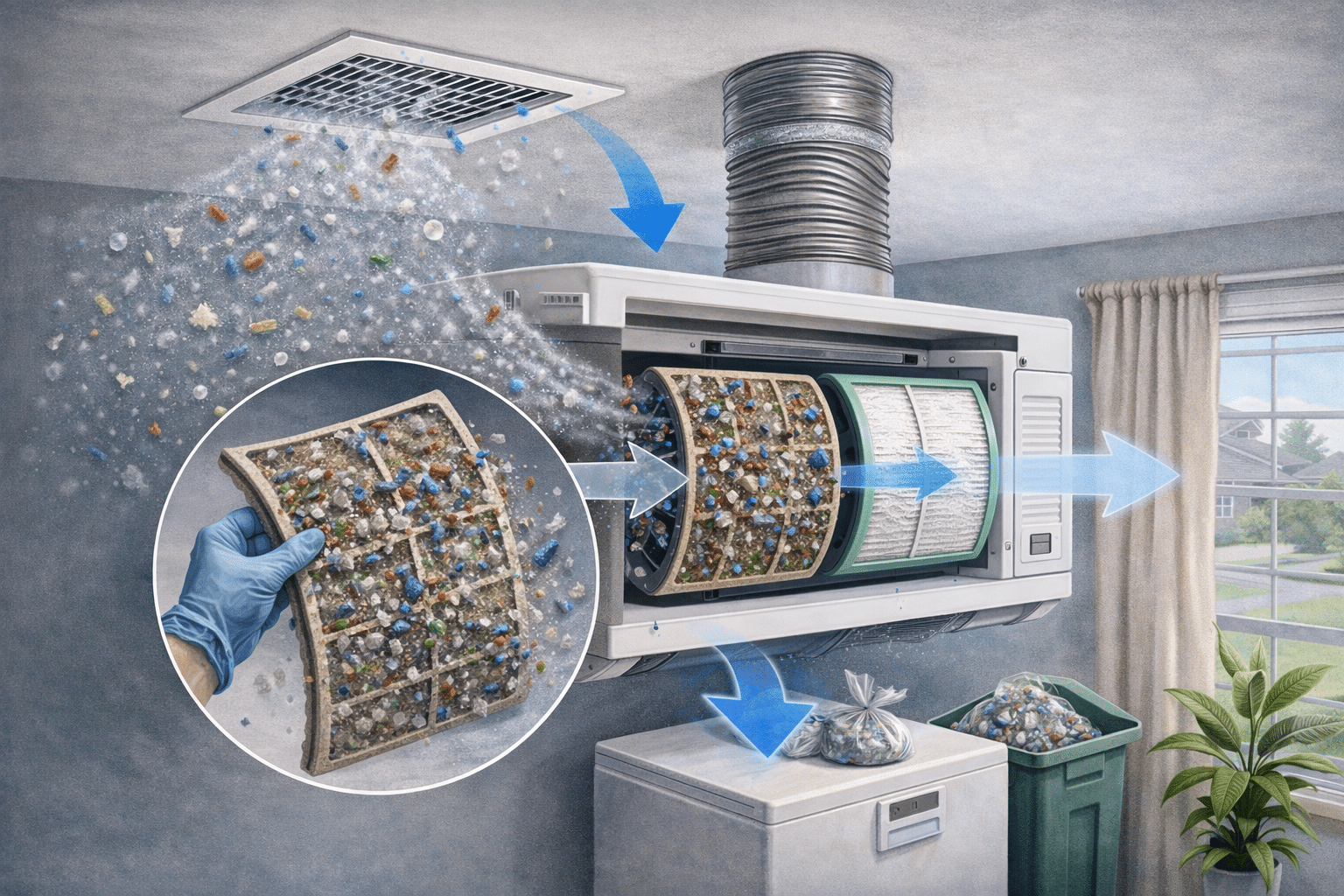
What do we know about indoor air quality of nurseries? A review of ventilation solutions emphasizes the critical role of adequate fresh air supply. Mechanical ventilation systems must be properly sized for the occupant load and activity level of nursery spaces. Regular maintenance of HVAC systems, including filter replacement and duct cleaning, is essential for preventing these systems from becoming pollution sources themselves.
Natural ventilation strategies offer complementary approaches when outdoor conditions permit. What do we know about indoor air quality of nurseries? A review of natural ventilation benefits shows that even brief periods of window opening can significantly reduce pollutant concentrations. However, in UAE climates, this must be balanced against outdoor air quality concerns and thermal comfort requirements.
Advanced ventilation technologies including energy recovery ventilators and dedicated outdoor air systems provide solutions for maintaining air quality while managing energy costs. What do we know about indoor air quality of nurseries? A review of technological solutions demonstrates that these systems effectively decouple ventilation from heating and cooling, allowing for adequate fresh air without compromising thermal comfort or energy efficiency.
Source Control and Pollution Prevention
What do we know about indoor air quality of nurseries? A review of source control strategies identifies this as the most effective approach to air quality management. Material selection for furnishings, finishes, and educational supplies significantly influences the pollutant load in nursery environments. Low-emitting materials certified by recognised standards help minimise VOC introduction.
Cleaning protocols and product selection represent another critical source control opportunity. What do we know about indoor air quality of nurseries? A review of cleaning impacts shows that many conventional cleaning products introduce VOCs and respiratory irritants. Transitioning to green cleaning products and methods reduces this chemical burden while maintaining hygiene standards.
Activity management and space planning complete the source control picture. What do we know about indoor air quality of nurseries? A review of activity-based pollution suggests that locating high-emission activities like art projects in well-ventilated areas or near exhaust ventilation significantly reduces overall exposure. Proper storage of materials and supplies prevents unnecessary off-gassing into occupied spaces.
Case Studies and Research Findings
What do we know about indoor air quality of nurseries? A review of case studies from our work at Saniservice reveals consistent patterns across UAE facilities. In one Dubai nursery, we identified formaldehyde levels at 0.08 ppm—significantly above the 0.03 ppm guideline—emanating from new furniture installed during the summer break. Simple interventions including increased ventilation and air purification brought levels down to acceptable ranges within weeks.
Another case involved recurrent respiratory issues among children in an Abu Dhabi nursery. What do we know about indoor air quality of nurseries? A review of this case revealed hidden mould growth behind cabinets where condensation occurred due to thermal bridging. Addressing the building envelope issue and implementing humidity control resolved the health complaints without needing medication changes for the affected children.
Research from international studies corroborates our regional findings. What do we know about indoor air quality of nurseries? A review of European research demonstrates that ventilation improvements alone reduce respiratory illness absenteeism by 15-20%. Scandinavian studies show that source control through material selection produces even greater benefits, particularly for children with pre-existing respiratory conditions.
Regulatory Guidelines and Standards
What do we know about indoor air quality of nurseries? A review of regulatory frameworks reveals varying approaches across different jurisdictions. While no UAE-specific mandatory standards exist exclusively for nursery environments, general indoor air quality guidelines provide reference points. The Dubai Municipality has established general indoor air quality guidelines that can be applied to educational settings.
International standards offer additional guidance for nursery operators seeking best practices. What do we know about indoor air quality of nurseries? A review of international standards identifies WHO guidelines for specific pollutants, ASHRAE standards for ventilation rates, and various green building rating systems that include indoor air quality components. Many international schools in the UAE adopt these more stringent standards voluntarily.
Certification programs specifically for educational environments provide comprehensive frameworks. What do we know about indoor air quality of nurseries? A review of certification programs shows that tools like the WELL Building Standard for educational facilities and various green school certifications offer structured approaches to achieving and maintaining healthy indoor environments for children.
Practical Implementation Framework
What do we know about indoor air quality of nurseries? A review of implementation strategies suggests a structured approach beginning with assessment. Initial screening should include CO2 monitoring, visual inspection for moisture issues, and inventory of potential pollution sources. This baseline assessment identifies priorities for intervention.
Developing an air quality management plan creates the framework for ongoing improvement. What do we know about indoor air quality of nurseries? A review of management plans emphasizes the importance of assigning responsibility, establishing monitoring protocols, and creating response procedures for when parameters exceed targets. Regular review and updating ensure the plan remains effective as the facility and its use evolve.
Staff training and engagement complete the implementation picture. What do we know about indoor air quality of nurseries? A review of successful programs shows that educating teachers and caregivers about air quality principles enables them to become active participants in maintaining healthy environments. Simple practices like recognizing stuffy air, proper material storage, and timely reporting of issues significantly enhance air quality management effectiveness.
Expert Tips for Nursery Air Quality Management
Based on our extensive experience with UAE nurseries, here are five essential strategies for maintaining healthy indoor environments:
- Implement continuous CO2 monitoring with visible displays to encourage ventilation awareness among staff
- Establish a green purchasing policy that prioritizes low-emitting materials and supplies
- Conduct seasonal HVAC inspections before extreme weather periods to ensure proper operation
- Create designated areas for high-emission activities with local exhaust ventilation
- Develop a moisture management protocol that includes regular inspection for condensation and leaks
Frequently Asked Questions
How often should nursery air quality be tested?
We recommend comprehensive testing at least annually, with continuous monitoring of key parameters like CO2 and humidity. Additional testing should follow any renovation, moisture event, or change in occupancy patterns.
What are the most cost-effective improvements for nursery air quality?
Ventilation optimization, material selection, and maintenance practices typically offer the best return on investment. These measures often cost less than 5,000 AED annually but deliver significant health benefits.
How can parents assess nursery air quality during facility visits?
Parents should notice stuffy odors, visible moisture issues, and ask about ventilation practices, cleaning products, and material selection policies during tours.
Conclusion
What do we know about indoor air quality of nurseries? A review of current research and practical experience demonstrates that this critical aspect of children’s environments deserves careful attention and proactive management. The evidence clearly shows that good indoor air quality supports children’s health, development, and learning outcomes while reducing absenteeism and healthcare costs.
In the UAE context, where climate conditions and building practices create unique challenges, tailored approaches that address both ventilation and source control offer the most effective solutions. By implementing structured air quality management programs that include assessment, intervention, and ongoing monitoring, nursery operators can create environments that truly support children’s wellbeing and development. Understanding We Know About Indoor Air Quality Of Nurseries? A Review Of is key to success in this area.

JV de Castro, IAC2
JV de Castro is the Chief Technology Officer at Saniservice, where he leads innovation in indoor environmental sciences, IT infrastructure, and digital transformation. With over 20 years of experience spanning architecture, building science, technology management, digital media architecture, and consultancy, he has helped organizations optimize operations through smart solutions and forward-thinking strategies. JV holds a Degree in Architecture, a Masters of Research in Anthropology, an MBA in Digital Communication & Media, along with certifications in mold, building sciences and advanced networking. Passionate about combining technology, health, and sustainability, he continues to drive initiatives that bridge science, IT, and business impact.



Leave a Reply