


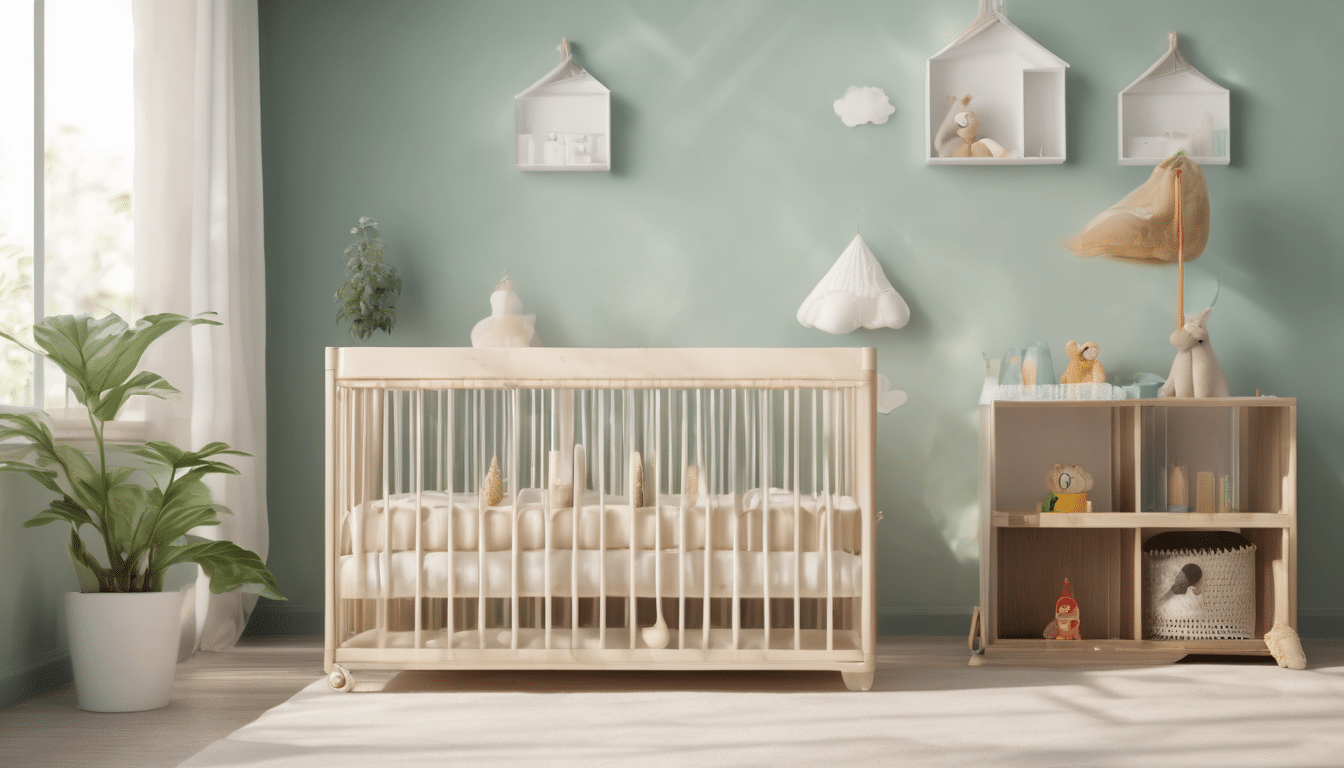
Common Indoor Air Pollutants in UAE Nurseries Guide
When parents in Dubai, Abu Dhabi, and across the UAE entrust their children to nursery facilities, they expect safe, healthy environments. However, Common Indoor Air pollutants in UAE nurseries often go undetected while potentially affecting children’s developing respiratory systems and overall health. The unique climate conditions of the Emirates—intense heat, high humidity, and year-round air conditioning—create specific challenges for maintaining optimal indoor air quality in childcare facilities.
The common indoor air pollutants in UAE nurseries represent a significant concern for parents and educators alike. Children spend substantial portions of their formative years in these environments, and their developing bodies are particularly vulnerable to airborne contaminants. From biological pollutants like mold spores to chemical emissions from cleaning products and building materials, nurseries face multiple air quality challenges that require professional assessment and management.
This comprehensive examination of common indoor air pollutants in UAE nurseries draws from our extensive experience conducting air quality assessments throughout Dubai, Abu Dhabi, and the broader Emirates region. We’ll explore the specific pollutants most frequently encountered, their health implications for young children, and practical strategies for creating healthier nursery environments that support children’s development and wellbeing.
Understanding Common Indoor Air Pollutants in UAE Nurseries
The common indoor air pollutants in UAE nurseries typically fall into four main categories: biological contaminants, chemical pollutants, particulate matter, and combustion byproducts. Each category presents unique challenges in the Emirates’ climate, where buildings remain sealed for most of the year to maintain comfortable temperatures. This continuous air conditioning creates environments where pollutants can accumulate to concerning levels without proper ventilation and filtration systems.
In our extensive assessments of Dubai nursery facilities, we’ve identified several recurring patterns. The most prevalent common indoor air pollutants in UAE nurseries include mold spores from humidity issues, volatile organic compounds from cleaning products and building materials, fine particulate matter from outdoor pollution and indoor activities, and elevated carbon dioxide levels from inadequate ventilation. These pollutants often exist in combination, creating complex air quality challenges that require comprehensive solutions.
Children’s unique vulnerability to these common indoor air pollutants in UAE nurseries cannot be overstated. Their higher respiratory rates, developing immune systems, and smaller body mass make them particularly susceptible to airborne contaminants. Additionally, children’s behaviours—crawling on floors, frequent hand-to-mouth contact, and closer proximity to pollutant sources—increase their exposure risks in nursery environments.
Common Indoor Air Pollutants In Uae Nurseries – Biological Contaminants: Mold and Allergens
Biological pollutants represent some of the most concerning common indoor air pollutants in UAE nurseries. Mold growth thrives in the Emirates’ climate, where high outdoor humidity combines with air-conditioned interiors to create condensation issues. We frequently encounter mold contamination in Dubai nurseries, particularly in areas with poor ventilation, water damage history, or inadequate moisture control.
Mold spores can trigger allergic reactions, asthma attacks, and respiratory infections in young children. The most problematic species we identify include Aspergillus, Penicillium, and Cladosporium—all common in UAE environments. These microorganisms release spores and metabolic byproducts that can cause health issues ranging from nasal congestion and coughing to more severe respiratory complications in sensitive children.
Dust mites represent another significant biological contaminant among common indoor air pollutants in UAE nurseries. These microscopic creatures thrive in the Emirates’ warm, humid conditions, particularly in carpeting, upholstered furniture, and bedding. Their fecal particles and body fragments become airborne and can trigger allergic reactions and asthma symptoms in susceptible children.
Pet Dander and Pest Allergens
Even when nurseries prohibit pets, dander can be transported on clothing and personal items. Cockroach allergens also present concerns in some facilities, particularly in older buildings or areas with inadequate pest management. These biological contaminants represent serious considerations among common indoor air pollutants in UAE nurseries that require regular monitoring and control measures.
Common Indoor Air Pollutants In Uae Nurseries – Chemical Pollutants: VOCs and Cleaning Products
Volatile organic compounds rank among the most prevalent chemical-based common indoor air pollutants in UAE nurseries. These compounds evaporate from various sources including cleaning products, air fresheners, building materials, furniture, and art supplies. In our testing of Dubai nursery facilities, we consistently detect elevated VOC levels, particularly in newly renovated spaces or those using strong cleaning agents.
Formaldehyde represents a particular concern among common indoor air pollutants in UAE nurseries. This chemical off-gasses from pressed wood products, furniture, insulation materials, and certain cleaning agents. Children’s developing systems are especially vulnerable to formaldehyde exposure, which can cause respiratory irritation and has been classified as a human carcinogen by international health agencies.
Cleaning and disinfecting products contribute significantly to chemical common indoor air pollutants in UAE nurseries. While maintaining hygiene is essential, many facilities use products that release harmful compounds into the air. Quaternary ammonium compounds, chlorine-based cleaners, and synthetic fragrances can all degrade indoor air quality and potentially affect children’s respiratory health with prolonged exposure.
Particulate Matter and Dust Accumulation
Particulate matter represents a major category of common indoor air pollutants in UAE nurseries that often goes unnoticed. These microscopic particles include PM2.5 and PM10—particles small enough to penetrate deep into children’s lungs and even enter their bloodstream. Outdoor pollution from vehicle emissions and construction activity significantly contributes to indoor particulate levels throughout Dubai and other Emirates.
Indoor activities also generate substantial particulate matter among common indoor air pollutants in UAE nurseries. Classroom activities like drawing with chalk, using dry-erase markers, crafting with paper, and even children’s movement can stir up fine particles. These particles can carry other pollutants, including allergens, chemical residues, and biological contaminants, creating complex exposure scenarios.
Dust accumulation represents more than just a cleaning issue among common indoor air pollutants in UAE nurseries. Dust particles act as reservoirs for multiple contaminants, including pesticides, heavy metals, and allergens. Regular surface cleaning helps, but without proper filtration and ventilation systems, these particles become airborne and remain in circulation where children can inhale them.
Carbon Dioxide and Ventilation Issues
Carbon dioxide accumulation represents a frequently overlooked aspect of common indoor air pollutants in UAE nurseries. While CO2 itself isn’t toxic at typical indoor concentrations, elevated levels indicate inadequate ventilation—a serious concern in air-conditioned UAE facilities where windows often remain closed year-round. High CO2 levels correlate with reduced cognitive function, drowsiness, and overall discomfort.
In our assessments of Dubai nursery facilities, we frequently measure CO2 concentrations exceeding 1,500 parts per million—well above the recommended 1,000 ppm threshold for occupied spaces. These elevated levels indicate that the common indoor air pollutants in UAE nurseries aren’t being adequately diluted with fresh air, allowing all contaminants to accumulate to potentially problematic concentrations.
Ventilation deficiencies exacerbate all categories of common indoor air pollutants in UAE nurseries. Without sufficient fresh air exchange, biological contaminants, chemical emissions, and particulate matter concentrate indoors. Proper HVAC design and maintenance become critical for managing the complex array of common indoor air pollutants in UAE nurseries and ensuring healthy environments for children.
UAE Climate-Specific Air Quality Challenges
The Emirates’ unique climate creates specific amplification factors for common indoor air pollutants in UAE nurseries. The extreme heat necessitates year-round air conditioning, which means buildings remain sealed for most of the year. This containment prevents natural ventilation that might otherwise dilute indoor pollutants, allowing them to accumulate to concerning levels.
High outdoor humidity levels, particularly during summer months, contribute significantly to common indoor air pollutants in UAE nurseries. When humid outdoor air enters air-conditioned spaces, the temperature drop causes moisture condensation—creating ideal conditions for mold growth within wall cavities, behind furniture, and in poorly ventilated areas. This hidden mold then releases spores into the indoor environment.
Sand and dust storms represent another UAE-specific factor influencing common indoor air pollutants in UAE nurseries. These events introduce fine particulate matter that penetrates building envelopes despite closed windows and doors. Without proper filtration systems, this outdoor pollution becomes part of the indoor air quality challenge, adding to the complex mixture of common indoor air pollutants in UAE nurseries.
Detection and Monitoring Strategies
Identifying common indoor air pollutants in UAE nurseries requires professional assessment using specialised equipment. We employ a multi-faceted approach that includes air sampling for microbial contaminants, real-time monitoring for particulate matter and CO2, surface sampling for allergen detection, and material assessment for chemical emission sources. This comprehensive methodology ensures we capture the full spectrum of common indoor air pollutants in UAE nurseries.
Continuous monitoring provides valuable data about patterns in common indoor air pollutants in UAE nurseries. By tracking parameters like temperature, humidity, CO2, and particulate levels over time, we can identify correlations with occupancy patterns, cleaning schedules, and outdoor conditions. This data-driven approach helps develop targeted strategies for managing common indoor air pollutants in UAE nurseries effectively.
Visual inspection remains crucial for detecting sources of common indoor air pollutants in UAE nurseries. Our architectural background enables us to identify moisture issues, ventilation deficiencies, and material problems that contribute to air quality challenges. Combining visual assessment with scientific measurement provides the most complete understanding of common indoor air pollutants in UAE nurseries and their underlying causes.
Effective Mitigation and Prevention Solutions
Addressing common indoor air pollutants in UAE nurseries requires a systematic approach that combines source control, ventilation improvement, and air cleaning strategies. The most effective solutions begin with identifying and eliminating pollution sources—whether that means replacing mold-damaged materials, switching to low-emission cleaning products, or addressing moisture intrusion issues.
Ventilation enhancement represents a critical strategy for managing common indoor air pollutants in UAE nurseries. Ensuring adequate fresh air intake through HVAC systems, maintaining proper filter replacement schedules, and considering energy recovery ventilators can significantly improve air quality. These measures help dilute and remove the common indoor air pollutants in UAE nurseries that inevitably accumulate during daily operations.
Air purification technology provides additional protection against common indoor air pollutants in UAE nurseries. High-efficiency particulate air (HEPA) filters effectively capture airborne particles, while activated carbon filters address chemical pollutants. UV-C light systems can help control biological contaminants in HVAC systems. However, these technologies should complement, not replace, source control and ventilation strategies.
Practical Prevention Tips for Nursery Operators
Regular maintenance forms the foundation of preventing common indoor air pollutants in UAE nurseries. This includes HVAC system cleaning, prompt repair of water leaks, and consistent cleaning practices using low-emission products. Education of staff about air quality principles also plays a crucial role in maintaining environments that minimise common indoor air pollutants in UAE nurseries.
Expert Recommendations for Healthier Nursery Environments
Based on our extensive experience assessing common indoor air pollutants in UAE nurseries, we recommend several evidence-based strategies. First, implement regular professional air quality assessments to establish baselines and identify emerging issues. Second, develop comprehensive indoor air quality management plans that address all categories of common indoor air pollutants in UAE nurseries through preventive maintenance and monitoring.
Third, prioritise low-emission materials when renovating or furnishing nursery spaces. Choose furniture, flooring, and building materials with low VOC emissions to reduce this significant source of common indoor air pollutants in UAE nurseries. Fourth, maintain relative humidity between 40-60% to discourage mold growth while minimising respiratory irritation—a challenging but achievable balance in the UAE climate.
Finally, establish clear protocols for responding to water incidents within 24-48 hours to prevent mold growth. Quick response to spills, leaks, and condensation issues represents one of the most effective strategies for controlling biological common indoor air pollutants in UAE nurseries. These combined approaches create comprehensive protection against the diverse array of common indoor air pollutants in UAE nurseries.
Frequently Asked Questions
How often should nurseries in Dubai conduct air quality testing?
We recommend comprehensive air quality assessments at least annually, with more frequent monitoring for parameters like CO2 and particulate matter. Facilities with known issues or recent renovations should consider quarterly testing until conditions stabilise.
What are the most immediate steps to improve nursery air quality?
Begin with ensuring proper HVAC maintenance, increasing fresh air ventilation where possible, switching to low-emission cleaning products, and addressing any visible moisture issues promptly.
Are air purifiers effective for UAE nursery environments?
High-quality air purifiers with HEPA and activated carbon filters can significantly reduce particulate and chemical pollutants, but they should complement rather than replace proper ventilation and source control measures.
Conclusion
Understanding and addressing common indoor air pollutants in UAE nurseries represents a critical responsibility for facility operators throughout Dubai, Abu Dhabi, and the broader Emirates region. The unique climate conditions and building practices in the UAE create specific challenges that require tailored solutions. By implementing comprehensive assessment, prevention, and mitigation strategies, nursery operators can create healthier environments that support children’s development and wellbeing.
The common indoor air pollutants in UAE nurseries—from biological contaminants to chemical emissions—require ongoing attention and professional management. Through regular monitoring, proper maintenance, and evidence-based interventions, these facilities can significantly reduce children’s exposure to airborne contaminants. The investment in healthy indoor environments represents one of the most important commitments nurseries can make to the children they serve and the communities they support.

JV de Castro, IAC2
JV de Castro is the Chief Technology Officer at Saniservice, where he leads innovation in indoor environmental sciences, IT infrastructure, and digital transformation. With over 20 years of experience spanning architecture, building science, technology management, digital media architecture, and consultancy, he has helped organizations optimize operations through smart solutions and forward-thinking strategies. JV holds a Degree in Architecture, a Masters of Research in Anthropology, an MBA in Digital Communication & Media, along with certifications in mold, building sciences and advanced networking. Passionate about combining technology, health, and sustainability, he continues to drive initiatives that bridge science, IT, and business impact.



Leave a Reply