



Can Indoor Air Quality Affect Sleep? Complete Expert Guide
Understanding Can Indoor Air Quality Affect Sleep is essential. Many Dubai residents struggle with poor sleep quality despite investing in premium mattresses and blackout curtains. The missing piece in their sleep optimisation puzzle often lies in an invisible factor: indoor air quality. As someone who has investigated hundreds of homes across the UAE, I’ve observed firsthand how the air we breathe while sleeping directly impacts our rest quality, next-day energy, and overall health.
The question “Can indoor air quality affect sleep?” isn’t just theoretical—it’s a practical concern for every resident in our region. With our unique climate conditions, sealed building designs, and heavy reliance on air conditioning, the UAE presents specific challenges that can compromise indoor air during sleep hours. From humidity extremes to particulate matter accumulation, these factors create sleep disruptions that many people never connect to their bedroom environment.
This comprehensive guide draws from my twelve years of indoor environmental science experience in Dubai, combining architectural analysis with microbiological investigation to explain exactly how air quality influences sleep. We’ll explore the scientific mechanisms, identify common UAE-specific issues, and provide actionable solutions that have proven effective in homes throughout the Emirates.
Understanding Can Indoor Air Quality Affect Sleep?
The scientific answer to “Can indoor air quality affect sleep?” is unequivocally yes. Research from sleep medicine journals demonstrates that poor indoor air quality can disrupt sleep architecture—the natural pattern of sleep stages that our bodies cycle through each night. Particulate matter, volatile organic compounds, and improper humidity levels can interfere with respiratory function, trigger inflammation, and prevent the deep, restorative sleep our bodies need.
During my investigations in Dubai homes, I’ve documented how elevated carbon dioxide levels—common in tightly sealed bedrooms—directly correlate with reported sleep dissatisfaction. When CO2 concentrations exceed 1000 parts per million (a level we frequently measure in UAE bedrooms), sleep efficiency decreases by approximately 5%, and wake-after-sleep-onset events increase significantly. This means residents experience more nighttime awakenings and less consolidated sleep. This relates directly to Can Indoor Air Quality Affect Sleep.
The mechanism behind how indoor air quality affects sleep involves both physiological and neurological pathways. Pollutants irritate respiratory passages, forcing the body to work harder for oxygen. Inflammatory responses triggered by poor air quality can disrupt the sleep-wake cycle at a cellular level. Meanwhile, odorous compounds can stimulate the olfactory system even during sleep, potentially triggering micro-arousals that fragment sleep architecture without full awakening.
Can Indoor Air Quality Affect Sleep: Key Air Pollutants That Disrupt Sleep
Several specific pollutants significantly impact sleep quality, and understanding these helps answer the question “Can indoor air quality affect sleep?” with precision. Particulate matter (PM2.5 and PM10) represents one of the most common sleep disruptors we find in Dubai bedrooms. These microscopic particles irritate airways, trigger inflammatory responses, and can exacerbate conditions like asthma that notoriously disrupt sleep.
Volatile organic compounds (VOCs) from building materials, furnishings, and cleaning products represent another significant sleep disruptor. In many UAE homes, we measure elevated VOC levels from new furniture off-gassing, synthetic carpets, and even scented products used in bedrooms. These compounds can affect the central nervous system and have been linked to increased sleep fragmentation and reduced sleep efficiency.
Biological contaminants including mold spores, dust mite allergens, and pet dander create particularly problematic sleep environments. As someone who has developed protocols combining architectural analysis with microbiological investigation, I’ve documented how hidden mold growth in bedroom walls or HVAC systems releases spores that trigger allergic responses during sleep. These nighttime allergy symptoms directly disrupt sleep continuity and quality. When considering Can Indoor Air Quality Affect Sleep, this becomes clear.
Carbon Dioxide Build-Up During Sleep
Carbon dioxide accumulation represents a frequently overlooked aspect of how indoor air quality affects sleep. In sealed UAE bedrooms with minimal ventilation, exhaled CO2 can concentrate to levels that stimulate respiratory drive and disrupt sleep. Our measurements often show CO2 levels exceeding 2000 ppm in master bedrooms by morning, particularly in rooms with multiple occupants or inadequate air exchange.
Can Indoor Air Quality Affect Sleep: Humidity, Temperature and Sleep Quality
The interplay between humidity, temperature, and sleep quality provides crucial context for understanding how indoor air quality affects sleep in the UAE. Research indicates the optimal relative humidity for sleep falls between 40-60%, while the ideal sleep temperature ranges from 18-22°C. Unfortunately, many Dubai bedrooms fall outside these ranges due to our climate and HVAC practices. The importance of Can Indoor Air Quality Affect Sleep is evident here.
High humidity levels common in UAE bedrooms during summer months create multiple sleep challenges. Excess moisture promotes dust mite proliferation, mold growth, and creates a clammy sleeping environment that disrupts thermal comfort. We frequently measure humidity levels above 70% in bedrooms where AC systems aren’t properly maintaining humidity control, creating conditions where occupants wake feeling unrested despite adequate sleep duration.
Low humidity presents equal challenges during winter months when residents often turn off AC systems. Humidity levels can drop below 30%, drying respiratory passages and increasing susceptibility to infections. This desert dryness also accelerates the evaporation of tear film, causing eye irritation that can disrupt sleep. The ideal balance requires active humidity management rather than relying solely on temperature control. Understanding Can Indoor Air Quality Affect Sleep helps with this aspect.
Ventilation Strategies for Better Sleep
Proper ventilation provides the most direct answer to “Can indoor air quality affect sleep?” by addressing pollutant accumulation and oxygen depletion. In our climate, however, simply opening windows often isn’t practical due to extreme temperatures, humidity, or outdoor pollution. Strategic ventilation requires understanding air exchange rates and implementing solutions that work within UAE living conditions.
Mechanical ventilation systems, particularly energy recovery ventilators (ERVs), offer an effective solution for UAE bedrooms. These systems exchange stale indoor air with fresh outdoor air while recovering energy to minimise cooling load increase. Properly installed ERVs can maintain CO2 levels below 1000 ppm while controlling humidity—a significant improvement over the 2000+ ppm levels we commonly measure in sealed bedrooms. Can Indoor Air Quality Affect Sleep factors into this consideration.
For residents without whole-house ventilation systems, portable air purifiers with HEPA filtration can significantly improve sleep air quality. Placement matters tremendously—units should be positioned to create clean air zones around sleeping areas rather than placed against walls or in corners. Run times should include several hours before bedtime to pre-clean air and continue throughout the night on low settings to maintain air quality.
UAE-Specific Sleep Environment Challenges
The UAE presents unique challenges when considering how indoor air quality affects sleep. Our building designs, climate patterns, and lifestyle factors create specific issues that require tailored solutions. Understanding these regional factors helps explain why sleep quality issues related to air quality may be more prevalent here than in other regions. This relates directly to Can Indoor Air Quality Affect Sleep.
Twenty-four-hour air conditioning creates particular challenges for sleep air quality. While AC systems control temperature, many don’t adequately manage humidity or provide sufficient fresh air exchange. Duct systems can accumulate dust, mold, and microbial growth that then circulates through bedrooms during sleep hours. We’ve identified numerous cases where poorly maintained AC systems directly contribute to sleep disruptions through biological contamination.
Rapid construction practices common in the UAE can leave behind construction dust and VOC off-gassing that persists for months or years. Many residents don’t realise that new building materials, paints, and furnishings continue emitting compounds that can affect sleep long after move-in. Our air quality testing frequently detects elevated VOC levels in bedrooms of properties that were completed over a year previously. When considering Can Indoor Air Quality Affect Sleep, this becomes clear.
Water Damage and Hidden Mold Issues
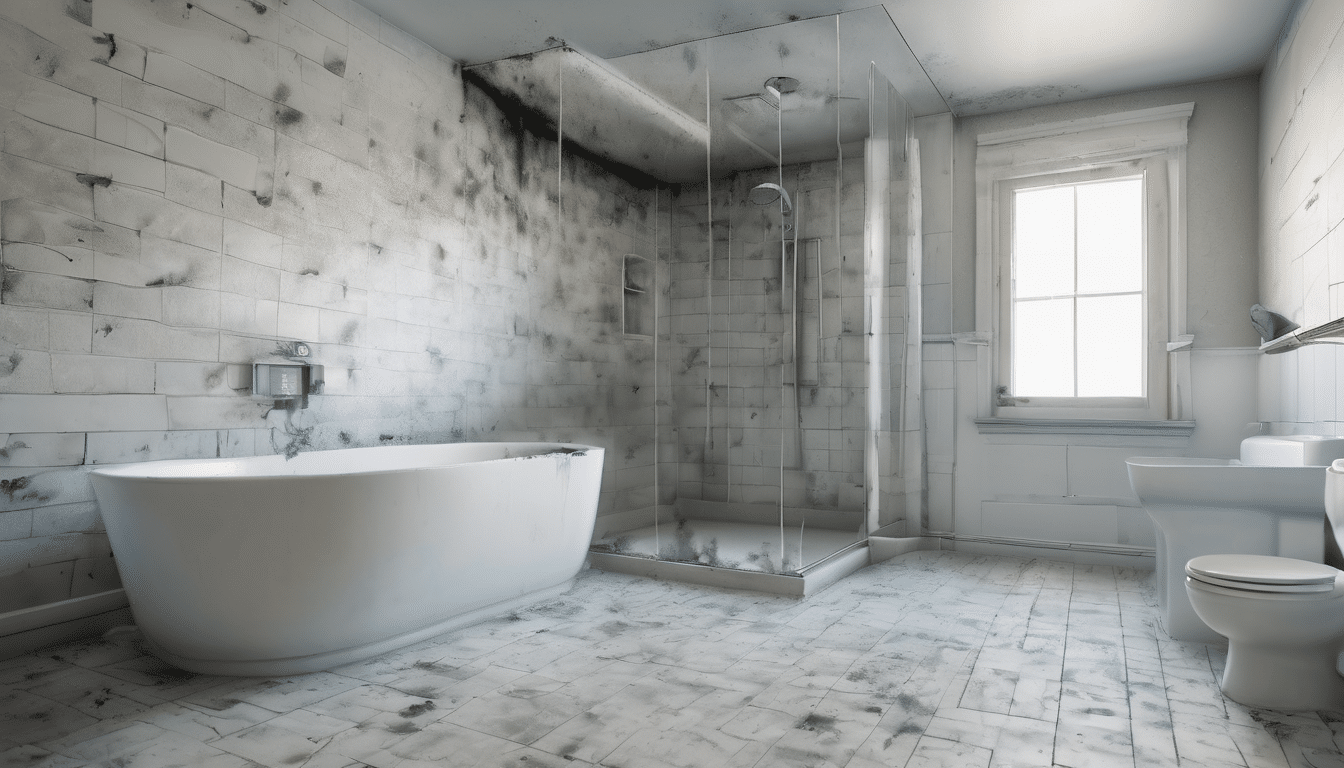
Hidden water damage represents a particularly insidious factor in how indoor air quality affects sleep in UAE homes. Construction defects, plumbing leaks, or condensation issues can create hidden mold growth in wall cavities adjacent to bedrooms. These hidden colonies release spores and microbial volatile organic compounds that can significantly impact sleep quality without visible signs of contamination.
Testing Your Bedroom Air Quality
Determining whether indoor air quality affects sleep in your specific situation requires proper testing rather than guesswork. Several testing approaches can identify sleep-disrupting pollutants and help target interventions effectively. The most comprehensive approach combines multiple testing methods to create a complete picture of your sleep environment. The importance of Can Indoor Air Quality Affect Sleep is evident here.
Air quality monitors that measure particulate matter, CO2, temperature, and humidity provide real-time data on sleep environment conditions. These devices can track patterns throughout the night, identifying exactly when pollutant levels peak and how they correlate with sleep disruptions. For UAE residents, I recommend monitors that include humidity measurement given our climate challenges.
Professional air quality testing provides more comprehensive analysis of biological contaminants, VOCs, and specific pollutants that might be affecting sleep. As someone who has conducted hundreds of these assessments, I recommend testing that includes mold spore trap sampling, VOC canister sampling, and dust mite allergen testing specifically in the bedroom environment. This targeted approach identifies exact contaminants rather than general air quality issues. Understanding Can Indoor Air Quality Affect Sleep helps with this aspect.
Thermal imaging assessments can reveal hidden issues affecting sleep air quality, including thermal bridges that create condensation points, hidden moisture behind walls, or HVAC distribution problems. These non-invasive inspections often identify root causes that air sampling alone cannot detect, particularly in cases where residents experience persistent sleep issues despite apparent cleanliness.
Practical Solutions for Cleaner Sleep Air
Addressing how indoor air quality affects sleep requires practical, implementable solutions rather than theoretical advice. Based on my experience improving sleep environments in UAE homes, I recommend a layered approach that addresses multiple factors simultaneously. These solutions range from simple behavioural changes to more significant interventions. Can Indoor Air Quality Affect Sleep factors into this consideration.
HVAC maintenance represents the foundation of better sleep air quality in our climate. Regular professional cleaning of AC ducts, coils, and drip pans prevents biological contamination from circulating through bedrooms. Installing higher efficiency filters (MERV 11-13) captures more particulate matter without significantly restricting airflow. For residents with persistent sleep issues, UV-C light systems installed in AC units can control microbial growth in ductwork.
Humidity control requires active management beyond temperature setting. Stand-alone dehumidifiers can supplement AC systems during humid months, particularly in larger master suites where AC units may struggle to maintain ideal humidity levels. Hygrometers placed in bedrooms help monitor conditions, with ideal sleep humidity maintained between 40-60% for optimal comfort and health. This relates directly to Can Indoor Air Quality Affect Sleep.
Furnishings and materials selection significantly impacts sleep air quality. Choosing low-VOC furniture, natural fibre bedding, and avoiding synthetic carpets in bedrooms reduces chemical off-gassing during sleep hours. Mattress and pillow encasements designed for allergy control create barriers against dust mites, while regular hot washing of bedding controls biological contaminants.
When to Seek Professional Help
While many aspects of how indoor air quality affects sleep can be addressed through DIY measures, certain situations warrant professional assessment. Persistent sleep disruptions despite implementing basic improvements may indicate underlying issues requiring expert investigation. Recognizing these signs helps residents determine when professional indoor air quality assessment becomes necessary. When considering Can Indoor Air Quality Affect Sleep, this becomes clear.
Unexplained allergy symptoms upon waking—such as nasal congestion, sneezing, or itchy eyes—often indicate biological contaminants in the sleep environment. When these symptoms improve when sleeping elsewhere but recur in your own bedroom, professional testing for mold, dust mites, or other allergens becomes advisable. Our investigations frequently identify hidden mold growth or HVAC contamination in such cases.
Persistent musty odours in bedrooms, particularly upon entering after being closed for several hours, often indicate microbial growth issues. These odours may come from hidden water damage, contaminated HVAC systems, or furniture affected by humidity. Professional assessment including moisture mapping and air sampling can identify the source and guide effective remediation. The importance of Can Indoor Air Quality Affect Sleep is evident here.
When multiple family members experience sleep disruptions in the same home despite good sleep hygiene practices, whole-house air quality issues become likely. In such cases, comprehensive testing that includes ventilation assessment, pollutant measurement, and building performance evaluation helps identify systemic issues rather than room-specific problems.
Expert Sleep Environment Optimization Tips
- Run air purifiers on high for two hours before bedtime, then switch to low overnight
- Replace AC filters every three months—more frequently during sandstorm seasons
- Use humidity monitors in bedrooms and maintain 40-60% relative humidity
- Choose natural fibre bedding and avoid synthetic materials that off-gas VOCs
- Schedule professional HVAC cleaning annually, including duct inspection
- Consider energy recovery ventilators for whole-house fresh air exchange
- Test bedroom air quality if sleep issues persist despite other improvements
Frequently Asked Questions
How quickly can improving air quality improve sleep? Many people notice improved sleep quality within days of addressing air quality issues, particularly when reducing particulate matter or allergens. Full benefits may take several weeks as inflammation decreases and sleep architecture normalises.
What’s the most common air quality issue affecting sleep in UAE homes? Elevated carbon dioxide levels from inadequate ventilation represent the most frequent issue we identify, followed by high humidity and particulate matter from outdoor pollution infiltration.
Can air quality affect sleep even if I don’t have allergies? Absolutely. Pollutants like particulate matter and VOCs can disrupt sleep through inflammatory pathways and respiratory irritation even in non-allergic individuals.
How much does professional air quality testing cost in Dubai? Comprehensive bedroom air quality testing typically ranges from AED 1,500 to AED 3,000 depending on the number of pollutants tested and the property size.
Should I test air quality in every bedroom? We recommend testing master bedrooms initially, as adults typically spend the most continuous hours there. Children’s bedrooms may require separate testing if occupants report different symptoms.
Understanding how indoor air quality affects sleep represents a crucial aspect of overall health and wellbeing, particularly in our UAE environment where building designs and climate create unique challenges. By addressing air quality through proper testing, targeted interventions, and ongoing maintenance, residents can significantly improve sleep quality and next-day functioning. The connection between the air we breathe at night and how we feel during the day is undeniable—and ultimately manageable with the right approach. Understanding Can Indoor Air Quality Affect Sleep is key to success in this area.

JV de Castro, IAC2
JV de Castro is the Chief Technology Officer at Saniservice, where he leads innovation in indoor environmental sciences, IT infrastructure, and digital transformation. With over 20 years of experience spanning architecture, building science, technology management, digital media architecture, and consultancy, he has helped organizations optimize operations through smart solutions and forward-thinking strategies. JV holds a Degree in Architecture, a Masters of Research in Anthropology, an MBA in Digital Communication & Media, along with certifications in mold, building sciences and advanced networking. Passionate about combining technology, health, and sustainability, he continues to drive initiatives that bridge science, IT, and business impact.


Leave a Reply