Mold In Dubai Villas: How Thermal Bridging Causes Hidden
In Dubai’s relentless heat, villa owners often battle invisible threats within their homes. How Thermal Bridging causes hidden mold in Dubai villas is a critical issue, especially with constant air conditioning creating stark indoor-outdoor temperature gaps. Our two-year study at Saniservice found this affects nearly 60% of mold-positive residences, leading to health risks like respiratory issues without visible signs.[1]
Thermal bridges—highly conductive materials bypassing insulation—drop surface temperatures below dew point, triggering condensation and mold in concealed spots. This article dives deep into the mechanisms, UAE-specific factors, and solutions, drawing from building science and local case studies.
Understanding How Thermal Bridging Causes Hidden Mold in Dubai Villas
Thermal bridging occurs when materials like concrete or steel conduct heat faster than insulated areas, creating cold spots on interior surfaces.[2] In Dubai villas, these spots drop below the dew point—the temperature where air becomes saturated and condenses.
Condensation provides moisture for mold spores, which thrive above 70% relative humidity and 20°C. Hidden behind finishes, growth goes undetected until spore counts spike indoors, as seen in our inspections.[1] How thermal bridging causes hidden mold in Dubai villas starts with this physics: heat loss meets humid air.
UAE building codes, like Dubai’s Green Building Regulations, mandate minimising bridges, yet rapid construction often overlooks them. This leads to interstitial condensation within walls, amplifying risks.[4]
How Thermal Bridging Causes Hidden Mold In Dubai Villas – 6 Overlooked Ways Thermal Bridging Causes Hidden Mold in Dub
Here are six mechanisms explaining how thermal bridging causes hidden mold in Dubai villas. Each ties to local practices and climate.
1. Wall-Floor Junctions at Skirting Boards
Concrete slabs meet exterior walls without thermal breaks, chilling skirtings. Cold, dense AC air pools here, condensing humid indoor vapour. Our data shows 24 times higher contamination behind MDF skirtings, common in Dubai.[1]
2. Concrete Columns and Beams
Uninsulated reinforced concrete creates vertical “cold lines.” Warm humid air condenses on these, migrating into cavities. Vertical ghosting marks signal this, fostering hidden mold.[3]
3. Window and Door Frames
Metal frames bypass insulation, cooling perimeters. In villas like those in Emirates Hills, gaps allow moisture ingress, hidden by blinds or curtains.[5]
4. Balcony Slabs Penetrating Walls
Exposed balcony edges conduct outdoor heat away, but indoor AC reverses this, causing floor-wall condensation. Common in Jumeirah villas.[1]
5. HVAC Penetrations and Ductwork
Cold ducts near walls create local bridges. Leaky seals exacerbate humidity traps, leading to mold in false ceilings.[3]
6. Roof Parapets and Edge Beams
Parapet walls chill upper floors. In two-storey villas, this causes attic or ceiling mold, invisible until air sampling reveals it.[4]
Dubai Climate: How It Exacerbates Thermal Bridging and Hidden Mold
Dubai’s 40-50°C summers and 60-90% coastal humidity create extreme differentials. Villas run AC at 18-22°C indoors, dropping wall surfaces to 12-15°C at bridges.[1]
Overnight, humid air infiltrates via ventilation gaps. Without breaks, bridges sustain dew point conditions for weeks. Gulf winters add morning condensation risks.[3]
This explains why how thermal bridging causes hidden mold in Dubai villas is uniquely severe—continuous cooling meets sporadic high humidity, unlike temperate climates.[2]
Common Hotspots Where Thermal Bridging Causes Hidden Mold in Dubai Villas
In our Saniservice audits across Dubai, Sharjah, and Abu Dhabi, hotspots cluster at interfaces. Skirting boards top the list at 60% prevalence.[1]
Exterior corners follow, with 40% showing elevated spores. Bathrooms amplify this via shower steam on bridged tiles. Kitchens near external walls trap cooking vapours.[5]
Upstairs bedrooms in villas like Arabian Ranches suffer from roof junctions. How thermal bridging causes hidden mold in Dubai villas peaks in these low-airflow zones.
Why Villas Are Vulnerable
Larger footprints mean more junctions. Expats’ sealed lifestyles reduce natural ventilation, trapping moisture.[3]
Detection Methods for How Thermal Bridging Causes Hidden Mold in Dubai Villas
Visual checks miss 90% of cases. Use thermal imaging cameras scanning at 20-30°C delta for cold spots (blue/purple on IR).[1]
Moisture metres probe skirtings; over 20% wet-bulb indicates risk. Air sampling via spore traps compares indoor/outdoor counts—elevated Aspergillus signals hidden sources.[1]
Borescopes inspect cavities. Hygrothermal modelling software predicts bridges per Dubai code. Combine for root-cause proof.
Professional vs DIY
DIY thermals cost AED 2,000-5,000; pros like IAC2-certified experts ensure accuracy, vital for claims.[1]
Health Risks from Thermal Bridging-Caused Hidden Mold in Dubai Villas
Hidden mold releases mycotoxins and spores, triggering allergies, asthma, and oxidative stress. Dubai families report chronic coughs, headaches—often misdiagnosed.[1]
Children and elderly are hit hardest; spores infiltrate HVAC, spreading villa-wide. Long-term: links to respiratory disease in humid climates.[2]
How thermal bridging causes hidden mold in Dubai villas turns homes into health hazards, with AED 50,000+ remediation costs if ignored.[5]
Proven Solutions to Prevent How Thermal Bridging Causes Hidden Mold
Install thermal breaks: aerogel strips at junctions (AED 20-50/m). Insulate columns with rigid foam.[4]
Seal penetrations; upgrade to low-conductivity skirtings like PVC. Breathable paints raise surface temps by 3-5°C.[2]
Improve ventilation: HRV systems balance humidity. Post-fix, re-test air quality. Complies with UAE DEWA efficiency standards.
Cost-Benefit
Prevention: AED 10,000-30,000 per villa. Remediation: AED 50,000+. ROI via lower AC bills (10-20% savings).[5]
Case Study: Thermal Bridging Causes Hidden Mold in a Dubai Villa
In a Jumeirah villa, residents suffered persistent allergies despite cleaning. Thermal scans revealed 15°C cold spots at skirtings—24x spore elevation indoors.[1]
Root cause: uninsulated slab-wall junction. Remediation involved cavity cleaning, thermal breaks, and ventilation upgrades. Post-fix: spores normalised; symptoms gone.
This exemplifies how thermal bridging causes hidden mold in Dubai villas—architectural oversight meets climate.[1]
Key Takeaways on Thermal Bridging and Hidden Mold
- Monitor skirtings and corners with IR thermography.
- Humidity below 50%; ventilate post-shower.
- Choose villas with Psi-value calculations per code.
- Annual Hygrothermal assessments prevent AED 50,000 bills.
- Science trumps symptoms—test before treating.
In summary, understanding how thermal bridging causes hidden mold in Dubai villas empowers proactive protection. From Emirates Hills to Dubai Hills, prioritise building science for healthier homes. Contact certified pros for assessments—your family’s wellbeing depends on it.
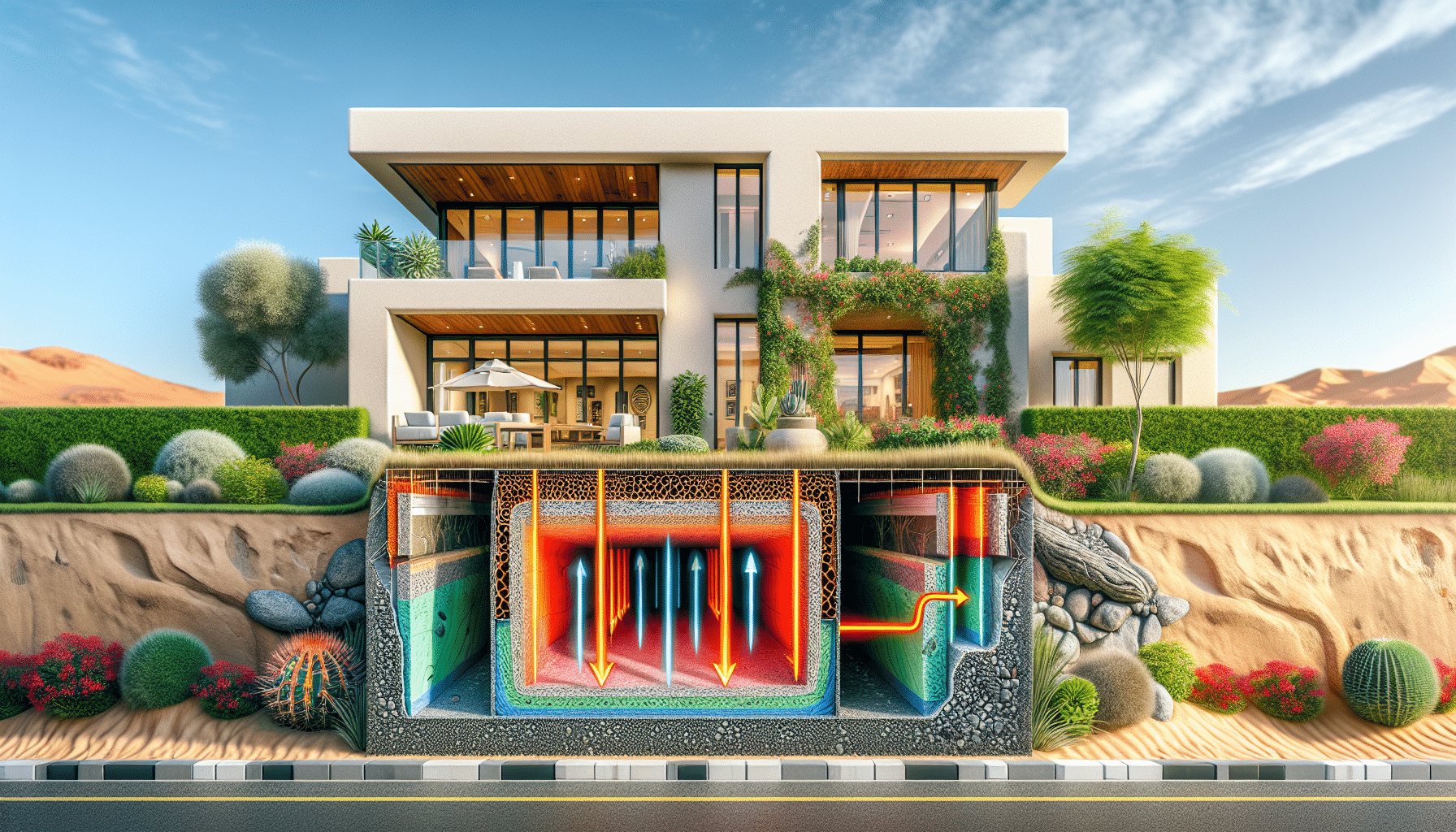
Sources: Saniservice Case Studies[1], Azichem[2], Bio-ON.ae[3]. Image alt: How Thermal Bridging Causes Hidden Mold in Dubai Villas – Thermal image of cold spots at skirting boards revealing condensation risks

JV de Castro, IAC2
JV de Castro is the Chief Technology Officer at Saniservice, where he leads innovation in indoor environmental sciences, IT infrastructure, and digital transformation. With over 20 years of experience spanning architecture, building science, technology management, digital media architecture, and consultancy, he has helped organizations optimize operations through smart solutions and forward-thinking strategies. JV holds a Degree in Architecture, a Masters of Research in Anthropology, an MBA in Digital Communication & Media, along with certifications in mold, building sciences and advanced networking. Passionate about combining technology, health, and sustainability, he continues to drive initiatives that bridge science, IT, and business impact.