How Mycotoxins Spread Through Air In Homes
Introduction
Understanding How Mycotoxins Spread Through Air In Homes is essential. Mold growth through air in homes can lead to the production of mycotoxins, which pose significant health risks when they spread through the air. Understanding how these toxins travel is crucial for effective detection and remediation. This guide delves into the mechanisms by which mycotoxins spread through indoor air, highlighting why airborne sampling techniques are essential for accurate testing.
Understanding How Mycotoxins Spread Through Air in Homes
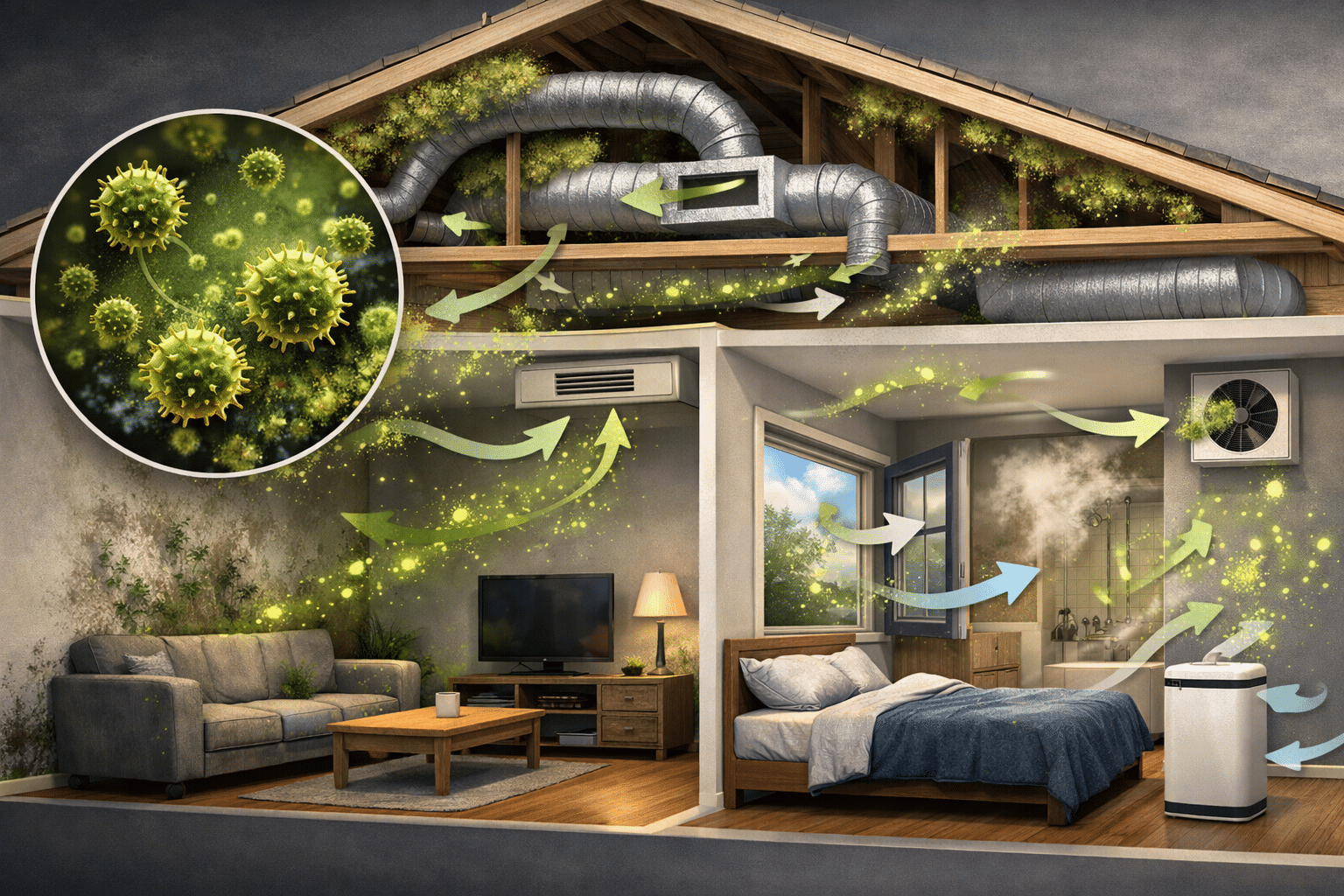
Mycotoxins are toxic secondary metabolites produced by certain mold species. They can become airborne when mold spores break down, releasing these toxins into the air. This process is influenced by factors such as humidity levels, temperature, and airflow within a home.
Humidity and Temperature Effects
High humidity levels create favorable conditions for mold growth, which in turn produce airborne mycotoxins. The ideal temperature range for most toxic molds is between 20°C to 35°C (68°F to 95°F), making indoor environments particularly susceptible during summer months.
Airflow and Mycotoxin Dispersal
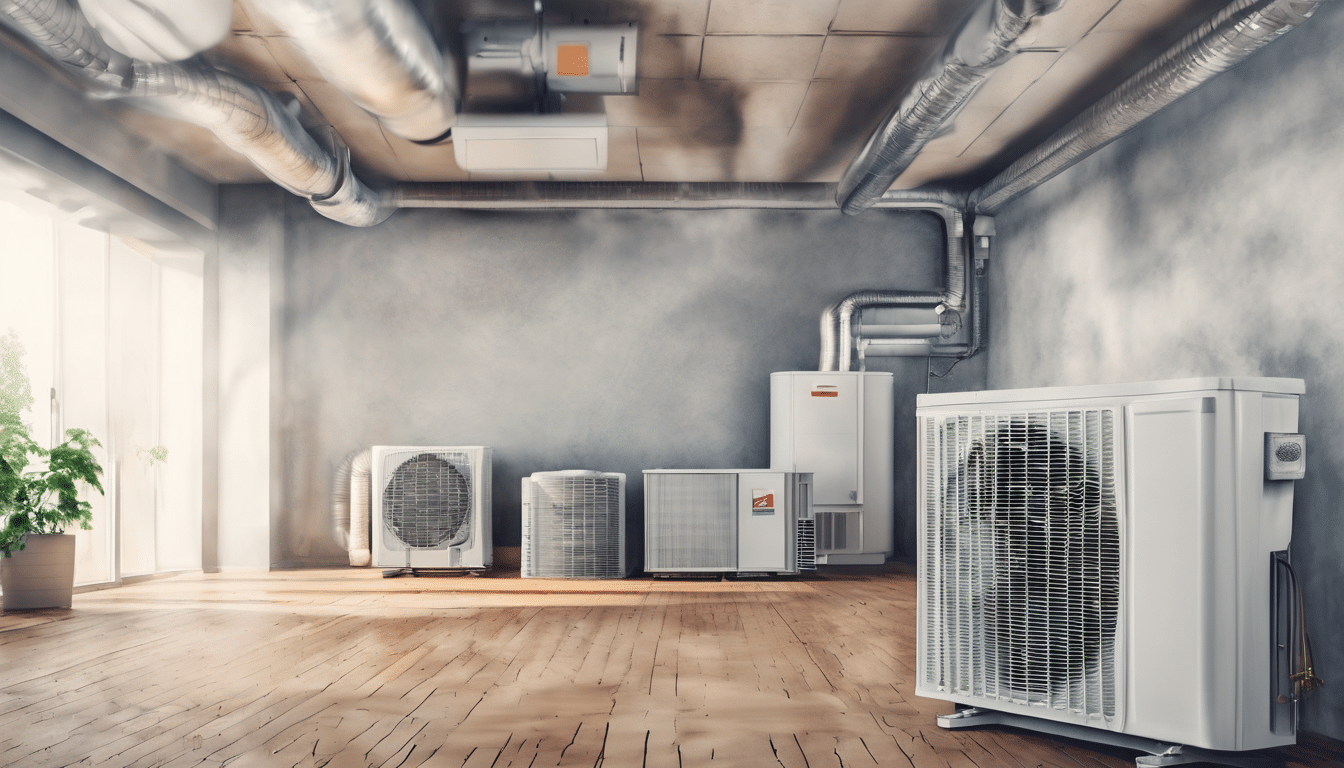
Indoor airflow patterns play a critical role in the dispersion of mycotoxins. HVAC systems, open windows, and other ventilation methods can disperse airborne toxins throughout a home. Poorly sealed ducts or gaps in walls can also contribute to their spread.
How Mycotoxins Spread Through Air In Homes – Top Sources of Mycotoxin Contamination in Indoor Air
Identifying the sources of mycotoxins is crucial for effective remediation. Common sources include:
- Mold Infestations: Visible mold growth, often hidden behind walls or under flooring.
- Water Damage: Leaks, floods, and excessive moisture create ideal conditions for mold to grow and produce toxins.
- Nutrient-Rich Substrates: Wood, paper, insulation materials, and other organic substances provide nutrients for mold growth and toxin production.
Hidden Mold Issues
Mycotoxins can originate from hidden mold that is not easily visible. Thermal imaging can help detect these concealed areas by identifying moisture accumulation points, which are often associated with mycotoxin production.
How Mycotoxins Spread Through Air In Homes – Why Airborne Sampling is Crucial for Accurate Testing
Traditional surface sampling methods may miss airborne mycotoxins, leading to incomplete or inaccurate assessments. Airborne sampling techniques provide a more comprehensive understanding of the presence and concentration of these toxins in indoor environments.
Air Sampling Methods
Several air sampling methods are effective for detecting airborne mycotoxins:
- Air Filters: Using air filters to capture mold spores and mycotoxins.
- Vacuum Sampling: Collecting dust particles that may contain airborne toxins.
- Mold Spore Traps: Specialized devices designed to collect and analyze airborne mold spores, including those containing mycotoxins.
Laboratory Analysis
Samples collected through these methods are sent to specialized laboratories for analysis. Techniques such as mass spectrometry can identify specific mycotoxins and quantify their concentrations in the air, providing valuable insights into indoor environmental health.
Managing Mycotoxin Risk Through HVAC Maintenance
The HVAC system plays a significant role in distributing airborne toxins throughout a home. Regular maintenance and inspection of this system can help reduce mycotoxin risk:
- Filter Replacement: Using high-efficiency particulate air (HEPA) filters to capture mold spores.
- Duct Cleaning: Removing dust, debris, and other contaminants that may contain airborne toxins.
- Airflow Optimization: Ensuring proper ventilation and minimizing the spread of contaminated air.
Regular Inspections
Scheduling regular inspections by professionals can help identify potential issues before they escalate. These inspections should focus on both visible mold growth and hidden areas that may contain mycotoxins.
Expert Tips for Accurate Testing and Remediation
To ensure accurate testing and effective remediation of airborne mycotoxins, follow these expert tips:
Read more: Top Sources Of Mycotoxin Contamination In Indoor Air
- Use Airborne Sampling Techniques: Employ methods like air filters and spore traps to capture and analyze airborne toxins.
- Consult Professionals: Engage with certified indoor environmental professionals for comprehensive testing and remediation services.
- Address Root Causes: Identify and address the underlying conditions that allow mold growth, such as moisture management issues or HVAC system inefficiencies.
Frequently Asked Questions (FAQs)
Q: What are mycotoxins?
A: Mycotoxins are toxic compounds produced by certain mold species. They can become airborne and pose significant health risks when present in indoor environments.
Q: Why is airborne sampling important?
A: Airborne sampling provides a more accurate representation of mycotoxin levels, as traditional surface sampling may miss these toxins.
Q: How can I manage mycotoxin risk in my home?
A: Regularly inspect your HVAC system, maintain proper humidity and temperature levels, and address any moisture issues to reduce the risk of airborne mycotoxins.
Conclusion
Understanding how mycotoxins spread through air in homes is essential for effective detection and remediation. By employing airborne sampling techniques, addressing root causes, and managing HVAC systems, homeowners can protect their indoor environments from these hidden health threats. Accurate testing and professional guidance are crucial steps in ensuring the safety of your home.

JV de Castro, IAC2
JV de Castro is the Chief Technology Officer at Saniservice, where he leads innovation in indoor environmental sciences, IT infrastructure, and digital transformation. With over 20 years of experience spanning architecture, building science, technology management, digital media architecture, and consultancy, he has helped organizations optimize operations through smart solutions and forward-thinking strategies. JV holds a Degree in Architecture, a Masters of Research in Anthropology, an MBA in Digital Communication & Media, along with certifications in mold, building sciences and advanced networking. Passionate about combining technology, health, and sustainability, he continues to drive initiatives that bridge science, IT, and business impact.