



Techniques In Dubai: Hidden Mold Investigation
Introduction
Understanding Hidden Mold Investigation Techniques In Dubai Villas is essential. In recent years, hidden mold has emerged as a serious concern in Dubai villas. While visible mold is easily spotted, undetected growth can pose significant health risks. This article delves into advanced techniques for identifying and mitigating hidden mold, ensuring the indoor air quality of your home remains pristine.
Understanding Hidden Mold Investigation Techniques in Dubai Villas
Hidden mold, often difficult to detect without specialized equipment and techniques, can be a silent threat to indoor air quality. In this section, we explore the fundamental methods used by experts to identify and investigate hidden mold growth.
Visual Inspection
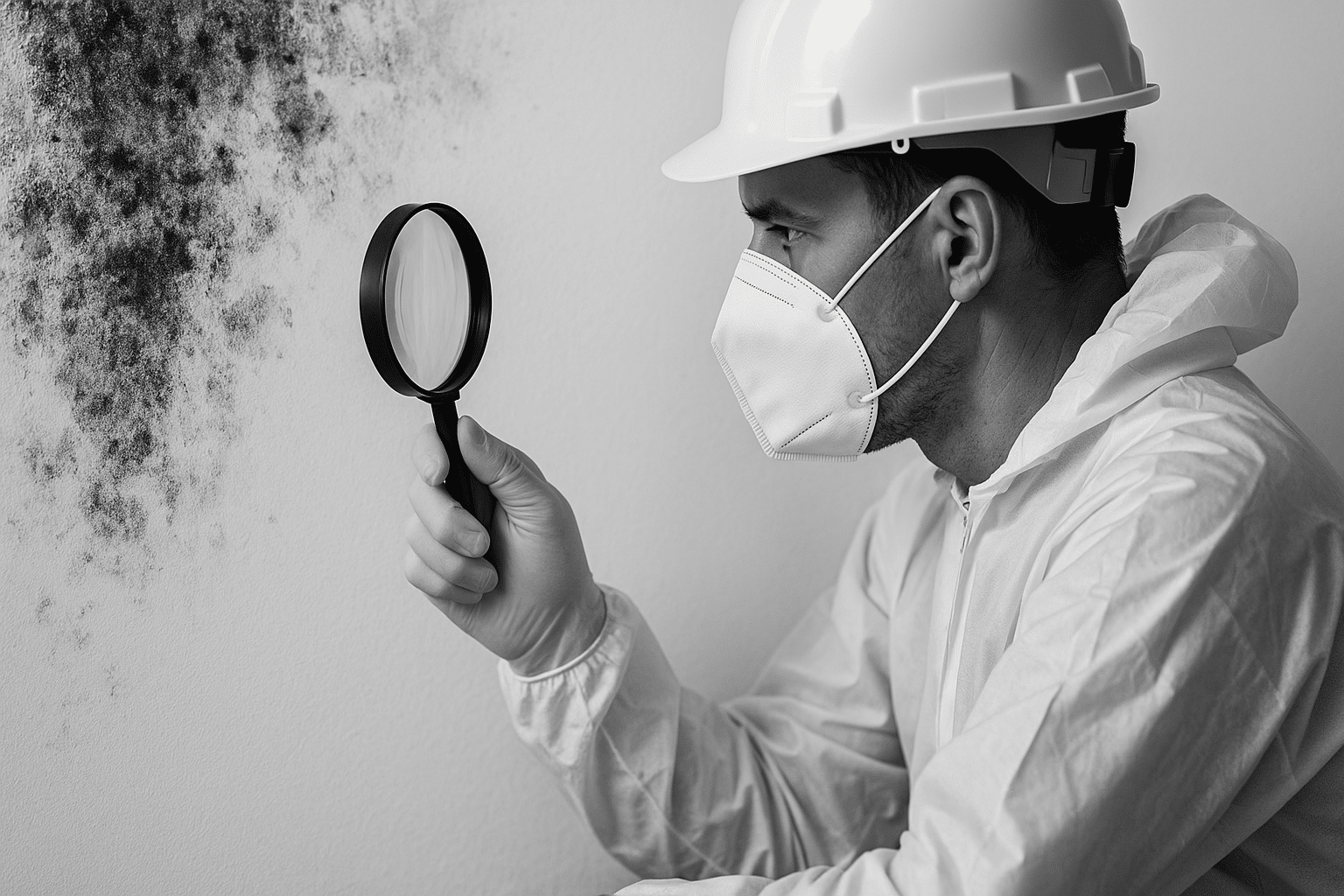
The first step in any mold investigation is visual inspection. This involves carefully examining surfaces that are accessible for visible signs of mold. However, many areas in a villa—such as behind skirting boards or under floors—are not easily observed, making this method limited.
Hidden Mold Investigation Techniques In Dubai Villas – Thermal Imaging Techniques for Detecting Hidden Mold
Thermal imaging is a powerful tool for identifying hidden mold. By using infrared cameras, we can detect temperature differences that indicate moisture and potential mold growth in areas not visible to the naked eye.
Thermal Imaging Process
- Setup: Place thermal imaging camera in a stable position with clear visibility of surfaces suspected of hidden mold.
- Baseline Images: Take baseline images to establish the normal temperature profile of your villa.
- Data Analysis: Analyze captured images for areas showing significantly higher temperatures, indicative of moisture and potential mold growth.
Hidden Mold Investigation Techniques In Dubai Villas – Moisture Mapping Methods to Identify Hidden Mold Growth
Moisture mapping involves using specialized devices to measure humidity levels throughout a villa. This helps identify areas with excessive moisture, which can be breeding grounds for hidden mold. This relates directly to Hidden Mold Investigation Techniques In Dubai Villas.
Hygrometer Use
- Placement: Install hygrometers in various locations to measure relative humidity.
- Data Collection: Record and analyze data over time to identify patterns of high moisture levels.
Air Sampling Procedures for Identifying Mold Spores
Air sampling is crucial for detecting airborne mold spores, which can indicate hidden growth. This method involves collecting air samples and analyzing them in a laboratory to identify specific types of mold present.
Air Sampling Process
- Sampling Devices: Use specialized air samplers such as spore traps or settled-dust collectors.
- Collection: Place samplers in strategic locations throughout the villa for a set period to collect airborne particles.
- Analysis: Send collected samples to a certified laboratory for identification and quantification of mold spores.
Surface Sampling Techniques for Detecting Mold Contamination
Surface sampling involves taking swab or tape lift samples from surfaces suspected of hidden mold growth. These samples are then analyzed in a laboratory to identify and quantify mold spores on the surface.
Surface Sampling Process
- Sample Collection: Use swabs or tape lift devices to collect samples from suspect areas.
- Storage: Properly store collected samples in sealed containers to maintain integrity during transportation and analysis.
- Laboratory Analysis: Send samples to a certified laboratory for microscopic examination and identification of mold species.
Hygrothermal Dynamics Analysis for Root-Cause Investigation
Understanding the hygrothermal dynamics within a villa is essential for identifying hidden mold growth. This analysis examines moisture pathways, thermal bridges, and other factors that contribute to indoor environmental problems.
Hygrothermal Dynamics Process
- Building Analysis: Review building plans and materials to identify potential moisture sources and condensation points.
- Thermal Imaging: Use thermal imaging to detect temperature variations that indicate hidden moisture.
- Data Interpretation: Analyze data from air and surface sampling, moisture mapping, and visual inspection to determine the root cause of mold growth.
Expert Tips for Hidden Mold Investigation in Dubai Villas
Here are some practical tips to enhance your hidden mold investigation efforts:
- Comprehensive Sampling: Conduct both air and surface sampling to get a complete picture of the villa’s indoor environment.
- Multidisciplinary Approach: Involve experts from architecture, building science, and microbiology to ensure a thorough investigation.
- Regular Monitoring: Implement regular monitoring protocols to track changes in moisture levels and air quality over time.
FAQ Section: Answers to Common Questions
- Q1: Can hidden mold be detected without specialized equipment?
No, specialized tools such as thermal imaging cameras and hygrometers are necessary for accurate detection.
- Q2: How long does it take to complete a comprehensive hidden mold investigation?
A thorough investigation typically takes several days, including sampling and laboratory analysis.
- Q3: Is regular maintenance of HVAC systems necessary to prevent hidden mold growth?
Yes, routine maintenance can help reduce the risk of condensation and moisture buildup within the system.
Conclusion
Hidden mold investigation is a critical aspect of maintaining indoor air quality in Dubai villas. By employing advanced techniques such as thermal imaging, moisture mapping, and hygrothermal dynamics analysis, homeowners can effectively identify and address hidden mold growth. Regular monitoring and maintenance are essential to prevent future issues, ensuring the health and safety of villa occupants. Understanding Hidden Mold Investigation Techniques In Dubai Villas is key to success in this area.

JV de Castro, IAC2
JV de Castro is the Chief Technology Officer at Saniservice, where he leads innovation in indoor environmental sciences, IT infrastructure, and digital transformation. With over 20 years of experience spanning architecture, building science, technology management, digital media architecture, and consultancy, he has helped organizations optimize operations through smart solutions and forward-thinking strategies. JV holds a Degree in Architecture, a Masters of Research in Anthropology, an MBA in Digital Communication & Media, along with certifications in mold, building sciences and advanced networking. Passionate about combining technology, health, and sustainability, he continues to drive initiatives that bridge science, IT, and business impact.


Leave a Reply