


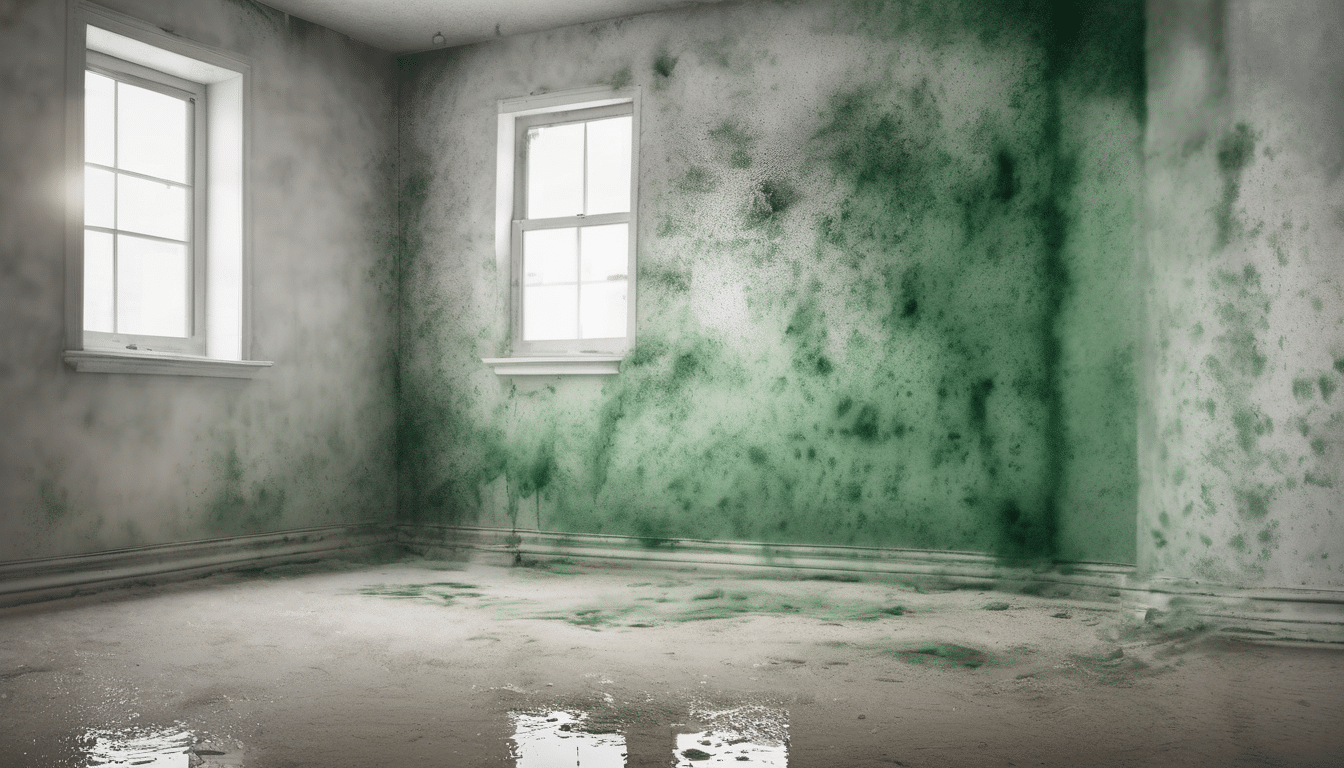
Mold Remediation Techniques For Indoor Environments
Introduction
Understanding Mold Remediation Techniques For Indoor Environments is essential. Mold remediation is a critical aspect of maintaining indoor environmental health, especially in hot and humid climates like those found in the UAE. This article delves into various techniques for addressing mold issues, ensuring that homeowners and facility managers can take proactive steps to protect their environments.
Understanding Mold Remediation Techniques for Indoor Environments
Mold remediation involves the identification, removal, and prevention of mold growth in indoor environments. It is a multifaceted process that requires a combination of scientific understanding and practical techniques to ensure complete resolution. In this section, we will explore various methods used to address mold issues effectively.
Identifying Mold
The first step in mold remediation is identifying the presence of mold. This can be done through visual inspection, air sampling, or surface testing. Visual inspections are often insufficient as they may miss hidden growth behind walls or under floors. Air and surface samples provide more accurate data about the extent and species of mold present.
Assessing Moisture Sources
Understanding where moisture is coming from is crucial for effective remediation. Common sources include water leaks, condensation, improper ventilation, and inadequate drainage systems. Once identified, these sources must be addressed to prevent future growth.
Hidden Contamination Investigation Using Thermal Imaging
Thermal imaging can reveal hidden mold growth that is invisible to the naked eye. This non-invasive technique uses infrared cameras to detect temperature differences, which often indicate moisture accumulation and potential mold colonies.
Using Thermal Imaging for Hidden Mold Detection
During a thermal imaging scan, areas with higher temperatures may indicate water intrusion or hidden growth. These hotspots can be further investigated using moisture meters and targeted sampling. This approach ensures that no mold is overlooked, even in hard-to-reach places.
HVAC System Impact on Indoor Air Quality
The HVAC system plays a significant role in indoor air quality and can either contribute to or mitigate the spread of mold spores. Proper maintenance, regular cleaning, and efficient operation are essential.
Assessing HVAC Performance
A comprehensive assessment should include checking for filters that need replacement, verifying condensate pans are clean and properly drained, and ensuring fans and motors are functioning correctly. Regular servicing by certified technicians can prevent issues before they become problematic.
Water Quality Testing Methods For Residential Properties
Contaminated water sources can be a significant source of indoor mold growth. Conducting thorough testing on water storage tanks, pipes, and faucets helps identify potential issues early. This relates directly to Mold Remediation Techniques For Indoor Environments.
Testing Protocols and Procedures
Common tests include measuring pH levels, detecting coliform bacteria, and identifying heavy metals or other contaminants. Treatment methods such as chlorination, filtration systems, and tank cleaning should be implemented based on the findings to ensure water safety.
Remediation Strategies and Procedures
Once the sources of mold growth have been identified, a comprehensive remediation plan must be developed. This typically includes physical removal, surface disinfection, and addressing underlying moisture issues.
Read more: Water Quality Testing Methods For Residential Properties
Physical Removal Methods
Manual scraping, pressure washing, and biocide application are common techniques for removing visible mold colonies. However, it is crucial to follow proper containment procedures to prevent cross-contamination during the process.
Expert Tips on Mold Remediation Techniques for Indoor Environments
Effective mold remediation requires a systematic approach and attention to detail. Here are some expert tips to ensure thorough and successful results:
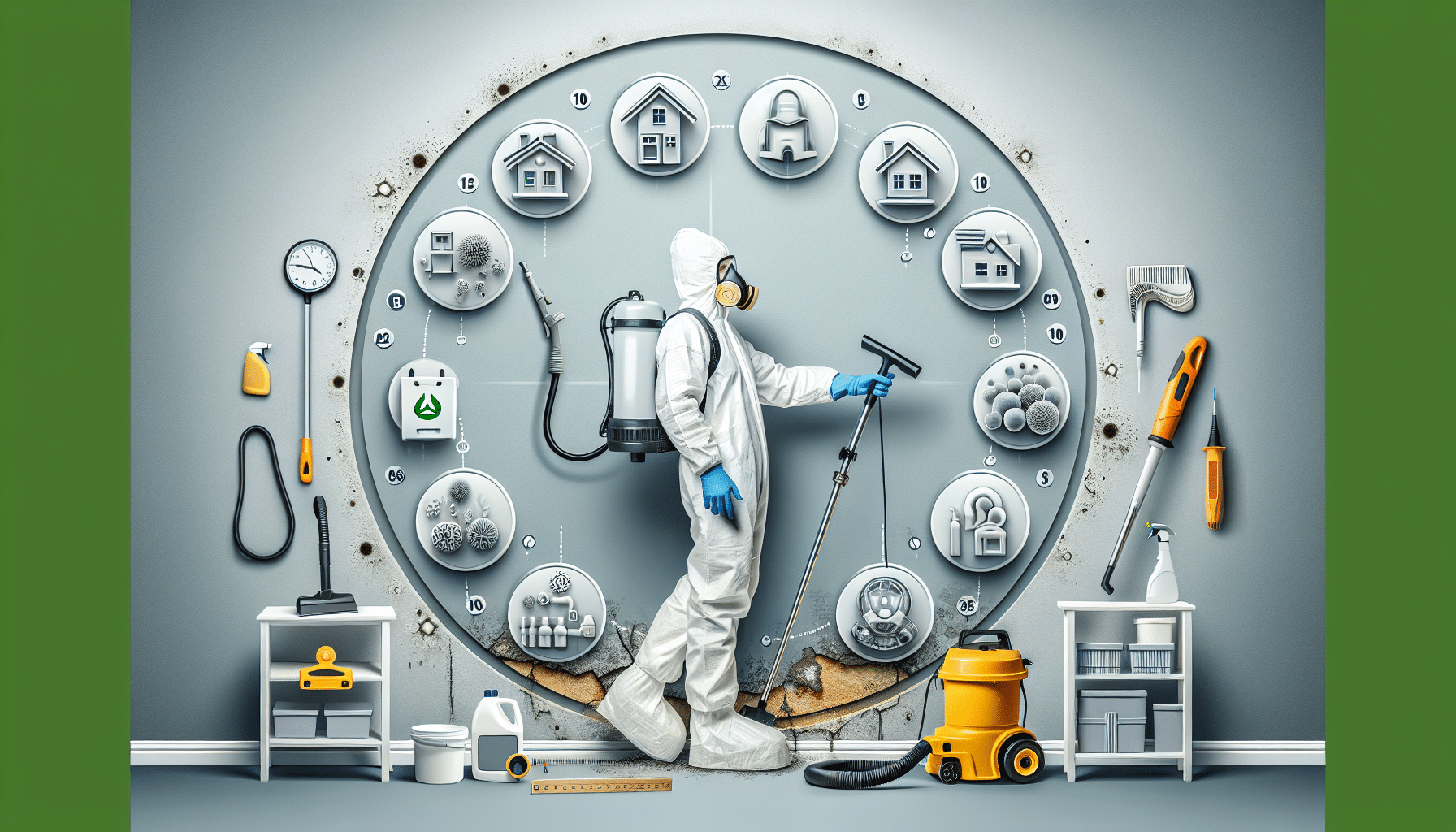
- Use Personal Protective Equipment (PPE): Wearing appropriate PPE, such as respirators, gloves, goggles, and coveralls, is essential for the health of those involved in remediation activities.
- Containment Zones: Establishing containment zones to prevent mold spores from spreading is crucial. Use plastic sheeting and sealing materials to create barriers around affected areas.
- Proper Ventilation: Ensure that the work area has adequate ventilation to minimize the inhalation of airborne mold spores. Portable HEPA air purifiers can be used if necessary.
FAQ Section for Mold Remediation Techniques for Indoor Environments
Addressing common questions and concerns about mold remediation can help ensure that readers understand the process better:
- Q: Can I handle mold remediation myself?
- A: While DIY methods may work for minor issues, complex cases often require professional expertise. It is advisable to consult with certified professionals to ensure thorough and safe removal.
- Q: How long does mold remediation take?
- A: The duration of the process varies depending on the extent of contamination and the complexity of the job. A typical project might take several days to a week, but more severe cases could require extended periods.
- Q: Is mold remediation covered by insurance?
- A: Homeowners insurance policies may cover water damage and mold remediation under certain conditions. Check your policy details or contact your insurer for clarification on coverage.
Conclusion
Mold remediation is a complex process that requires both scientific knowledge and practical skills to ensure effective results. By understanding the techniques and strategies involved, homeowners and facility managers can take proactive steps to protect their indoor environments from mold growth. Regular inspections, proper maintenance of HVAC systems, and water quality testing are essential for maintaining healthy living spaces. When considering Mold Remediation Techniques For Indoor Environments, this becomes clear.
Mold remediation not only improves indoor air quality but also protects the structural integrity of buildings. Professional guidance is crucial for addressing hidden contamination and ensuring a long-lasting solution. By staying informed about these techniques, you can create healthier and more comfortable environments for yourself and your family. Understanding Mold Remediation Techniques For Indoor Environments is key to success in this area.

JV de Castro, IAC2
JV de Castro is the Chief Technology Officer at Saniservice, where he leads innovation in indoor environmental sciences, IT infrastructure, and digital transformation. With over 20 years of experience spanning architecture, building science, technology management, digital media architecture, and consultancy, he has helped organizations optimize operations through smart solutions and forward-thinking strategies. JV holds a Degree in Architecture, a Masters of Research in Anthropology, an MBA in Digital Communication & Media, along with certifications in mold, building sciences and advanced networking. Passionate about combining technology, health, and sustainability, he continues to drive initiatives that bridge science, IT, and business impact.



Leave a Reply