Mold Remediation Steps In Residential Properties
Understanding Mold Remediation Steps in Residential Properties
Understanding Mold Remediation Steps In Residential Properties is essential. Mold is a common issue in residential properties, but proper remediation can significantly improve indoor air quality and protect the health of occupants. This guide provides an overview of mold remediation steps specifically tailored for residential settings, covering from initial assessment to final verification.
Understanding these steps ensures that homeowners and property managers take effective measures to address mold issues, preventing recurrence and maintaining a healthy living environment. This relates directly to Mold Remediation Steps In Residential Properties.
Mold Remediation Steps In Residential Properties – Initial Assessment of Mold in Residential Properties
Before any remediation can begin, it is crucial to conduct a thorough initial assessment. This involves identifying the extent and severity of mold growth, determining potential sources, and understanding the risks involved.
Key Steps:
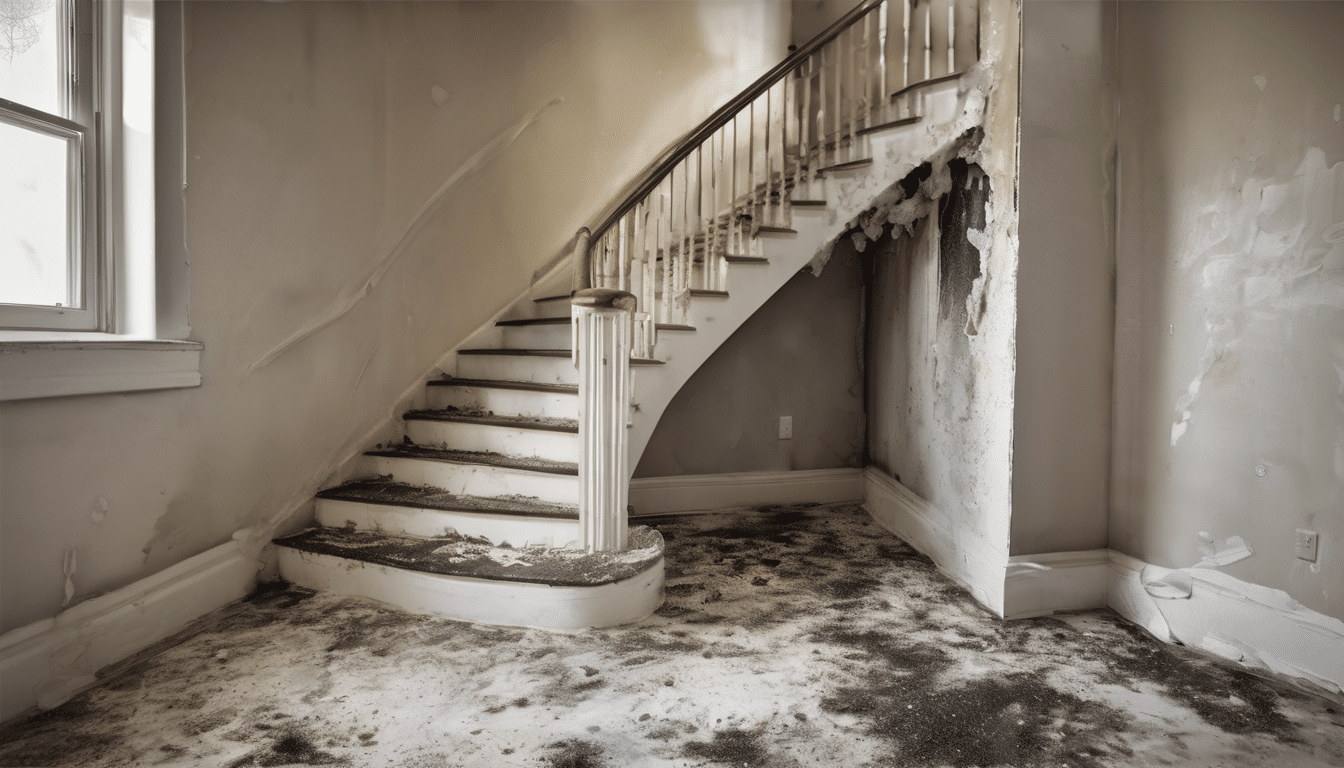
- Detecting Visible Mold: Inspect surfaces for visible signs of mold growth, such as discoloration or fuzzy patches.
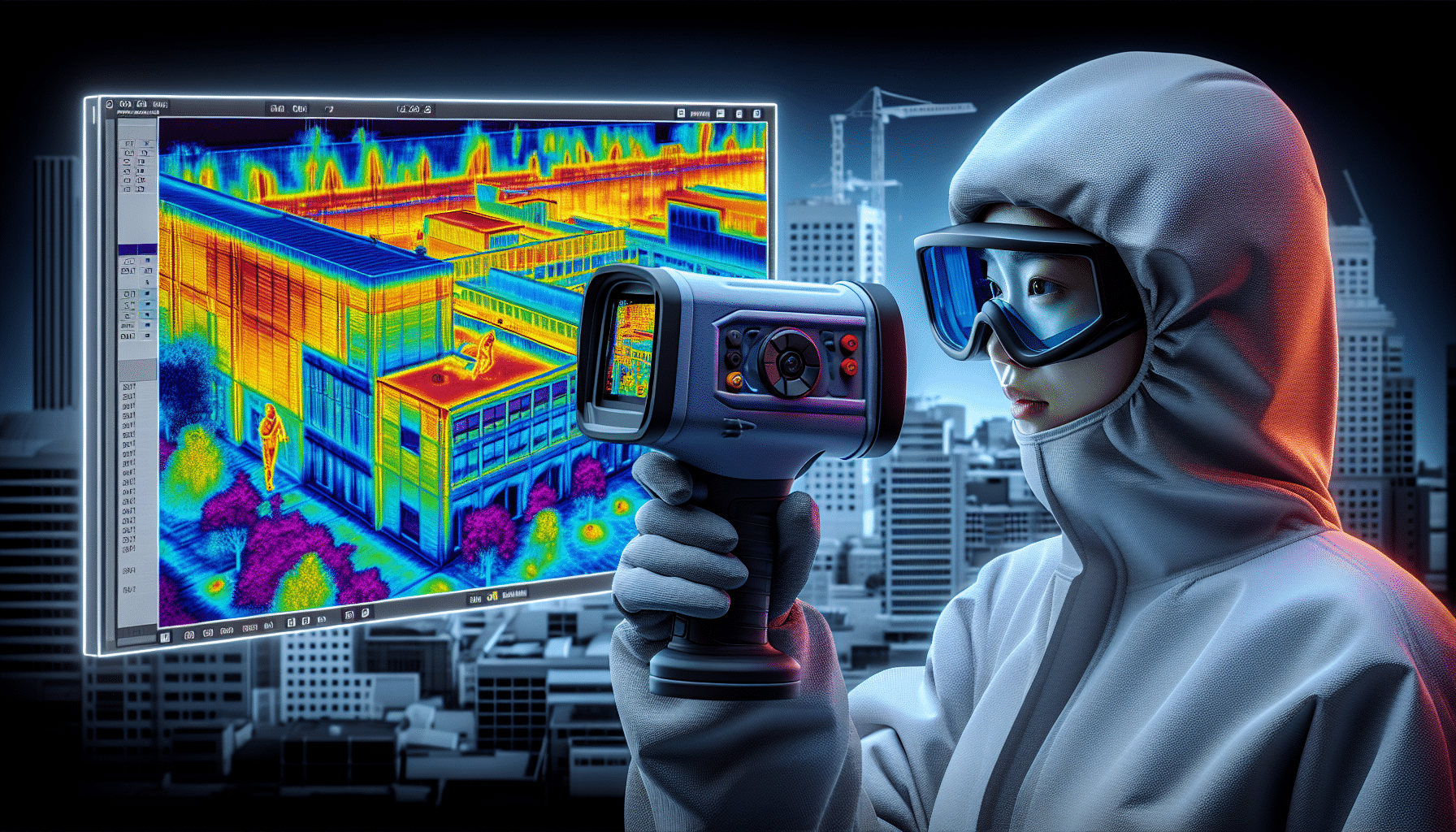
- Testing for Hidden Mold: Use thermal imaging and moisture detection equipment to identify hidden mold behind walls, in insulation, and other concealed areas.
- Air Quality Testing: Collect air samples to determine the presence of mold spores and assess indoor air quality.
- Surface Sampling: Take swab or tape-lift samples from affected surfaces for laboratory analysis.
- Evaluating Water Damage: Inspect plumbing, drainage systems, and structural elements for signs of water damage that may be contributing to mold growth.
Example: Hidden Mold in Dubai Villas
Case Study: A family in a luxury villa experienced chronic respiratory symptoms despite no visible mold. Initial assessment revealed extensive hidden mold growth behind skirting boards, caused by condensation at the wall-floor junction where thermal bridging created perpetually cold surfaces.
This example underscores the importance of conducting thorough assessments to identify all sources of contamination, even those that are not immediately apparent.
Removal Process for Mold in Residential Properties
The removal process involves carefully removing mold-contaminated materials and cleaning surfaces to eliminate spores. It is essential to follow proper procedures to prevent cross-contamination and ensure thorough remediation. When considering Mold Remediation Steps In Residential Properties, this becomes clear.
Key Steps:
- Selecting Personal Protective Equipment (PPE): Use appropriate PPE, including respirators, gloves, goggles, and coveralls to protect workers from mold exposure.
- Containment: Establish physical barriers or containment zones to limit the spread of spores during remediation activities.
- Wet Vacuuming: Use a wet vacuum to collect excess water and debris before beginning surface cleaning.
- Surface Cleaning: Apply mold-resistant cleaners to surfaces, ensuring thorough coverage and allowing sufficient dwell time for efficacy.
- Mold Removal: Remove contaminated materials, such as drywall, carpeting, or insulation, using appropriate techniques to prevent disturbance of spores. For small areas, use a HEPA vacuum cleaner.
- Disinfection: Apply disinfectants to surfaces after cleaning to kill remaining mold spores and reduce the risk of regrowth.
- Air Filtration: Use high-efficiency air filtration systems during remediation to capture airborne spores and maintain clean indoor air.
Using Thermal Imaging in Mold Removal
Thermal imaging can be a valuable tool for identifying hidden mold growth during the removal process. By detecting temperature variations, it helps pinpoint areas with moisture and potential mold contamination.
Example: In a villa with suspected hidden mold behind skirting boards, thermal imaging revealed cold spots where moisture had accumulated, leading to targeted remediation efforts that addressed both visible and concealed mold growth. The importance of Mold Remediation Steps In Residential Properties is evident here.
Post-Remediation Verification: Ensuring Mold-Free Environments
After the removal process is complete, it is essential to verify that all mold has been successfully eliminated. This involves re-testing for mold spores and assessing the indoor environment for any remaining risks.
Key Steps:
- Air Quality Testing: Conduct air quality testing post-remediation to ensure no significant levels of mold spores remain in the air.
- Surface Testing: Take surface samples from areas where mold was previously present to confirm the absence of viable spores.
- Evaluation of Water Management Systems: Inspect plumbing, drainage systems, and other water management features for proper function and potential sources of moisture that could lead to recurrence.
- Environmental Health Risk Assessment: Conduct a comprehensive risk assessment to identify any ongoing or residual environmental health hazards.
- Premises Readiness Verification: Ensure the property is ready for occupancy by confirming all remediation work has been completed and that indoor conditions meet health and safety standards.
Case Study on Post-Remediation Verification
A residential villa in Dubai underwent mold remediation after a prolonged period of water damage. Initial assessment revealed extensive hidden mold growth, leading to thorough removal and containment procedures. Post-remediation verification involved re-testing for spores, evaluating the water management system, and conducting an environmental health risk assessment. Understanding Mold Remediation Steps In Residential Properties helps with this aspect.
The results showed no significant levels of mold spores in air or on surfaces, with all systems functioning correctly. The property was deemed safe for occupancy, ensuring long-term protection against mold growth.
Expert Tips for Effective Mold Remediation
Effective mold remediation requires a comprehensive approach that goes beyond basic cleaning and removal. Here are some expert tips to ensure thorough and lasting results:
- Proper Assessment: Conduct a detailed initial assessment to identify all sources of contamination, including hidden mold growth.
- Professional Guidance: Engage experienced professionals for the removal process to guarantee safe handling of materials and equipment.
- Thorough Containment: Establish effective containment zones during remediation activities to prevent cross-contamination and spread of spores.
- Regular Maintenance: Implement regular maintenance schedules to monitor indoor air quality and address moisture issues promptly.
- Education: Educate occupants about mold prevention practices, such as proper ventilation and moisture management in bathrooms and kitchens.
FAQ: Addressing Common Questions on Mold Remediation
- Q: Can you remediate hidden mold without visible signs?
- A: Yes, using thermal imaging and moisture detection equipment can help identify hidden mold growth that is not immediately apparent.
- Q: How long does it take to complete a full mold remediation process?
- A: The time required varies depending on the extent of contamination. A typical residential property may take several days to weeks for initial assessment and removal, followed by post-remediation verification.
- Q: Are there any DIY methods for mold remediation?
- A: While basic cleaning can be done DIY, complex cases requiring containment and professional equipment should always involve experienced professionals to ensure safety and effectiveness.
Conclusion: Key Takeaways from Mold Remediation Steps in Residential Properties
Proper mold remediation in residential properties involves a thorough assessment, effective removal process, and rigorous post-remediation verification. By following these steps and seeking professional guidance, homeowners can ensure long-term protection against mold growth and maintain healthy indoor environments. Mold Remediation Steps In Residential Properties factors into this consideration.
Key Takeaways: Understanding Mold Remediation Steps In Residential Properties is key to success in this area.
- Initial assessment is critical to identify all sources of contamination.
- The removal process should be conducted by experienced professionals using appropriate PPE and equipment.
- Post-remediation verification ensures no residual mold remains, maintaining a safe indoor environment.

JV de Castro, IAC2
JV de Castro is the Chief Technology Officer at Saniservice, where he leads innovation in indoor environmental sciences, IT infrastructure, and digital transformation. With over 20 years of experience spanning architecture, building science, technology management, digital media architecture, and consultancy, he has helped organizations optimize operations through smart solutions and forward-thinking strategies. JV holds a Degree in Architecture, a Masters of Research in Anthropology, an MBA in Digital Communication & Media, along with certifications in mold, building sciences and advanced networking. Passionate about combining technology, health, and sustainability, he continues to drive initiatives that bridge science, IT, and business impact.