HVAC Systems Impact on Indoor Air Quality Explained for UAE
HVAC Systems Impact on indoor air quality more dramatically in the UAE than almost anywhere else on Earth. With Dubai’s extreme heat forcing buildings to remain sealed and air-conditioned for most of the year, the quality of your indoor air depends almost entirely on your HVAC system’s performance. As an indoor environmental scientist who has investigated hundreds of UAE properties, I’ve seen firsthand how HVAC design choices can either protect occupants from pollutants or become the primary source of contamination.
The HVAC systems impact on indoor air quality extends beyond simple temperature control. These complex mechanical systems determine humidity levels, filter particulate matter, circulate air throughout buildings, and can either prevent or promote microbial growth. In our desert climate where windows remain closed for eight months annually, your HVAC system becomes your lungs—processing every breath you take indoors.
This comprehensive analysis examines how different HVAC configurations affect indoor air quality in UAE buildings. We’ll explore common problems we’ve documented through our indoor air quality testing in Dubai homes and offices, compare system types, and provide actionable solutions based on scientific evidence and field experience.
Hvac Systems Impact On Indoor Air Quality – Understanding HVAC and Air Quality Relationship
HVAC systems impact on indoor air quality begins with their fundamental operation. These systems don’t just heat and cool air—they move it through ductwork, filter particles, control humidity, and bring in outdoor air for ventilation. In Dubai’s climate, where temperatures regularly exceed 40°C and dust storms are common, HVAC systems work exceptionally hard to maintain comfortable indoor conditions.
The relationship between HVAC operation and air quality involves multiple mechanisms. As air circulates through ducts, it can distribute contaminants throughout a building. Poorly maintained systems become breeding grounds for mould and bacteria, which then get aerosolized and spread to occupied spaces. The humidity control function directly affects whether microbial growth can occur within the system itself and throughout the building.
Through our indoor air quality testing in Dubai properties, we’ve documented how HVAC systems impact on indoor air quality varies by system type, age, and maintenance history. Central systems with extensive ductwork present different challenges than split systems with individual units. The materials used in construction, the filter quality, and the ventilation strategy all contribute to the ultimate air quality outcome.
Hvac Systems Impact On Indoor Air Quality: Central vs Split System Comparison
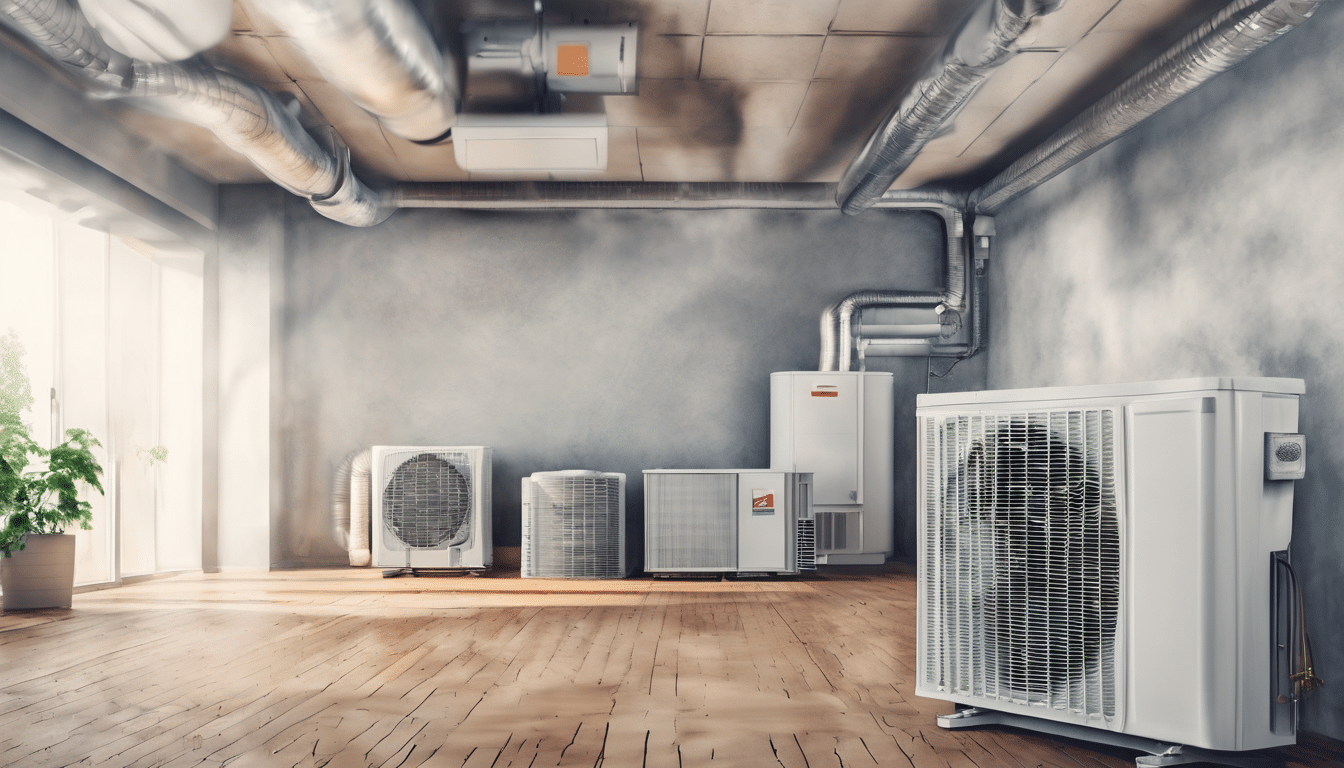
The HVAC systems impact on indoor air quality differs significantly between centralised and split systems. Central HVAC systems, common in larger villas and commercial buildings, use extensive ductwork to distribute conditioned air throughout the property. Split systems, comprising individual indoor units connected to outdoor compressors, operate more locally without ductwork.
Central System Advantages and Disadvantages
Central systems offer superior air filtration capabilities when properly maintained. They can accommodate higher-grade filters, including HEPA filtration in some cases, and provide more consistent humidity control throughout the building. However, the extensive ductwork presents contamination risks—dust accumulation, mould growth in dark moist environments, and distribution of pollutants from one area to another.
Split System Performance Characteristics
Split systems minimise cross-contamination between rooms since each unit operates independently. They don’t have the ductwork contamination issues of central systems. However, their smaller filters are less effective at capturing fine particles, and they often struggle with humidity control in Dubai’s climate, sometimes creating conditions perfect for mould growth around the units themselves.
Hvac Systems Impact On Indoor Air Quality: HVAC Contamination Sources Identified
Through our microbial investigations, we’ve identified several common contamination sources within HVAC systems that impact indoor air quality. Ductwork accumulates dust, skin cells, and other organic material that can support microbial growth when humidity levels rise. Cooling coils become condensation surfaces where mould and bacteria can thrive if not properly maintained.
Drain pans designed to collect condensation often become stagnant water reservoirs if not properly sloped or maintained. We’ve identified numerous cases where drain pan contamination became the primary source of airborne mould spores throughout Dubai properties. Filter housings can also become contamination sites when filters are not changed regularly, allowing microbial growth on accumulated particulate matter.
The materials used in HVAC system construction can themselves impact indoor air quality. Fibreglass duct liner can deteriorate and release fibres into air streams. Some sealants and adhesives used in ductwork installation can off-gas volatile organic compounds for years after installation. These factors combine to create complex contamination scenarios that require professional assessment.
Filter Technology Effectiveness Analysis
Filter selection dramatically affects how HVAC systems impact on indoor air quality. Basic fibreglass filters common in many UAE installations primarily protect equipment rather than improving air quality—they capture larger particles but allow most contaminants to pass through. Pleated filters offer better particle capture but can restrict airflow if not properly sized for the system.
High-efficiency particulate air (HEPA) filters provide the highest level of particle filtration, capturing 99.97% of particles 0.3 microns in size. However, most residential HVAC systems cannot accommodate true HEPA filters due to airflow restrictions. Medium-efficiency MERV 11-13 filters often represent the optimal balance between filtration effectiveness and system compatibility for Dubai homes.
Electrostatic filters use an electrical charge to capture particles and can be washable and reusable. However, they require regular cleaning to maintain effectiveness and can produce ozone as a byproduct in some designs. Ultraviolet light systems installed within HVAC units can effectively control microbial growth on cooling coils and other surfaces but do not remove particulate matter from the air.
Humidity Control Critical Role
Humidity control represents perhaps the most critical aspect of how HVAC systems impact on indoor air quality in the UAE. Dubai’s exterior humidity regularly exceeds 90%, while ideal indoor relative humidity should remain between 40-60% to prevent microbial growth and maintain comfort. HVAC systems must remove substantial moisture from air during the cooling process.
Properly functioning systems maintain humidity levels through adequate runtime and properly sized equipment. Oversized systems cool air quickly but don’t run long enough to remove sufficient moisture, resulting in cold, damp conditions ideal for mould growth. Undersized systems run constantly but may not achieve desired humidity levels, creating different air quality challenges.
We’ve documented numerous cases where HVAC systems impact on indoor air quality negatively due to humidity control issues. Properties with persistent humidity above 60% consistently show elevated mould spore counts, while those maintaining 40-50% relative humidity demonstrate better air quality despite similar outdoor conditions. This relationship underscores the critical importance of proper humidity management.
Maintenance Impact on Air Quality
Regular maintenance significantly influences how HVAC systems impact on indoor air quality. Well-maintained systems with clean components, proper refrigerant levels, and functioning drainage provide better air quality protection. Neglected systems become contamination sources themselves, distributing pollutants throughout occupied spaces.
Professional maintenance should include coil cleaning, drain pan treatment, duct inspection, filter replacement, and system performance verification. In Dubai’s dusty environment, filters may require more frequent replacement than manufacturer recommendations suggest. Drain lines need regular flushing to prevent algal and bacterial growth that can aerosolize into living spaces.
Our air quality assessments consistently demonstrate that maintenance frequency correlates directly with air quality outcomes. Properties with quarterly professional maintenance show significantly lower particulate counts and microbial levels than those with annual or irregular maintenance schedules. This relationship holds true across different system types and building ages throughout the UAE.
UAE Specific Considerations
Several UAE-specific factors uniquely affect how HVAC systems impact on indoor air quality. The extreme temperature differential between outdoor and indoor environments creates significant condensation risks within building assemblies and HVAC components. The frequent dust storms introduce particulate matter that challenges filtration systems and accumulates in ductwork.
Construction practices common in the UAE, including rapid building timelines and sometimes inadequate quality control, can affect HVAC installation quality. We’ve identified numerous cases where improper duct sealing, inadequate insulation, and incorrect equipment sizing created persistent air quality issues. The prevalence of marble and tile flooring common in UAE homes can also affect humidity levels and air quality dynamics.
Cultural practices, including the use of incense and certain cleaning products, introduce additional contaminants that HVAC systems must manage. The high prevalence of respiratory conditions among UAE residents, possibly related to environmental factors, makes proper HVAC function particularly important for vulnerable populations including children and elderly residents.
Expert Tips for Improvement
Based on our extensive experience with indoor air quality testing in Dubai, here are actionable recommendations for improving how your HVAC systems impact on indoor air quality:
- Schedule professional HVAC maintenance quarterly rather than annually due to Dubai’s extreme operating conditions
- Upgrade to MERV 11-13 filters if your system can accommodate them without airflow restriction
- Install ultraviolet light systems near cooling coils to control microbial growth without chemicals
- Consider supplemental air purification with HEPA filtration in bedrooms for vulnerable individuals
- Monitor indoor humidity levels with hygrometers and address levels consistently above 60%
- Ensure proper drainage from HVAC units to prevent stagnant water accumulation
- Seal ductwork properly to prevent dust infiltration and maintain pressure relationships
- Consider professional duct cleaning every 3-5 years depending on environmental conditions
Frequently Asked Questions
How often should HVAC filters be changed in Dubai?
In Dubai’s dusty environment, standard filters should be changed every 2-3 months during peak cooling season. Higher efficiency filters may last longer but should be inspected monthly for loading. Properties near construction sites or desert areas may require more frequent changes.
Can HVAC systems spread mould throughout a building?
Yes, contaminated HVAC systems can absolutely distribute mould spores throughout properties. We’ve documented numerous cases where localized mould growth in ductwork or on coils became building-wide contamination issues through air circulation.
What is the ideal humidity level for UAE homes?
Maintain indoor relative humidity between 40-60% to prevent microbial growth while maintaining comfort. Below 40% can cause respiratory irritation, while above 60% promotes mould and dust mite proliferation.
Should I have my ductwork cleaned regularly?
Duct cleaning every 3-5 years is recommended for most UAE properties, or more frequently if visible mould growth, pest infestation, or excessive dust accumulation is observed. Ensure proper containment procedures during cleaning to avoid spreading contaminants.
Are UV lights in HVAC systems effective for air quality?
UV lights effectively control microbial growth on cooling coils and other wet surfaces within HVAC systems. However, they do not remove particulate matter from the air and should be combined with proper filtration for comprehensive air quality improvement.
The HVAC systems impact on indoor air quality represents a critical consideration for every UAE property owner and manager. Through proper system selection, regular maintenance, and strategic upgrades, you can transform your HVAC system from a potential pollution source to your strongest ally in maintaining healthy indoor environments. The extreme climate conditions in Dubai make this attention to HVAC performance not just a comfort issue, but a genuine health priority for building occupants.

JV de Castro, IAC2
JV de Castro is the Chief Technology Officer at Saniservice, where he leads innovation in indoor environmental sciences, IT infrastructure, and digital transformation. With over 20 years of experience spanning architecture, building science, technology management, digital media architecture, and consultancy, he has helped organizations optimize operations through smart solutions and forward-thinking strategies. JV holds a Degree in Architecture, a Masters of Research in Anthropology, an MBA in Digital Communication & Media, along with certifications in mold, building sciences and advanced networking. Passionate about combining technology, health, and sustainability, he continues to drive initiatives that bridge science, IT, and business impact.