


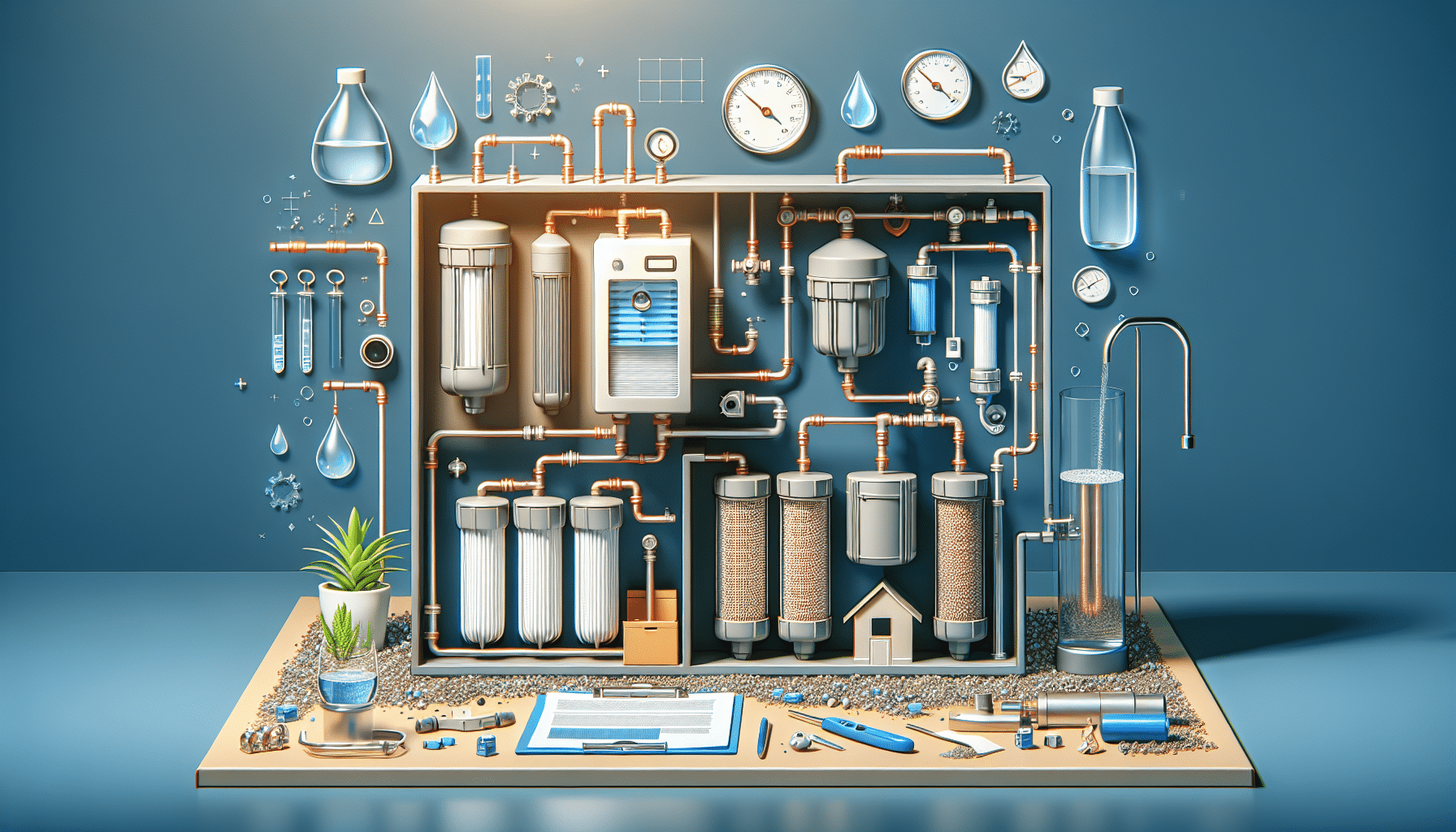
10 Essential Installation and Maintenance Tips for Residential Water Filtration Systems
Ensuring clean and safe drinking water in your home begins with a properly installed and well-maintained water filtration system. Whether you choose a whole-house filter or a point-of-use system, the process involves crucial Installation and Maintenance steps that directly impact performance and durability. This detailed guide presents installation and maintenance tips for residential water filtration systems that will help homeowners in Dubai, Abu Dhabi, and across the UAE make the most of their investment in water quality.
Given the unique water quality challenges in the UAE, including high mineral content and occasional microbial contamination, knowing how to correctly install and maintain your filtration system is critical. This ensures you enjoy healthier water while avoiding costly repairs or replacements. Read on as we explore 10 essential tips that cover the entire lifecycle of your home water filter, from installation through routine upkeep and troubleshooting.
1. Pre-Installation Considerations for Effective Water Filtration
Before starting installation, perform a thorough assessment of your home’s water quality and plumbing layout. Understanding the specific contaminants in your water—whether high in sediment, chlorine, microbial agents, or hardness minerals—is crucial in choosing and installing the right filtration system.
- Water Testing: Engage a certified professional to test your water source for microbial contaminants, total dissolved solids (TDS), and chemical pollutants relevant to Dubai and Gulf region water profiles.
- System Location: Plan installation near the main water supply line if opting for a whole-house system, or under the sink for point-of-use units. Ensure easy access for future maintenance.
- Plumbing Compatibility: Verify pipe sizes, materials, and available space to accommodate the filtration unit and any additional fittings or valves.
These pre-installation considerations form the foundation for a successful setup and long-lasting functionality.
2. Selecting the Correct Filtration System for Your Home
Dubai and surrounding cities often use desalinated or mixed water sources, which require filtration systems tailored to local issues such as high salinity, chlorine residuals, or microbial presence.
- Whole-House Filtration Systems: Ideal for entire water supply purification, protecting plumbing and appliances from sediment, scale, and chemical contaminants.
- Point-of-Use Filters: Useful for kitchen or drinking water, these systems typically feature activated carbon or reverse osmosis filters for enhanced taste and purity.
- Multi-Stage Filtration: Combining sediment pre-filters with carbon blocks and UV disinfection offers broad-spectrum contaminant removal.
Choose a system certified for NSF/ANSI standards or equivalent to ensure removal of specific contaminants common in Gulf water supplies.
3. Proper Installation Steps to Ensure System Efficiency
Following correct installation protocols maximises system efficiency and prevents common issues such as leaks or pressure drops. Here are detailed steps for effective installation:
- Shut off the main water supply: Before installation, turn off the house’s water supply and relieve pressure by opening a faucet downstream.
- Mount the filtration unit: Securely attach the filter housing to a wall or solid surface close to the water supply line, preferably on a plywood backing for stability.
- Cut and connect pipes: Use a pipe cutter to access the main water line. Install adapters and “T” fittings to divert water through the filtration system.
- Include shut-off valves: Integrate valves on both inlet and outlet sides for easy servicing and system isolation.
- Seal connections: Apply Teflon tape to threaded fittings to prevent leaks, and tighten all fittings using appropriate wrenches without overtightening.
- Install bypass lines: Optional bypass valves allow for continued water supply during filter maintenance.
- Flush the system: Once installed, purge any air and debris by running water through the system following manufacturer recommendations.
Following these steps ensures a watertight, functional installation with minimal interruption to household plumbing.
4. Regular Maintenance Checks for Longevity
Regular inspections are essential to maintain the performance and lifespan of residential water filtration systems. Establish a routine that includes:
- Visual checks: Look for leaks, cracks in the housing, or signs of wear on valves and fittings.
- Pressure gauge monitoring: Systems equipped with gauges should be monitored for pressure drops indicating clogs or filter saturation.
- Water flow assessment: Noticeable reduction in flow rate often signals the need for immediate filter replacement or servicing.
Routine maintenance enables early detection of problems, preventing costly damages or water quality degradation.
5. Monitoring and Replacing Filters Timely
Timely filter replacement is critical for effective filtration and avoiding bacterial growth within the system.
- Follow manufacturer schedules: Most filters need replacement every 3 to 12 months depending on water quality and usage.
- Keep track of usage: Maintain records of installation and replacement dates to stay ahead of expiry.
- Understand filter type lifespan: Sediment and carbon filters generally have shorter lifespans, while reverse osmosis membranes may last longer.
Neglecting timely filter changes can lead to reduced filtration efficiency, foul taste, or health risks.
6. Preventing Leaks and Managing Water Pressure
Leaks can arise from poor connections or worn-out components, while improper pressure affects system operation. Prevent these issues by:
- Using proper sealing methods: Apply Teflon tape on threaded joints and use recommended lubricants on O-rings.
- Inspecting for wear: Replace any cracked filters housing or brittle tubing promptly.
- Maintaining recommended water pressure: UAE residential water systems usually operate between 20-60 PSI; pressures outside this range may require regulators or boosters.
- Installing pressure relief valves: Safeguard filtration components by installing pressure relief devices if pressures are variable or high.
Consistency in water pressure and secure connections ensures smooth filtration and minimises water wastage.
7. Cleaning and Sanitation Procedures to Avoid Contamination
Water filtration systems are potential breeding grounds for microbial contamination if neglected during maintenance.
- Disinfect housing during filter changes: Use food-grade sanitizers or diluted bleach solutions recommended by the manufacturer to clean the filter housings and components.
- Flush thoroughly: After cleaning or installing a new filter, flush the system fully to remove residual sanitising agents.
- Check for biofilm formation: Inspect for slime or unusual deposits inside housings, which may suggest inadequate disinfection.
Adhering to proper cleaning protocols preserves water safety and system integrity.
8. Winterization and Climate-Specific Tips for UAE Conditions
Although the UAE has a predominantly warm climate, seasonal temperature drops and humid conditions may affect filtration components.
- Protect filters from extreme heat: Install units in shaded, temperature-controlled locations to avoid premature filter degradation.
- Manage humidity: Ensure system housings remain dry and ventilated to prevent corrosion and microbial growth.
- Consider pre-filters for sediment-heavy water: Given occasional sand and silt intrusion during dust storms, sediment pre-filters prolong the life of downstream filters.
Climate-adapted care maximises system resilience in the UAE’s unique water environment.
9. When to Seek Professional Servicing and Troubleshooting
Certain aspects of installation and maintenance require professional expertise to ensure continued system performance.
- Complex plumbing modifications: Whole-house system installations usually need certified plumbers to comply with local codes and avoid damaging plumbing.
- Persistent water quality issues: If water tastes off, smells unusual, or shows turbidity despite maintenance, commissioning a professional water quality analysis is advisable.
- Periodic professional cleaning: Some systems benefit from annual professional servicing to clean and test system components and water parameters.
Engaging certified indoor environmental professionals and plumbers ensures system longevity and water safety compliance.
10. Technology Upgrades and System Monitoring for Optimal Performance
Advancements in filtration technology and monitoring equipment enhance operational efficiency and user experience.
- Smart monitoring systems: Integrate digital sensors or IoT-enabled devices that track filter life, water flow, and pressure in real time.
- Automated alerts: Some systems can send notifications to your phone or central control panel when maintenance or filter replacement is due.
- Advanced filtration media: Upgrade to antimicrobial filter cartridges or UV post-filters for enhanced microbial control.
Investing in technology upgrades transforms your water filtration system into a smart, low-maintenance asset that safeguards your family’s health.
Expert Tips for Installation and Maintenance of Residential Water Filtration Systems
- Always consult your system’s user manual and follow manufacturer instructions carefully.
- Keep a maintenance log recording installation dates, filter changes, and any observed issues.
- Avoid using harsh chemicals for cleaning unless specified; some can damage filter media.
- Test your water regularly, at least annually, to ensure filtration effectiveness.
- Consider professional water testing and system inspection every couple of years.
Conclusion: Installation and Maintenance Tips for Residential Water Filtration Systems
Effective installation and ongoing maintenance of residential water filtration systems are vital to securing clean, healthy water for your home. By carefully considering pre-installation factors, selecting the appropriate system for your needs, and adhering to proper installation protocols, you lay the foundation for reliable water quality. Routine maintenance — including filter changes, leak prevention, sanitation, and pressure management — ensures the system continues to perform optimally in the demanding UAE environment.
Equally important is knowing when to seek professional assistance and investing in technology upgrades that help monitor system health. These installation and maintenance tips for residential water filtration systems empower homeowners in Dubai, Abu Dhabi, and beyond to protect their family’s wellbeing, extend their system’s lifespan, and enjoy the peace of mind that comes with safe, purified water every day.

JV de Castro, IAC2
JV de Castro is the Chief Technology Officer at Saniservice, where he leads innovation in indoor environmental sciences, IT infrastructure, and digital transformation. With over 20 years of experience spanning architecture, building science, technology management, digital media architecture, and consultancy, he has helped organizations optimize operations through smart solutions and forward-thinking strategies. JV holds a Degree in Architecture, a Masters of Research in Anthropology, an MBA in Digital Communication & Media, along with certifications in mold, building sciences and advanced networking. Passionate about combining technology, health, and sustainability, he continues to drive initiatives that bridge science, IT, and business impact.



Leave a Reply