


Critical Insights: 8 Key Factors Affecting HVAC and Particulate Matter in Homes
The role of Heating, Ventilation, and Air Conditioning (HVAC) systems in managing indoor air quality cannot be overstated, especially when it comes to particulate matter distribution in homes. Particulate matter, comprising tiny particles of dust, pollen, mold spores, and other airborne contaminants, poses significant health risks. Understanding how your HVAC system impacts this particulate matter distribution is essential for safeguarding your family’s health and ensuring a comfortable living environment.
Introduction
Understanding the Role of HVAC in Particulate Matter Distribution in Homes is paramount for anyone concerned about indoor air quality. Modern HVAC systems do more than just temperature control; they are pivotal in sustaining healthy indoor environments by managing particulate matter levels. However, their effectiveness can vary significantly based on several factors, including maintenance practices, the types of filters used, and even the design of the HVAC system itself.
The Importance of HVAC in Air Quality Management
HVAC systems directly influence the indoor air quality by filtering out particulates from the air circulating within homes. The quality of the air you breathe indoors largely depends on how well your HVAC system is maintained and the effectiveness of its filtration functionality.
Factors Affecting Particulate Matter Distribution
The distribution of particulate matter within your home is influenced by several key factors, mainly related to your HVAC system’s operation and maintenance. These include:
The Efficiency of Air Filters
The type and efficiency of the air filter in your HVAC system play a crucial role. High-Efficiency Particulate Air (HEPA) filters, for instance, are highly effective at trapping fine particles.
System Maintenance and Cleaning
Regular maintenance, including cleaning air ducts and replacing filters, is necessary to prevent the recirculation of particulate matter.
System Design and Installation
A well-designed HVAC system ensures optimal air flow and particle distribution. Poorly installed systems can lead to uneven distribution and accumulation of particles in certain areas.
The Impact of Filter Types on Air Quality
Different filter types have varying efficiencies in trapping particulate matter. HEPA filters, although more expensive, might be more effective for homes in areas with high levels of outdoor pollution or for families with allergies.
Signs Your HVAC System Is Compromising Indoor Health
Common signs include persistent dust accumulation, worsening allergy symptoms, and foul odors. These might indicate a need for system maintenance or filter replacement.
Hygrothermal Effects on Humidity and Mold
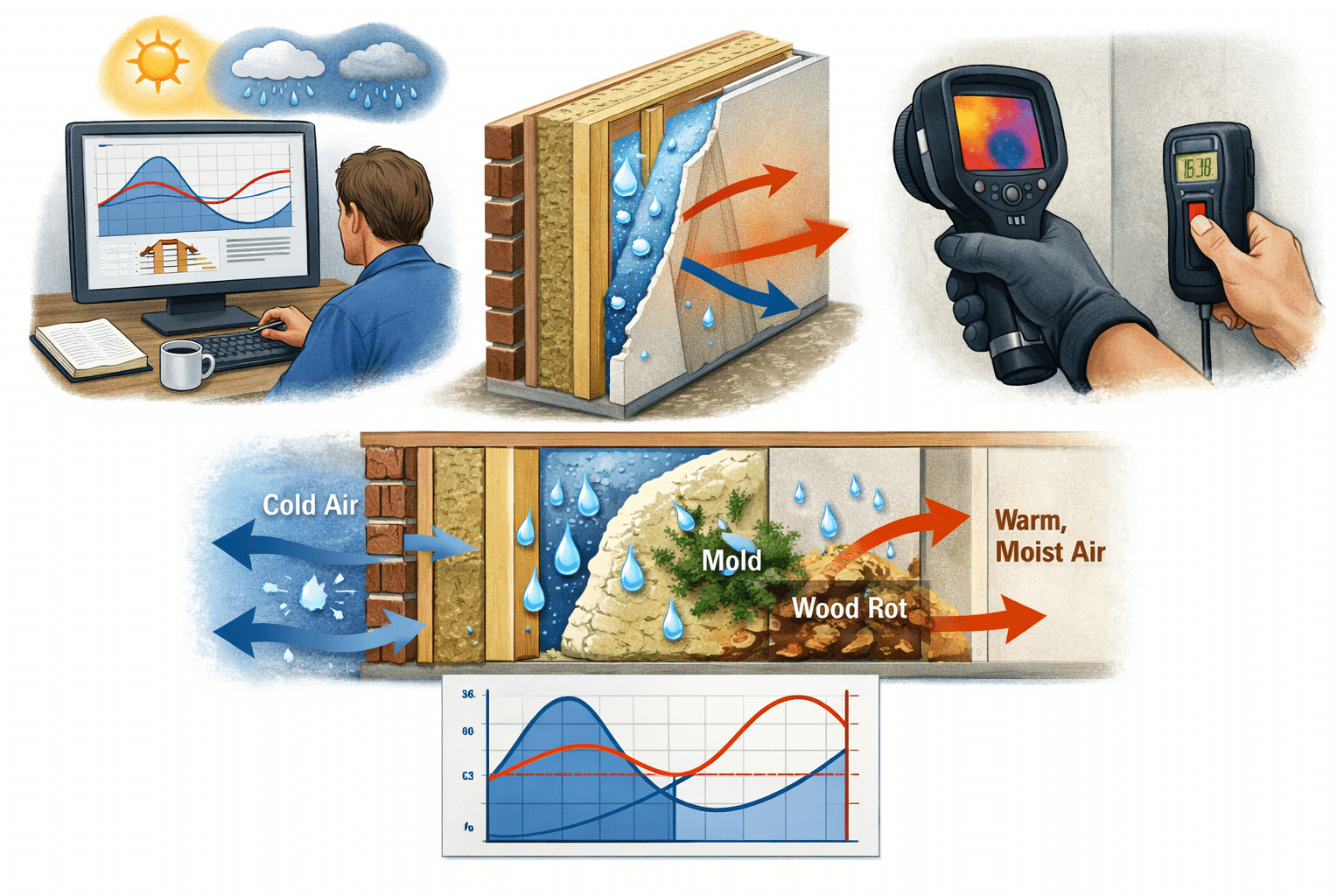
Hygrothermal effects refer to the impact of temperature and moisture levels on indoor air quality. HVAC systems that poorly manage humidity can lead to mold growth, further compounding indoor air quality issues.
Optimizing HVAC Settings for Enhanced Air Quality
Adjusting your HVAC settings can significantly impact particulate matter distribution. Recommendations include using automatic settings for regular air filtration and consulting with experts to establish the best practices for your specific system.
Preventing VOC Accumulation Through Maintenance
Volatile Organic Compounds (VOCs) can accumulate indoors from various sources. Regular HVAC maintenance helps reduce VOC levels by ensuring adequate ventilation and air filtration.
Conclusion
Understanding the Role of HVAC in Particulate Matter Distribution in Homes is critical for anyone looking to improve their indoor air quality. Through regular maintenance, the correct use of filters, and appropriate system settings, homeowners can significantly reduce the health risks associated with particulate matter. Consulting with air quality and HVAC professionals can provide customized advice and solutions, making a substantial difference in your home’s indoor air quality.

JV de Castro, IAC2
JV de Castro is the Chief Technology Officer at Saniservice, where he leads innovation in indoor environmental sciences, IT infrastructure, and digital transformation. With over 20 years of experience spanning architecture, building science, technology management, digital media architecture, and consultancy, he has helped organizations optimize operations through smart solutions and forward-thinking strategies. JV holds a Degree in Architecture, a Masters of Research in Anthropology, an MBA in Digital Communication & Media, along with certifications in mold, building sciences and advanced networking. Passionate about combining technology, health, and sustainability, he continues to drive initiatives that bridge science, IT, and business impact.



Leave a Reply