


A Mold Remediation Protocol: What is ? 10 Essential Steps
In Dubai’s hot, humid climate, mold thrives in air-conditioned villas and apartments, often hidden behind skirting boards or in wall cavities. What is a mold remediation protocol? It is a systematic, evidence-based process to safely remove mold contamination, address moisture sources, and restore indoor environments to safe conditions. This comprehensive guide explains every aspect, drawing from my 12+ years building Saniservice’s Indoor Sciences division in the UAE.
Understanding what is a mold remediation protocol prevents costly mistakes like incomplete removal, which leads to recurrence. In the UAE, where constant AC use creates condensation risks, proper protocols protect families from respiratory issues and mycotoxins. We will cover the 10 essential steps, local challenges, and expert tips for success.
Understanding What is a Mold Remediation Protocol?
A mold remediation protocol is not DIY cleaning; it is a detailed, step-by-step plan developed by certified professionals to eliminate mold safely. It encompasses assessment, containment, removal, verification, and prevention. In my experience at Saniservice, ignoring any step leads to hidden mold regrowth, especially in Dubai’s 40°C summers paired with 60% indoor humidity from AC chill coils.
What is a mold remediation protocol in practice? It starts with identifying mold extent using tools like thermal imaging and moisture metres. Protocols follow standards from bodies like the EPA and IICRC, adapted for local UAE conditions such as gypsum board walls prone to thermal bridging. The goal: reduce spore counts below 500 spores per cubic metre of air, ensuring occupant safety[1][2].
Protocols vary by contamination size: small (<10 m²) for in-house fixes; large (>30 m²) requiring full containment and third-party verification. In the UAE, only certified firms like those with IAC2 credentials should handle them, as improper work disperses spores via HVAC systems.
Core Components of Any Protocol
- Documentation: Photos, spore counts, moisture maps.
- PPE: N95 respirators, gloves, goggles.
- Clearance criteria: Visual inspection plus air/surface sampling.
Why Follow a Mold Remediation Protocol in UAE?
Dubai villas often hide mold behind 10 cm skirting boards due to hygrothermal dysfunction—cold concrete slabs meeting warmer walls cause condensation. Skipping a proper mold remediation protocol risks health issues like asthma, costing AED 5,000+ in medical bills annually.
Research shows mold exposure elevates oxidative stress, linking to chronic fatigue in UAE expats. Protocols ensure compliance with Dubai Municipality health codes, protecting property value—remediation averages AED 15,000-50,000 for a 200 m² villa[3]. Without one, insurance claims fail.
In Sharjah and Ajman, rapid construction overlooks ventilation, amplifying risks. A structured what is a mold remediation protocol prevents recurrence by fixing root causes like leaky AC pans.
Step 1: Inspection and Assessment in What is a Mold Remediation Protocol
The first step in what is a mold remediation protocol is thorough inspection. Professionals use moisture metres (detecting >17% in walls), infrared cameras for hidden growth, and borescopes for cavities. In Dubai, we sample air at 1 m height across rooms.
Assessment categorises: Type I (visible surface), Type II (hidden), Type III (HVAC). Lab analysis identifies species like Aspergillus—common in UAE due to dust. Costs: AED 1,500-3,000 for a villa survey[2].
Document everything: Odours, health symptoms, water history. This informs the full protocol.
Step 2: Containment Strategies
Containment prevents spore spread, critical in open-plan UAE homes. Erect 6-mil polyethylene barriers sealed with tape, creating negative pressure via HEPA fans (1-5 air changes/hour)[1][5].
For a 20 m² area, use 2-3 air scrubbers exhausting outdoors. In Abu Dhabi high-rises, isolate HVAC ducts. PPE entry logs ensure safety.
Step 3: Source Identification and Correction
No mold remediation protocol succeeds without fixing moisture. Common UAE sources: AC condensation (60% RH), roof leaks, poor drainage. Test envelope integrity; install thermal breaks at slab edges.
Dry within 48 hours using dehumidifiers (<50% RH target). In Riyadh’s dry heat, focus on indoor humidity from cooking[4].
Step 4: Removal Techniques in Mold Remediation Protocol
Removal depends on material. Porous items like carpets (discard if >1 m² affected); non-porous like tiles (scrub with detergent)[6]. Double-bag waste in 6-mil plastic.
For hidden mold in Dubai walls, cut 50 cm beyond visible growth, bag sections. Use soda blasting for beams. Protocols specify: No biocides first—remove physically[3].
Material-Specific Methods
| Material | Method |
|---|---|
| Gypsum Board | Discard >10% saturated |
| Concrete | HEPA vacuum, scrub |
| Carpet | Discard |
Step 5: Cleaning and Disinfection
Post-removal, HEPA vacuum surfaces, then damp-wipe with 10% bleach or detergent (never mix cleaners)[8]. For mycotoxins, use oxidising agents. In Jeddah villas, target grout lines.
Allow dust settling before final clean. This step in what is a mold remediation protocol removes 99% residual spores[7].
Step 6: Drying and Dehumidification
Achieve <15% moisture in materials using fans (axial, 500 m³/h) and desiccants. Monitor psychrometrics: 24°C, 45% RH ideal for UAE.
In Fujairah’s humidity, run 72 hours post-wet extraction. Protocols mandate logs every 4 hours[4].
Step 7: Air Filtration and HEPA Vacuuming
HEPA scrubbers (H13 filters, 99.97% efficiency) run 24/7 during work. Vacuum all surfaces post-dry. In Ras Al Khaimah, filter ducts too[2].
Step 8: Restoration and Repair
Replace with mould-resistant materials: Green gypsum, anti-microbial paints. Reinstall vapour barriers. UAE codes require >70% AHU filtration.
Costs: AED 200/m² for repairs. Test pre-occupancy.
Step 9: Post-Remediation Verification – Key to What is a Mold Remediation Protocol
Visual check: No growth, dryness. Air sampling: <500 spores/m³, no marker species. Surface swabs confirm. Third-party labs essential in Dubai[5].
Pass rates: 95% with protocols. Failures trace to missed sources.
Step 10: Prevention Strategies
Humidity controls: Hygrostats at 40-50% RH. Annual HVAC cleans (AED 800). Educate on leaks. Smart monitors for early alerts.
UAE-Specific Considerations for Mold Remediation Protocol
In Dubai, thermal bridging at wall-floor junctions causes 70% hidden mold. Protocols must include IR scans. Abu Dhabi mandates DEWA-compliant fixes. Saudi regs (Riyadh) emphasise ventilation[1].
Expat sensitivities demand low-VOC restores. Costs 20% higher due to imports.
Common Mistakes to Avoid
Mistake 1: Bleach on porous surfaces—kills surface but not roots. Mistake 2: No containment—spreads to 100 m². Mistake 3: Skip verification—80% recurrence[3].
Expert Tips from JV de Castro
As Saniservice CTO, I combine architecture and microbiology. Tip 1: Map hygrothermal risks pre-remediation. Tip 2: Use our Dubai lab for species ID. Tip 3: Prevent via envelope audits (AED 2,000 saves AED 20,000).
For what is a mold remediation protocol, always verify root cause—buildings make people sick, not just mold.
Conclusion
Mastering what is a mold remediation protocol transforms threats into safe homes. Follow these 10 steps for Dubai villas: assess, contain, remove, verify. In UAE’s climate, protocols save health and wealth. Consult IAC2 experts—contact Saniservice for tailored plans. Breathe safely.
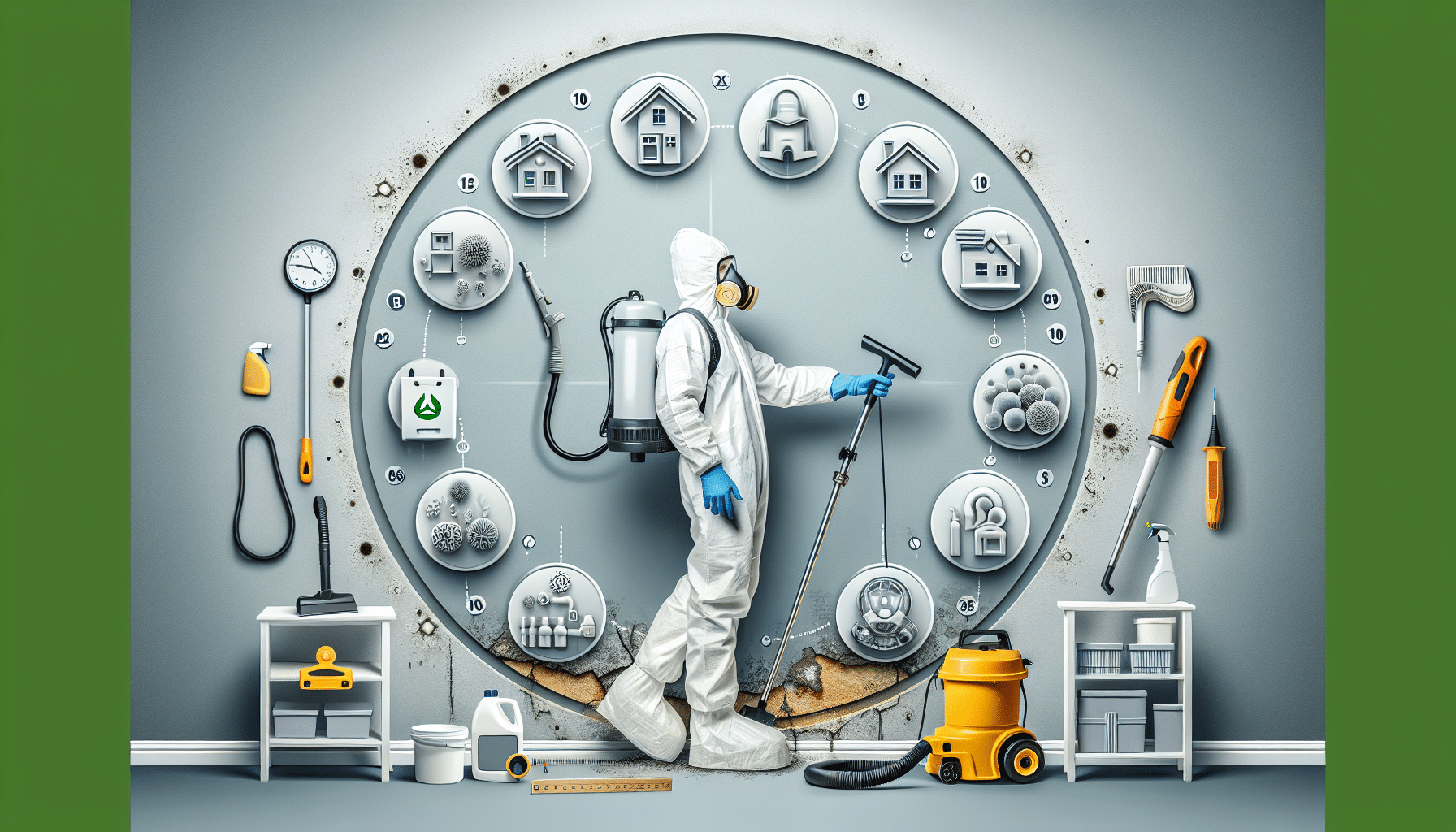
Image alt: What is a Mold Remediation Protocol? – Professionals in PPE containing mold area with plastic barriers and HEPA units in Dubai villa (98 chars)

JV de Castro, IAC2
JV de Castro is the Chief Technology Officer at Saniservice, where he leads innovation in indoor environmental sciences, IT infrastructure, and digital transformation. With over 20 years of experience spanning architecture, building science, technology management, digital media architecture, and consultancy, he has helped organizations optimize operations through smart solutions and forward-thinking strategies. JV holds a Degree in Architecture, a Masters of Research in Anthropology, an MBA in Digital Communication & Media, along with certifications in mold, building sciences and advanced networking. Passionate about combining technology, health, and sustainability, he continues to drive initiatives that bridge science, IT, and business impact.


Leave a Reply